

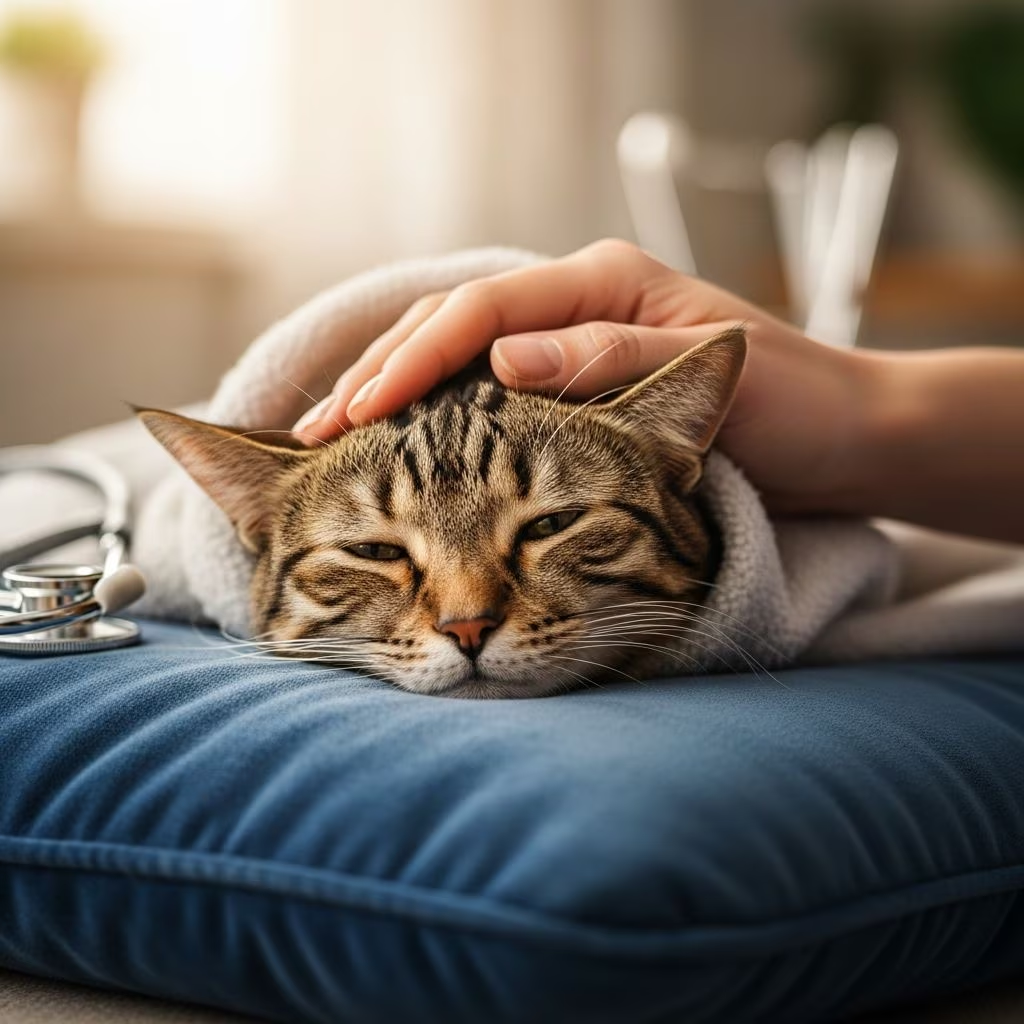
How to Comfort a Sick Cat: 12 Vet-Approved Tips
Seeing your beloved cat suffer from illness is one of the most challenging experiences for any pet owner. Cats are naturally independent creatures that typically mask their discomfort until symptoms become severe, making early intervention crucial. While we humans might turn to chicken soup and comfort movies when we’re under the weather, our feline friends require a different approach to heal properly. Understanding how to provide appropriate comfort and care during your cat’s illness can significantly impact their recovery time and overall well-being. This comprehensive guide outlines 12 veterinarian-approved strategies to help your sick cat feel better and recover more quickly.
1. Don’t Wait to See the Vet
The most important step you can take when you suspect your cat is ill is to schedule a veterinary appointment immediately. Cats are notorious for hiding their symptoms of illness, often concealing signs of sickness for days or even weeks before their condition becomes visibly apparent. By the time your cat starts showing obvious signs of being unwell, they may have been struggling internally for a considerable period. Early veterinary evaluation is essential because it allows your vet to diagnose the underlying condition quickly and begin appropriate treatment. The sooner your cat receives professional medical attention, the faster they can begin their journey to recovery. Don’t assume your cat will improve on their own—many feline illnesses require professional intervention to prevent serious complications.
2. Keep Essentials Nearby
When your cat is feeling ill, the last thing they want to do is expend energy traveling throughout your home. A sick cat may lack the motivation or physical strength to walk upstairs, across rooms, or to distant corners of the house to access basic necessities. Make things easier for your recovering pet by strategically placing their essential items within close proximity to their resting area.
- Position water bowls next to their bed or sleeping spot
- Place the litter box within easy reach to encourage proper bathroom habits
- Move their food dishes to the immediate vicinity of their recovery space
- Consider using shallow dishes to reduce the physical effort required for eating and drinking
- Change water frequently to ensure freshness and encourage hydration
By reducing the distance your cat must travel to access these essentials, you increase the likelihood they’ll eat, drink, and use the litter box regularly—all critical components of recovery.
3. Keep Them Warm
Warmth provides both physical and psychological comfort to sick cats. Just as humans find solace in wrapping up with a cozy blanket during illness, cats similarly benefit from warm environments. Heat can help ease muscle tension, provide a sense of security, and support your cat’s body temperature regulation during illness.
Create a warm, peaceful, and quiet resting space for your cat by layering soft blankets and bedding. Consider adding a secondary heat source, such as a heating pad set on low heat, positioned near their sleeping area. A heated cat bed specifically designed for pets can provide consistent, safe warmth without the burn risk of traditional heating pads.
Important safety consideration: If your cat is severely ill and unable to move around independently, avoid placing a heating pad directly underneath them. Immobile cats cannot reposition themselves if they become too warm, creating a risk of burns or heat-related stress. In these cases, place the heating pad beside them instead of beneath them, allowing them to move closer or farther away as needed.
4. Honor Their Wishes
While your instinct might be to provide constant physical comfort and affection, respect your sick cat’s preferences regarding social interaction. Many ill cats prefer to be left alone to rest and heal without the additional stress of unwanted handling or petting. Your cat may not feel up to their usual cuddles and interactions, and that’s completely normal.
If your cat shows signs of wanting solitude—such as withdrawing to a quiet corner, showing reluctance when you approach, or displaying defensive body language—honor those wishes and give them space. However, this doesn’t mean ignoring them completely. Maintain regular visual checks to monitor their condition, observe their behavior, and ensure they’re gradually improving. Balance respecting their need for solitude with your responsibility to monitor their health status.
5. Give Medication as Prescribed
If your veterinarian has prescribed medication to treat your cat’s illness, strict adherence to the prescribed regimen is essential. Follow your vet’s instructions precisely regarding dosage, frequency, and duration. Each prescription is carefully calculated based on your cat’s specific condition, weight, and medical history.
- Administer medication at the exact intervals recommended by your veterinarian
- Use the precise dosage prescribed—never adjust amounts without professional guidance
- Complete the full course of medication even if your cat appears to have recovered
- Set reminders to help you stay on schedule with multiple daily doses
- Contact your vet immediately if you miss a dose or have administration difficulties
Stopping medication prematurely, even if your cat seems better, can allow the underlying condition to resurface or worsen. Your vet will advise you when it’s safe to discontinue treatment, so never make that decision independently.
6. Tempt Them to Eat
Maintaining proper nutrition during illness is critical for your cat’s recovery, yet sick cats often lose interest in food. This presents a significant challenge because cats that refuse to eat for more than one or two days face a serious risk of developing hepatic lipidosis—a potentially life-threatening liver condition that can develop rapidly in felines.
If your cat is showing decreased appetite, use strategic tactics to encourage eating:
- Offer small, frequent meals rather than large portions, as these are less overwhelming
- Select highly palatable and easily digestible foods that appeal to your cat’s taste preferences
- Provide strong-smelling foods like chicken or fish to stimulate their appetite through aroma
- Warm wet cat food to body temperature to enhance its scent and make it more appealing
- Blend wet food into a smoother consistency if your cat has difficulty swallowing
- Offer small bits of food by hand to create a more interactive feeding experience
- Dab a small amount of wet food on their lips to encourage them to taste it
- Add fish oil or the spring water from canned tuna (not the brine) to regular food for enhanced flavor
If your cat continues refusing food despite these efforts, consult your veterinarian. They may recommend hospitalization to place a feeding tube or prescribe appetite-stimulating medication to encourage eating.
7. Follow Veterinary Advice
Your veterinary team possesses the expertise and knowledge necessary to guide your cat’s complete recovery. They understand your cat’s specific diagnosis, medical history, and individual circumstances better than anyone. Following their recommendations precisely is essential for optimal outcomes.
Your vet may recommend specific dietary modifications, such as a bland diet if your cat is experiencing vomiting, or specialized prescription food formulated for their particular condition. They might advise using an e-collar (cone) if your cat has wounds or sores that require protection from licking and further injury. Whatever recommendations your vet provides are designed specifically for your cat’s needs and should be implemented without modification.
8. Attend Follow-Up Appointments
Scheduling and attending follow-up appointments with your veterinary team is an essential component of your cat’s recovery process. These follow-up visits allow your vet to examine your cat, assess their progress, and evaluate whether the recommended treatments are producing the desired results. During these appointments, your vet may:
- Perform physical examinations to check for improvement
- Review lab work or diagnostic results to assess recovery progress
- Adjust medications or treatment plans based on your cat’s response
- Address any new symptoms or concerns that have emerged
- Provide guidance on when to transition your cat back to normal activities
These appointments are not optional—they’re crucial checkpoints in your cat’s healing journey and demonstrate your commitment to their well-being.
Additional Comfort Strategies for Your Sick Cat
Beyond the primary tips above, several additional strategies can enhance your sick cat’s comfort and support their recovery:
- Minimize stress: Keep your home environment calm and quiet to reduce anxiety that could impede healing
- Maintain routine: Keep feeding schedules and daily routines as consistent as possible to reduce stress
- Provide fresh water: Ensure clean, fresh water is always available to maintain proper hydration
- Monitor litter box habits: Track frequency and consistency of bathroom visits to gauge your cat’s condition
- Keep environment clean: Regularly clean your cat’s resting area to prevent infection and maintain hygiene
- Observe behavior changes: Note any significant changes in behavior that might indicate improvement or deterioration
Frequently Asked Questions About Caring for a Sick Cat
Q: When should I take my cat to an emergency veterinarian instead of waiting for a regular appointment?
A: Seek emergency veterinary care immediately if your cat experiences difficulty breathing, repeated vomiting or diarrhea, trauma or injury, loss of consciousness, inability to urinate or defecate, or signs of severe pain. These conditions require immediate professional intervention and cannot wait for regular office hours.
Q: How can I tell if my cat is stressed about being sick?
A: Stressed sick cats may display excessive hiding, changes in vocalization, aggression, decreased grooming, or reluctance to interact. Stress can actually impede recovery, so work with your vet to create a calm environment and potentially use anxiety-reducing strategies recommended by your veterinarian.
Q: What should I do if my cat refuses to take medication?
A: Contact your veterinarian for alternative administration methods. Many medications come in different forms—liquid, tablet, or compounded into flavored treats. Your vet can help you find a method that works for your specific cat.
Q: How long should I expect my cat’s recovery to take?
A: Recovery time varies significantly depending on your cat’s diagnosis, age, and overall health. Some conditions resolve within days, while others require weeks or months of care. Your veterinarian can provide specific recovery timeline expectations based on your cat’s particular situation.
Q: Can I give my cat over-the-counter pain relief or other medications without consulting a vet?
A: No, never give your cat any medications without explicit veterinary approval. Many human medications and even some over-the-counter pet products can be toxic to cats. Always consult your veterinarian before administering anything new.
Q: What signs indicate my cat is improving?
A: Positive signs include increased interest in food and water, improved alertness, more frequent grooming and self-care behaviors, increased interest in interaction, and return to normal litter box habits. Share any improvements with your vet during follow-up appointments.
Supporting Your Cat’s Recovery Journey
Caring for a sick cat requires patience, dedication, and close attention to detail. By implementing these twelve vet-approved strategies, you’re providing your feline companion with the best possible support for their recovery. Remember that every cat responds differently to illness and treatment, so remain flexible and work closely with your veterinary team to adjust care as needed. Your commitment to your cat’s comfort and health during their illness demonstrates the deep bond you share with your pet and sets the foundation for a full recovery and return to their normal, healthy life.
References
- How to Comfort a Sick Cat: 12 Vet Approved Tips — Catster. https://www.catster.com/lifestyle/how-to-comfort-a-sick-cat/
- Is My Cat Stressed or Sick? Vet-Reviewed Signs & Ways to Help — Catster. https://www.catster.com/cat-health-care/is-my-cat-stressed-or-sick/
- 10 Ways to Monitor Your Cat’s Health at Home: Vet Verified — Catster. https://www.catster.com/cat-health-care/monitor-cats-health/
- When to Call an Emergency Vet & How to Find One for Your Cat — Catster. https://www.catster.com/cat-health-care/when-to-take-cat-to-emergency-vet/
- Feline Upper Respiratory Infection: Causes, Signs & Care — Catster. https://www.catster.com/cat-health-care/feline-upper-respiratory-infection/
- Palliative Care for Cats: 6 Things You Should Know — Catster. https://www.catster.com/cat-health-care/palliative-care-for-cats/



