

How to Clip a Horse: Patterns, Tools, and Pro Tips
Just like dogs and cats, horses may need to have their coat clipped. Whether your horse is in heavy work, needs relief from excessive sweating, or simply requires grooming maintenance, understanding how to body clip a horse is an essential skill for any horse owner or handler. This comprehensive guide will walk you through everything you need to know about horse clipping, from selecting the right patterns to mastering the techniques that ensure professional results.
Why Clip Your Horse?
Clipping serves several important purposes in horse care and management. Horses that work hard or live in warmer climates may develop heavy coats that interfere with their comfort and performance. When a horse sweats during exercise, a thick coat can trap moisture and take longer to dry, potentially leading to chilling when the temperature drops. By clipping appropriately, you can help your horse regulate body temperature more effectively, improve their ability to cool down after workouts, and reduce the time needed for grooming and bathing.
Additionally, clipped horses are easier to keep clean, look more polished for competitions, and can be more comfortable during summer months. The decision to clip your horse should be based on their workload, climate, turnout situation, and your management capabilities throughout the season.
Understanding Horse Clipping Patterns
Different clipping patterns serve different purposes and suit different horses and situations. Choosing the right pattern for your horse is crucial for maintaining their comfort, health, and performance. Here are the most popular clipping patterns used today:
Full-Body Clip
The full-body clip involves clipping the entire body, head, and legs. This pattern removes all of the horse’s coat and is often used on show horses or those working in hot climates. A full-body clip makes it easier to bathe horses, cool them off after workouts, and keep them clean. However, horses with a full-body clip require proper blanketing during winter months, as they lose their natural insulation entirely. This clip is best suited for horses in hard work or those living in consistently warm environments.
Hunter Clip
The hunter clip is ideal for horses in medium to hard work. This pattern leaves hair only in the saddle area and on the legs, with the body clipped. Some people will leave the head unclipped with a hunter clip or blend the clip onto the head for a more refined appearance. The unclipped hair on the back provides extra protection between the horse’s skin and the saddle, while the long hair on the legs shields the horse against prickly bushes and undergrowth. Horses with this type of clip will most likely need to be blanketed when turned out.
Blanket Clip
The blanket clip leaves a “blanket” of hair on the back, which keeps the topline warm and protects the legs while removing hair in sweat-prone areas. This pattern is excellent for horses who receive regular exercise and spend time turned out. The unclipped back provides insulation and saddle protection, while the removed hair from the neck, chest, belly, and sides allows for better cooling in areas where horses sweat heavily during work.
Trace Clip
A trace clip is similar to a blanket clip but removes less of the neck. This conservative pattern removes the horse’s coat only from the most sweat-prone areas, including the underside of the neck, chest, and belly. A trace clip is a great choice for horses who spend most of the day outside, are not ridden heavily, and are not sweating significantly. Starting with a trace clip is a low-stress way of introducing your horse to the clipping process, as it removes only a modest amount of hair.
Irish Clip
The Irish clip is another option best for horses in light work. Hair is clipped from the neck and girth area while leaving your horse’s back, haunches, and legs unclipped. When paired with a blanket suitable to your climate, this clip allows your horse to stay warm while still providing some cooling in traditionally sweaty areas. This pattern offers a good balance between cooling and insulation retention.
Chaser Clip
The chaser clip is like a trace clip that goes higher up the body but still leaves the back and quarters fully coated. This pattern is ideal for eventers and foxhunters who need serious cooling power but also want some natural protection on the topline and hindquarters. It combines elements of both trace and blanket clips for a customized cooling experience.
Bib or Strip Clip
The bib clip, also called a strip clip, is the most minimal clipping option. Hair is removed only from the neck and chest area, making it suitable for horses in very light work or those that need minimal grooming maintenance. This conservative approach is excellent for horses that spend significant time turned out and require minimal intervention.
Essential Tools for Horse Clipping
Having the right equipment is crucial for a successful and safe clipping session. Here are the tools you’ll need:
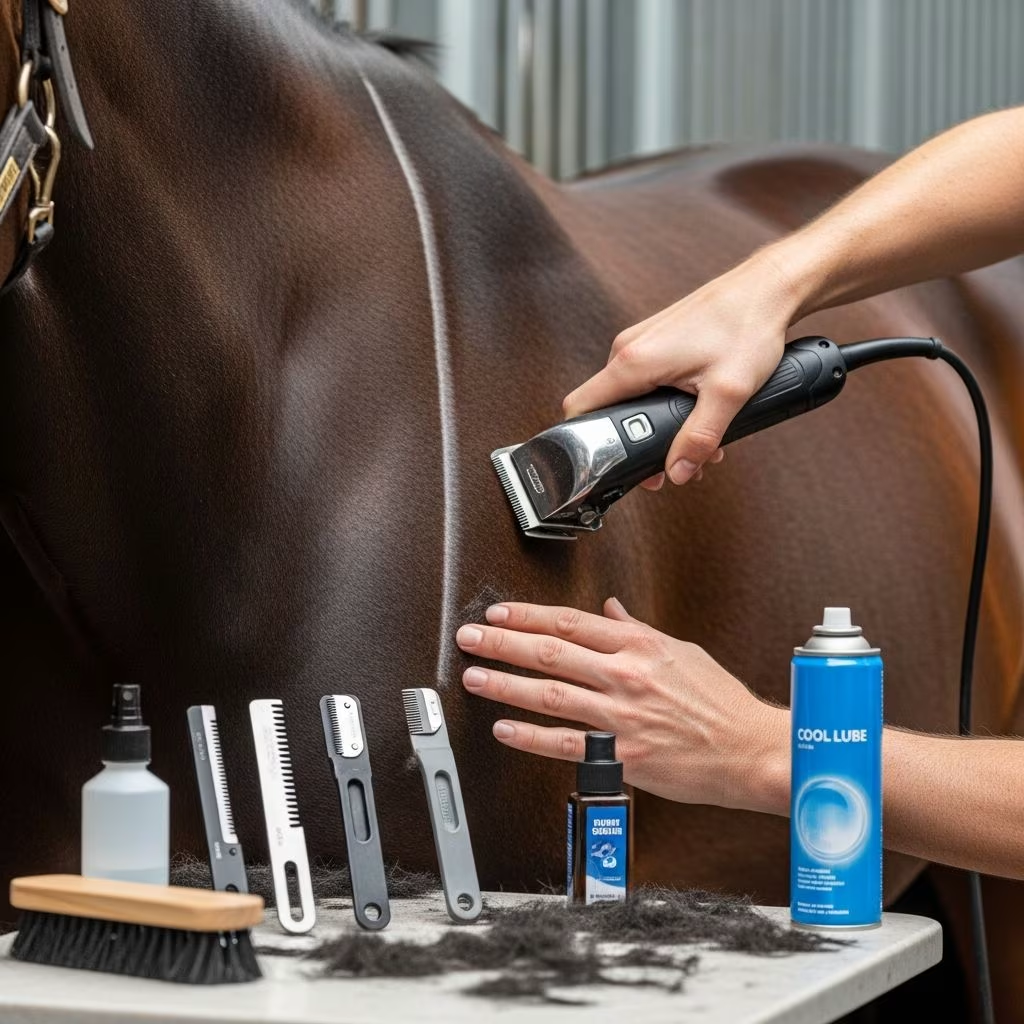
Clippers
There are several types of clippers to consider:
- Body clippers: Larger and more powerful clippers designed to cut through thick coats quickly and easily. These are ideal for covering large areas of the body efficiently.
- Trimmers or multi-purpose clippers: Smaller clippers suitable for the face, legs, ears, and other sensitive areas. These are quieter and allow for more precise control in delicate regions.
- Multi-purpose clippers: Can be used for multiple areas of the body and often feature removable clip-on or screw-on blades, allowing you to easily change the blade length to suit your specific clipping needs.
It’s recommended to have more than one type of clipper, as using body clippers on a horse’s face or legs is not advisable. Having a trimmer or smaller multi-purpose clipper for sensitive body parts ensures both safety and quality results.
Blades
Sharp, quality blades are essential for effective clipping. Consider purchasing multiple blades so you can switch when a blade is getting too hot or not cutting well, allowing you to finish your job without interruption. Dull blades pull hair rather than cutting it cleanly, causing discomfort to your horse and resulting in poor clipping quality.
Maintenance Supplies
Keep the following maintenance items on hand:
- Blade oil and coolants to protect your clippers and keep blades cool during use
- Clippers wash for cleaning equipment between uses and after clipping sessions
- Soft or long-bristled brushes to sweep hair out of the clipper blades
- Grooming chalk or regular chalk for outlining patterns and keeping designs even on both sides
Preparation and Planning
Before you begin clipping, proper preparation is essential for success. Start with a clean, dry coat, as clipping is much easier and more effective when the hair is not wet or dirty. Bathe your horse at least 24 hours before clipping to allow the coat to dry completely and settle.
Plan your clipping strategy carefully. When clipping your horse, plan to clip in a grid-like pattern. If you are doing a trace clip or a full-body clip, try to start your clipping paths as low on the horse’s body as possible. This will allow you to keep even pressure and achieve a better finished result. Use chalk to outline your clipping pattern, helping to keep your pattern even on both sides of your horse.
Consider the time you’ll need for the project. A full-body clip can take several hours, so set aside adequate time and work during daylight hours. Have treats available nearby—if your horse needs reassurance or may get fussy during the process, treats can help diffuse any anxious situations.
Step-by-Step Clipping Technique
Mastering proper clipping technique ensures professional results and a comfortable experience for your horse.
Getting Started
Start the clipping process at your horse’s shoulder. Large, muscled areas are easiest to clip and can help you get accustomed to using the clippers. Run the clippers against the grain of the hair in long, smooth strokes. It’s crucial to overlap your clipping strokes slightly to avoid leaving unsightly strips of uncut hair behind.
Body Clipping
Continue clipping along your horse’s back, sides, and quarters, maintaining consistent pressure and direction. Work systematically across the body, following your planned pattern. When clipping looser skin, such as on your horse’s chest or belly, gently pull it taut with your hand as you clip. This prevents the skin from folding and being accidentally cut. Always remember your safety—don’t kneel or lean down in an area where your horse can kick, particularly around the hindquarters.
Head and Ears
Use smaller, quieter clippers on your horse’s head. Start along the jaw or cheekbone and proceed carefully. Leave smaller, more sensitive areas such as the ears, muzzle (if you decide to trim this area), and eyes for last. When clipping the outer ears, gently squeeze them closed and clip the hair poking from inside and around the base upward, taking care not to catch the delicate skin.
Mane and Topline
When clipping around the mane, invert the clippers so you can clip downward against the hair. Hold the clippers in one hand and hold down the mane with the other; this prevents the mane from getting caught in the blades. Proceed in this manner along the entire mane and topline.
Difficult Areas
Special attention should be given to challenging areas. Elbows are easier to clip cleanly when you pull the skin taut. You can either hold the skin above or below the elbow to clip or have a helper hold the horse’s front leg for you so you can clip behind the elbow. Take your time with these areas to ensure an even, professional appearance.
Professional Tips and Tricks
Experienced handlers use several techniques to achieve excellent clipping results:
- Use chalk for pattern outlines: For clips with patterns that need to match on both sides, use grooming chalk or regular chalk to outline your clipping pattern. This is also good for simple, fun patterns you may want to add to the standard clips.
- Have backup blades: Always have a second set of blades on hand. This way you can swap blades if the first set is too hot or not cutting well, preventing interruptions to your work.
- Keep treats nearby: If your horse needs reassurance or may get fussy, treats can be excellent motivators and help maintain a positive experience.
- Invest in quality tools: Using heavy-duty body clippers for the main work is most efficient. Have a smaller multi-purpose clipper or trimmer handy for heads, legs, or hard-to-reach areas.
- Maintain proper technique: Always run clippers against the grain in long, even strokes. Overlap slightly to avoid leaving lines of uncut hair.
- Work systematically: Create a plan before you start and work methodically through it to ensure consistent results and avoid missing areas.
Frequently Asked Questions
Q: When is the best time to clip my horse?
A: The best time depends on your horse’s workload and your climate. Early fall is ideal for most horses, allowing them to benefit from clipping during heavy work and warm weather while maintaining enough coat growth for winter. Mid-winter clipping may be necessary for horses in intense work.
Q: How often do horses need to be clipped?
A: Most horses are clipped once or twice per year. Once clipped, the hair will regrow naturally over several weeks to months depending on the season and individual horse. As your horse’s hair grows back, you may need touch-up clipping in certain areas.
Q: Can I clip my horse myself?
A: Yes, with proper training, tools, and patience, many horse owners successfully clip their own horses. Start with simpler patterns like a trace clip before attempting a full-body clip, and consider watching educational videos or having an experienced handler demonstrate the technique first.
Q: What should I do if my horse is nervous about clipping?
A: Introduce your horse to the clippers gradually. Let them hear the sound without the clippers touching them. Start with a trace clip, which removes less hair and is less overwhelming. Use treats and positive reinforcement, and work in short sessions if necessary.
Q: Do clipped horses need blankets?
A: Most clipped horses will need blankets, especially during colder months or when turned out. The extent of blanketing depends on the clipping pattern, your climate, and whether the horse is in work. Horses with full-body clips require the most blanketing protection.
Q: How do I care for my clippers after use?
A: Clean your clippers thoroughly after each use, removing hair and debris. Oil the blades regularly according to manufacturer recommendations, and keep them in a dry, safe location. Have blades sharpened professionally when they become dull.
Conclusion
Horse clipping is a valuable skill that enhances your horse’s comfort, appearance, and performance. By understanding the various clipping patterns available, investing in quality tools, and mastering proper technique, you can achieve professional results that keep your horse looking and feeling their best. Remember to assess your horse’s needs throughout the season, stay flexible with your approach, and don’t hesitate to modify patterns to suit your specific situation. With practice and patience, you’ll develop confidence in your clipping abilities and be able to maintain your horse’s coat with ease.
References
- Horse Clipper Patterns and When to Use Them — PetMD. 2024. https://www.petmd.com/horse/grooming/horse-clipper-patterns-and-when-use-them
- Ultimate Horse Clipping Guide – From Trace to Full Body Clip — SmartPak Equine. 2024. https://www.smartpakequine.com/content/horse-clipping-guide
- Your Guide to Clipping Your Horse (Tips and Tricks) — Schneiders. 2024. https://www.sstack.com/blog/grooming/tips-and-tricks-for-clipping-you-horse/b/r0107/
- How to Body Clip a Horse: Tips and Patterns — Equus Magazine. November 16, 2023. https://mynewhorse.equusmagazine.com/2023/11/16/how-to-body-clip-a-horse-tips-and-patterns/
- Horse Body Clipping Guide 2024: Essential Tips, Techniques & Tools — Arendahl Farm. November 21, 2024. https://arendahlfarm.com/2024/11/21/horse-body-clipping-guide-2024-essential-tips-techniques-tools/
- Body Clipping Horses: Clip Patterns & Complete Guide — Riding Warehouse. 2024. https://www.ridingwarehouse.com/lc/training/equine-clipping/how-to-body-clip-your-horse.html
- Mastering Horse Clipping: Essential Techniques for Perfecting The Irish and Blanket Clips — Just Horse Riders. 2024. https://www.justhorseriders.co.uk/blogs/news/mastering-horse-clipping-essential-techniques-for-perfecting-the-irish-and-blanket-clips



