

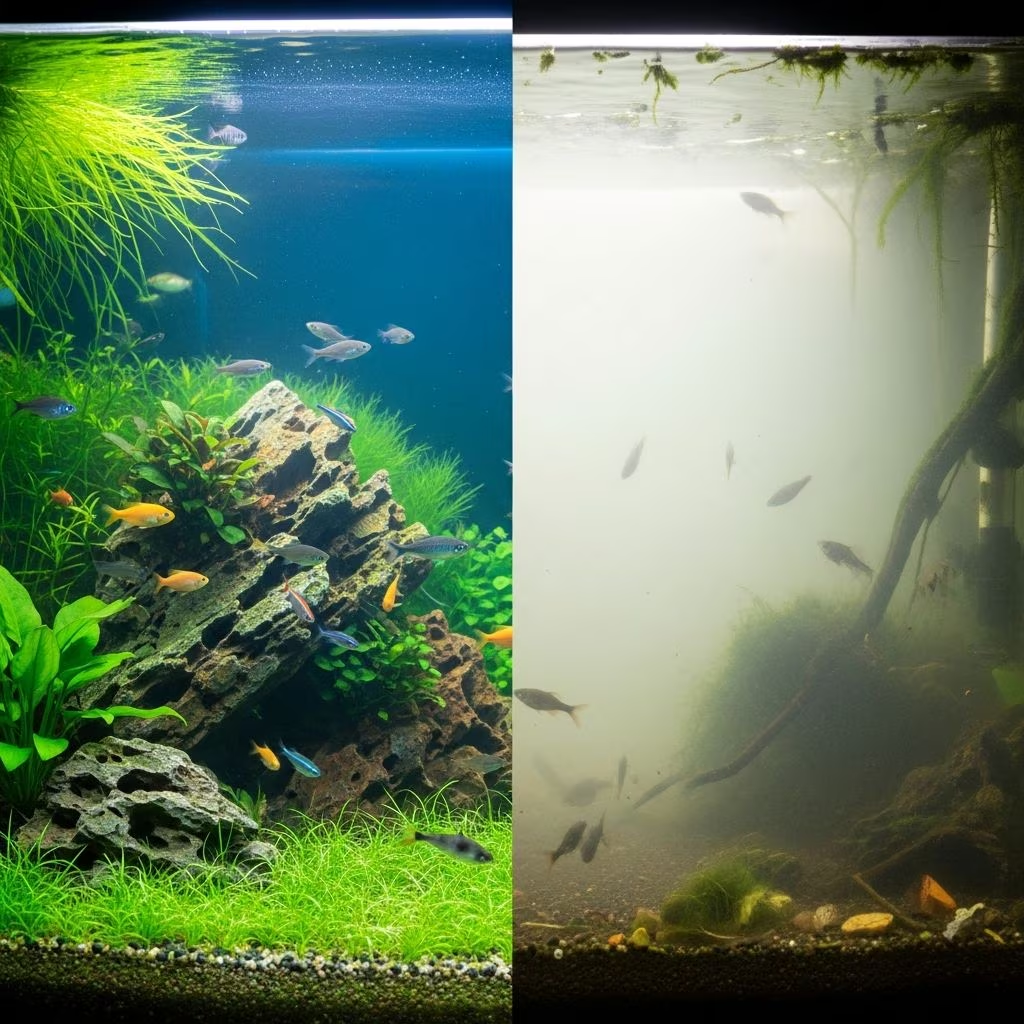
How to Clear Cloudy Water in Your Fish Tank
Cloudy water in your fish tank can be frustrating and concerning for any aquarium enthusiast. Whether you’re dealing with a new setup or an established tank, understanding the causes and solutions will help you restore crystal-clear water and maintain a healthy environment for your fish. This comprehensive guide explores the most effective methods to eliminate cloudy water and prevent it from returning.
Understanding Cloudy Water: What Causes It?
Before you can fix cloudy water, it’s essential to identify what’s causing the problem. Cloudy water typically falls into several categories, each requiring a different approach. The most common causes include bacterial blooms, suspended particulates, algae growth, and chemical imbalances. By determining the type of cloudiness you’re experiencing, you can apply the most effective solution.
Bacterial Blooms
One of the most frequent causes of cloudy water in new aquariums is a bacterial bloom. When you first set up your tank, beneficial bacteria haven’t had time to establish themselves, allowing harmful microbes to proliferate. This creates a milky or hazy appearance that can last for several days or even weeks if left untreated. Bacterial blooms are particularly common in new tanks without established biological filtration.
Suspended Particulates
Fine particles floating in your water can create cloudiness that looks similar to bacterial blooms but has different causes. Unwashed substrate releases dust when first added to the tank. Similarly, stirring up your substrate during cleaning or vigorous fish activity can kick up settled debris. Inadequate mechanical filtration or clogged filter media may also fail to remove these particles effectively, causing water to remain cloudy.
Green Water and Algae Blooms
Green water results from a combination of excess light and nutrients in your tank. Too much food, fish waste, and inadequate water changes create ideal conditions for algae to bloom. Unlike bacterial cloudiness or particulate matter, green water requires different treatment approaches because algae cells are living organisms that need photosynthesis to survive.
Tannins and Chemical Issues
Brown or tea-colored water often indicates tannins leaching from driftwood, peat moss, or other organic materials. While not harmful to most fish, excess tannins can reduce water clarity and affect water chemistry. Additionally, certain additives like some alkalinity supplements or medications can temporarily cloud water as they dissolve or precipitate.
Diagnosing Your Specific Water Cloudiness
The first step in solving your cloudy water problem is accurate diagnosis. Pour some tank water into a white bucket or cup to examine the color and consistency without visual interference. This simple technique reveals whether the cloudiness is milky-white (bacterial bloom), greenish (algae), brownish (tannins), or grayish (particulates). Understanding what you’re looking at helps determine the best treatment strategy.
Solutions for Bacterial Blooms and New Tank Syndrome
If you’ve recently set up your aquarium and notice milky water, you’re likely experiencing new tank syndrome caused by bacterial blooms. Several strategies can help establish a healthy bacterial balance quickly.
Seed Your Aquarium with Beneficial Bacteria
One of the most effective approaches is seeding your new tank with beneficial bacteria from an established aquarium. You can do this by adding substrate from a mature tank to your new gravel, spreading it evenly across the bottom. This introduces the necessary microorganisms to establish a healthy ecosystem, clearing the water more quickly by bringing the bacteria population into balance.
Add Activated Carbon Media
Activated carbon is highly effective at removing dissolved organic compounds that contribute to bacterial blooms and water haziness. Adding activated carbon media or carbon pads to your filter helps absorb nutrients that feed problematic bacteria while improving overall water clarity. The carbon works by adsorbing particles and dissolved substances, trapping them within its porous structure.
Perform Regular Water Changes
Rather than doing one large water change, perform smaller changes of 20 percent every day or every other day. Large water changes can actually prolong cloudiness by disrupting the nitrogen cycle and removing beneficial bacteria along with the waste. Small, frequent changes support oxygenation and help stabilize your biological filtration while gradually reducing nutrient levels that feed bacterial blooms.
Reduce Fish Population
Overstocking your tank exacerbates bacterial blooms by increasing waste and food for microbes. More fish produce more ammonia and waste, creating excessive nutrients that fuel bacterial growth. When setting up a new tank, introduce fish gradually and avoid adding too many at once. This allows your biological filtration to keep pace with the bioload.
Limit Feeding
Excess food that falls to the substrate and decays contributes significantly to bacterial blooms. During the cloudiness phase, consider reducing feeding or stopping entirely for one or two days. This limits excess nutrients in the water and helps your filter keep up with organic waste removal. Once water clears, resume normal feeding schedules gradually.
Clearing Suspended Particulates and Debris
If your water appears hazy but not milky, and you’re seeing fine particles, you’re likely dealing with suspended debris rather than a bacterial bloom. This type of cloudiness typically clears more quickly with the right mechanical filtration approach.
Thoroughly Rinse New Substrate
Before adding any new sand or gravel to your tank, rinse it thoroughly with fresh or RO/DI water until the water runs completely clear. Fill a bucket with substrate, add water, stir vigorously, and pour off the cloudy water. Repeat this process multiple times until no silt or dust remains. This critical step prevents introducing massive amounts of debris into your tank that would cloud the water immediately and clog your filter.
Upgrade Your Mechanical Filtration
Installing a filter sock or fine filter pad rated between 100-200 microns can trap suspended particles effectively. Clean or swap out these filter media daily, and if necessary, multiple times per day until cloudiness subsides. Fine floss and prefilter sponges work similarly, catching particles before they recirculate in your tank. Ensure your filter media isn’t clogged; a saturated filter cannot remove additional particles.
Install a Water Polishing Reactor
For stubborn particulate cloudiness, a water polishing reactor using a 1-5 micron sediment filter is highly effective. These systems recirculate aquarium water through ultra-fine filtration media, capturing suspended debris that standard filters miss. This method can also remove dinoflagellates, diatoms, and even some disease-causing parasites, providing additional benefits beyond water clarity.
Regular Substrate Vacuuming
Detritus and trapped waste accumulate in substrate over time, creating a reservoir of particles that can cloud water. Use an aquarium siphon to vacuum your substrate during regular water changes. If your substrate hasn’t been cleaned in a while, start slowly by cleaning only a 12-inch square area at a time, waiting two weeks between cleanings to avoid disrupting your biological filtration too dramatically.
Addressing Green Water and Algae Blooms
Green water requires different treatment because it results from living algae cells, not particles or bacteria. This type of cloudiness won’t clear with filtration alone because algae cells pass through most mechanical filters.
UV Sterilization
UV sterilizers are highly effective for clearing green water quickly. The ultraviolet light changes the cellular structure of algae cells so they cannot reproduce. After UV treatment, perform multiple water changes over time to remove the dead algae. UV sterilizers also help control bacterial blooms and can eliminate some disease-causing parasites, making them valuable long-term investments.
Reduce Light Exposure
Since algae requires photosynthesis to survive, reducing light can help. Some aquarists perform a blackout by wrapping the tank in a blanket and turning off lights for 7-10 days, then conducting a large water change to remove dead algae. While effective, this method risks harm to plants and fish, making UV sterilization a safer alternative.
Control Nutrients
Green water thrives on excess nutrients from overfeeding and excessive fish waste. Reduce feeding amounts, avoid overstocking, and maintain regular water change schedules to keep nutrient levels in check. Using plant-based filtration media like live aquatic plants can also help consume excess nutrients, starving algae of the resources it needs to bloom.
Treating Brown Water and Tannins
Brown or tea-colored water indicates tannins from driftwood or organic materials. While harmless, tannins can affect water chemistry in planted tanks and reduce clarity. Manual water changes gradually remove tannins over time, provided you eliminate the source.
Prepare Driftwood Properly
If you’ve recently added driftwood, soak it in a separate bucket of water before adding to your tank. Boiling driftwood accelerates tannin leaching. Change the soaking water regularly until the water remains clear. This pre-treatment significantly reduces the amount of tannins that will eventually leach into your aquarium.
Use Activated Carbon for Chemical Filtration
Activated carbon is highly effective at removing tannins. Place carbon in a filter bag, carbon pads, or use dedicated products like Seachem Purigen in hang-on-back or canister filters. The carbon will gradually absorb tannins, gradually clearing brown water without affecting water chemistry or requiring large water changes.
General Maintenance Strategies for Clear Water
Beyond addressing specific cloudiness causes, consistent maintenance practices keep water crystal clear long-term.
Clean Your Filter Regularly
Your filter acts like a garbage can, collecting waste as it processes water. When filter media becomes saturated with debris, it can no longer trap particles effectively. Clean your filter monthly by gently swishing media in a bucket of old tank water (never tap water, which kills beneficial bacteria). Remember that water may remain slightly cloudy for a couple hours after filter cleaning as the media re-establishes its particle-trapping ability.
Avoid Overcleaning Your Tank
While cleanliness is important, overcleaning disrupts biological filtration and can prolong cloudiness. Never clean all filter media simultaneously or stir up your entire substrate bed at once. Space out maintenance tasks over weeks to allow your biological filtration to recover between disturbances.
Improve Water Circulation
Dead spots in your tank can harbor debris and contribute to cloudiness. Use powerheads to improve water circulation, ensuring loose particles get pulled toward your filter intake. Better circulation also increases oxygenation and supports beneficial bacterial activity.
Increase Aeration
Adequate dissolved oxygen supports both fish health and beneficial bacteria. Use air stones or increase surface agitation to ensure sufficient oxygenation. As bacteria metabolize excess nutrients, they consume dissolved oxygen; adequate aeration prevents dangerous oxygen depletion.
When to Consider Water Clarifiers
Water clarifiers contain special clay or chemicals that bond with suspended debris, causing particles to clump together so they settle or get caught by filters more easily. However, water often appears cloudier temporarily as clarifier compounds bind to particles. Use clarifiers cautiously and only when other methods haven’t resolved cloudiness, as they treat symptoms rather than addressing root causes.
Prevention: Keeping Your Water Clear Long-Term
The best approach to cloudy water is prevention. Establish proper maintenance schedules, avoid overstocking and overfeeding, use quality filtration appropriate for your tank size, and perform regular water changes. Ensure new substrate is thoroughly rinsed before use, introduce fish gradually to new tanks, and seed new setups with beneficial bacteria when possible. These practices maintain stable water chemistry and biological balance, preventing the conditions that cause cloudiness.
Frequently Asked Questions
Q: How long does it take for cloudy water to clear?
A: Bacterial blooms in new tanks typically clear within one to two weeks. Particulate cloudiness may clear within a few days with proper filtration. Green water and tannins may take longer, potentially several weeks, depending on the treatment method and severity.
Q: Is cloudy water harmful to fish?
A: Cloudy water itself isn’t usually immediately harmful, but it indicates underlying issues like bacteria imbalances, poor filtration, or excess waste that can stress fish and affect water chemistry. Addressing cloudiness protects fish health.
Q: Can I use clarifiers in a tank with fish?
A: Most water clarifiers are safe for fish when used as directed. However, they work best as temporary solutions while addressing root causes. Always follow product instructions carefully.
Q: Should I do a large water change to clear cloudy water?
A: Large water changes often prolong cloudiness by disrupting beneficial bacteria and the nitrogen cycle. Instead, perform small 10-20 percent changes every few days to gradually improve water clarity while maintaining biological balance.
Q: Why is my new tank still cloudy after a week?
A: Persistent cloudiness may indicate inadequate filtration, continued overfeeding, overstocking, or improper rinsing of substrate. Evaluate each factor and adjust accordingly. Seeding with beneficial bacteria accelerates clarification.
Q: Can live plants help clear cloudy water?
A: Yes, live plants consume excess nutrients and support the nitrogen cycle, helping reduce conditions that cause cloudiness. They’re particularly helpful in established tanks as part of a comprehensive approach to water clarity.
References
- Why Is My Saltwater Tank Cloudy? Causes & Easy Fixes — Bulk Reef Supply. 2025. https://www.bulkreefsupply.com/content/post/how-to-clear-up-cloudy-water-in-a-saltwater-aquarium
- How To Fix Cloudy Water in a New Fish Tank — Aqueon. 2025. https://www.aqueon.com/articles/how-to-fix-cloudy-tank-water-for-a-new-fish-tank
- How to Clear Up Cloudy Fish Tank Water with 5 Easy Methods — Aquarium Coop. 2025. https://www.aquariumcoop.com/blogs/aquarium/cloudy-fish-tank
- How to Get Rid of Cloudy Water in a New Fish Tank — Aquacadabra. 2025. https://aquacadabra.com/blogs/news/cloudy-water-in-fish-tank-causes-solutions



