

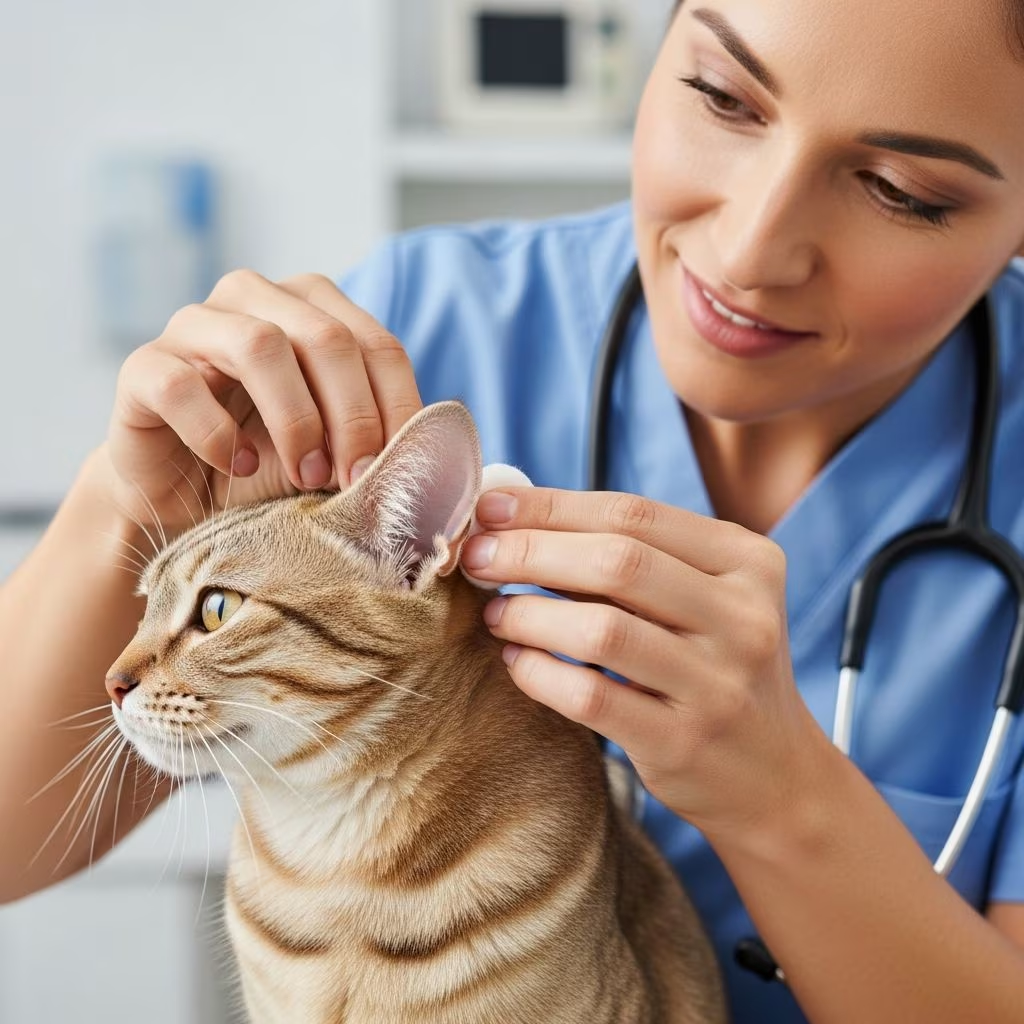
Keeping your cat’s ears clean is an essential part of grooming that can prevent discomfort, infections, and more serious health issues. Many cat owners overlook ear care, but regular checks and cleanings can make a big difference in your pet’s well-being. In this comprehensive guide, Dr. Karyn shares her expert veterinary tips on how to clean your cat’s ears safely at home, what supplies to use, when it’s necessary, and important precautions to take. Whether your cat has waxy buildup or you’re doing routine maintenance, these steps will help you do it right.
Why Ear Cleaning Matters for Cats
Cats are generally fastidious groomers, but their ears can accumulate wax, debris, and moisture, leading to potential problems. Unlike dogs, cats have sensitive ear structures, and improper cleaning can cause harm. Dr. Karyn emphasizes that not every cat needs frequent cleanings—only those showing signs of buildup or recommended by a vet. Clean ears contribute to overall health by reducing the risk of otitis externa, a common ear infection in felines.
Ear issues can stem from allergies, mites, or poor ventilation in floppy-eared breeds. Regular inspection allows early detection. According to veterinary guidelines, healthy cat ears should appear pink, clean, and odor-free. Any deviation warrants attention.
When Do Cats’ Ears Need to Be Cleaned?
Not all cats require weekly ear cleanings. Dr. Karyn advises cleaning only when necessary to avoid disrupting the ear’s natural protective barrier. Signs that your cat’s ears need attention include:
- Excessive dark wax or debris buildup.
- Bad odor emanating from the ears.
- Scratching, head shaking, or rubbing ears on surfaces.
- Redness, inflammation, or discharge.
- Hair loss around the ears or sensitivity to touch.
Perform a weekly visual check: Gently fold back the ear flap and look inside. The ear canal should be visible and relatively clean. If it’s packed with wax, like in the case of Clutch the cat demonstrated by Dr. Karyn, cleaning is advised. Cyril, another cat in the demo, had clean ears and needed no intervention, highlighting the importance of assessment over routine cleaning.
For kittens or cats with chronic issues, consult your vet first. Breeds like Persians or Scots Folds may need more frequent care due to ear shape.
What You’ll Need for Cat Ear Cleaning
Gather your supplies before starting to ensure a smooth process. Dr. Karyn recommends cat-specific, vet-approved products to avoid irritation. Here’s a complete list:
| Item | Purpose | Tips |
|---|---|---|
| Vet-recommended ear cleaner | Safely dissolves wax and debris | Choose alcohol-free, non-irritating formulas; avoid human products. |
| Reusable makeup pads or cotton pads | Gentle wiping without lint | Soft and absorbent; better than balls for control. |
| Cotton buds (swabs) | Cleaning outer nooks and crannies | Use sparingly; never insert into canal. |
| Ear drops (if prescribed) | Treating infections or deep cleaning | Vet-prescribed only. |
| Treats or rewards | Positive reinforcement | High-value treats to end on a good note. |
Prepare a calm environment with good lighting. Have a helper if your cat is wiggly. Always test products on a small area first.
Important Note on Cotton Buds
Cotton buds are handy but risky. Dr. Karyn warns against inserting them into the ear canal, as cats’ canals are L-shaped and delicate, leading to potential eardrum damage or impaction. Some vets advise avoiding them entirely, but they excel at cleaning the outer ear’s ‘nooks and crannies’—knobbly areas outside the canal where wax hides.
To use safely:
- Visualize the canal first: It angles toward the face.
- Stay strictly external.
- Compare to clean ears like Cyril’s to gauge buildup.
In Clutch’s demo, cotton buds removed significant wax from outer areas without entering the canal, proving their value when used correctly.
Step-by-Step: How to Clean Your Cat’s Ears
Follow these vet-approved steps for a stress-free clean. Dr. Karyn demonstrates with real cats for practical insight.
Step 1: Assess and Prepare
Examine both ears. If infected or ruptured eardrum suspected, stop and see a vet. Secure your cat gently but confidently—hesitation can spook them.
Step 2: Wipe with Ear Cleaner on a Pad
Soak a pad in cleaner. Firmly but gently rub the outer ear, including folds. Dr. Karyn uses vigorous motion on Clutch, who tolerates it well. This loosens debris without liquid in the canal, reducing objection.
Step 3: Use Cotton Buds on Outer Areas
Dip buds in cleaner sparingly. Target outer crevices only. You’ll see wax emerge, as with Clutch’s ‘disgusting’ buildup.
Step 4: Apply Drops if Needed
For deeper issues, after vet approval, add drops directly into the canal. Massage the base to distribute. Cats like Clutch may dislike the sensation initially but enjoy the subsequent rub.
Step 5: Reward Liberally
End with praise and treats. This builds positive association, making future sessions easier.
Repeat for the other ear. Total time: 5-10 minutes.
Common Mistakes to Avoid
- Cleaning too often, stripping natural oils.
- Using Q-tips in the canal.
- Human cleaners or alcohol, causing burns.
- Ignoring vet check for drops.
- Not drying ears fully post-clean or bath.
Over-cleaning can lead to infections. Frequency: Weekly checks, clean as needed.
Signs of Ear Problems and When to See a Vet
Ear cleaning is preventive, but issues like mites (coffee-ground debris), yeast, or bacteria require professional care. Symptoms include:
- Painful yelping when touched.
- Head tilt, balance loss (inner ear).
- Bloody or pus-like discharge.
- Fever or lethargy.
Vets diagnose via cytology or culture. Never self-treat infections. Dr. Karyn stresses pre-cleaning vet exams for drops.
Tips for Cats Who Hate Ear Cleaning
- Start slow with handling sessions.
- Use pheromone sprays for calm.
- Try different methods: Pads vs. drops.
- Enlist help for restraint.
- Make it a game with toys post-clean.
Confidence is key—cats sense hesitation. Clutch enjoys it due to firm handling and massage.
Preventive Ear Care Routine
Incorporate ear checks into grooming. Dry ears after baths or swims. Feed balanced diets supporting skin/ear health. For allergy-prone cats, hypoallergenic food helps.
Monitor high-risk cats (outdoor, floppy ears) daily.
Frequently Asked Questions (FAQs)
Q: How often should I clean my cat’s ears?
A: Only as needed, based on buildup. Weekly checks suffice for most; consult vet for chronic cases.
Q: Can I use baby wipes or water?
A: No. Use vet-approved cleaners only to avoid irritation or residue.
Q: What if my cat scratches during cleaning?
A: Stop, reassess for pain. See vet if persistent; could indicate mites or infection.
Q: Are ear cleanings safe for kittens?
A: Yes, after 8 weeks, but gentler and vet-guided.
Q: Does breed affect ear cleaning needs?
A: Yes, folded-ear breeds like Scottish Folds need more frequent care.
Final Thoughts from Dr. Karyn
Ear cleaning is straightforward with the right approach. Prioritize reason, vet input, and your cat’s comfort. Happy, healthy ears mean a purring companion. Reward good behavior to keep it positive.
References
- Merck Veterinary Manual: Otitis Externa in Cats — Merck & Co., Inc. 2023-05-15. https://www.merckvetmanual.com/cat-owners/ear-disorders-of-cats/otitis-externa-in-cats
- American Veterinary Medical Association: Ear Care for Pets — AVMA. 2024-02-10. https://www.avma.org/resources-tools/pet-owners/petcare/ear-care-pets
- WSAVA Global Nutrition Guidelines: Feline Ear Health — World Small Animal Veterinary Association. 2022-07-01. https://wsava.org/global-guidelines/nutrition-toolkit/
- How to Clean Cat Ears at Home (Video Transcript) — Catster/Dr. Karyn. 2024-06-20. https://www.youtube.com/watch?v=PK5pRlHnRaM
- PetMD: Cat Ear Infections — PetMD (Veterinary Partner). 2025-01-05. https://www.petmd.com/cat/conditions/ears/c_ct_otitis_media_interna
- CDC Veterinary Zoonoses: Ear Mites in Cats — Centers for Disease Control. 2023-11-12. https://www.cdc.gov/parasites/earmites/index.html



