

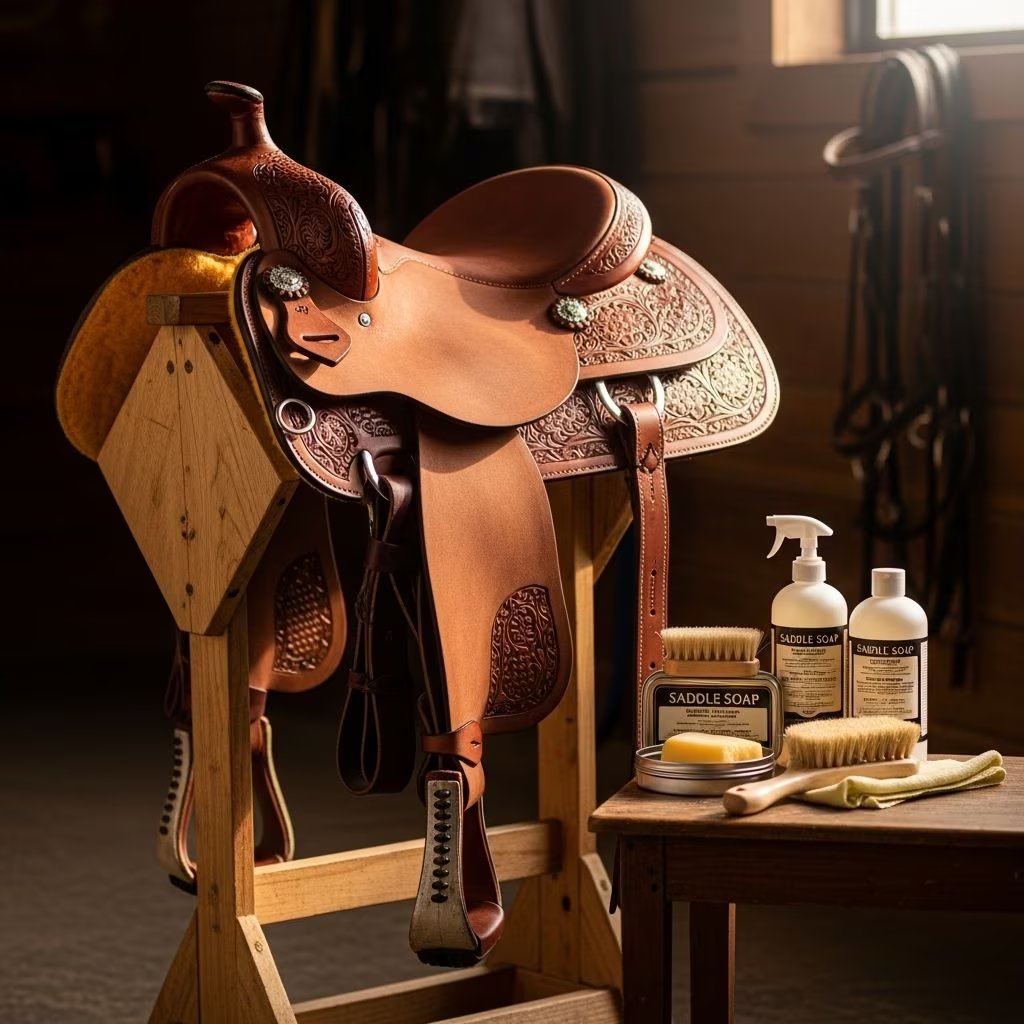
How to Clean a Horse Saddle: Complete Care Guide
A well-maintained saddle is essential for both your horse’s comfort and your safety while riding. Regular cleaning not only keeps your saddle looking its best but also extends its lifespan and preserves the quality of the leather. Whether you’re a seasoned equestrian or new to horse ownership, understanding how to properly clean your saddle is a fundamental skill that every horse owner should master. This comprehensive guide will walk you through everything you need to know about saddle cleaning and maintenance.
Why Regular Saddle Cleaning Matters
Your saddle endures significant stress during each ride. Sweat, dirt, dust, and grime accumulate on the leather surface and in hard-to-reach areas, potentially damaging the material over time. When left untreated, these substances can break down the leather fibers, cause discoloration, and create an environment where mold and mildew thrive. Regular cleaning prevents these issues, maintains the saddle’s structural integrity, and ensures optimal comfort for your horse. Additionally, a clean saddle is more pleasant to work with and helps you spot any potential damage or wear that might require professional repair.
Essential Supplies for Saddle Cleaning
Before you begin the cleaning process, gather all necessary supplies. Having everything on hand ensures an efficient and thorough cleaning session.
Required Materials
Soft Brush: A soft-bristled brush is essential for removing loose dirt and debris without scratching or damaging the leather surface. Natural bristle brushes work particularly well for this purpose.
Saddle Soap: Choose a mild saddle soap or glycerin soap specifically formulated for leather care. These products are gentler than regular household soap and won’t strip the leather of its natural oils. Quality saddle soap not only cleans but also helps condition the leather.
Clean Cloths and Sponges: Use lint-free cloths and soft sponges for applying soap and wiping down your saddle. Microfiber cloths are excellent choices as they don’t leave residue and are highly absorbent.
Warm Water: Always use lukewarm or cool water for cleaning. Hot water can damage leather and cause it to crack or become brittle. A small bucket or container is ideal for holding your cleaning solution.
Leather Conditioner: After cleaning, a quality leather conditioner restores moisture and maintains the saddle’s suppleness. This step is crucial for preventing leather from drying out and cracking over time.
Additional Tools: Keep a toothbrush handy for cleaning stitching and tight areas, and have several clean, dry towels available for the drying process.
Step-by-Step Saddle Cleaning Process
Step 1: Prepare Your Saddle
Begin by removing all removable fittings from your saddle. Unfasten all buckles, remove the stirrups, and detach any other non-leather components. This gives you better access to all areas of the saddle and allows you to clean the metal parts separately if needed. Metal fittings can soak in a bucket of warm soapy water while you focus on the leather. This preparation step also provides an opportunity to inspect the overall condition of your saddle and identify any areas that need special attention.
Step 2: Remove Loose Dirt and Debris
Using your soft brush, gently remove any loose dirt, dust, hair, mud, or other debris from the saddle’s surface. Pay special attention to crevices, stitching, and hard-to-reach areas where dirt tends to accumulate. Work in small sections, brushing in circular motions. This initial step is critical because mixing loose dirt with your cleaning solution will create mud, which can be more difficult to remove and may damage the leather.
Step 3: Prepare Your Cleaning Solution
Fill your bucket with lukewarm water and add an appropriate amount of saddle soap. The exact amount depends on the product you’re using, so follow the manufacturer’s instructions. Wet your cloth or sponge, wring out excess water, and rub it on the saddle soap bar to create a lather. Ensure the soap is evenly distributed on your cloth before application. You want a good lather but not an overly wet cloth, as excessive moisture can damage leather.
Step 4: Clean the Saddle
Using your lathered cloth or sponge, gently scrub the saddle with small circular motions. Work on one section at a time, paying special attention to areas that accumulate more sweat and grime, such as the seat, panels, and underneath the flaps. Include the undersides of the leather in your cleaning process. Avoid suede areas if your saddle has them—these require different care. Don’t press too hard; let the soap do the work. If your cloth becomes too dirty, rinse it out and reapply fresh soap solution. The goal is to clean with cleaner, not with dirt.
Step 5: Clean Tight Areas
Use a toothbrush to clean the stitching, areas around the candleback, and other tight spaces where debris accumulates. Gently scrub these areas with your lathered brush. This step is often overlooked but is crucial for a truly clean saddle. Pay special attention to the curves near buckles and trim where sweat can gather.
Step 6: Rinse and Remove Soap Residue
Rinse your cloth thoroughly and wring out excess water. Using a damp cloth, wipe down the entire saddle to remove soap residue. This step is critical—soap left on the saddle can damage the leather over time. Repeat rinsing if necessary until no suds remain and the saddle feels clean. Use a cotton swab to reach tight, hard-to-reach areas. Wipe the crevices and folds carefully, as residue tends to accumulate in these spots.
Step 7: Dry Your Saddle
Use clean, dry towels or cloths to gently pat the saddle and absorb excess moisture. Avoid rubbing vigorously, as this can drive water deeper into the leather. Allow the saddle to air dry naturally in a well-ventilated area, away from direct sunlight and artificial heat sources. Sunlight and heat can cause leather to become brittle and crack. Ideally, allow at least 24 hours for complete drying before applying conditioning products.
Step 8: Condition the Leather
Once the saddle is completely dry, apply a quality leather conditioner following the manufacturer’s instructions. Use a clean cloth or sponge to evenly distribute the conditioner across the leather, focusing on areas prone to dryness or cracking. Conditioning restores moisture to the leather and maintains its supple texture, extending the life of your saddle significantly.
Caring for Saddle Pads and Accessories
Cleaning Saddle Pads
Before washing your saddle pad, remove any loose hair, dirt, or debris by using a stiff brush or your hands. This prevents the washer from clogging and ensures more effective cleaning. For hand washing, fill a large bucket with cold or lukewarm water, add mild detergent, and gently agitate the pad. For stubborn stains, pre-treat with a mild stain remover before washing.
After washing, rinse thoroughly until water runs clear and no suds remain. Gently squeeze out excess water without wringing or twisting, as this can cause the pad to lose its shape. Pat dry with towels and allow to air dry completely in a well-ventilated area.
Maintaining Metal Fittings
While your saddle leather dries, clean your metal fittings by soaking them in warm soapy water. Use a soft brush to remove any dirt or corrosion. Dry thoroughly with a clean cloth. For stubborn tarnish on silver fittings, use a specialized silver cleaner following product instructions.
Special Considerations for Different Saddle Types
English Saddles
English saddles, including hunter, jumper, and dressage styles, typically feature more delicate leather and intricate stitching patterns. Pay particular attention to cleaning the underside of flaps and panels. Use a soft touch around all stitching to avoid loosening threads. The seat area usually requires extra attention due to heavy sweat accumulation.
Western Saddles
Western saddles often have more leather surface area and may include decorative elements that require careful cleaning. The deep seat and horn area can trap significant dirt and sweat. Use your toothbrush liberally in these areas. Many Western saddles benefit from heavier oiling after cleaning to maintain their finish.
Synthetic Leather Saddles
Synthetic leather requires slightly different care than genuine leather. Use warm water mixed with gentle soap for cleaning. For thick, stuck-on dirt, a soft brush and warm water can be used. Rinse thoroughly and allow to air dry in the sun if possible. Synthetic materials are generally more durable but still benefit from regular conditioning with products specifically designed for synthetic leather.
Storage and Long-Term Maintenance
Once your saddle is clean and dry, store it properly to maintain its condition. Keep it in a clean, dry location away from extreme temperature fluctuations and direct sunlight. Use a saddle cover or bag to protect it from dust, sunlight, and moisture when not in use. A properly stored saddle can remain in excellent condition for years with regular cleaning.
Implement a regular cleaning schedule based on use frequency. Saddles used several times weekly should be cleaned weekly or bi-weekly. Occasionally used saddles might need cleaning monthly. During off-seasons, give your saddle a thorough deep cleaning before storage.
Frequently Asked Questions About Saddle Cleaning
Q: How often should I clean my saddle?
A: The frequency depends on usage. Regular use (several times weekly) warrants weekly or bi-weekly cleaning. Occasionally used saddles benefit from monthly cleaning. Always clean your saddle after riding in rain or very dusty conditions.
Q: Can I machine wash my saddle?
A: No, machine washing is not recommended for leather saddles as it can damage the leather, loosen stitching, and cause structural problems. Always hand wash using gentle methods with appropriate leather cleaning products.
Q: What should I do if my saddle gets wet from rain?
A: Allow it to air dry naturally away from direct heat and sunlight. Once dry, clean and condition it to restore moisture to the leather. Never use artificial heat sources like hair dryers or heaters, as these can crack the leather.
Q: Can I use regular soap on my saddle?
A: Regular household soap can be too harsh and may strip natural oils from the leather. Always use saddle soap, glycerin soap, or leather cleaners specifically formulated for equestrian tack.
Q: How do I remove stubborn stains?
A: For difficult stains, use a soft brush with saddle soap and gentle scrubbing. Alcohol-based cleaners can help open leather pores for deeper cleaning. For very stubborn stains, consider consulting a professional leather cleaner.
Q: Is leather conditioning necessary?
A: Yes, conditioning is essential for maintaining leather health. It restores moisture, prevents cracking, and extends the saddle’s lifespan. Condition your saddle after each thorough cleaning or at least quarterly.
Q: Can I dry my saddle in the sun?
A: While some sun exposure is acceptable and can help dry saddle pads, prolonged direct sunlight on leather can cause it to fade and become brittle. Air dry in a shaded, well-ventilated area for best results.
Conclusion
Maintaining your horse saddle through regular cleaning and proper care is an investment in both your safety and your horse’s comfort. By following this comprehensive guide, you’ll keep your saddle in optimal condition for years to come. Consistent cleaning prevents damage, maintains the leather’s appearance, and ensures a safe, comfortable ride every time you mount up. Remember that proper saddle care is an essential aspect of responsible horse ownership, and your dedication to maintenance will be rewarded with a long-lasting, reliable piece of equipment that serves you and your horse well.
References
- A Step-by-Step Guide on How to Clean your Tack — NRS World. 2025. https://nrsworld.com/blogs/learning-center/a-step-by-step-guide-on-how-to-clean-your-tack
- How to Clean and Care for Your Saddle — Farm House Tack. 2025. https://www.farmhousetack.com/blogs/barn-blog/how-to-clean-and-care-for-your-saddle
- How to Care for Your Leather Tack — Leather Honey. 2025. https://www.leatherhoney.com/pages/how-to-care-for-your-leather-tack



