

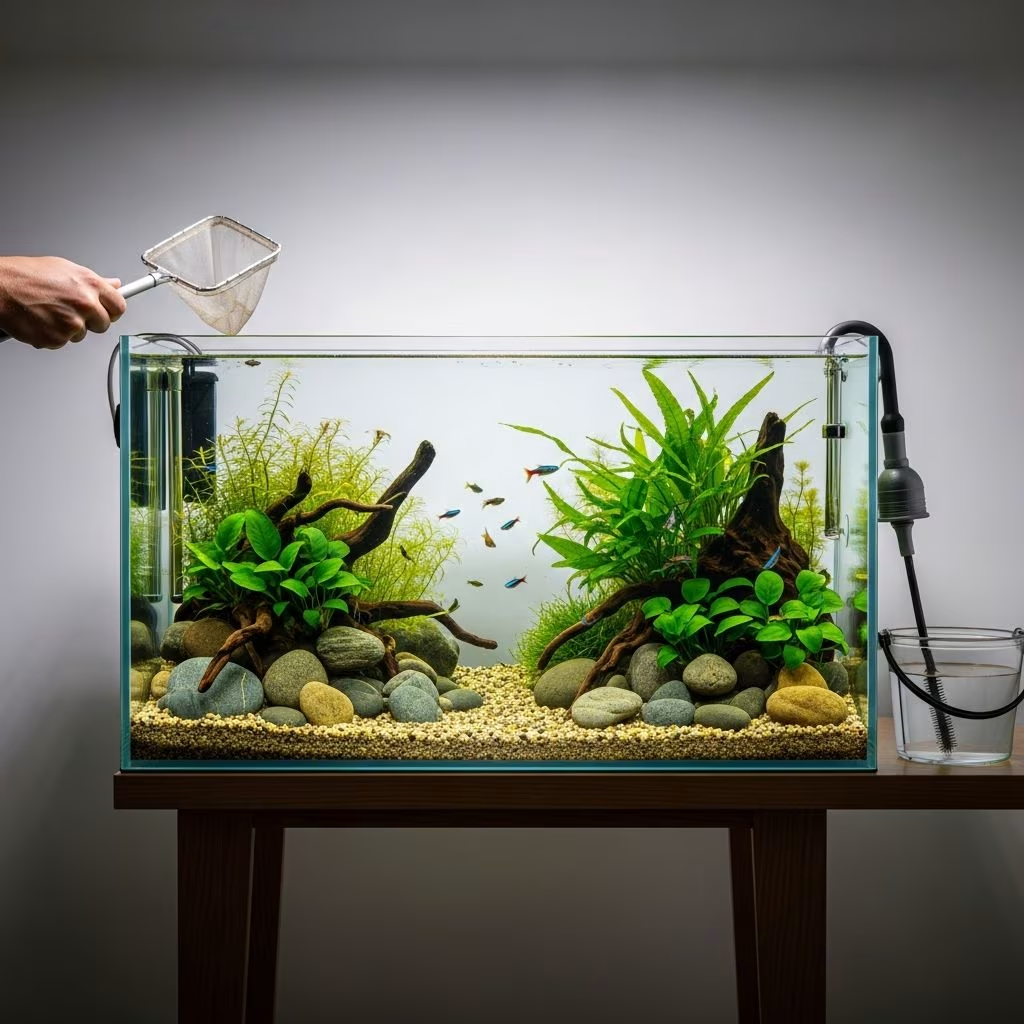
How to Clean a Fish Tank: Freshwater Tank Instructions
Maintaining a clean freshwater aquarium is essential for the health and longevity of your fish. Regular cleaning helps remove waste, excess food, and harmful chemicals that accumulate over time, creating a safer and more pleasant environment for your aquatic pets. Understanding the proper techniques and frequency of cleaning can significantly improve water quality and reduce the stress on your fish population. This comprehensive guide will walk you through each step of the cleaning process, ensuring you maintain an optimal habitat for your freshwater aquarium.
Understanding the Importance of Regular Tank Cleaning
A clean aquarium is fundamental to fish health and well-being. Fish waste, uneaten food, and decaying plant matter all contribute to the buildup of harmful compounds like ammonia and nitrite. Regular cleaning helps maintain proper water chemistry and prevents the spread of disease among your fish. Most experts recommend performing a basic cleaning every one to two weeks, removing approximately 10 to 25 percent of the tank water to maintain the biological balance established in your filtration system. Deep cleaning, which involves more thorough work on decorations and substrate, should be performed less frequently to avoid disrupting the beneficial bacteria colonies that keep your tank healthy.
Step 1: Prepare to Clean Your Aquarium
Before you begin any cleaning work, proper preparation is crucial for both your safety and your fish’s well-being. Start by washing your hands and forearms thoroughly to remove any chemicals, lotions, or contaminants that could harm your fish. This simple but often overlooked step prevents introducing harmful substances into the aquarium environment. Gather all necessary supplies before starting, including a bucket designated specifically for aquarium use, a gravel vacuum, algae scrapers or brushes appropriate for your tank material, and a thermometer to monitor water temperature.
Ensure you have fresh water conditioner on hand and any salts or additives your specific aquarium setup requires. Having everything prepared before you begin makes the cleaning process smoother and reduces the time your fish spend in a partially cleaned tank. Consider setting aside dedicated equipment for your aquarium to prevent cross-contamination from household cleaners or other chemicals.
Step 2: Turn Off Your Filter and Unplug Your Heater
One of the most critical steps in tank cleaning is safely powering down your equipment. Before removing any water or performing any work on the tank, unplug your filter and heater. Running these devices without adequate water can damage the mechanical components and potentially harm your fish. If your aquarium setup includes a sump pump or other equipment with valves, close them to prevent overflow during the cleaning process.
This safety measure protects your equipment investment and prevents dangerous situations. Heaters, in particular, can become damaged or hazardous if allowed to run dry, potentially causing burns or electrical issues. By establishing the habit of unplugging everything before beginning, you create a consistent and safe cleaning routine. Make a mental checklist of all powered equipment in your setup to ensure nothing is accidentally left running during the cleaning process.
Step 3: Clean the Inside Walls
Algae accumulation on the tank walls is inevitable over time, and regular cleaning maintains clear visibility of your fish while preventing excessive algae growth. Use an algae scraper or brush appropriate for your tank material—glass tanks can handle more abrasive scrubbers, while acrylic tanks require gentler tools to prevent scratching and cloudiness. If you’re unsure about your tank material, opt for the gentler acrylic scraper to be safe.
For stubborn algae buildup, you may use a razor blade if your tank is glass, carefully sliding it along the surfaces. Move methodically around the entire tank, working from top to bottom to allow loosened algae to settle toward the bottom where it can be removed during the gravel vacuuming step. Pay special attention to corners and areas where algae tends to accumulate most heavily. While performing this step, your fish can remain in the tank safely, though they may become excited or stressed by the activity. Work calmly and deliberately to minimize disturbance.
Step 4: Clean the Décor
Removing and cleaning decorations is an important part of maintaining your aquarium. Take all synthetic décor, plants, and ornaments out of the tank and transport them to a sink or bucket. Use a designated aquarium toothbrush or soft brush to scrub away algae and debris under hot water—never use detergent or soap, as even residual amounts can harm your fish. For heavily encrusted decorations, soak them in hot (not boiling) water for a few minutes to soften the algae buildup before scrubbing.
Don’t forget to clean your heater and other equipment that may have been submerged in the tank. Once decorations are clean, temporarily set them aside until you’re ready to return them to the tank. This is also an excellent opportunity to inspect your decorations for any signs of damage or deterioration that might require replacement. Live plants should be gently rinsed rather than scrubbed, as they can be delicate. Return cleaned decorations to the tank only after you’ve completed the water change.
Step 5: Clean the Aquarium Gravel
Gravel vacuuming is arguably the most important step in maintaining water quality, as fish waste and uneaten food accumulate in the substrate where they decompose and create ammonia and other harmful compounds. Using a gravel vacuum, work systematically across the entire tank bottom, taking up roughly one-third of the substrate with each pass. Start at one corner and work your way across, moving the siphon up and down to allow gravel to enter the tube before breaking the siphon to pull out the debris-laden water.
Position your bucket carefully to catch the siphoned water, and monitor the water level in your vacuum tube to ensure you’re not removing too much water at once. Remove no more than 25 to 50 percent of your tank water during a single cleaning session, as larger water changes can cause dramatic shifts in temperature and pH that stress your fish. Pay special attention to areas under decorations and behind plants, where debris tends to accumulate. Your fish may become curious about the vacuum activity but should not be siphoned up if you work carefully and avoid directing the tube toward them.
Step 6: Clean the Tank Filter
Your filter is the heart of your aquarium’s biological ecosystem, containing beneficial bacteria that convert harmful ammonia into less toxic compounds. When cleaning the filter, use extremely gentle handling to preserve these bacteria colonies. Squeeze out and rinse the filter pad or sponge in a container filled with the tank water you just removed—never use tap water, as chlorine kills beneficial bacteria. Simply swoosh the filter media gently in the old tank water to remove loose detritus without aggressive scrubbing.
Never replace filter media unless it is literally falling apart, as replacement resets your biological filter and compromises water quality. If replacement is necessary, never replace more than one-third of your total filter media at once, allowing beneficial bacteria to re-establish on the remaining media. Many commercial filters recommend monthly replacement, but this is unnecessary and harmful to your tank’s ecosystem. Consider using sturdy sponges as filter media rather than floss, as they last longer and maintain beneficial bacteria more effectively. Your waste water from this step makes excellent fertilizer for houseplants due to its nitrate content, so consider saving it for plant care.
Step 7: Prepare Fresh Water for Your Tank
Before adding fresh water back into your aquarium, proper preparation ensures you’re not introducing harmful chemicals or creating dangerous temperature swings. Fill a clean bucket with tap water and allow it to sit for a few minutes if possible. Use a thermometer to verify the temperature matches your tank temperature closely—this prevents shocking your fish with sudden temperature changes. Add your water conditioner according to the manufacturer’s instructions, which removes chlorine and other harmful chemicals that make tap water unsafe for fish.
If you maintain a saltwater setup within a freshwater context or have specific water chemistry needs, add appropriate salts or additives at this stage and allow them to circulate and dissolve for several minutes. The goal is to create water conditions that match your tank as closely as possible. Gently pour the prepared water into your tank, working slowly to avoid disturbing the substrate and creating excessive cloudiness. If your filter requires priming after the water change, pour water into its base according to manufacturer instructions before turning it back on.
Step 8: Return Equipment to Service
Once your aquarium is refilled with properly treated water and all cleaning tasks are complete, systematically return your equipment to operation. Plug in your heater first, allowing it a few minutes to reach operating temperature. Then activate your filter, listening carefully to ensure it’s running properly and making normal sounds. Turn on your lights and replace any tank covers. Take a moment to watch your fish carefully for signs of stress or unusual behavior—rapid gill movement, erratic swimming, or hiding could indicate problems with water chemistry or temperature.
Listen to your filtration system and verify it sounds correct and is pushing water through properly. If your filter doesn’t seem to be operating normally, you may need to prime it again by pouring water through the intake. Check all equipment connections and ensure nothing is loose or malfunctioning. Your fish should return to normal behavior within a few minutes if the cleaning was performed correctly and water conditions are appropriate.
Final Steps and Best Practices
After your tank cleaning is complete, wash your hands and forearms thoroughly to remove any residual algae, fish waste, or tank water. Dispose of your waste bucket appropriately, saving any water that will be used for plants. Continue monitoring your aquarium for the next hour to ensure all equipment is functioning properly and your fish are behaving normally. Establishing a regular cleaning schedule—whether weekly or biweekly depending on your tank size and bioload—helps maintain consistent water quality and keeps your fish healthy.
Document your cleaning routine and any observations about water quality or fish behavior to help you refine your maintenance approach over time. Consistency in maintenance is key to a thriving freshwater aquarium. Remember that different tank sizes, fish species, and bioload levels may require adjusted cleaning frequencies, so observe your specific aquarium’s needs and adapt accordingly.
Frequently Asked Questions
Q: How often should I clean my freshwater fish tank?
A: Most aquarists should perform basic cleaning weekly or biweekly, removing 10 to 25 percent of the water. Deep cleaning of decorations can be done less frequently, typically monthly or as needed. The specific frequency depends on tank size, fish species, and bioload.
Q: Can my fish stay in the tank while I clean it?
A: Yes, fish can remain in the tank during most cleaning activities. They should stay in the tank during wall scraping, gravel vacuuming, and water changes. Just work carefully to avoid startling them or accidentally siphoning them up.
Q: Why shouldn’t I use tap water to rinse my filter media?
A: Tap water contains chlorine that kills beneficial bacteria in your filter. Always rinse filter media in the old tank water you just removed to preserve these essential bacteria colonies that maintain water quality.
Q: Can I replace all my filter media at once?
A: No, never replace more than one-third of your filter media at a time. Replacing too much media resets your biological filter, causing water quality problems and fish stress. Replace media only when it’s falling apart.
Q: How much water should I remove during a water change?
A: Remove no more than 25 to 50 percent of your tank water during a single cleaning session. Larger water changes can cause dangerous temperature and pH swings that stress or harm your fish.
Q: What should I do with the water I remove during cleaning?
A: The water you remove is excellent fertilizer for houseplants due to its nitrate content. Save it for watering plants rather than pouring it down the drain.
References
- How to Maintain a Freshwater Aquarium — Fresh Water Systems. Accessed November 2025. https://www.freshwatersystems.com/blogs/blog/how-to-maintain-a-freshwater-aquarium
- How to Clean a Fish Tank the RIGHT Way in 12 Easy Steps — California Fish Vet. Accessed November 2025. https://cafishvet.com/fish-tanks/how-to-clean-a-fish-tank/
- How To Clean a Fish Tank — PetMD. Accessed November 2025. https://www.petmd.com/fish/how-clean-fish-tank
- How to Properly Clean Your Fish Tank — Aquarium Co-Op. Accessed November 2025. https://www.aquariumcoop.com/blogs/aquarium/aquarium-cleaning
- Aquarium Cleaning Checklist — Aqueon. Accessed November 2025. https://www.aqueon.com/articles/aquarium-cleaning-checklist



