

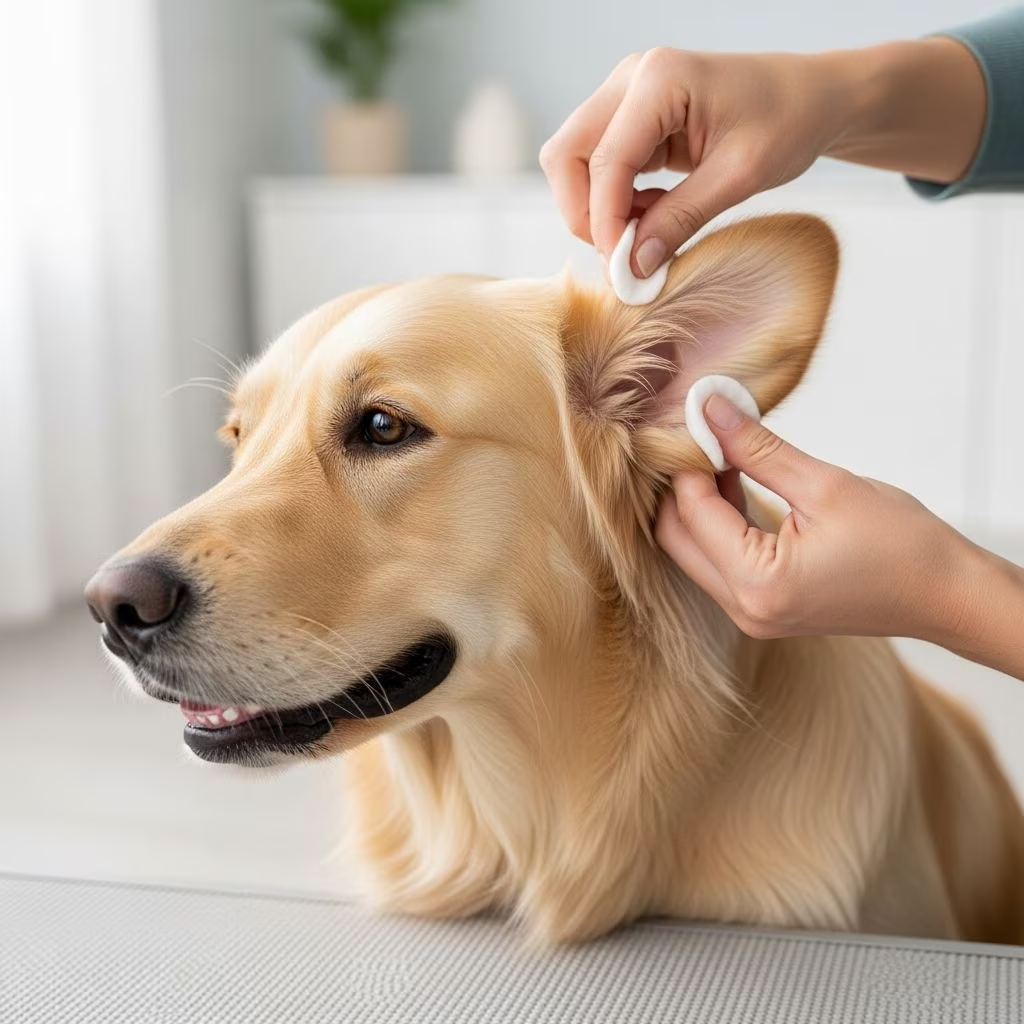
How to Clean a Dog’s Ears: Vet-Approved Step-by-Step Guide
Regular ear cleaning is an essential part of your dog’s grooming routine and overall health maintenance. Many dog owners are unsure about the proper technique for cleaning their pet’s ears, which can lead to improper cleaning or even injury. This comprehensive guide will walk you through the entire process, providing expert advice from veterinary professionals to ensure you can safely and effectively clean your dog’s ears at home.
Maintaining clean ears is not just about hygiene—it plays a crucial role in preventing infections, reducing odor, and catching potential health issues early. Whether your dog has floppy ears that trap moisture or is prone to ear infections, understanding the correct cleaning procedure is vital for responsible pet ownership.
Why Regular Ear Cleaning Matters
Dogs’ ears are susceptible to various issues including wax buildup, moisture accumulation, yeast infections, and bacterial infections. These conditions are especially common in breeds with floppy ears, such as Cocker Spaniels, Basset Hounds, and Labrador Retrievers. Regular ear cleaning helps prevent these problems by removing debris, excess wax, and moisture that can create an ideal environment for infections to develop.
Additionally, routine ear cleaning allows you to monitor your dog’s ear health and notice any unusual odors, discoloration, or discharge that might indicate a more serious problem requiring veterinary attention. By staying proactive, you can catch issues before they become painful or require extensive treatment.
What Supplies You’ll Need
Before you begin the ear cleaning process, gather all necessary supplies to make the task smooth and efficient:
- Veterinarian-approved ear cleaning solution: Choose a high-quality cleanser specifically formulated for dogs. Your veterinarian can recommend the best option for your dog’s specific needs.
- Cotton balls or gauze pads: Soft, absorbent materials work best. Avoid using cotton-tipped applicators or Q-tips, as these can damage the ear canal or push debris deeper inside.
- Towel: Have a towel ready to contain any mess, as your dog will likely shake their head during and after cleaning.
- Treats: Positive reinforcement rewards make the experience more pleasant and can help your dog cooperate during future cleaning sessions.
- Gloves (optional): Wearing gloves can help protect your hands from ear debris and cleaning solution.
Choosing the Right Ear Cleaning Solution
Selecting an appropriate ear cleaning solution is critical for your dog’s ear health. Not all products are created equal, and some may actually irritate your dog’s ears.
What to Look For
Choose a veterinarian-recommended ear cleanser that is gentle enough for routine use. The ideal product should have a neutral pH, a non-irritating formula, and be able to remove excess ear wax while keeping ears fresh and healthy. A quality ear cleanser should also be effective when used before application of other ear products if your dog requires medicated treatments.
What to Avoid
Avoid ear cleaners containing significant amounts of alcohol, hydrogen peroxide, or with an acidic pH, as these can irritate your dog’s ears, particularly if used frequently. If your dog has an active ear infection, consult your veterinarian to select the most appropriate cleanser to help manage the specific condition.
Step-by-Step Instructions for Cleaning Your Dog’s Ears
Step 1: Prepare Your Dog
Begin by getting your dog into a calm, comfortable position. This could be sitting, lying down, or standing, depending on what your dog prefers. Have your towel nearby and place it where it can catch any spillage. If your dog is resistant to ear handling, you may need gentle assistance from another person to keep them still, or use a soft restraint.
Step 2: Hold the Ear Correctly
Gently but firmly grasp the tip of the ear and pull the ear flap straight up to expose the ear canal and straighten it. This positioning is crucial because it allows the cleaning solution to flow properly into the canal and helps you see what you’re doing. Hold this position throughout the initial cleaning phase.
Step 3: Apply the Ear Cleaning Solution
With the ear flap held upright, squeeze the ear cleaning solution directly into the ear canal. Use enough cleaner to completely fill the ear canal—typically 1–2 squirts, unless your veterinarian has directed otherwise. It’s completely normal for some solution to spill out of the ear. Do not insert the bottle tip into the ear to avoid contamination; if the bottle tip accidentally touches your dog’s ear, wipe it clean with an alcohol-soaked cotton ball before using it again.
Step 4: Massage the Base of the Ear
Continue holding the ear flap upright and gently massage the base of the ear (the area where it connects to the head) for approximately 15–30 seconds. You should hear a “squishing” sound as the cleaning solution moves around and breaks up debris in the horizontal part of the ear canal. This massage action is essential because it helps the cleanser reach deeper into the ear canal and effectively dislodge wax and debris that simple liquid alone cannot remove.
Step 5: Allow Your Dog to Shake
Once you’ve completed the massage, allow your dog to shake their head. This natural shaking action helps loosen debris and moves the remaining cleaning solution and debris from the deep part of the ear canal toward the opening. Having a towel ready during this step will help contain the mess and any liquid that may spray out.
Step 6: Wipe Away Visible Debris
While still holding the ear flap up, use a clean cotton ball or gauze pad to gently wipe away debris from the inner ear flap and the upper ear canal. Work carefully, starting from the inside of the ear and moving outward, only going as far as your finger can easily reach—approximately one knuckle in. This prevents you from pushing debris deeper into the canal.
Step 7: Remove Additional Debris and Solution
Once again, hold the ear flap up and use a fresh cotton ball or gauze to remove loosened debris and excess cleaning solution from the outer opening of the ear canal. Take your time with this step to ensure thorough removal of all visible material.
Step 8: Final Deep Cleaning
Remove any remaining debris and cleaning solution from inside the ear canal using a cotton ball or gauze—only going as far as your finger will reach. Never use a cotton-tipped applicator for this step, as doing so can damage the delicate ear canal and ear drum or push debris further into the canal.
Step 9: Repeat on the Other Ear
Follow the exact same process for your dog’s other ear, using fresh cotton balls or gauze pads to avoid transferring debris between ears.
Step 10: Reward Your Dog
After completing the cleaning process on both ears, praise your dog enthusiastically and provide treats as positive reinforcement. This helps your dog associate ear cleaning with positive experiences, making future sessions easier and less stressful.
Important Precautions and Safety Tips
What NOT to Do
- Never use cotton-tipped applicators (Q-tips): These can puncture the eardrum, cause trauma to the ear canal, or push debris deeper inside.
- Don’t insert the bottle tip into the ear: This risks spreading bacteria or yeast infections from one ear to another or causing injury.
- Avoid inserting materials too deep: Only go as far as your finger can reach into the ear canal to prevent injury.
- Don’t use harsh chemicals: Avoid solutions containing alcohol, hydrogen peroxide, or acidic formulas that can irritate sensitive ear tissue.
When to Stop and Consult a Veterinarian
If your dog shows signs of pain, discomfort, or distress during the ear cleaning process, stop immediately and consult your veterinarian. Signs of pain include yelping, head shaking, ear scratching, or trying to escape. An infected or inflamed ear may be too sensitive for at-home cleaning and may require professional veterinary care first. In some cases, severe infections may need to be treated with prescribed medication for several days before at-home cleaning can resume comfortably.
How Often Should You Clean Your Dog’s Ears?
The frequency of ear cleaning depends on your individual dog’s needs and should be determined by your veterinarian. For most healthy dogs, a veterinarian-recommended ear cleanser that is gentle enough for regular use—approximately 2 to 3 times per week—is appropriate. However, dogs prone to infections or those with specific health conditions may require more or less frequent cleaning. Always follow your veterinarian’s specific recommendations for your dog.
Different Ear Types and Special Considerations
Floppy-Eared Dogs
Breeds with floppy ears, such as Cocker Spaniels, Basset Hounds, and Beagles, are more prone to ear problems because their ear structure traps moisture and debris. These dogs typically require more frequent ear cleaning and more careful monitoring for signs of infection.
Dogs with Sensitive Ears
Some dogs may not tolerate ear cleaning solution being poured directly into their ears. For these dogs, try saturating cotton pads or balls with the ear cleaning solution and gently inserting them into the ear canal instead. This alternative method is often less startling and equally effective.
Dogs with Existing Infections
If your dog has an active ear infection, your veterinarian will recommend the best approach. Often, at-home ear cleanings may be delayed for the first few days until prescribed medication helps reduce pain and inflammation, making the cleaning process more comfortable for your pet.
Signs Your Dog May Have an Ear Problem
Regular ear cleaning allows you to monitor your dog’s ear health. Watch for these warning signs that may indicate a problem requiring veterinary attention:
- Excessive ear scratching or head shaking
- Redness or swelling of the inner ear or ear flap
- Unusual odor coming from the ears
- Discharge from the ear canal (yellow, brown, or bloody)
- Visible wax buildup or crusty debris
- Signs of pain when the ear is touched
- Tilting or holding the head to one side
- Loss of balance or coordination
Frequently Asked Questions
Q: Can I use hydrogen peroxide or alcohol-based solutions to clean my dog’s ears?
A: No, you should avoid ear cleaners containing significant amounts of alcohol or hydrogen peroxide, as these can irritate your dog’s ears, especially with frequent use. Look for veterinarian-recommended solutions with neutral pH and non-irritating formulas.
Q: What’s the difference between routine ear cleaning and treating an ear infection?
A: Routine ear cleaning is preventative maintenance for healthy ears using gentle cleansers 2-3 times weekly. Treatment for infections requires specific medicated cleaners or medications prescribed by your veterinarian and may involve a different frequency based on the severity of the infection.
Q: Is it okay to use cotton swabs or Q-tips for ear cleaning?
A: No, cotton-tipped applicators should never be used inside the ear canal. They risk puncturing the eardrum, causing trauma, or pushing debris deeper into the canal. Always use cotton balls or gauze pads instead.
Q: How can I make ear cleaning easier if my dog resists?
A: Use positive reinforcement with treats and praise, practice when your dog is calm, have an assistant gently help restrain your dog if needed, and ensure you’re using a comfortable technique. If your dog experiences pain, consult your veterinarian before continuing.
Q: What should I do if my dog’s ears smell bad or have discharge?
A: Unusual odors or discharge are signs of a potential ear infection or other ear problem. Stop at-home cleaning and schedule an appointment with your veterinarian for proper diagnosis and treatment.
Q: Can I clean my dog’s ears every day?
A: No, unless specifically recommended by your veterinarian. Most healthy dogs need ear cleaning 2-3 times per week. Over-cleaning with harsh solutions can irritate ears and disrupt the natural ear environment. Always follow your veterinarian’s specific recommendations.
Conclusion
Proper ear cleaning is a fundamental aspect of dog grooming and health maintenance that every dog owner can master with the right knowledge and technique. By following this vet-approved step-by-step guide, using appropriate supplies, and maintaining a consistent cleaning schedule recommended by your veterinarian, you can help prevent ear infections, reduce odors, and keep your dog’s ears healthy and comfortable. Remember to always prioritize your dog’s comfort and safety, watch for signs of problems, and consult your veterinarian whenever you have concerns about your dog’s ear health or notice any unusual symptoms.
References
- Instructions for Ear Cleaning in Dogs — VCA Animal Hospitals. 2024. https://vcahospitals.com/know-your-pet/instructions-for-ear-cleaning-in-dogs
- How to Clean Your Dog’s Ears — Cornell University College of Veterinary Medicine, Riney Canine Health Center. 2024. https://www.vet.cornell.edu/departments-centers-and-institutes/riney-canine-health-center/canine-health-topics/how-clean-your-dogs-ears
- Cleaning Your Pet’s Ears — Veterinary Center of Hardyston. 2024. https://www.hardystonvet.com/services/how-clean-your-pets-ears
- Clean Your Dog’s Ears — Wake Veterinary Medical Center. 2024. https://wakeveterinarymedicalcenter.com/clean-your-dogs-ears/
- Cleaning Your Pet’s Ears — Dechra Veterinary Products. 2024. https://www.dechra-us.com/Files/Files/SupportMaterialDownloads/us/US-030-BRO.pdf
- Cleaning Your Dog’s Ears — Virbac. 2024. https://us.virbac.com/dog/ear-health/cleaning-your-dogs-ears
- Cleaning A Dog’s Ears – Veterinary Training — Patterson Veterinary Academy, YouTube. 2024. https://www.youtube.com/watch?v=5C39A9UU720



