

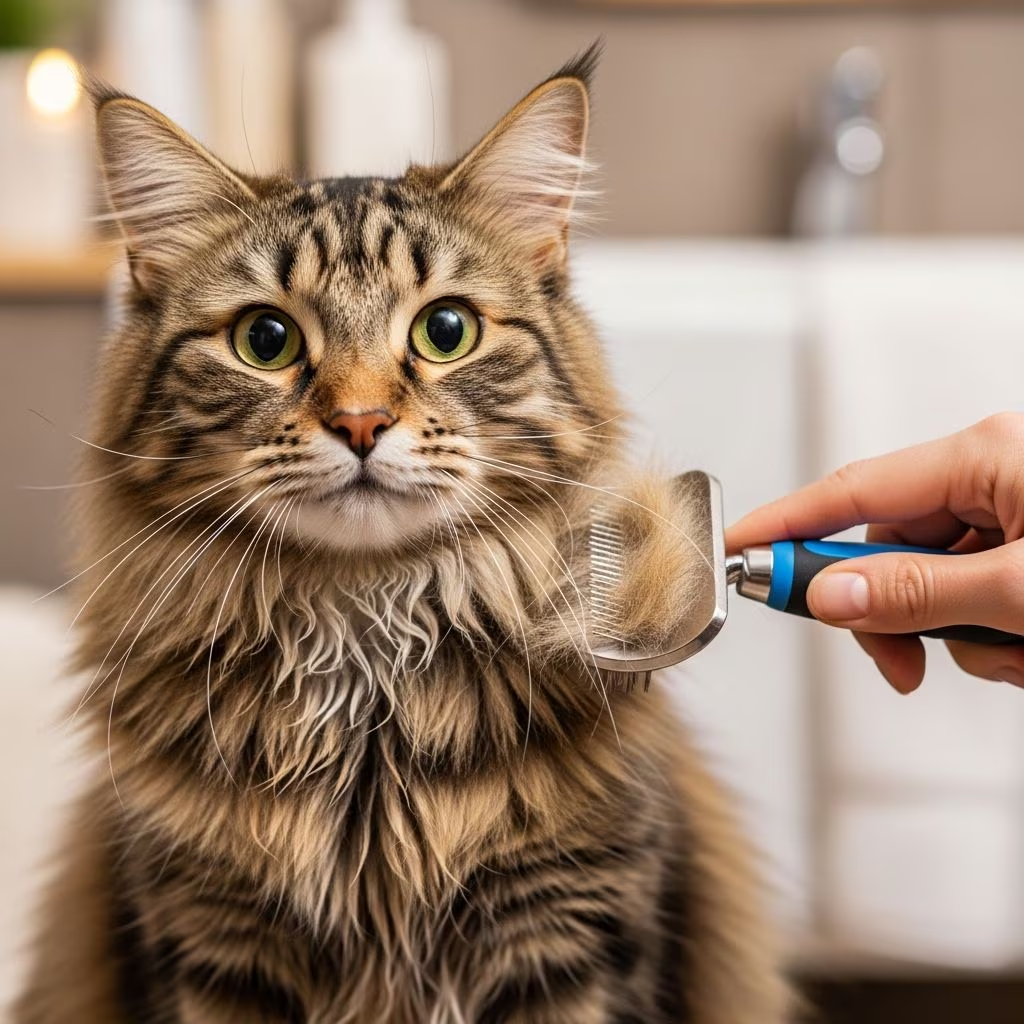
Cats are meticulous groomers, but outdoor adventures or health issues can leave their fur dirty, matted, or greasy. Cleaning dirty cat fur requires gentle, cat-safe methods to avoid stress while restoring a healthy coat. This guide covers brushing, spot cleaning, dry shampoos, bathing, and prevention strategies, ensuring your feline stays comfortable and clean.
Why Does Cat Fur Get Dirty?
Cat fur accumulates dirt from litter boxes, outdoor soil, food spills, or oily secretions from sebaceous glands. Long-haired breeds like Persians trap debris more easily, while short-haired cats may develop greasy fur from overactive glands. Medical conditions such as allergies, infections, or obesity can exacerbate dirt buildup by limiting self-grooming. Regular cleaning prevents matting, skin infections, and hairballs.
Recognize signs of dirty fur: dullness, clumping, foul odors, or excessive shedding. Addressing these promptly maintains coat health and detects underlying issues early.
Tools You’ll Need for Cleaning Cat Fur
Gather these essentials before starting:
- Brushes: Slicker brush for long hair, rubber or bristle for short hair to remove loose fur and dirt.
- Combs: Wide-toothed for detangling mats.
- Wipes: Pet-safe wipes for spot cleaning paws and fur.
- Dry shampoo: Baking soda or cornstarch-based powders.
- Cat shampoo: Hypoallergenic, tear-free formulas.
- Nail clippers: Scissor or guillotine-style for safety.
- Cotton balls and ear cleaner: Vet-recommended solutions.
Choose tools suited to your cat’s coat type for effective, stress-free grooming.
Method 1: Brushing to Remove Dirt and Loose Fur
Brushing is the safest first step for cleaning dirty cat fur. It removes dirt, debris, and loose hair without water.
- Choose a quiet time when your cat is relaxed.
- Select the right brush: rubber for short coats, slicker for long ones.
- Brush gently in the direction of hair growth, starting from the back and sides, then belly, legs, and tail.
- Focus on high-dirt areas like paws, belly, and rear.
- Do this 2-3 times weekly to prevent buildup and reduce hairballs.
Brushing stimulates natural oils, distributing them for shine while lifting dirt. For mats, use a wide-toothed comb, cutting only severe ones parallel to the skin.
Method 2: Spot Cleaning with Wipes or Damp Cloth
For localized dirt on paws, face, or rear, spot cleaning works without full grooming.
- Wipe paws after litter use to remove clay and urine crystals.
- Use pet-safe wipes or a damp cloth with mild soap for greasy spots.
- Avoid eyes and ears; dry thoroughly to prevent chilling.
Coconut oil can condition sticky paws or fur naturally, leaving a soft shine. Repeat daily for outdoor cats.
Method 3: Dry Shampoo for Greasy or Dirty Fur
Dry shampoos clean without water, ideal for water-fearing cats.
- Sprinkle baking soda, cornstarch, or a cat-specific powder on fur.
- Massage in gently, let sit 5-10 minutes to absorb oils and dirt.
- Brush or wipe away residue.
This method deodorizes and refreshes coats effectively. Use weekly for greasy fur.
Method 4: Bathing Your Cat Safely
Bathe only when necessary, like severe soiling or fleas, as it strips natural oils.
| Coat Type | Recommended Shampoo | Frequency |
|---|---|---|
| Short-haired | Mild, hypoallergenic | Every 4-6 weeks |
| Long-haired | Moisturizing formula | Every 2-4 weeks if dirty |
- Trim nails first to prevent scratches.
- Fill a sink with lukewarm water (3-4 inches); use non-slip mat.
- Wet body (avoid head), lather shampoo, rinse thoroughly.
- Towel dry; use low-heat blow dryer if tolerated.
- Keep warm post-bath to avoid stress.
Most cats need no baths; prioritize brushing.
Cleaning Sensitive Areas: Ears, Eyes, and Rear End
Ears
Clean ears weekly to remove wax and debris.
- Lift ear flap, apply vet-approved solution.
- Massage base 10-15 seconds; let cat shake.
- Wipe with cotton ball; check for redness.
Eyes
Gently wipe crust with damp cotton ball; use separate ones per eye.
Rear End
For diarrhea-matted fur, trim gently and clean with wipes. Long-haired cats may need extra attention.
Dealing with Mats and Tangles
Mats trap dirt and cause skin issues. Prevent with daily combing.
- Small mats: Comb out from outside in.
- Large mats: Clip with blunt scissors parallel to skin.
- Apply detangling spray for ease.
Professional grooming helps for severe cases.
Natural Remedies for Cleaning Cat Fur
Safe home options include:
- Vinegar solution: 1:1 water-vinegar for wiping (diluted).
- Baking soda: Odor absorber in dry shampoo.
- Coconut oil: For conditioning dirty paws.
- Hydrogen peroxide: Spot stains on fur (test first).
Always patch-test and consult a vet.
How Often Should You Clean Your Cat’s Fur?
- Daily: Quick wipe paws.
- Weekly: Brush and spot clean.
- Monthly: Check ears, nails; dry shampoo if needed.
- Baths: Only as required.
Adjust for breed, lifestyle, and health.
Preventing Dirty Fur in the Future
Minimize dirt with:
- Regular brushing to remove loose fur.
- High-quality diet for healthy skin.
- Indoor living or paw wipes for outdoor cats.
- Weekly nail trims.
- Vet check-ups for allergies.
These habits reduce cleaning frequency.
When to See a Vet for Dirty Fur
Persistent dirt may signal issues like hyperthyroidism, allergies, or pain limiting grooming. Seek help if fur remains greasy, bald patches appear, or odor persists.
Frequently Asked Questions (FAQs)
What is the best way to clean a cat’s dirty fur without water?
Brush thoroughly and use dry shampoo like baking soda or cornstarch, massaged in and brushed out.
How do you clean greasy cat fur?
Apply dry shampoo, let sit, then brush. For severe cases, a vet-recommended bath.
Can I use baby wipes on my cat’s fur?
No, use pet-safe wipes only to avoid harmful chemicals.
How often should I bathe my cat?
Only when very dirty; most need baths 1-4 times yearly.
What if my cat has matted fur?
Comb small mats; clip large ones and consult a groomer or vet.
This comprehensive approach keeps your cat’s fur clean safely. Consistent grooming builds trust and health.
References
- How to Get Rid of Cat Hair: 6 Tips to Help! — Catastrophic Creations. 2023. https://www.catastrophicreations.com/blogs/articles/blogs-articles-how-to-get-rid-of-cat-hair
- A Step-by-Step Guide on How to Clean Your Cat — Noble Vet Clinic. 2024. https://noblevetclinic.com/blog/how-to-clean-your-cat
- 10 Natural Cat Cleaning Hacks — Seep Company. 2023. https://theseepcompany.com/blogs/the-seep-blog/10-natural-cat-cleaning-hacks
- The Ultimate Guide to Cat Grooming: Tips and Techniques — Angie’s Mobile Pet Styling. 2024. https://www.angiesmobilepetstyling.com/pet-grooming/ultimate-guide-cat-grooming-tips-techniques/
- How to Clean Cat Fur Without Bath: Effective Methods and Tips — UAH Pet. 2023. https://www.uahpet.com/blogs/post/how-to-clean-cat-fur-without-bath-effective-methods-and-tips



