

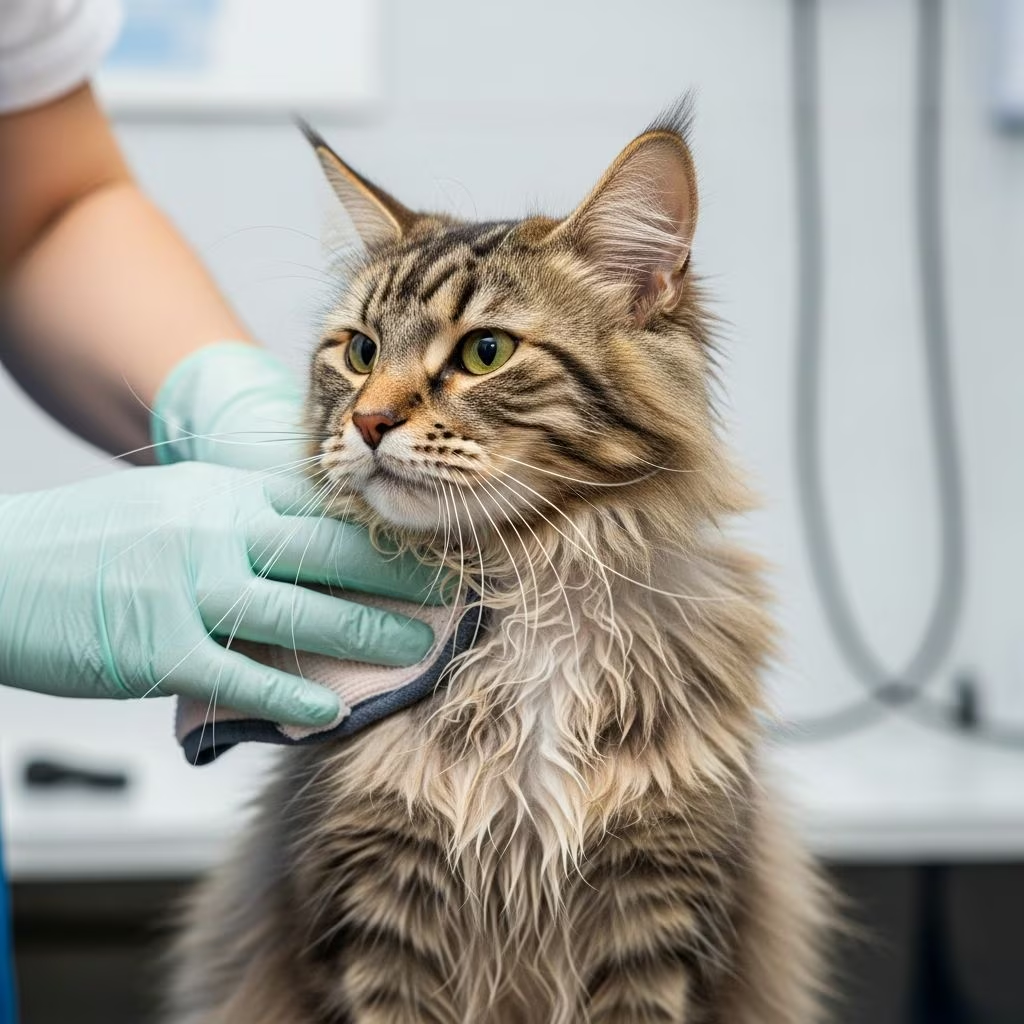
How to Clean Dirty Cat Fur: Vet-Approved Guide
Cats are naturally clean animals that spend a significant portion of their day grooming themselves. However, there are times when your feline friend may get into something messy and require additional help to restore their coat to its pristine condition. Whether your cat has rolled in mud, gotten into sticky substances, or simply accumulated dirt and debris, knowing how to properly clean their fur is an essential skill for any cat owner. This comprehensive guide will walk you through nine proven methods to safely and effectively clean your cat’s dirty fur while minimizing stress for both you and your pet.
1. Calm Your Cat
The first and most important step in cleaning your cat’s fur is to ensure they are calm and relaxed. A stressed or anxious cat will make the cleaning process much more difficult and potentially dangerous for both of you. Before you begin any cleaning, take time to soothe your cat with gentle petting, soft words, and positive reinforcement. Choose a quiet location where your cat feels safe and secure, away from loud noises or other pets that might cause additional stress.
Consider timing the cleaning session for when your cat is naturally more relaxed, such as after playtime or when they are already in a calm mood. Having your cat’s favorite treats nearby can also help maintain a positive association with the cleaning process. If your cat becomes too distressed during cleaning, it’s perfectly acceptable to pause and try again later. Your cat’s well-being and your relationship should always take priority over completing the task immediately.
2. Brush and Cut
Once your cat is calm, the next step is to address any burrs, grass awns, or tangled debris in their coat. Start by gently using a brush or fine-toothed comb to work through affected areas. In many cases, you can carefully brush out these items without needing to resort to cutting. However, if the debris is too tangled or there’s a large clump, cutting may be necessary.
When cutting is required, veterinarians strongly recommend using pet clippers rather than scissors. Scissors pose a higher risk of accidentally cutting your cat’s skin, which could cause injury and pain. Pet clippers are specifically designed for this purpose and provide better control. If the tangling is severe or you’re uncomfortable performing this task, it’s best to consult a professional pet groomer or your veterinarian. They have the expertise and proper tools to handle even the most stubborn tangles safely.
3. Remove Any Loose Debris
Before applying any water or shampoo, carefully remove as much loose debris as possible using your hands or a brush. Gently work through your cat’s fur, being careful not to pull or tug, which can cause discomfort. Pay special attention to areas where dirt or debris is most concentrated.
If the mess is caused by sticky substances, applying a small amount of coconut oil can help detangle the material. Coconut oil is safe for cats and can gently break down sticky residues without harming your pet’s skin. Work the oil through the affected area with your fingers or a comb, allowing the sticky substance to loosen naturally. Always prioritize removing as much debris as possible before using soap or water, as this makes the subsequent cleaning steps much more efficient and less stressful for your cat.
4. Choose the Right Shampoo
Selecting an appropriate shampoo is crucial for your cat’s health and safety. Never use human shampoo or dog shampoo on your cat, as these products can irritate their sensitive skin and eyes. Instead, invest in a cat-specific shampoo that has been formulated with your cat’s unique pH balance in mind.
Look for gentle, cat-friendly formulas that are free from harsh chemicals and artificial fragrances. If your cat has sensitive skin or any existing skin conditions, consult your veterinarian for product recommendations. Having a quality cat shampoo on hand before you need it ensures you’re always prepared for unexpected messes. Read the label carefully to understand the proper dilution ratio and any special instructions provided by the manufacturer.
5. Gently Clean the Mess
With debris removed and shampoo selected, you’re ready to begin the actual cleaning process. Using a damp cloth or your fingertips, gently massage the shampoo into the affected area. Work slowly and deliberately, taking care not to get shampoo into your cat’s eyes, ears, or mouth, as this can cause irritation and distress.
Focus your efforts on the affected area, working the shampoo through the fur thoroughly. If the mess is isolated to one spot, you may only need to clean that specific region. However, if the dirty area is widespread throughout your cat’s coat, a full bath may be necessary. In such cases, fill a tub with a few inches of lukewarm water and carefully lower your cat into it. Keep the water level low to prevent overwhelming your cat and maintain their sense of security during the bathing process.
6. Rinse Thoroughly
After shampooing, thorough rinsing is essential to remove all soap residue from your cat’s fur. Use lukewarm water and gently pour it over the shampooed areas, working your fingers through the coat to ensure all shampoo is removed. Residual shampoo can cause skin irritation and dull the coat, so don’t rush this step.
Take extra care around the face and ears, using a damp washcloth rather than pouring water directly. Rinse multiple times if necessary until the water runs clear and you no longer see any soap suds. Your cat’s comfort during rinsing will help them develop a more positive association with future cleaning sessions.
7. Use Pet Wipes for Stubborn Messes
For particularly stubborn messes or situations where a full bath isn’t feasible, pet wipes are an excellent alternative. These specially formulated wipes are designed specifically for cats and can effectively clean specific areas without requiring water. Pet wipes are especially useful for quick spot cleaning or for cats that are particularly resistant to bathing.
Keep a package of pet wipes readily available in your home for emergency cleanups. They’re convenient, mess-free, and your cat will likely find the experience less stressful than a full bath. Pet wipes can also be used between baths to maintain your cat’s coat and keep them fresh, making them a valuable addition to your cat grooming supplies.
8. Detangle with a Fine-Toothed Comb
Once your cat’s fur is clean, use a fine-toothed comb to detangle any remaining mats or knots. Starting from the tips of the fur, gently work your way up toward the roots. This approach prevents you from creating new tangles and reduces discomfort for your cat. Be patient throughout this process, as rushing can cause unnecessary pulling and pain.
If you encounter resistance while combing, use your fingers to gently tease apart stubborn knots rather than forcing the comb through. A patient, methodical approach will yield better results and help your cat remain calm throughout the detangling process. Regular combing after bathing helps prevent mat formation and keeps your cat’s coat healthy and beautiful.
9. Dry Your Cat Properly
After cleaning and detangling, proper drying is important for your cat’s comfort and coat health. Use soft, clean towels to gently pat your cat dry, working from head to tail. Avoid vigorous rubbing, which can cause tangles and discomfort. Many cats prefer to air dry naturally, which is perfectly acceptable, but ensure they have a warm, draft-free area where they can relax while drying.
If you choose to use a pet hair dryer, use the lowest heat setting and maintain a safe distance from your cat’s skin to prevent burns. Never use a human hair dryer, as it can become too hot for your cat’s sensitive skin. Allow your cat to become familiar with the sound and sensation of a pet dryer before using it, as this can help reduce anxiety during future grooming sessions.
Essential Supplies for Cleaning Your Cat’s Fur
Having the right supplies on hand makes the cat cleaning process much smoother and more efficient. Here’s a list of essential items you should keep readily available:
- Cat-friendly shampoo: A gentle formula specifically designed for feline use
- Pet clippers: For safely removing severely tangled or matted fur
- Fine-toothed comb: Essential for detangling and removing loose fur
- Gentle brush: For initial debris removal and coat maintenance
- Pet wipes: For quick spot cleaning without full bathing
- Your cat’s favorite treats: For positive reinforcement during cleaning
- Soft and clean towels: For gentle drying after bathing
- Washcloth: For targeted cleaning and rinsing around sensitive areas
- Protective gloves: Optional, for your protection if your cat becomes anxious
Natural Alternatives for Cat Cleaning
If you prefer to avoid commercial products, several natural options can effectively help clean your cat’s fur. Coconut oil is excellent for conditioning fur and removing sticky substances without harsh chemicals. Simply apply a small amount and gently massage it into your cat’s coat. Baking soda can be used as a dry shampoo alternative by sprinkling it onto the fur, allowing it to sit briefly, and then brushing it out thoroughly. A mixture of baking soda and cornstarch creates an effective dry shampoo that absorbs oils and odors without requiring water.
For environmental cleaning around your cat’s living spaces, a mixture of equal parts warm water and distilled white vinegar creates a natural, pet-safe disinfectant. This solution is safe for cats and won’t leave harmful chemical residues on surfaces where your cat spends time.
Frequently Asked Questions
Q: How often should I bathe my cat?
A: Cats typically don’t need frequent bathing as they self-groom regularly. Most cats only require bathing when they get visibly dirty, have been in something sticky, or have a skin condition. Outdoor cats may need bathing more frequently than indoor cats. Consult your veterinarian if you’re unsure about your specific cat’s bathing needs.
Q: Can I use human shampoo on my cat?
A: No, you should never use human shampoo on cats. Human products have a different pH balance and can irritate your cat’s skin and eyes. Always use a cat-specific shampoo formulated for feline needs.
Q: What should I do if my cat won’t sit still during cleaning?
A: If your cat is extremely resistant, try breaking the cleaning into shorter sessions. Use pet wipes for spot cleaning instead of full baths, or consult your veterinarian about using appropriate calming techniques. Never force your cat through a cleaning session, as this creates negative associations.
Q: Is coconut oil safe for cats to ingest?
A: Small amounts of coconut oil are generally safe for cats, but excessive ingestion could cause digestive upset. When using coconut oil for coat cleaning, apply it directly to the fur rather than allowing your cat to consume it. Always monitor your cat and consult your veterinarian if you have concerns.
Q: What’s the difference between pet clippers and scissors for removing mats?
A: Pet clippers are specifically designed for grooming and provide better control and safety. Scissors pose a higher risk of accidentally cutting your cat’s skin. Veterinarians recommend pet clippers as the safer choice for removing severely matted or tangled fur.
Q: Can I use pet wipes daily on my cat?
A: Pet wipes are gentle enough for regular use and can be part of your daily grooming routine. They’re particularly useful for cats that dislike water or for quick cleanups between baths. Check the product instructions to ensure the specific brand you use is safe for frequent application.
Q: What temperature water should I use for bathing?
A: Always use lukewarm water, similar to what you would use for a comfortable bath yourself. Water that is too hot or too cold can cause discomfort and stress. Test the water temperature with your wrist or elbow before exposing your cat to it.
Tips for Making Cat Cleaning Less Stressful
Creating a positive experience during cat cleaning makes future sessions easier for everyone. Start by introducing your cat to grooming supplies during calm, non-cleaning moments. Let them sniff the brush, shampoo, and towels so these items become familiar and less threatening. Always use positive reinforcement with treats and praise when your cat cooperates during cleaning.
Consider enlisting help from another person if your cat is particularly restless. One person can gently hold and comfort the cat while the other performs the cleaning. Keep cleaning sessions short and sweet, stopping before your cat becomes overly stressed. If your cat has ongoing resistance to cleaning, discuss alternative approaches with your veterinarian, who may recommend professional grooming services or other solutions tailored to your cat’s needs.
References
- How to Clean Dirty Cat Fur: Vet-Approved Guide — Catster. 2024. https://www.catster.com/lifestyle/how-to-clean-dirty-cat-fur/
- Essential Cat Cleaning Guide: Step-by-Step to Healthy, Happy Felines — Welltayl. 2024. https://welltayl.com/blogs/news/cat-cleaning
- How to Clean Cat Fur Without Bath: Effective Methods and Tips — UAH Pet. 2024. https://www.uahpet.com/blogs/post/how-to-clean-cat-fur-without-bath-effective-methods-and-tips
- 10 Natural Cat Cleaning Hacks — The Seep Company. 2024. https://theseepcompany.com/blogs/the-seep-blog/10-natural-cat-cleaning-hacks
- The Ultimate Guide to Cat Grooming: Tips and Techniques — Angie’s Mobile Pet Styling. 2024. https://www.angiesmobilepetstyling.com/pet-grooming/ultimate-guide-cat-grooming-tips-techniques/



