

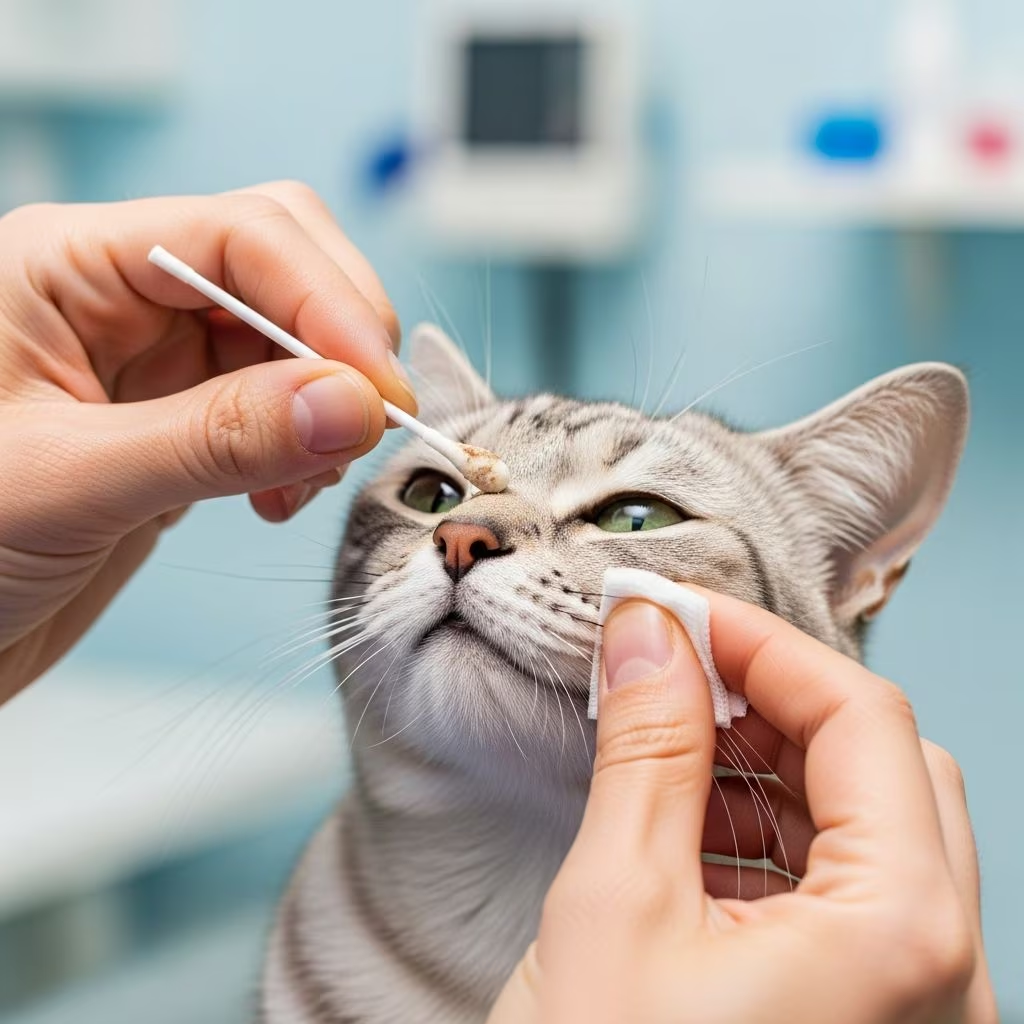
A clean nose is essential for your cat’s comfort, breathing, and overall health. Cats often develop crusty or stuffy noses due to dust, allergies, infections, or breed-specific traits. This comprehensive guide provides vet-approved steps to clean your cat’s nose safely at home, helping you maintain your feline’s well-being without unnecessary stress.
Why Clean Your Cat’s Nose?
Cats groom themselves meticulously, but their noses can accumulate dirt, mucus, crusts, or discharge that they can’t reach. A dirty nose can lead to discomfort, breathing difficulties, or signal underlying health issues like upper respiratory infections or allergies. Regular cleaning prevents blockages, especially in brachycephalic (flat-faced) breeds like Persians and Exotics, which are prone to nasal congestion due to their anatomy. Cleaning also allows you to monitor for abnormalities early.
Routine cleaning targets surface dirt and minor crusts, while pathological cleaning addresses severe blockages from illness or post-surgery recovery. Early intervention keeps your cat breathing easily and reduces vet visits.
Find the Cause of Your Cat’s Stuffy Nose
Before cleaning, identify why your cat’s nose is dirty or stuffy. Common causes include:
- Seasonal allergies: Pollen or dust triggers mucus production.
- Upper respiratory infections (URI): Viral or bacterial, like feline herpesvirus or calicivirus, causing thick discharge.
- Dirty nose: Everyday dust, litter, or environmental debris buildup.
- Colds or flu: Similar to human colds, leading to temporary congestion.
- Breed predispositions: Flat-faced cats have narrow nasal passages prone to crusting.
If discharge is colored (yellow/green), persistent, or accompanied by sneezing, lethargy, or eye issues, consult a vet immediately—it could indicate infection requiring antibiotics or antivirals. Never self-diagnose serious conditions.
Supplies You’ll Need to Clean Your Cat’s Nose
Gather these gentle, cat-safe tools for effective cleaning:
- Cotton balls or soft swabs (avoid Q-tips deep inside).
- Physiological saline solution (0.9% sodium chloride from pharmacy) or vet-prescribed drops.
- Soft tissues, Kleenex, or pet-safe wipes.
- Optionally: Coconut, olive, or cooking oil to soften crusts.
- Towel or mat for stability.
Steer clear of harsh chemicals, hydrogen peroxide, or alcohol, as they irritate sensitive nasal tissues. Saline mimics natural tears and safely loosens debris without stinging.
How to Clean Your Cat’s Nose: Step-by-Step Instructions
Follow these vet-approved steps for safe, stress-free cleaning. Always prioritize gentleness to avoid injury or panic.
Step 1: Immobilize Your Cat Safely
Place your cat on a flat, stable surface like a table. Position yourself behind them, grasping the scruff of the neck gently but firmly to limit movement. Speak softly in a calming tone—positive reinforcement like treats afterward builds trust. For wiggly cats, wrap in a towel “burrito-style,” exposing only the head. Never force; if resistant, try later or seek vet demo.
Step 2: Clean the Outer Surface of the Nose
Soak a tissue or cotton pad in warm water or saline. Gently wipe the nose bridge, edges, and nostrils. Use light rubbing motions to loosen crusts—multiple soft passes work better than hard scrubbing, which can cause pain or scratches. For stubborn crusts, apply oil-dipped cotton to soften first, then wipe away. Dry gently with a clean tissue.
Step 3: Clean Inside the Nostrils
Dip a cotton swab in saline; wring excess. Insert only the tip (1-2mm) into each nostril—no deeper to avoid damage. Rotate gently to lift debris, then withdraw and discard. Repeat with fresh swabs until clean. For heavy mucus, instill 1-2 drops saline per nostril, wait 2-5 minutes, then swab. Massage the nose softly to encourage drainage.
Step 4: Advanced Techniques for Severe Blockage
For pathological cases (e.g., post-URI), vets may recommend nasal flushing: Use a syringe with saline, inserted shallowly, while protecting the throat with gauze. This is advanced—observe vet demos first. Humidify air via steam from a hot shower to loosen mucus naturally.
Pro Tip: Train kittens early for tolerance. Reward heavily post-cleaning.
Frequency of Cleaning Your Cat’s Nose
Cleaning frequency depends on need:
- Routine: Weekly for flat-faced breeds; as needed for visible dirt.
- Allergies/URI: Daily or multiple times daily until resolved.
- Post-surgery/illness: Vet-directed, often several times daily.
Over-cleaning dries tissues; under-cleaning risks infection. Observe daily—clean at first sign of crusts to prevent buildup.
Special Considerations for Brachycephalic Cats
Persians, Himalayans, and Exotics have short noses, leading to chronic tearing, crusting, and breathing woes. Clean these breeds 2-3 times weekly, focusing on tear stains around nostrils. Use vet-recommended wipes; monitor for “tear duct overflow” needing surgical correction. Their anatomy makes routine care vital for quality life.
Troubleshooting Common Issues
| Issue | Symptoms | Solution |
|---|---|---|
| Cat Resists | Scratching, biting | Two-person job; sedatives from vet if chronic. |
| Bleeding After Cleaning | Blood spots | Stop immediately; see vet for irritation check. |
| Mucus Won’t Budge | Persistent thick discharge | Steam therapy + saline drops; vet for meds. |
| One Nostril Only | Asymmetric blockage | Possible foreign body or polyp—urgent vet visit. |
When to See a Vet for Your Cat’s Nose
Home cleaning suits minor issues, but seek professional help if:
- Discharge lasts >48 hours or is foul-smelling.
- Sneezing, coughing, fever, or appetite loss.
- Eye/nose ulcers or facial swelling.
- Breathing distress (open-mouth, blue gums).
Vets diagnose via exam, cultures, or imaging; treatments include antibiotics, antivirals, or flushes.
Prevention Tips for a Healthy Cat Nose
- Keep litter dust-free (use low-dust types).
- Minimize allergens: HEPA filters, regular cleaning.
- Vaccinate against URI pathogens.
- Humidify dry environments.
- Annual vet checkups for brachy breeds.
Frequently Asked Questions (FAQs)
What causes a cat’s nose to run?
Common culprits: Allergies, infections, irritants, or dental disease. Persistent cases need vet evaluation.
Is saline safe for cat noses?
Yes, 0.9% physiological saline is vet-recommended and mimics natural fluids safely.
How do I clean a kitten’s nose?
Gently with saline-dampened cotton; start early for habituation. Consult vet for neonates.
Can I use baby wipes on my cat’s nose?
No—opt for pet-safe or saline only; baby wipes may contain irritants.
What if my cat has dry nose?
Normal unless cracked/bleeding. Use vet-approved balms; check hydration.
References
- How and Why to Clean Your Cat’s Nose — Meowden. 2023. https://meowden.com/blogs/cat/how-and-why-to-clean-your-cats-nose
- How to Clean a Cat’s Nose: Vet Approved Step-By-Step Guide — Catster Veterinary Committee. 2024-10-15. https://www.catster.com/cat-health-care/how-to-clean-cats-nose/
- Keeping Your Cat’s Eyes, Nose & Lips Clean — Veterinary Demonstration Video. 2022. https://www.youtube.com/watch?v=xL48hW6qHPk
- Nasal (Nose) Flush in a Cat — Veterinary Procedure Video. 2023. https://www.youtube.com/watch?v=vt5o-HXzo7g
- Top Tips for Removing Mucus from a Cat’s Nose — Puainta Pet Care. 2024. https://shop.puainta.com/blogs/cats/top-tips-for-removing-mucus-from-a-cats-nose



