

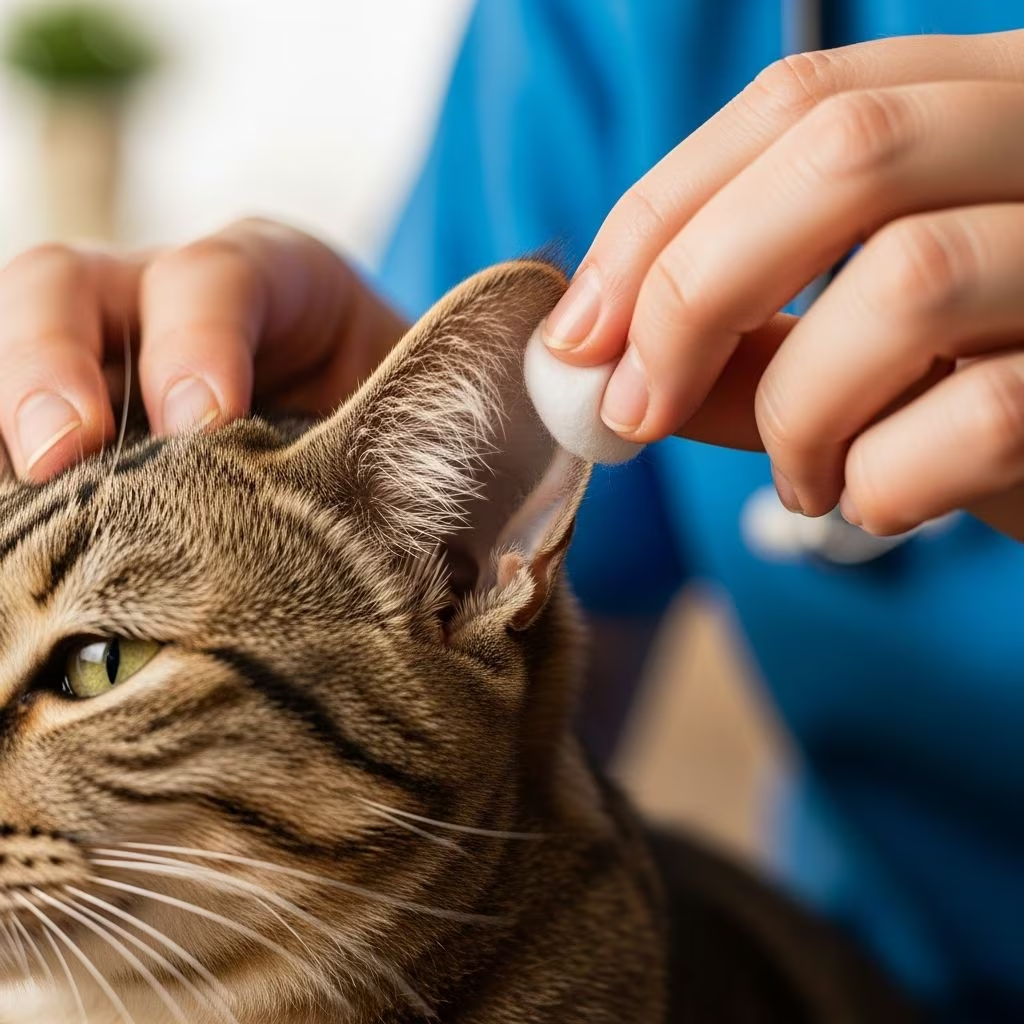
How to Clean Your Cat’s Ears Safely and Effectively
Regular ear cleaning is an essential part of maintaining your cat’s overall health and hygiene. While cats are generally good at self-grooming, their ears can accumulate dirt, wax, and debris that may lead to infections or discomfort if left unattended. Learning how to clean your cat’s ears properly at home can help you prevent ear problems, detect potential issues early, and strengthen the bond with your feline companion. This comprehensive guide will walk you through everything you need to know about cleaning your cat’s ears safely.
Why Is Ear Cleaning Important for Cats?
Cat ears are complex structures that can trap moisture, dirt, and wax buildup. Unlike humans, cats have vertical ear canals that make it easier for debris to accumulate deep within the ear. Regular cleaning helps prevent ear mites, yeast infections, and bacterial infections that can cause significant discomfort and hearing problems. Additionally, routine ear inspections allow you to spot early signs of infection, parasites, or other health concerns before they become serious issues requiring veterinary intervention.
Gathering Your Supplies
Before you begin the ear cleaning process, it’s crucial to have all necessary supplies within arm’s reach. Being prepared will make the process smoother and less stressful for both you and your cat.
Essential Supplies You’ll Need
- Cat-specific ear cleaning solution recommended by your veterinarian
- Cotton balls or cotton pads (never use cotton swabs or Q-tips)
- Gauze pads as an alternative to cotton balls
- A soft towel or blanket for wrapping your cat
- Cat treats for positive reinforcement
- Gloves (optional, for your comfort)
- Alcohol wipes for sanitizing the bottle tip if needed
What NOT to Use
It’s equally important to understand what should never be used when cleaning your cat’s ears. Many well-intentioned pet owners make mistakes that can cause harm:
- Cotton swabs or Q-tips: These can push debris deeper into the ear canal and potentially puncture the delicate eardrum
- Hydrogen peroxide: This can dry out the ear and cause irritation
- Vinegar or alcohol: These astringents can damage the ear canal lining
- Warm water poured directly into the ear: This can cause water to become trapped in the canal, leading to infections
- Non-cat-specific cleaners: Human ear solutions or generic pet cleaners may not be pH-balanced for feline ears
Choosing the Right Ear Cleaning Solution
Selecting an appropriate ear cleaning solution is critical for your cat’s safety and ear health. Always consult your veterinarian before purchasing an ear cleaner, as they can recommend products suited to your cat’s specific needs and ear condition. Veterinary-approved solutions are formulated to be gentle on the delicate ear canal tissue while effectively removing wax and debris. Your vet may recommend specific brands like Epi-Optic or Vetoquinol, which are designed specifically for feline ears and maintain the proper pH balance to support ear health.
Step-by-Step Guide to Cleaning Your Cat’s Ears
Step 1: Prepare Your Cat and Environment
Choose a quiet, well-lit location where your cat feels comfortable and relaxed. The best time to clean ears is when your cat is calm and in a good mood. Timing is essential—avoid attempting ear cleaning when your cat is playful, anxious, or aggressive. Sit in a comfortable position where you have good control and visibility.
Step 2: Restrain Your Cat Gently
Proper restraint is essential for both safety and effectiveness. Gently place your cat on your lap or have another person help you hold your cat steady. You can wrap your cat loosely in a towel or blanket, which provides a sense of security and helps prevent sudden movements. Position your cat so they’re facing away from you with their body tucked against yours. This position gives you good access to the ears while keeping your cat secure and comfortable.
Step 3: Offer a Treat or Positive Reinforcement
Start by offering your cat a treat to create a positive association with ear cleaning. This helps your cat remain calm and makes future ear cleaning sessions easier. Consider using high-value treats that your cat loves and only offer them during ear cleaning sessions to create a special positive experience.
Step 4: Hold the Ear Flap and Examine
Gently hold one ear flap and pull it back slightly to straighten the ear canal and allow you to see inside. This position gives you a clear view of the ear opening and allows you to assess whether there’s visible dirt, wax buildup, or any signs of irritation. Take a moment to observe the condition of the ear before proceeding with cleaning.
Step 5: Apply the Cleaning Solution
Before applying the cleaner, give the bottle a gentle shake to ensure the solution is well-mixed. Position the spout at the top of the ear canal opening and apply the recommended amount according to the product instructions. Most solutions require just a few drops, though some bottles allow you to squeeze the solution directly into the canal. Be careful not to insert the bottle tip deep into the ear canal, as this can introduce bacteria if the bottle hasn’t been sanitized. If the bottle tip touches the ear, sanitize it immediately with an alcohol wipe before continuing.
Step 6: Massage the Base of the Ear
After applying the solution, gently massage the base and sides of your cat’s ear for 15 to 30 seconds. This massage helps distribute the cleaning solution throughout the ear canal and encourages the loosening of wax and debris. Your cat may find this massage pleasant and relaxing. You may hear a squishing sound as the solution moves through the ear canal, which is completely normal.
Step 7: Allow Your Cat to Shake
Once you’ve finished massaging, allow your cat to shake their head vigorously. This natural reflex helps move the cleaning solution and loosened debris toward the outer ear opening. Your cat will likely shake several times, which is exactly what you want. You may want to have a towel nearby to catch any excess liquid.
Step 8: Wipe Away Debris Gently
Using a cotton ball, cotton pad, or gauze, gently wipe away the excess cleaning solution and debris from the visible parts of the ear. Focus on the inner surface of the ear flap and the opening of the ear canal. Wipe gently and never insert the cotton ball deep into the ear canal—only clean what you can see. Never push the cotton deeper than the depth of your finger nail. Repeat this wiping process until the cotton ball comes out relatively clean.
Step 9: Clean the Second Ear
Repeat all steps with your cat’s other ear. Use fresh supplies for the second ear to prevent cross-contamination. The entire process should take just a few minutes per ear.
Step 10: Reward Your Cat
After completing the ear cleaning, reward your cat generously with treats, praise, and affection. This positive reinforcement creates a strong association between ear cleaning and reward, making future sessions much easier. Your cat will begin to look forward to the experience rather than dread it.
How Often Should You Clean Your Cat’s Ears?
There’s no universal schedule for ear cleaning, as frequency depends on your individual cat’s needs. Generally, healthy cats with no ear problems may only need ears cleaned if you notice visible dirt or wax buildup. However, cats prone to ear issues, those with folded ears, or cats with ear mites may require more frequent cleaning. Your veterinarian can recommend an appropriate cleaning schedule based on your cat’s health status and ear condition. Most cats do well with monthly cleaning sessions, but some may need it more or less frequently.
Signs Your Cat Needs Ear Attention
Watch for these warning signs that indicate your cat’s ears need immediate attention:
- Excessive head shaking or scratching at the ears
- Foul odor coming from the ears
- Dark brown or black discharge in the ear canal
- Redness or swelling of the ear flap or canal
- Loss of balance or disorientation
- Decreased hearing responsiveness
- Crusty or scaly patches on the ears
- Signs of pain when the ear is touched
When to Consult Your Veterinarian
While routine ear cleaning is something you can do at home, certain situations require professional veterinary care. Contact your veterinarian if your cat shows signs of infection, has severe wax buildup that you cannot remove, experiences pain during cleaning, or has discharge that looks abnormal. Additionally, if your cat has never had their ears cleaned professionally, schedule a veterinary exam first. Your vet can establish baseline ear health, identify any existing problems, and demonstrate proper cleaning technique specific to your cat’s ears.
Tips for Making Ear Cleaning Easier
Successful ear cleaning starts with patience and practice. Consider these helpful tips to make the process smoother:
- Start early: If your cat is young, begin ear cleaning sessions before problems develop to establish good habits
- Keep sessions short: Complete the process quickly to avoid stressing your cat
- Use calming aids: Feliway spray or other feline pheromone products can help relax your cat
- Choose the right time: Clean ears when your cat is naturally calm, such as after meals or naps
- Get help: Having another person hold your cat can make the process safer and easier
- Practice handling: Regularly touch and handle your cat’s ears during petting to desensitize them
- Maintain consistency: Regular cleaning prevents buildup and makes each session easier
Common Ear Problems in Cats
Understanding common ear issues helps you recognize when professional help is needed. Ear mites are parasites that cause intense itching and dark waxy discharge. Bacterial infections produce foul-smelling discharge and inflammation. Yeast infections typically appear as brown waxy buildup and may cause odor. Hematomas are blood-filled blisters that usually result from excessive scratching. Foreign bodies like grass seeds or debris can become lodged in the ear canal. Regular cleaning helps prevent these conditions and allows early detection when they occur.
Frequently Asked Questions
Q: How do I know if my cat has an ear infection?
A: Signs of ear infection include excessive scratching, foul odor, discharge (especially dark or colored), redness, swelling, or behavioral changes like head tilting. Contact your vet immediately if you suspect an infection.
Q: Can I use hydrogen peroxide to clean my cat’s ears?
A: No. Hydrogen peroxide can dry out the ear canal and cause irritation. Always use a cat-specific ear cleaning solution recommended by your veterinarian.
Q: What if my cat won’t stay still during ear cleaning?
A: Try choosing a time when your cat is naturally calm, use high-value treats, and enlist help from another person to hold your cat steady. Some cats may need a few practice sessions to become comfortable with the process.
Q: Is it safe to use warm water to rinse my cat’s ears?
A: Warm water on a cotton ball can be used gently to rinse residue from the outer ear after cleaning. However, never pour water directly into the ear canal, as trapped moisture can cause infections.
Q: How can I prevent ear problems in my cat?
A: Regular ear cleaning, maintaining good hygiene, keeping ears dry, and scheduling regular veterinary checkups help prevent ear problems. Avoid exposing your cat to parasites and keep their living environment clean.
Q: What’s the difference between ear cleaning and ear treatment?
A: Ear cleaning removes debris and wax from healthy ears. Ear treatment involves medicated solutions prescribed by a vet to treat infections, mites, or other medical conditions requiring specific medications.
Conclusion
Learning to clean your cat’s ears properly is a valuable skill that contributes to your cat’s overall health and comfort. By following the steps outlined in this guide, using appropriate supplies, and maintaining a calm, positive approach, you can make ear cleaning a routine part of your cat care regimen. Remember to always consult your veterinarian before starting any ear cleaning routine, watch for signs of problems, and seek professional help when needed. With patience and practice, ear cleaning will become a quick, easy task that you and your cat can handle together.
References
- How to Clean Your Cat’s Ears: A Step-by-Step Guide — Hill’s Pet Nutrition. Accessed 2025. https://www.hillspet.com/cat-care/routine-care/how-to-clean-cats-ears
- How to Clean Your Cat’s Ears Safely and Effectively — Skout’s Honor Pet Care. Accessed 2025. https://blog.skoutshonor.com/how-to-clean-your-cats-ears-safely-and-effectively
- How to Clean Your Cat’s Ears: A Complete Guide — PetMD. Accessed 2025. https://www.petmd.com/cat/general-health/how-to-clean-your-cats-ears
- The Best and Safest Ways to Clean Your Cat’s Ears — GoodRx Pet Health. Accessed 2025. https://www.goodrx.com/pet-health/cat/how-to-clean-cat-ears
- How to Clean Your Cat’s Ears and Kittens’ Ears Safely — Douxo Pet Care. Accessed 2025. https://www.douxo.co.uk/pages/pet-skin-care-cleaning-cats-ears



