

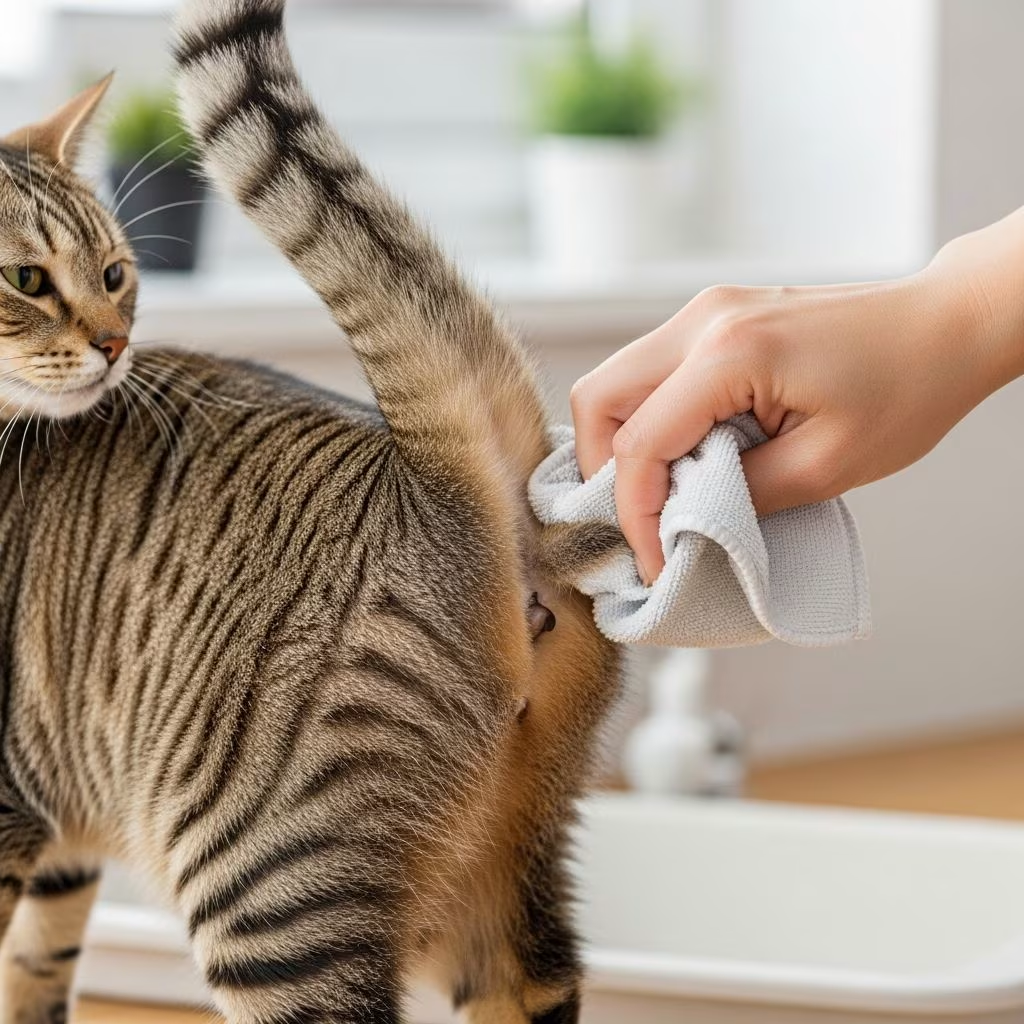
How to Clean Your Cat’s Butt: A Complete Guide for Cat Owners
Most cats are naturally fastidious animals that spend considerable time grooming themselves throughout the day. However, there are situations when your feline companion may need assistance with personal hygiene, particularly in the rear end area. Understanding how to properly clean your cat’s bottom is an essential skill for responsible pet ownership, especially for those with senior cats, cats experiencing digestive issues, or those with mobility challenges.
When Your Cat Needs Help Cleaning
Cats typically maintain their own cleanliness without intervention from their human companions. However, certain circumstances may make it necessary for you to step in and provide assistance with cleaning your cat’s rear end. Recognizing these situations is the first step toward maintaining your cat’s health and comfort.
- Senior cats: As cats age, they often become less agile and may struggle to reach their rear end for proper grooming. Arthritis and decreased flexibility make it difficult for older cats to maintain the same grooming standards they once did.
- Loose stools or diarrhea: Digestive upset can result in soiling that cats cannot clean effectively on their own, leading to matted fur and potential skin irritation.
- Obesity: Overweight cats may have difficulty reaching their hindquarters for grooming purposes.
- Long-haired breeds: Cats with longer fur are more prone to feces becoming tangled in their coat, making self-cleaning inadequate.
- Anal gland issues: Cats experiencing anal gland problems may engage in excessive scooting and require regular cleaning.
- Post-surgical recovery: Cats healing from surgery may be unable to groom themselves properly during the recovery period.
- Behavioral changes: If your cat has stopped grooming themselves for any reason, medical attention and cleaning assistance may be necessary.
Preparing Your Cat for Cleaning: Building Trust and Comfort
One of the most critical aspects of successfully cleaning your cat’s bottom is proper preparation and desensitization. Rushing into the process without adequately preparing your cat can lead to stress, injury, and resistance to future grooming attempts. Patience is absolutely essential when working with feline companions.
Gradual Desensitization Process
Begin by helping your cat become comfortable with being handled in sensitive areas. This process should take place over several weeks and should be done at your cat’s pace. Some cats are naturally more tolerant of handling, while others require extensive patience and positive reinforcement.
- Start by gently handling your cat’s body in non-sensitive areas while they’re relaxed on your lap or a comfortable surface.
- Progress gradually toward more sensitive areas, rewarding calm behavior with treats and praise.
- Practice gentle restraint in whatever position your cat finds most comfortable—many cats prefer lying on their lap or on a table.
- Finally, practice gently lifting your cat’s tail without rushing into cleaning.
- Reward each successful step with positive reinforcement to build positive associations with the handling.
Using Distractions and Positive Reinforcement
Distraction techniques can be invaluable when cleaning your cat’s rear end. A well-timed ear rub can send some cats into a state of relaxation that makes the cleaning process much easier. Kittens and younger cats may respond better to food-based distractions or interactive toys. Even simple movements, such as fingers tapping on a table, can hold your cat’s attention during the cleaning process.
Essential Supplies and Preparation
Before beginning the actual cleaning process, gather all necessary supplies within arm’s reach. Having everything prepared beforehand prevents unnecessary stress and ensures the process goes smoothly.
Required Cleaning Materials
| Supply | Purpose | Notes |
|---|---|---|
| Warm Water | Primary cleaning agent | Must be body temperature; never use cold water |
| Cotton Balls/Pads | Gentle application and wiping | Soft and easy for cat tolerance |
| Pet Shampoo | Thorough cleaning when needed | Gentle, soothing formulas preferred |
| Wet Wipes | Quick cleanup of fresh waste | Cat-specific wipes recommended |
| Soft Towels | Drying and protection | Place under cat to collect excess water |
| Protective Gloves | Health protection | Guard against disease transmission |
| Fine-toothed Comb | Remove dried feces from fur | Useful for long-haired cats |
| Small Scissors | Trim matted or soiled fur | Use with extreme caution |
Safety Considerations
Always wear protective gloves when cleaning your cat’s rear end, as this area can harbor bacteria and parasites that may be transmissible to humans. Conditions such as toxoplasmosis can pass from cat feces to people, making glove protection an important hygiene measure. Never begin the cleaning process without taking this precaution seriously.
Step-by-Step Cleaning Process
Step 1: Initial Assessment
Before you begin cleaning, assess the situation to determine whether you’re dealing with fresh waste or dried feces. This assessment will help you choose the most appropriate cleaning method and prevent unnecessary scrubbing.
Step 2: Quick Removal of Fresh Waste
If your cat has fresh feces around their bottom, start by using wet wipes or a damp cloth to gently wipe away the worst of the waste. Pet-specific wet wipes are ideal for this purpose and are gentler on your cat’s skin than regular wipes. Work in one direction away from the genital area to prevent contamination and cross-contamination.
Step 3: Addressing Dried Feces
Dried or stubborn feces require a different approach. Spray your cat’s bottom with warm water or allow your cat to sit in a shallow bath of warm water to soften the dried material. This softening process makes removal much easier and less uncomfortable for your cat. Once the feces have softened, use a fine-toothed comb to gently work through the fur and remove the waste.
Step 4: Trimming Matted or Soiled Fur
For long-haired cats, matted hair is a significant health risk and can cause considerable discomfort. If combing and washing don’t fully remove soiled fur, carefully trim away the affected hair using small scissors. Be extremely cautious during this step to avoid accidentally cutting your cat’s delicate skin. If you’re uncomfortable performing this task, consult a professional groomer or veterinarian.
Step 5: Warm Water Preparation
Never use cold water on your cat’s sensitive rear end unless specifically instructed to do so by your veterinarian. Just like humans, cats have sensitive skin and sudden exposure to cold water can be shocking and uncomfortable. Warm the water to your cat’s body temperature before use. This temperature makes the experience far more pleasant for your feline companion and promotes better cooperation.
Step 6: Washing and Rinsing
If simple wiping hasn’t achieved satisfactory cleanliness, proceed to washing. Use warm water combined with a gentle pet shampoo, washing in a circular motion until the area appears clean. Work slowly and talk to your cat in soothing tones to keep them calm. After washing, thoroughly rinse away all soap residue using warm water and clean cotton pads. Any product left on the skin can cause irritation and itching.
Step 7: Drying
Gently pat the area dry using a soft towel. Avoid rubbing vigorously, as this can cause discomfort. Placing a towel underneath your cat during the entire cleaning process not only protects your furniture but also provides a comfortable surface for your cat to stand on and helps collect excess water.
Choosing the Right Cleaning Products
Safe Product Options
When selecting products for cleaning your cat’s rear end, safety should be your primary concern. Not all human cleaning products or even some pet products are appropriate for this sensitive area.
- Warm water alone: Often sufficient for routine cleaning and the safest option available.
- Chlorhexidine solutions: Products containing chlorhexidine suitable for topical pet use generally provide safe antibacterial properties without causing irritation.
- Gentle pet shampoos: Specifically formulated for pets and labeled as gentle or soothing are appropriate for regular cleaning.
- Cat-specific wet wipes: Designed with feline safety in mind and convenient for quick cleanups.
Products to Avoid
Certain products should never be used on your cat’s sensitive skin. Avoid harsh chemicals, products with strong odors that may cause undue stress, or anything designed for human use. Products containing irritants or strong fragrances can cause skin damage and behavioral stress. Always read product labels carefully and consult your veterinarian if you’re unsure whether a product is safe for your cat.
When Your Cat Has Sensitive Skin
If your cat’s anus is very sore from excessive scooting or grooming, or if your cat is prone to sensitive skin conditions, your veterinarian should advise you on appropriate products. Some cats benefit from a small amount of soothing barrier cream applied after cleaning, but never apply any topical products without first consulting your veterinarian. Self-diagnosis and treatment can sometimes worsen existing conditions.
Handling Stressed or Difficult Cats
Not all cats cooperate happily with personal hygiene assistance. Some cats display anxiety, fear, or aggressive behaviors when their rear end is touched. Understanding how to manage a stressed cat is crucial for both your safety and your cat’s wellbeing.
Professional Grooming Services
If your cat becomes extremely stressed during cleaning attempts or if the area requires urgent attention, professional grooming services can be invaluable. Many pet groomers offer feline-friendly services specifically designed for anxious or difficult cats. Ask your local groomer about their experience with cats and their approach to handling stressed animals.
Veterinary Assistance
Your veterinarian and veterinary technicians can provide professional cleaning services in a clinical setting where your cat may feel more secure. Vet techs can also offer invaluable advice on home grooming techniques tailored to your individual cat’s personality and needs. In some cases, your veterinarian may recommend anti-anxiety medications or even light sedation to help your cat through the cleaning process safely and comfortably.
Understanding the Root Causes
While cleaning your cat’s rear end addresses the immediate issue, understanding why your cat needs cleaning in the first place is equally important for long-term health management.
Common Underlying Issues
- Digestive problems: Chronic diarrhea or loose stools are among the most common reasons cats need cleaning assistance.
- Anal gland complications: Impacted or infected anal glands can cause discomfort and lead to excessive scooting.
- Mobility issues: Arthritis, obesity, or age-related decline in flexibility prevents proper self-grooming.
- Parasites: Intestinal parasites such as tapeworms can cause scooting and dirty bottoms.
- Skin conditions: Allergies or dermatitis may cause excessive anal licking or grooming.
When to Consult Your Veterinarian
If your cat requires frequent cleaning or shows signs of anal gland problems, skin irritation, or behavioral changes related to their rear end, schedule a veterinary appointment. Your vet can identify underlying health issues and recommend appropriate treatment, potentially eliminating the need for frequent manual cleaning.
Frequently Asked Questions
Q: How often should I clean my cat’s butt?
A: Healthy cats rarely need cleaning if they’re grooming themselves properly. Only clean when necessary—when you notice visible soiling or if your cat has health issues preventing self-grooming.
Q: Can I use baby wipes to clean my cat’s bottom?
A: While baby wipes may seem gentle, cat-specific wet wipes are preferable as they’re formulated with feline safety in mind. If you must use alternatives, choose unscented, hypoallergenic options and rinse the area afterward.
Q: What if my cat has diarrhea and needs frequent cleaning?
A: Chronic diarrhea requiring frequent cleaning indicates an underlying health issue. Contact your veterinarian to diagnose the cause—whether dietary, infectious, or parasitic—and address the root problem.
Q: Is it safe to bathe my cat to clean their bottom?
A: A full bath is often unnecessary and can cause undue stress. Focus on just the affected area with warm water and gentle products. Reserve full baths for situations where the entire rear area is heavily soiled.
Q: What should I do if my cat’s anal gland appears swollen?
A: Swollen or inflamed anal glands require veterinary attention. Do not attempt to express them yourself, as this requires professional training. Schedule an appointment with your veterinarian promptly.
Q: Can I trim my cat’s fur around the anus myself?
A: Trimming can be done carefully with small scissors, but many owners prefer professional grooming to avoid accidental injury to delicate skin. If you attempt it, work slowly and carefully, stopping if your cat becomes agitated.
Q: How do I know if my cat’s bottom is actually dirty versus another issue?
A: Visible feces or soiling indicates dirtiness requiring cleaning. Scooting, excessive licking, or redness may indicate anal gland problems, parasites, or skin issues requiring veterinary evaluation rather than simple cleaning.
References
- How To Clean a Cat’s Butt In 6 Simple Steps — Cats.com. 2024. https://cats.com/how-to-clean-a-cats-butt
- Cat Dragging Butt? 6 Common Causes and How To Stop It — PetMD. 2024. https://www.petmd.com/cat/symptoms/cat-dragging-butt



