

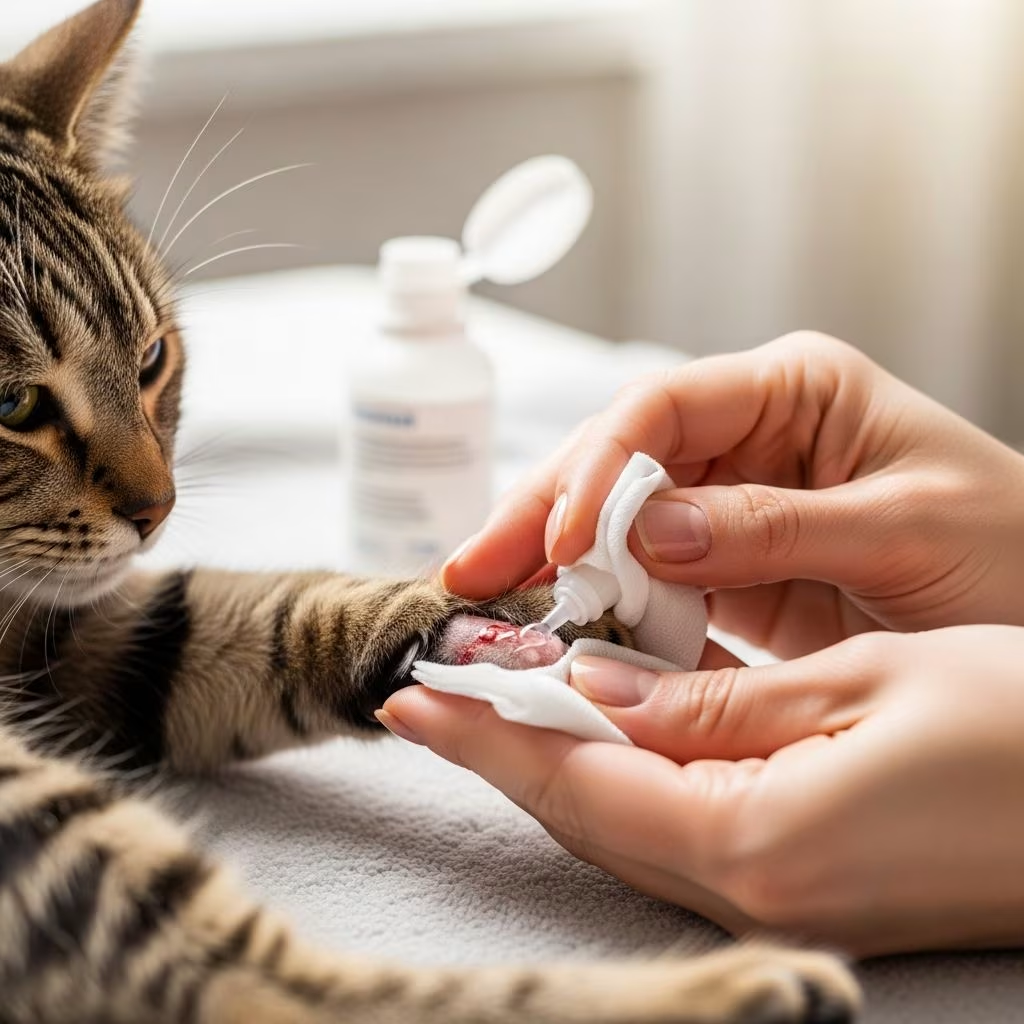
Cats are agile creatures, but accidents happen—scratches from rough play, bites from territorial fights, or punctures from sharp objects can leave wounds that need prompt attention. Knowing how to clean a cat wound properly can prevent infections, speed healing, and avoid costly vet visits. This guide draws from veterinary best practices to walk you through assessment, first aid, cleaning techniques, and ongoing care. Always prioritize safety: if the wound is deep, bleeding heavily, or shows infection signs, seek professional veterinary care immediately.
Understanding Cat Wounds: Types and Causes
Cat wounds vary in severity and origin. Common types include:
- Cuts and abrasions: Superficial scrapes from falls or encounters with rough surfaces. These often stop bleeding quickly and affect only the outer skin layer.
- Bite wounds and punctures: Frequent in outdoor or multi-cat households, these deep injuries from fangs introduce bacteria deep into tissues, risking abscesses.
- Lacerations: Deeper tears requiring stitching, often from fights or accidents.
- Abscesses: Pus-filled swellings from infected bites, appearing as firm lumps that may burst open.
Causes range from cat fights (most common in unneutered males) to household hazards like glass shards or machinery. Indoor cats face fewer risks, but vigilance is key. Early intervention reduces complications like sepsis or chronic pain.
Signs Your Cat Has a Wound
Cats are masters of hiding pain, so watch for subtle cues:
- Visible injury: Bleeding, swelling, hair loss, or open sores.
- Behavioral changes: Limping, reluctance to jump, aggression when touched, or excessive grooming/licking.
- Infection indicators: Redness, heat, pus (yellow/green discharge), foul odor, fever (warm ears/nose), or lethargy.
- Abscess signs: Soft, squishy lumps under skin, often on face, legs, or tail base.
If your cat hides more than usual or stops eating, it could signal a serious wound. Check hidden areas like paws, mouth, and under fur daily, especially for outdoor cats.
Assess the Wound: When to Act at Home vs. Vet Visit
Not all wounds need a vet, but misjudging severity can worsen outcomes. Use this table to triage:
| Wound Type | Home Care OK? | Vet Needed If… |
|---|---|---|
| Small/shallow (<1 inch, stops bleeding in minutes) | Yes, with caution | Doesn’t stop bleeding, on face/joints, or cat in pain. |
| Deep puncture/bite | No | Any depth; always risks hidden infection. |
| Laceration/bleeding profusely | No | Bleeds >10-15 min despite pressure. |
| Abscess/swelling | No | Pus, fever, or bursting open. |
For minor wounds, proceed with first aid. Otherwise, transport safely—use a towel wrap or carrier to prevent scratches.
Step-by-Step: How to Clean a Cat Wound at Home
Gather supplies: Clean gauze, saline solution (1 tsp salt in 2 cups warm water), oral syringe (no needle), gloves, towel for restraint, cat-safe antibiotic spray (vet-approved only). Work in a quiet room to minimize stress.
- Restrain safely: Wrap in a towel (purrito style), exposing only the wound. If cat panics or pants rapidly, stop and call vet.
- Stop bleeding: Apply gentle pressure with gauze for 5-10 minutes. Elevate limb if possible. If no clot forms, seek emergency care.
- Flush the wound: Use syringe to irrigate with saline or clean water for 1-2 minutes, removing debris without rubbing. Saline is ideal as it’s non-irritating.
- Clean gently: Pat dry with fresh gauze. For minor wounds, apply thin layer of cat-safe antimicrobial hydrogel or spray. Avoid hydrogen peroxide, alcohol, or human products—they delay healing or are toxic.
- Monitor: Bandage loosely if on limb (change daily), but most cat wounds heal open. Prevent licking with e-collar.
Repeat cleaning 1-2x daily if discharge appears, but gently massage edges to promote drainage.
Professional Wound Cleaning: What Vets Do
For serious cases, vets provide thorough treatment under sedation:
- Clip hair, apply sterile lube, flush with saline/chlorhexidine, debride dead tissue.
- Suture if clean; leave open for drainage if infected. Abscesses are lanced, drained, and packed.
- Antibiotics, pain meds, and drains for abscesses.
- Bandages or suits for protection.
Follow-up cleans ensure healing. Home prep: Fast overnight if anesthesia needed.
Post-Cleaning Care: Healing and Prevention of Infection
Healing takes 7-14 days for minor wounds; deeper ones longer. Key tips:
- Prevent licking: E-collar, medical suit, or bitter spray.
- Medications: Give full antibiotic/pain course as prescribed. Topical honey or creams only if vet-approved.
- Environment: Limit exercise, confine indoors, keep wound dry.
- Monitor progress: Clean if discharge; watch for worsening (more swelling, odor).
Signs to re-vet: Fever, refusal to eat, spreading redness.
Common Mistakes in Cat Wound Care to Avoid
- Using wrong cleaners: No peroxide, alcohol, or soap.
- Ignoring bites: They abscess quickly.
- Bandaging too tight: Causes necrosis.
- Skipping vet for deep wounds: Hidden damage lurks.
- Early wound closure: Traps infection.
Preventing Cat Wounds in the First Place
Proactive steps reduce risks:
- Spay/neuter to curb fights.
- Supervise outdoor time or keep indoors.
- Regular vet checkups for early detection.
- Secure household hazards: Remove sharp objects, toxic plants.
Frequently Asked Questions (FAQs)
What is the best thing to clean a cat wound with?
Warm saline solution or water is safest for flushing. Vet-approved antimicrobials follow.
Is salt water good for cat wounds?
Yes, unmedicated saline (salt water) effectively cleans without irritation.
Should I bandage a cat wound?
Only loosely for limbs if advised; most heal open to drain.
How do you treat a cat puncture wound?
Don’t remove objects yourself; flush if small, but rush to vet for antibiotics/debridement.
When does a cat wound need antibiotics?
Bites, punctures, abscesses, or infection signs always do—vet-prescribed only.
References
- Cleaning wounds in cats — Joii Pet Care. 2023. https://www.joiipetcare.com/blogs/procedures-and-medication/cleaning-wounds-in-cats
- Cat Wound Care — South Hillsdale Animal Hospital. 2024-04-30. https://www.southhillsdaleah.com/site/blog/2024/04/30/cat-wound-care
- Cat Wound Care: Scratches, Bites, Punctures [Step-By-Step] — Sploot Vets. 2023. https://www.splootvets.com/post/cat-wound-care-scratches-bites-punctures-step-by-step
- Care of Open Wounds in Cats — VCA Animal Hospitals. 2024. https://vcahospitals.com/know-your-pet/care-of-open-wounds-in-cats
- Healing Cat Wounds: Cleaning, Care, and When to See a Vet — Vetericyn. 2023. https://vetericyn.com/blogs/vetericyn/how-to-heal-cat-wounds
- Cat Fights and Wound Care — Fur Gent Care Vet. 2023. https://www.furgentcarevet.com/blog/cat-fights-and-wound-care-what-to-watch-for-what-to-do-and-when-to-call-the-vet



