

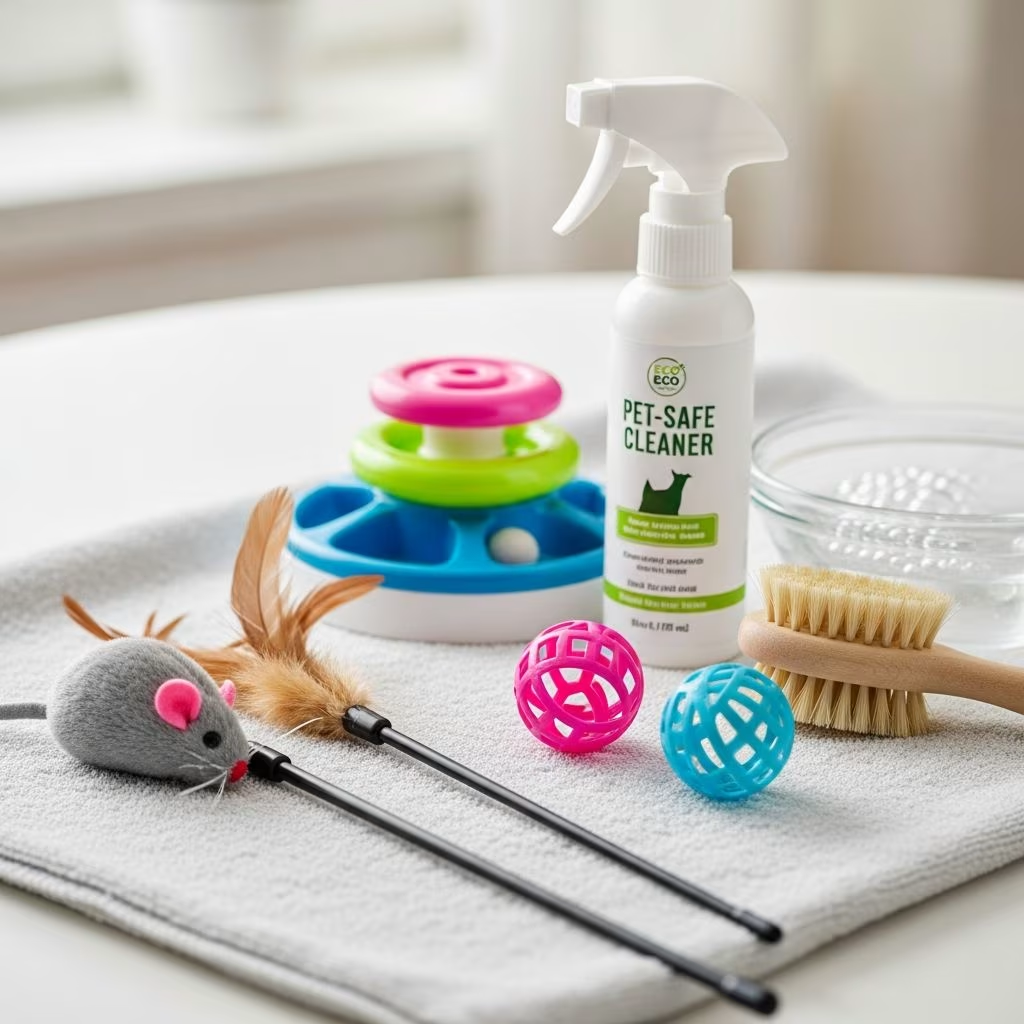
Cleaning your cat’s toys is essential for maintaining their health and hygiene. Cats explore the world with their mouths, so toys can harbor bacteria, dirt, saliva, and even parasites if not cleaned regularly. Regular cleaning prevents the buildup of germs that could lead to infections or digestive issues in your pet. This comprehensive guide covers methods for different toy types, cleaning frequencies, safety precautions, and more, ensuring your cat’s playtime remains fun and safe.
Why Cleaning Cat Toys Matters
Cat toys accumulate grime quickly from play sessions involving drool, dirt, hair, and outdoor debris. Unclean toys can become breeding grounds for bacteria like Salmonella or parasites, posing risks to both cats and humans in the household. According to health guidelines, proper cleaning of pet supplies reduces these hazards significantly. Neglecting this can lead to veterinary visits for issues like gastrointestinal upset. By establishing a routine, you extend toy lifespan and keep your cat engaged without health worries.
How Often Should You Clean Cat Toys?
The cleaning frequency depends on toy type, usage, and your cat’s habits. High-use items need more attention to prevent odor and germ buildup.
- Soft or fabric toys: Clean weekly, as they absorb moisture and dirt easily.
- Hard plastic or rubber toys: Every two weeks suffices for lightly soiled items.
- Interactive or treat-dispensing toys: After every use to avoid mold or spoiled food residue.
- Catnip toys: Weekly or when scent fades, but avoid soaps to preserve appeal.
Inspect toys during cleaning for wear; discard damaged ones to prevent choking hazards.
Cleaning Different Types of Cat Toys
Fabric and Plush Toys
Fabric toys like stuffed mice or balls trap dirt and bacteria due to their porous nature. Use mild, pet-safe methods to avoid residue that cats might ingest.
Hand-washing steps:
- Fill sink with hot water.
- Add a small amount of mild, unscented detergent or pet-safe soap.
- Soak toys for 10-30 minutes.
- Gently agitate and scrub stains with a soft brush.
- Rinse thoroughly until water runs clear.
- Squeeze out excess water and air dry.
Machine-washing: Place in a mesh bag, use hot water on delicate cycle with minimal detergent. Avoid fabric softeners. Hang dry to prevent chemical residues.
Vinegar alternative: Soak in equal parts water and white vinegar for natural disinfection, then rinse well.
Rubber, Nylon, and Plastic Toys
These durable toys withstand more rigorous cleaning but check labels for heat tolerance. Plastics often require hand-washing to avoid warping.
Hand-washing:
- Fill sink with lukewarm water and pet-safe soap.
- Soak 5-10 minutes.
- Scrub crevices with a brush.
- Rinse completely and air dry.
Dishwasher-safe (rubber/nylon): Top rack, gentle cycle, cool water, minimal detergent. Vinegar soak (1:2 vinegar-water) works for quick sanitizing.
Note: Never dishwasher plastic without instructions; it may leach chemicals.
Catnip Toys
Catnip toys need special care to retain scent and texture. Harsh chemicals ruin the nip.
- Soak in hot water 5-10 minutes to dislodge debris.
- Swish gently; no soap.
- Wring and hang dry.
- For microwavable ones: Damp wipe, microwave 1 minute (check safety first).
Use pet-safe disinfectant sprays for surfaces.
Other Toy Types
- Wand toys with feathers: Wipe strings with vinegar solution; air dry.
- Balls and bells: Soak in soapy water, shake out, dry fully.
- Treat puzzles: Disassemble, wash post-use with hot soapy water.
Safe Cleaning Supplies and Methods
Stick to non-toxic options to protect your cat.
| Method | Best For | Pros | Cons |
|---|---|---|---|
| Hot water + mild soap | All toys | Simple, effective bacteria kill | Requires thorough rinsing |
| Vinegar solution | Fabric, hard toys | Natural disinfectant, odor neutralizer | Strong smell (fades) |
| Baking soda | Plush, odors | Deodorizes naturally | Not for deep cleaning |
| Steam cleaning | Hard surfaces | Chemical-free sanitizing | Needs equipment |
| Pet-safe disinfectants | Quick wipes | Convenient | Check for cat-safety |
Avoid bleach, harsh chemicals, or dryer sheets. Always rinse well and dry completely to prevent mold.
Safety Tips for Cleaning Cat Toys
- Read labels: Follow manufacturer care instructions.
- Inspect regularly: Replace if torn, as loose parts pose choking risks.
- Separate cleaning: Wash cat toys away from human laundry/items.
- Dry fully: Damp toys breed bacteria; air dry in sunlight if possible.
- Supervise play: Monitor for chewing that requires immediate discard.
- Enzymatic cleaners: Use for organic stains like urine; pet-formulated only.
Common Mistakes to Avoid
Steer clear of these pitfalls for effective, safe cleaning:
- Using human dish soap excessively—leaves toxic residue.
- Machine-washing non-approved plastics—causes melting.
- Skipping rinses—soap ingestion harms digestion.
- Ignoring drying—leads to mildew.
- Overlooking catnip toys with detergents—destroys appeal.
Frequently Asked Questions (FAQs)
Can I put cat toys in the washing machine?
Yes, machine-washable fabric toys in a mesh bag on delicate. Avoid plastics unless specified.
Is vinegar safe for cleaning cat toys?
Yes, diluted white vinegar disinfects naturally without harming cats when rinsed well.
How do I clean cat toys without soap?
Hot water soaks or vinegar solutions work for catnip toys; steam for hard surfaces.
What if my cat chews toys a lot?
Clean more frequently and replace heavily damaged ones to avoid ingestion risks.
Can I use the dishwasher for cat toys?
Only rubber/nylon on gentle cycle; never plastics without label approval.
Conclusion
Maintaining clean cat toys promotes a healthier, happier feline companion. With these methods, your cat’s play arsenal stays fresh and safe. Integrate cleaning into weekly routines for best results.
References
- About Cleaning and Disinfecting Pet Supplies — Centers for Disease Control and Prevention (CDC). 2023-10-01. https://www.cdc.gov/healthy-pets/about/cleaning-and-disinfecting-pet-supplies.html
- How To Clean Cat Toys (Step-by-Step) — Dutch. 2024-05-15. https://www.dutch.com/blogs/cats/how-to-clean-cat-toys
- How to Clean Cat Toys Naturally (& Why It’s Important) — Adored Beast Apothecary. 2023-11-20. https://blog.adoredbeast.com/how-to-clean-cat-toys-naturally-why-its-important/
- Can Cat Toys Be Washed? A Hygiene Guide for Feline Playthings — Repounce. 2024-02-10. https://repounce.com/blogs/news/can-cat-toys-be-washed-a-hygiene-guide-for-feline-playthings
- Cat Toy Washing Instructions: A Comprehensive Guide — Uahpet. 2024-01-05. https://www.uahpet.com/blogs/post/cat-toy-washing-instructions-a-comprehensive-guide



