

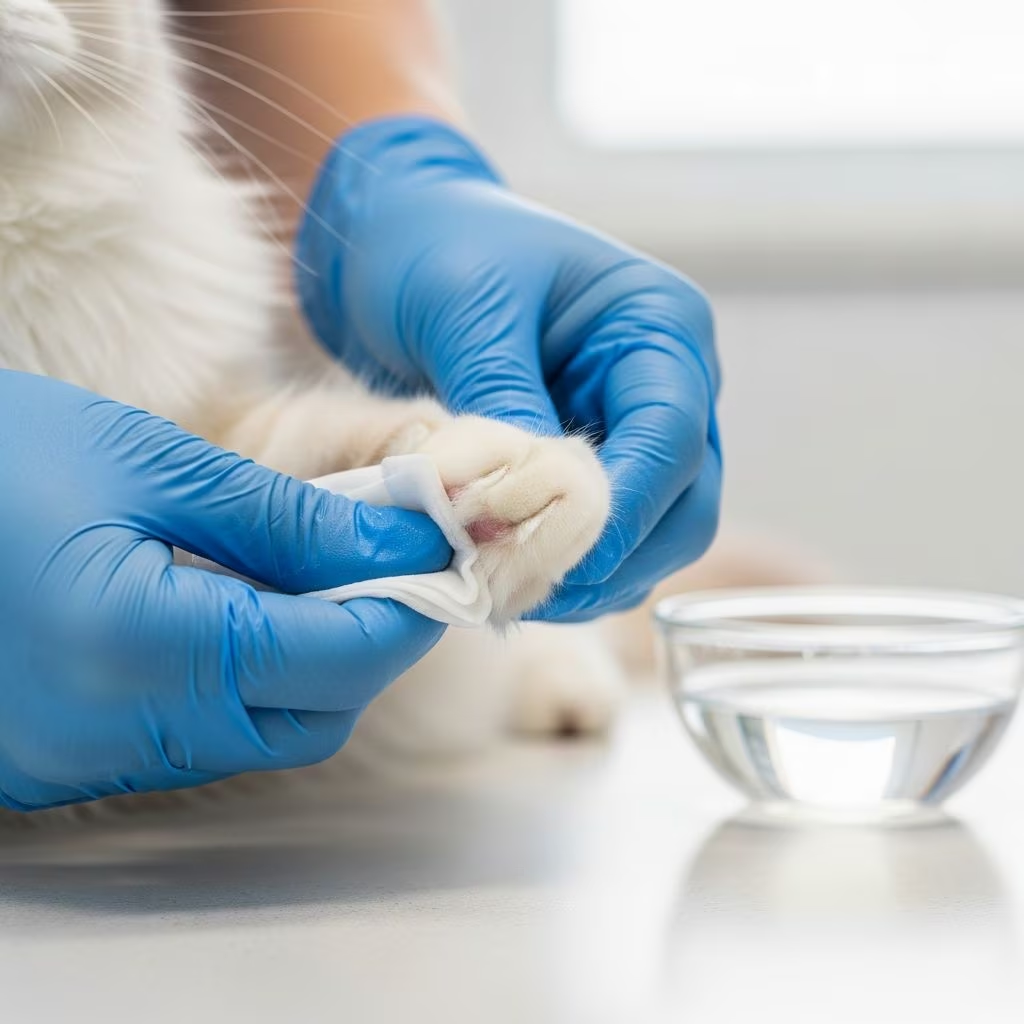
Cleaning your cat’s paws is an essential part of feline grooming that promotes overall health and prevents ingestion of harmful substances. Cats are meticulous groomers, often licking their paws clean, which means dirt, litter, chemicals, or allergens tracked from walks or litter boxes can end up in their system. Regular paw cleaning reduces risks of infections, skin irritations, and digestive issues while helping you monitor for injuries early. This comprehensive guide covers everything from supplies to techniques, tailored for both indoor loungers and outdoor adventurers.
Why Clean Your Cat’s Paws?
Maintaining clean paws goes beyond aesthetics—it’s a health imperative. Outdoor cats encounter pavement grit, lawn chemicals, ice melt, or urban pollutants, while indoor cats deal with litter dust and household debris. Unclean paws lead to excessive licking, potential toxicity from chemicals, or bacterial buildup causing pododermatitis (inflamed paw pads). Daily or post-activity wipes catch problems like cuts, swelling, or foreign objects before they escalate. Vets recommend paw inspections as part of routine care to ensure paw pads—those shock-absorbing cushions—remain supple and crack-free. Clean paws also mean less mess on your furniture and floors.
- Health Benefits: Prevents ingestion of toxins and reduces infection risk.
- Detection: Early spotting of injuries or abnormalities.
- Comfort: Keeps pads moisturized, avoiding dryness or cracking.
- Hygiene: Minimizes litter tracking and allergens in the home.
Choosing the Right Cleaner
Select cat-specific products to avoid harmful ingredients cats might ingest during grooming. Human soaps, essential oils, or fragranced wipes can cause gastrointestinal upset or skin reactions. Opt for unscented, alcohol-free options like pet wipes, diluted cat shampoos, or waterless sprays. For water-hating cats, waterless no-rinse shampoos and paw wipes simplify the process without baths.
| Product Type | Best For | Key Features | Examples |
|---|---|---|---|
| Pet Wipes | Quick daily cleans | Unscented, biodegradable, lick-safe | Hepper Wash Wipes |
| Waterless Shampoo | Water-averse cats | No rinsing needed, refreshes fur | Hepper Dry Shampoo |
| Diluted Cat Shampoo | Stubborn dirt | Mild, pH-balanced for cats | Vet-recommended brands |
| Paw Balm | Dry/cracked pads | Moisturizing, protective barrier | Veterinarian-approved butters |
Always test a small area first and consult your vet for cats with sensitivities.
Essential Supplies for Cat Paw Cleaning
Gather these basics for efficient, gentle cleaning:
- Lukewarm Water: In a shallow bowl for rinsing.
- Soft Cloths/Towels: Microfiber or lint-free for wiping and drying.
- Pet-Safe Wipes: For no-water options.
- Diluted Cat Shampoo: For heavy soiling.
- Paw Balm: For post-clean moisturizing.
- Treats/Toys: For positive reinforcement.
- Fine-Tooth Comb: Optional for debris removal.
Keep supplies in a dedicated kit near the litter box or entry point for convenience.
How to Clean a Cat’s Paws: Step-by-Step Guide
Follow these vet-approved steps for safe, effective cleaning. Aim for a calm environment, perhaps during cuddle time, and use treats liberally.
1. Take a Look at Your Cat’s Feet
Start with a gentle inspection. Hold each paw softly, spreading toes to check pads, nails, and between toes for cuts, swelling, debris, litter clumps, or cracks. Note any limping, redness, or unusual odors—these warrant a vet visit. This step acclimates your cat to handling and catches issues early.
2. Start by Rinsing
Pour lukewarm water into a bowl. Dip each paw briefly (1-2 seconds) to loosen dirt—most cats tolerate this better than full soaks. Shake off excess and offer praise/treats. Skip if your cat panics; proceed to wipes.
3. Wipe Their Feet
Use a damp microfiber cloth or pet wipe to gently massage pads, between toes, and around nails. Apply light pressure, mimicking a cat’s grooming motion. For litter, soften first with water then wipe away. Re-wet as needed for filthy paws.
4. Ensure That You Clean Between Their Toes
Stubborn dirt hides here—use fingers or a soft brush with diluted shampoo to dislodge. Rinse thoroughly with a clean damp cloth to remove residue. Be extra gentle; toes are sensitive.
5. Dry Thoroughly
Pat dry with a soft towel, ensuring no moisture lingers, especially in furry paws. Moisture breeds bacteria. Air-dry if needed, but supervise to prevent floor dirt.
6. Moisturize if Needed
For dry pads, apply a thin layer of vet-approved balm. Massage in during petting sessions for pampering.
Tips for Making Paw Cleaning Stress-Free
Many cats resist paw handling—turn it into a positive ritual:
- Positive Reinforcement: Treats, play, or scratches post-clean build tolerance.
- Routine: Daily for outdoor cats; weekly for indoors.
- Gentle Approach: Slow movements, calm voice; start young.
- Timing: After meals or play when relaxed.
- Desensitization: Gradually touch paws during daily pets.
For walks, booties protect from harsh surfaces like hot pavement or salt.
How Often Should You Clean Your Cat’s Paws?
Frequency depends on lifestyle:
- Indoor Cats: Weekly or as needed post-litter use.
- Outdoor/Walk Cats: Daily, especially after adventures.
- Triggers: Mud, chemicals, winter salt—clean immediately.
Over-cleaning dries pads; under-cleaning risks health.
Common Mistakes to Avoid
Steer clear of these pitfalls:
- Using human products (toxic if licked).
- Harsh scrubbing (irritates pads).
- Skipping drying (bacteria risk).
- Ignoring inspections (missed injuries).
- Forcing resistant cats (builds fear).
Frequently Asked Questions (FAQs)
Can I use baby wipes on cat paws?
Unscented, alcohol-free ones sparingly, but pet wipes are safer for ingestion.
How often should I clean my cat’s paws?
Daily for outdoor cats; weekly for indoor. Adjust for dirt exposure.
What if my cat won’t let me clean their paws?
Use distraction, gradual training, or vet for severe resistance.
Is paw balm safe for cats?
Yes, if vet-approved and lick-safe; avoids dryness.
What are signs of paw problems?
Limping, swelling, cracks, excessive licking—see a vet promptly.
Conclusion
Regular paw cleaning fosters a healthier, happier cat. Consistency pays off in prevented vet bills and cozier cuddles. Consult your veterinarian for personalized advice, especially with pre-existing conditions.
References
- Cat Paw Care Tips: Nails, Pads, and More — WebMD. 2023-05-15. https://www.webmd.com/pets/cats/cat-paws
- How to Clean Cat Paws: Vet-Approved Step-by-Step Guide — Catster. 2024-08-20. https://www.catster.com/cat-health-care/how-to-clean-cat-paws/
- How to Care for Your Cat’s Paw Pads — Hill’s Pet Nutrition. 2024-03-10. https://www.hillspet.hk/en-hk/cat-care/routine-care/how-to-care-for-cat-paw-pads
- Practical Tips For Cat Paw Care — Multipet. 2023-11-05. https://www.multipet.com/practical-tips-for-cat-paw-care/
- How to Clean Your Cat’s Paws — Beverly Hills Veterinary Associates. 2024-01-12. https://www.beverlyhillsvets.com/blog/how-to-clean-your-cats-paws/



