
How to Clean a Cat Litter Box: Complete Guide
Master proper litter box cleaning techniques to keep your cat healthy and your home fresh.
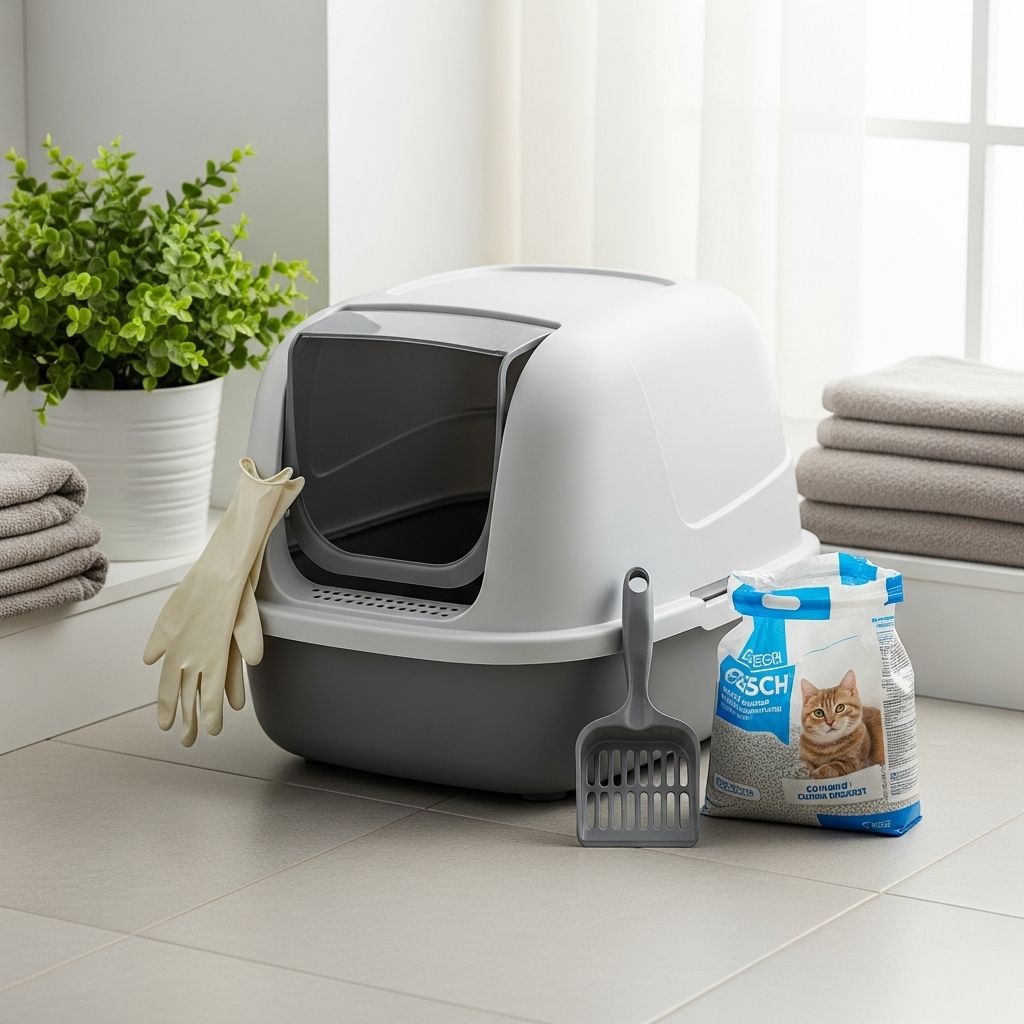
How to Clean a Cat Litter Box: A Complete Guide
Keeping your cat’s litter box clean is one of the most important responsibilities of cat ownership. A clean litter box is essential not only for maintaining a fresh-smelling home but also for your cat’s health and well-being. Cats are naturally clean animals and prefer a sanitary environment where they can do their business comfortably. When litter boxes become dirty or neglected, cats may refuse to use them and instead seek alternative places in your home to eliminate, which can lead to behavioral issues and potential health concerns. Understanding the proper cleaning techniques and schedules will help you maintain an optimal environment for both you and your feline companion.
Why Litter Box Cleanliness Matters
The cleanliness of your cat’s litter box directly impacts your cat’s behavior and health. Cats are fastidious creatures with high standards for hygiene, and a soiled or poorly maintained litter box can be extremely off-putting to them. When litter boxes are not kept clean, cats often refuse to use them altogether, which can result in inappropriate elimination throughout your home. Additionally, a dirty litter box can harbor bacteria and parasites that may pose health risks to both your cat and your family members. By maintaining a consistent cleaning schedule, you create a pleasant space that encourages your cat to use the litter box regularly and reduces the likelihood of accidents elsewhere in your home.
Daily Litter Box Cleaning Routine
The foundation of litter box maintenance is daily scooping. Most cats produce waste two or more times per day, so regular scooping is crucial to maintaining cleanliness. Here’s what you need to know about daily cleaning:
Daily Scooping Schedule
You should scoop your cat’s litter box at least once per day, though ideally you should check and scoop the box twice daily or more, depending on your cat’s habits and the number of cats you have. The best approach is to establish a consistent scooping schedule, similar to brushing your teeth, so it becomes an automatic part of your daily routine. Consistency matters because it helps prevent odor buildup and keeps the litter box in an inviting condition for your cat.
Scooping Best Practices
When scooping, use a dedicated litter scoop to remove waste clumps from the litter box. Place the removed waste directly into a trash can to prevent odors from spreading through your home. After removing the waste, it’s a good idea to add fresh litter to replace what you’ve removed. You can also sprinkle a small amount of baking soda into the litter to help absorb odors naturally. This simple daily maintenance goes a long way in keeping your home smelling fresh and your cat satisfied with their bathroom facilities.
Weekly Deep Cleaning Protocol
While daily scooping is essential, your litter box also requires a thorough weekly cleaning to remove bacteria, eliminate stubborn odors, and maintain overall hygiene. Here’s a step-by-step approach to weekly deep cleaning:
Complete Litter Box Emptying
At least once per week, completely empty all the litter from the box into the trash can. This removes any remaining debris, urine-soaked litter, and bacteria that may have accumulated even after daily scooping. Don’t try to salvage any of the old litter; starting fresh ensures maximum cleanliness.
Washing and Scrubbing
After emptying the box, fill it with hot water and add a small amount of unscented liquid dish soap. Let the box soak for 30 minutes to an hour to break down buildup and kill bacteria. For extra odor elimination, you can add a drop or two of vinegar to the soapy water. Once the soaking time is complete, use a brush designated only for the litter box to scrub the inside thoroughly, paying special attention to corners and crevices where bacteria can hide. This step is critical for removing odor-causing residue that plain scooping cannot address.
Rinsing and Drying
After scrubbing, rinse the box thoroughly with clean water to remove all soap residue. Any remaining soap can be unpleasant to your cat and may discourage box use. Once rinsed, dry the box completely with paper towels before refilling with fresh litter. Moisture left in the box can promote bacterial growth and create an unpleasant environment for your cat.
Monthly Maintenance and Box Replacement
Beyond weekly cleaning, your litter box requires occasional deeper maintenance to remain in optimal condition. Since most litter boxes are made of plastic, they tend to trap odors over time, even with regular cleaning. At least once per month, perform a comprehensive cleaning using an enzyme-based cleanser like Nature’s Miracle to break down odor-causing compounds at the molecular level. Additionally, most experts recommend replacing your litter box entirely once per year, as plastic becomes increasingly porous and odor-absorbing with age.
Choosing the Right Litter Type
The type of litter you use significantly impacts both cleanliness and your cat’s willingness to use the box. Most cats develop preferences based on the litter they used as kittens, and changing types can be problematic. Here are key considerations when selecting litter:
Litter Preferences
Cats strongly prefer clumping, unscented litter with a fine or medium texture. Avoid litters with strong scents like citrus or pine, as most cats find these unpleasant. The texture is equally important; cats don’t like rough, rock-like litter that feels uncomfortable on their paws. When selecting a litter, consider options like Fresh Step Simply Unscented Clumping Clay Cat Litter, which contains activated charcoal to prevent bacterial growth and offers fast absorption.
Litter Depth
The depth of litter in the box also matters considerably. For adult cats, maintain a depth of approximately two to three inches, while kittens prefer about one-half to one inch. If your litter is too deep, cats may become uncomfortable and refuse to use the box. If it’s too shallow, urine may reach the bottom of the box, creating odor problems.
Transitioning Between Litter Types
If you need to switch litter brands or types, do so gradually by mixing the old litter with the new litter over several days. Even a change in litter scent can upset some cats and cause behavioral issues. A gradual transition allows your cat to acclimate to the new litter without stress.
Special Considerations and Safety
While cleaning your cat’s litter box is a routine task, certain populations should take special precautions. If you have a compromised immune system, it’s advisable to wear gloves and a mask when performing deep cleaning tasks. This protects you from potential pathogens in cat waste.
Pregnant women should be particularly careful and should ideally avoid cleaning litter boxes altogether. Although rare, toxoplasmosis—a disease that can be transmitted through cat feces and potentially passed to an unborn child through the placenta—poses serious health risks during pregnancy. If you’re pregnant, delegate litter box cleaning duties to another family member to protect your health and your baby’s development.
Addressing Odor Control
Despite your best efforts at cleaning, litter box odors can sometimes persist. Veterinarian Marty Becker recommends using an odor-eliminating clumping clay litter, such as Fresh Step Odor Shield Litter, to combat this issue. Additionally, consider these odor-control strategies:
Use baking soda sprinkled into the litter to naturally absorb odors. Keep the litter box in a well-ventilated area, away from living spaces if possible. Ensure you’re scooping frequently enough—sometimes increased odor is a sign that your scooping schedule needs to be more frequent. Replace your litter box annually to prevent odor absorption into the plastic material itself.
When Your Cat Refuses the Litter Box
If your cat is refusing to use the litter box, cleanliness is often the culprit. A cat rejecting their litter box is frequently a signal that the box needs more frequent cleaning or that you may need to adjust your litter type or scooping habits. Before assuming your cat has a behavioral or medical problem, evaluate your cleaning routine. Try increasing scooping frequency, switching to a different litter brand, or performing a more thorough deep clean. Many litter box avoidance issues can be resolved simply by improving maintenance and hygiene standards.
Self-Cleaning Litter Box Considerations
Self-cleaning litter boxes can reduce the frequency of manual scooping, but they require specific maintenance. These boxes use a rake mechanism to sift out and remove waste into a receptacle. Most feature sensors that activate the cleaning cycle after your cat leaves the box, with fail-safes to prevent the rake from moving while a cat is present.
If you’re considering a self-cleaning litter box, follow the manufacturer’s instructions carefully. Some automatic boxes require specific types of litter—either clumping or crystal—and using the wrong type can prevent the cleaning cycle from functioning properly. Additionally, if your cat is easily startled by noise, an automatic litter box may not be suitable, as the motor noise could frighten your cat away from using it altogether.
Litter Box Placement and Accessibility
Beyond cleaning, proper litter box placement impacts usage and maintenance. Position the litter box away from your cat’s food and water dishes, as cats don’t like to eat and drink in the same location where they eliminate. For older cats with mobility issues, consider lowering the sides of the box or using a storage container with a cut-down side to make entry and exit easier. A box that’s too difficult to access will discourage use, leading to accidents elsewhere.
FAQs About Litter Box Cleaning
Q: How often should I scoop my cat’s litter box?
A: Scoop your litter box at least once daily, though twice daily or more is ideal depending on your cat’s habits and the number of cats you have. Many experts recommend checking and scooping whenever you notice waste, establishing a consistent daily schedule similar to brushing your teeth.
Q: What’s the best way to eliminate litter box odors?
A: Use odor-eliminating clumping litter, sprinkle baking soda in the litter, ensure frequent scooping, perform weekly deep cleaning with enzymatic cleaners, and replace your plastic litter box annually to prevent odor absorption into the material.
Q: How often should I do a complete deep clean of the litter box?
A: Perform a complete deep clean at least once weekly. Empty all litter, soak the box in hot soapy water for 30 minutes to an hour, scrub thoroughly with a designated brush, rinse completely, and dry before refilling with fresh litter.
Q: Is it safe for pregnant women to clean litter boxes?
A: No, pregnant women should avoid cleaning litter boxes due to the risk of toxoplasmosis, a rare disease that can be transmitted through cat feces and potentially harm an unborn child. Delegate this task to another family member.
Q: What type of litter do cats prefer?
A: Most cats prefer unscented, clumping litter with a fine or medium texture. They typically become accustomed to the type they used as kittens and may resist changes. Avoid litters with strong scents like citrus or pine.
Q: Why is my cat refusing to use the litter box?
A: Often, litter box refusal indicates a cleanliness issue. Increase your scooping frequency, ensure you’re performing weekly deep cleans, try a different litter type or brand, or replace your litter box if it’s older and retaining odors.
Q: How deep should litter be in the box?
A: Adult cats prefer about two to three inches of litter, while kittens prefer about one-half to one inch. Litter that’s too deep or too shallow can discourage use, so finding the right depth for your cat is important.
Conclusion
Maintaining a clean litter box is fundamental to responsible cat ownership. By establishing a consistent daily scooping routine, performing weekly deep cleaning, choosing appropriate litter, and addressing odors promptly, you create a sanitary and inviting bathroom environment for your cat. A clean litter box not only prevents inappropriate elimination and behavioral issues but also contributes to your cat’s overall health and comfort. Remember that cats are naturally clean animals with high standards for hygiene, and they will reward your diligent maintenance with reliable litter box use. With the practices outlined in this guide, you’ll maintain a fresh-smelling home while keeping your feline companion happy and healthy.
References
- Spring Cleaning Your Cat’s Litter Box — PetPartners Pet Insurance. Accessed 2025. https://www.petpartners.com/blog/new-pet-owners/spring-cleaning-your-cats-litter-box
- Litter Box Training: Why Setup and Placement Matters — PetMD. Accessed 2025. https://www.petmd.com/cat/care/litter-box-training-why-setup-and-placement-matters
- Litter Box 101 — Petmate. Accessed 2025. https://www.petmate.com/blogs/petmate-academy/litter-box-101
- How Do Self-Cleaning Litter Boxes Work? — PetMD. Accessed 2025. https://www.petmd.com/cat/centers/litter/evr_ct_how-do-self-cleaning-litter-boxes-work
- Why Is My Cat Pooping Outside the Litter Box? — PetMD. Accessed 2025. https://www.petmd.com/cat/behavior/why-is-my-cat-pooping-outside-litter-box
- 9 Litter Box Mistakes to Avoid — PetMD. Accessed 2025. https://www.petmd.com/cat/general-health/9-litter-box-mistakes-avoid
- 6 Simple Tips for Cleaning Up Cat Poop — PetMD. Accessed 2025. https://www.petmd.com/cat/slideshows/6-simple-tips-cleaning-cat-poop
Similar Articles








Read full bio of medha deb




