

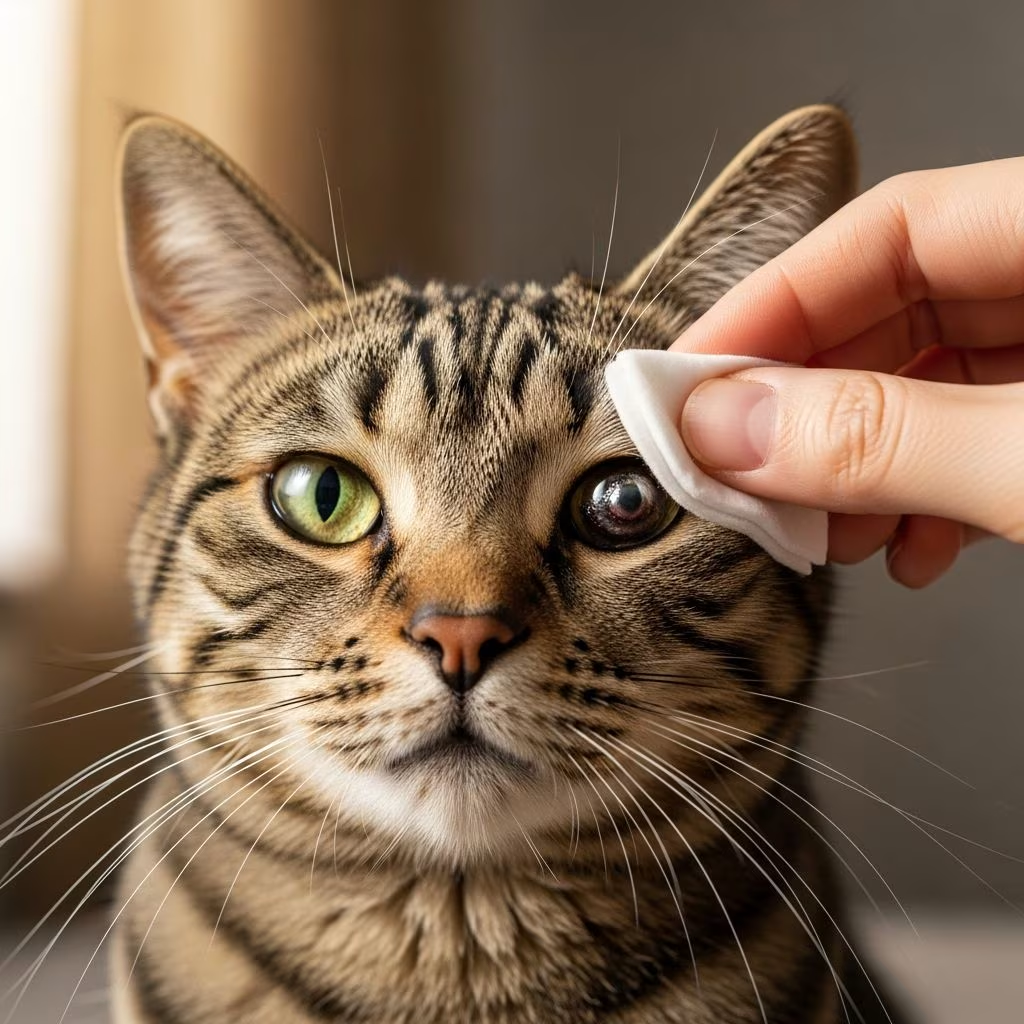
A thin layer of tears naturally protects a cat’s eyeball from irritants and foreign bodies, helping maintain clear vision. Overflow tears can lead to discharge known as “eye boogers,” resulting from overproduction of tears or blocked drainage. Cleaning these helps keep eyes clear, but mild discharge is normal while excessive amounts may signal health problems.
Before You Start – Rule Out Infection
Small amounts of eye boogers are a normal response in cats, but recurring or excessive discharge can affect your cat’s well-being and indicate infections or diseases. Always monitor for accompanying symptoms before cleaning.
- Rubbing or pawing at the eyes: Indicates irritation or discomfort.
- Redness around the eyes: Suggests inflammation.
- Swelling of eyelids or surrounding area: Could point to infection or allergy.
- Squinting or keeping eyes partially closed: Sign of pain or vision issues.
- Vision impairment or cloudiness: May require immediate vet attention.
- Nasal congestion, sneezing, or coughing: Often linked to upper respiratory infections.
- Difficulty breathing: Serious symptom needing urgent care.
If any of these symptoms appear alongside discharge, consult a veterinarian promptly, as treatments like antibiotic ointments or drops may be needed for conditions such as conjunctivitis or uveitis.
How to Clean Cat Eye Boogers
Cleaning your cat’s eyes requires patience, the right tools, and gentle handling to avoid stress or injury. Follow these vet-approved steps for safe removal of eye boogers.
1. Gather All Equipment
Preparation is key to a smooth process. Cats dislike eye handling, so have everything ready to minimize time and stress. Missing items mid-process can lead to escapes and frustration.
- Saline solution or veterinarian-recommended eye wash (avoid hydrogen peroxide or human products).
- Clean cotton balls, gauze pads, or soft cloths for gentle friction.
- A clean, dry cloth or pad for drying the area.
- Towel for restraint (optional but helpful).
- Treats to reward your cat post-cleaning.
- Gloves to prevent contamination.
Opt for hypoallergenic wipes designed for pets if available, as they moisturize while cleaning sensitive areas.
2. Restrain Your Cat
Most cats resist eye cleaning, so gentle restraint ensures safety for both you and your pet. Position calm cats on your lap; for wiggly ones, use the “purr-ito” method.
- Enlist a helper to wrap your cat snugly in a towel, exposing only the head.
- This prevents scratches and allows quick completion.
- Build trust first with pets and treats to reduce anxiety.
- Wash hands thoroughly before starting.
Proper restraint reduces overall stress, making future cleanings easier.
3. Wipe Gently
The core cleaning step involves dampening a cotton ball or cloth and wiping carefully to remove discharge without touching the eyeball.
- Dip a fresh cotton ball or cloth in warm saline or clean water.
- Gently evert the lower lid if needed and sweep from the inner corner outward along the lid.
- Use a new pad for the upper lid to avoid cross-contamination.
- For soft discharge, wipe downward; for crusty boogers, hold moist cloth briefly to soften.
- Never apply pressure or rub harshly—lift gently.
- Use separate pads for each eye to prevent spreading potential infections.
- Pat dry with a clean cloth afterward.
If discharge is stubborn or embedded, stop and seek vet advice to avoid damage. Repeat daily if needed for mild cases, but monitor for changes.
Causes of Excessive Cat Eye Discharge
Understanding why eye boogers form helps determine if home cleaning suffices or professional care is required. Common causes include:
| Cause | Description | Symptoms/Treatment |
|---|---|---|
| Brachycephalic Breeds (e.g., Persians, Himalayans) | Flat faces impede tear drainage. | Chronic tearing; regular cleaning or surgery for ducts. |
| Allergies | Environmental irritants trigger excess tears. | Itching, redness; antihistamines via vet. |
| Foreign Object | Dust or debris in eye. | Sudden watering; flush or vet removal. |
| Corneal Ulcer | Scratch on eye surface. | Pain, squinting; antibiotics, pain relief. |
| Conjunctivitis (Pink Eye) | Inflammation of eye tissues. | Yellow/green discharge; antibiotic drops. |
| Blocked Tear Ducts | Obstruction prevents drainage. | Overflow tears; flushing or surgery. |
| Respiratory Infection | Viral/bacterial upper respiratory issues. | Sneezing, congestion; supportive care, meds. |
Cloudy, yellowish, or thick discharge often signals bacterial infection like conjunctivitis. Watery discharge may indicate allergies or blocks. Always prioritize vet diagnosis for accurate treatment.
Frequently Asked Questions (FAQs)
Q: Is cat eye discharge normal?
A: Mild, clear discharge is normal due to tear overflow, but excessive, colored, or odorous discharge warrants a vet visit.
Q: What solution is best for cleaning cat eyes?
A: Use vet-recommended saline or sterile eye wash. Avoid over-the-counter human drops or hydrogen peroxide, which can harm eyes.
Q: How often should I clean my cat’s eyes?
A: Daily for breeds prone to discharge; otherwise, as needed for buildup. Consistency prevents crusting.
Q: Can I use baby wipes on cat eyes?
A: No—stick to pet-safe, hypoallergenic wipes or saline. Baby wipes may contain irritants.
Q: When is eye discharge an emergency?
A: Seek immediate care for squinting, swelling, vision loss, or breathing issues alongside discharge.
Final Thoughts
Cat eye boogers, while messy, are manageable with gentle, regular cleaning using saline and soft cloths. Wipe from inner to outer corner, use fresh materials per eye, and restrain humanely to keep the process stress-free. Vigilance for symptoms like redness or excessive tearing is crucial—early vet intervention prevents complications. Related guides: How to Keep Your Cat’s Eyes Healthy and How to Clean a Cat’s Butt.
References
- Cat Eye Discharge and Eye Problems — WebMD. 2023-10-15. https://www.webmd.com/pets/cats/eye-discharge-in-cats
- Understanding Cat Eye Discharge: Causes, Treatment, and When to See a Vet — Berthoud Animal Hospital. 2024-05-20. https://berthoudanimalhospital.com/blog/cat-eye-discharge/
- How to Clean a Cat’s Eyes — Dechra Veterinary Products (YouTube Transcript). 2022-01-01. https://www.youtube.com/watch?v=R3H4B9t2CjQ
- How to Clean Your Cat’s Eyes (7 Step Tutorial) — The Cat Butler (YouTube Transcript). 2022-02-19. https://www.youtube.com/watch?v=5KgPgyQ3HS4
- Guidelines for Ophthalmic Use in Cats — American College of Veterinary Ophthalmologists. 2024-01-10. https://www.acvo.org/resources-for-veterinarians/clinical-guidelines



