

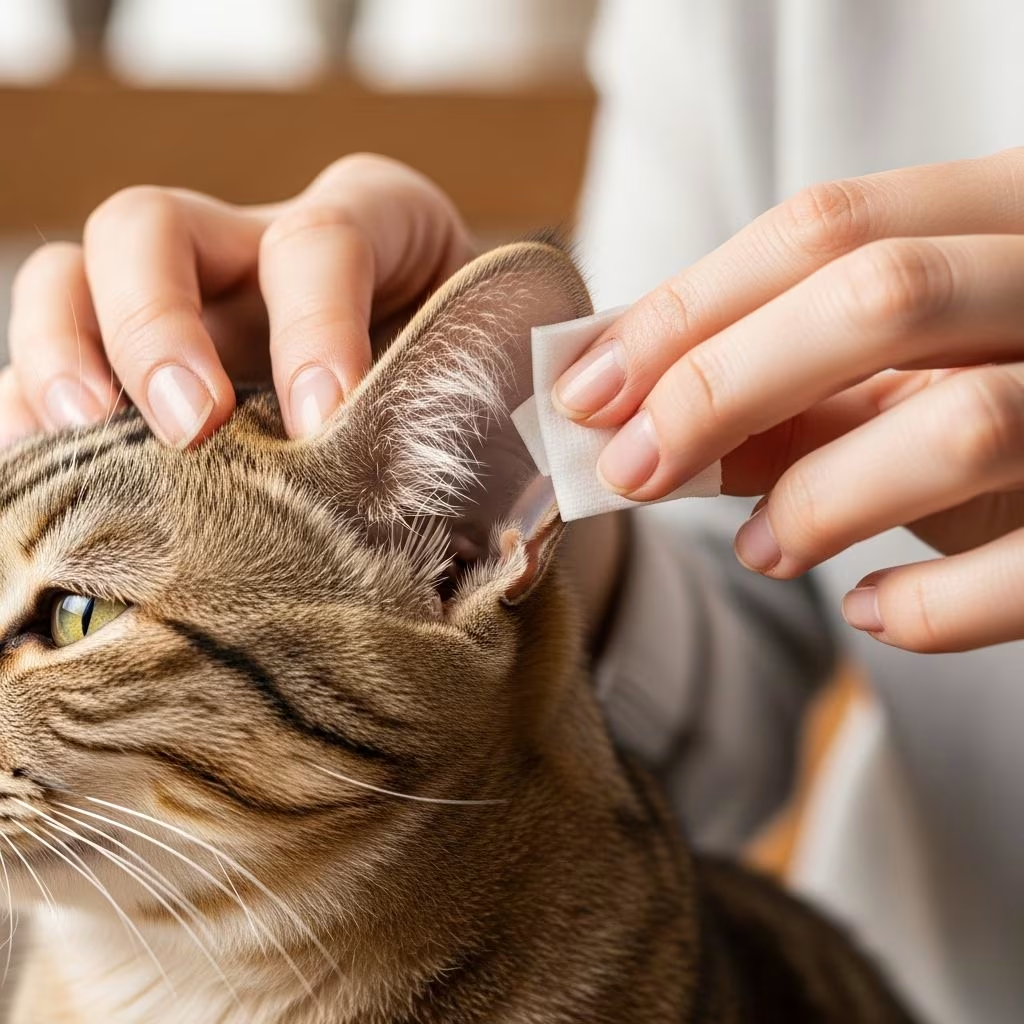
How to Clean Cat Ears: A Complete Guide to Feline Ear Care
Cat ear care is an important part of maintaining your pet’s overall health and well-being. While many cats naturally keep their ears clean, certain situations may require you to help them out. Understanding how to properly clean your cat’s ears can prevent infections, reduce discomfort, and help you catch potential health issues early. This comprehensive guide will walk you through everything you need to know about cleaning your cat’s ears safely and effectively.
Do Cats Need Regular Ear Cleaning?
Most cats don’t require routine ear cleanings as part of their regular grooming schedule. Cats are naturally meticulous groomers and typically maintain their ear hygiene independently. However, certain situations may warrant ear cleaning, including visible wax buildup, debris in the ears, a foul odor, or recommendations from your veterinarian. If your cat is showing signs of ear problems such as excessive scratching, head shaking, or discharge, consulting your veterinarian is essential before attempting to clean the ears at home.
Essential Supplies for Cleaning Cat Ears
Before you begin the ear-cleaning process, gathering all necessary supplies ensures the procedure runs smoothly and safely. Having everything prepared in advance helps reduce stress for both you and your cat.
- Feline ear cleaner solution: Use a specially formulated ear cleaner designed for cats. Your veterinarian can recommend an appropriate product based on your cat’s specific needs. Never use hydrogen peroxide, vinegar, or rubbing alcohol, as these common home remedies can cause irritation to your cat’s delicate ear tissue.
- Cotton balls, cotton pads, or cotton wool: These are essential for applying the cleaner and wiping away debris. Avoid using cotton swabs or Q-tips, as they can push wax further down the ear canal and potentially damage the sensitive eardrum.
- Clean cloth or tissue: A soft cloth can help access creases and folds more easily than cotton alone.
- Towel (optional): A towel can help restrain your cat comfortably and keep their claws tucked away safely.
- Treats: Having your cat’s favorite treats on hand helps create positive associations with the cleaning process and makes them more cooperative.
Why Avoid Common Home Remedies
While you may find various home remedy recommendations online, most veterinarians advise against using DIY ear cleaners for cats. Hydrogen peroxide, vinegar, and rubbing alcohol are frequently suggested as inexpensive alternatives, but they can cause significant irritation to the delicate skin lining your cat’s ears. These substances may disrupt the natural pH balance of the ear canal and damage protective earwax. Instead, invest in a feline-specific ear cleaning solution formulated to be gentle while effectively removing debris and wax.
Step-by-Step Instructions for Cleaning Cat Ears
Following a systematic approach ensures you clean your cat’s ears safely and effectively. These steps are designed to minimize discomfort while maximizing the removal of debris and buildup.
Step 1: Gather Your Supplies
Prepare all necessary materials before you begin. Having everything within arm’s reach prevents interruptions and helps keep your cat calm and focused.
Step 2: Restrain Your Cat Appropriately
Gently restrain your cat in a comfortable position. Many cats tolerate the procedure better when wrapped lightly in a towel, which also keeps their claws safely away from you. Sit in a comfortable position with your cat in your lap, facing away from you, or hold them between your legs while seated. Allow your cat to feel secure and supported throughout the process.
Step 3: Pull Back the Ear Flap
Gently pull the ear flap (pinna) backward so you can see the opening of the ear canal more clearly. This positioning allows the cleaner to flow properly into the canal and makes it easier to observe any debris or abnormalities.
Step 4: Apply the Ear Cleaning Solution
Hold the ear cleaning solution bottle in your dominant hand and angle the nozzle toward the ear canal opening. Squeeze the bottle firmly to fill the entire ear canal with the cleaning solution. The goal is to completely fill the canal, so don’t worry if some solution spills out—this is normal and expected. Never place the bottle tip directly into the ear, as this can transfer bacteria. If the tip does make contact, clean it thoroughly with an alcohol-soaked cotton ball before continuing.
Step 5: Massage the Ear Base
Continue holding the ear flap and gently massage the base of the ear (below the ear opening) for approximately 30 seconds using your other hand. Use upward motions to help pull the solution deeper into the ear canal. You should hear a satisfying “squishing” or “squelching” sound as the solution moves around and breaks up debris in the horizontal part of the canal. This sound indicates you’ve applied an adequate amount of solution. Try to prevent your cat from shaking their head during this stage, as keeping the solution in the canal maximizes its effectiveness.
Step 6: Allow Your Cat to Shake
Once you’ve finished the massage, stand back and let your cat shake their head naturally. This shaking motion helps move remaining ear cleaning solution and loosened debris from the canal toward the outer opening of the ear, where it can be easily removed.
Step 7: Wipe Away Debris
Using a clean cotton ball, cotton pad, or soft cloth, gently wipe away the solution and any loosened debris from the inner ear flap and the top of the ear canal. Wipe only the outer accessible areas—never insert anything deep into the canal. The cotton should absorb the solution and debris as you wipe. You may find pre-treated ear wipes helpful for this step, as they can access creases and folds more easily.
Step 8: Repeat if Necessary
Continue wiping with clean cotton balls until they come away without stains or visible debris. Depending on the amount of buildup, you may need to repeat the application and wiping process several times. Multiple consecutive days of cleaning may be necessary to fully remove all debris, as some buildups require gentle, repeated treatments rather than aggressive single-session cleaning.
Step 9: Ensure Complete Drying
Make sure the ear has dried as much as possible before allowing your cat to leave. Excess moisture can create an environment conducive to bacterial or yeast growth. You can gently pat the ear with a dry cotton ball if needed.
Step 10: Reward Your Cat
Offer treats and praise to create positive associations with the ear-cleaning process. This positive reinforcement makes your cat more tolerant of future cleanings and reduces anxiety about the procedure.
Alternative Method: Using Soaked Cotton Balls
If your cat resists having the cleaning solution applied directly into their ear, an alternative method may work better. Soak a clean cotton ball with the ear cleaning solution until it’s damp but not excessively dripping. Place the soaked cotton ball at the opening of the ear canal (not forced inside) and gently massage the soft part of the ear opening for about 30 seconds. This gentler approach can be equally effective for some cats while reducing stress during the procedure.
Important Safety Considerations
Understanding what NOT to do is just as important as knowing the proper technique. Never use cotton-tipped applicators or Q-tips, as these can puncture the eardrum, cause trauma to the ear canal, or push debris further into the canal away from where it can be safely removed. Avoid pushing anything deep into the ear canal—only go as far as your finger will naturally reach. Be gentle throughout the process, as the ear is a delicate structure. If your cat shows signs of pain, excessive resistance, or if you notice unusual discharge or odor, stop the cleaning and contact your veterinarian.
When to Seek Veterinary Help
While home ear cleaning can be helpful for maintenance, certain situations require professional veterinary care. If your cat frequently needs ear cleaning, has persistent ear problems, shows signs of infection (such as redness, swelling, discharge, or foul odor), or seems to be in pain, schedule a veterinary appointment. Your veterinarian can diagnose underlying conditions such as ear mites, yeast infections, or bacterial infections that may require medical treatment beyond simple cleaning. Additionally, if your cat has a history of ear problems or a ruptured eardrum, consult your veterinarian before attempting home cleaning.
Understanding Cat Ear Anatomy
Cats have a different ear structure than humans, with a longer ear canal that makes them more prone to certain types of debris accumulation. The vertical portion of the ear canal is where most debris collects, followed by a horizontal section that leads to the eardrum. Understanding this anatomy helps explain why proper technique is so important—the goal is to flush debris out through the vertical canal without pushing anything toward the sensitive eardrum at the end of the horizontal canal.
Frequently Asked Questions
Q: How often should I clean my cat’s ears?
A: Most cats don’t need regular ear cleaning. Only clean when your veterinarian recommends it or when you notice visible wax buildup, debris, or odor. Some cats with chronic ear issues may need more frequent cleaning as directed by their vet.
Q: Can I use baby wipes or regular household wipes?
A: It’s best to use ear-specific wipes or plain cotton balls with a vet-approved ear cleaner. Regular household wipes may contain ingredients that irritate your cat’s ears or are not formulated for the delicate ear environment.
Q: What if my cat has very dirty or infected-looking ears?
A: Don’t attempt home cleaning if you suspect an infection. Contact your veterinarian, as infected ears may require medicated solutions or professional cleaning under appropriate conditions.
Q: Is it normal for my cat to shake their head after cleaning?
A: Yes, head shaking after ear cleaning is completely normal and actually helps remove remaining solution and debris. However, excessive head shaking or ongoing scratching may indicate an underlying problem requiring veterinary attention.
Q: Can I use the same cotton ball for both ears?
A: No, always use separate cotton balls for each ear to prevent spreading potential bacteria or yeast from one ear to the other. Hygiene is important when dealing with ear care.
Q: What products do you recommend for cat ear cleaning?
A: Ask your veterinarian for recommendations, as they can suggest products suited to your cat’s specific needs. Your vet may recommend options like specialized ear cleaner formulations designed specifically for cats.
Tips for Success
Make the ear-cleaning experience as pleasant as possible by choosing a calm time of day when your cat is relaxed. Work in good lighting so you can see clearly and avoid accidentally touching sensitive areas. Be patient—some cats need multiple sessions to become comfortable with the process. If your cat becomes too stressed, take a break and try again later. Building positive associations through treats and gentle handling makes future cleanings much easier. Always prioritize your cat’s comfort and safety over completing the task quickly.
References
- How To Clean a Cat’s Ears: A Simple 10-Step Process — Cats.com. 2024. https://cats.com/how-to-clean-cats-ears
- How to Clean Cat Ears: Step-by-Step Instructions — Chewy. 2024. https://www.chewy.com/education/cat/grooming/clean-cats-ears
- Instructions for Ear Cleaning in Cats — VCA Animal Hospitals. 2024. https://vcahospitals.com/know-your-pet/instructions-for-ear-cleaning-in-cats
- Dr. Craig’s Gentle Ear Cleaning Method — Westonka Veterinary Clinic. 2020. https://westonka.vet/wp-content/uploads/2020/09/ear_cleaning.pdf
- Cleaning your cat’s ears – When and how? — DOUXO Ear & Skin Care. 2024. https://www.douxo.com/sg_en/ear-skin-care/cleaning-cat-s-ears



