

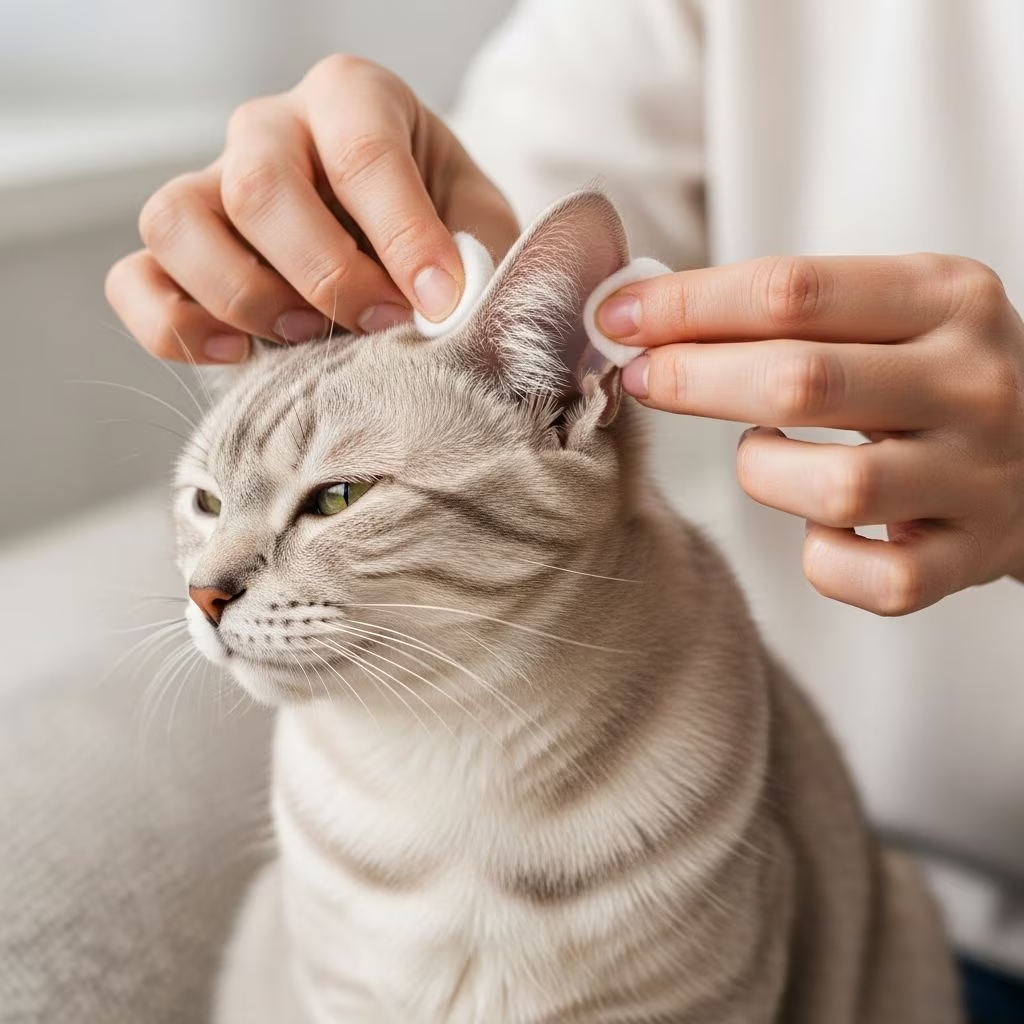
How to Clean Your Cat’s Ears: A Complete Guide
Regular ear cleaning is an essential part of maintaining your cat’s overall health and comfort. While many cats naturally keep their ears clean, some felines—particularly those with droopy ears, frequent ear infections, or excessive wax buildup—benefit from periodic ear cleaning at home. Understanding the proper techniques and supplies ensures you can clean your cat’s ears safely and effectively, reducing the risk of infection and discomfort.
What You’ll Need to Clean Your Cat’s Ears
Before you begin cleaning your cat’s ears, gather all necessary supplies within arm’s reach. Having everything prepared in advance makes the process smoother and less stressful for both you and your feline companion.
- Cat ear cleaning solution: Use only a vet-approved cleaner specifically formulated for cats. Consult your veterinarian before purchasing to ensure the product suits your cat’s individual needs.
- Cotton balls or gauze: These are ideal for applying the cleaning solution and wiping away debris. Soft, lint-free materials work best.
- Cotton pads or squares: An alternative to cotton balls, these can be easier to manipulate in tight spaces.
- Cat ear wipes or pads: Pre-moistened wipes designed for cats offer a convenient cleaning option.
- Alcohol wipes: Keep these on hand to sanitize the bottle tip if it accidentally touches your cat’s ear, preventing the spread of bacteria or yeast.
- Towel or blanket: A soft wrap can help your cat feel secure and make handling easier during the process.
- Cat treats: Reward your cat after cleaning to create positive associations with the procedure.
- Human helper (optional): Having a second person can be helpful, especially if your cat becomes restless or anxious.
What NOT to Use
Certain items should never be used to clean your cat’s ears, as they can cause damage or introduce harmful substances:
- Cotton swabs or Q-tips: These can push debris deeper into the ear canal and potentially damage the sensitive eardrum.
- Astringents like vinegar, alcohol, or hydrogen peroxide: These harsh substances can irritate the delicate ear canal lining and disrupt the natural ear flora.
- Unsterile instruments: Any tools inserted into the ear should be sanitized to prevent infection.
Step-by-Step Instructions for Cleaning Your Cat’s Ears
Following a systematic approach ensures safe and effective ear cleaning. These steps are recommended by veterinary professionals and animal hospitals.
Step 1: Prepare Your Cat and Yourself
Begin by washing your hands thoroughly to maintain hygiene. Create a calm environment by sitting in a comfortable position. Gently coax your cat onto your lap, ideally facing away from you. If your cat is anxious or resistant, carefully wrap a towel loosely around their body, leaving only the head exposed. This provides a sense of security and helps keep your cat still. If you have a helper available, they can gently hold your cat while you perform the cleaning, or vice versa, depending on your cat’s comfort level.
Step 2: Inspect and Expose the Ear
Gently lift the ear flap (pinna) and visually inspect it for signs of problems. Look for redness, unusual odor, or abnormal discharge. If the ear appears healthy, proceed by gently pulling the ear flap back slightly to straighten the ear canal. If you’re working alone, use one hand to fold the flap back while holding the ear cleaning bottle in your other hand.
Step 3: Apply the Cleaning Solution
Hold the bottle of ear cleaning solution close to your cat’s ear opening without inserting the tip inside. This is crucial because if the bottle tip touches the ear, bacteria or yeast can transfer, potentially causing infection. Squeeze enough cleaner to completely fill the ear canal or soak a cotton ball and place it at the opening. It’s fine if some solution spills out—this is normal and won’t harm your cat.
Step 4: Massage the Base of the Ear
While holding the ear flap with one hand, use your other hand to gently massage the base of the ear (the area below the ear opening) for 15 to 30 seconds. Use firm but gentle pressure. You should hear a soft “squishing” sound as the cleaning solution moves around the ear canal and breaks up debris and earwax buildup. This massage is essential for loosening stubborn debris from the canal walls.
Step 5: Allow Your Cat to Shake
Continue holding the ear flap and let your cat shake their head. This natural reflex expels loosened debris and excess cleaning solution from the canal to the outer opening of the ear. Your cat will likely shake vigorously—this is exactly what you want. Don’t be surprised if cleaner splashes onto their fur; it won’t cause any harm.
Step 6: Wipe Away Debris
Once your cat finishes shaking, use a fresh cotton ball or gauze to gently wipe away the cleaning solution and debris from the inner part of the ear flap and the upper ear canal opening. Only go as deep as your finger can comfortably reach—never insert anything deep into the canal. Repeat with fresh material until the area appears clean. Be gentle to avoid irritating the sensitive ear tissue.
Step 7: Repeat for the Other Ear
If both ears need cleaning, repeat the entire process on the other side. If your cat appears stressed or fatigued, you may choose to clean the second ear at a later time. There’s no requirement to complete both ears in a single session.
Step 8: Reward Your Cat
After completing the ear cleaning, reward your cat with their favorite treat and affection. This creates a positive association with ear cleaning and makes future sessions easier.
When to Seek Professional Veterinary Care
While home ear cleaning is suitable for routine maintenance, certain situations require professional veterinary attention. Your veterinarian should handle ear cleaning if your cat exhibits any of the following symptoms:
- Excessive ear scratching or head shaking
- Foul odor emanating from the ears
- Dark, waxy, or bloody discharge
- Visible inflammation or redness
- Signs of pain when the ear is touched
- Hearing loss or balance problems
These symptoms may indicate a ruptured eardrum, foreign body, ear mites, or a bacterial or yeast infection. Your veterinarian can safely evaluate deep ear structures using specialized tools such as an otoscope and provide medicated treatment if needed.
Professional Veterinary Ear Cleaning Services
When home care isn’t sufficient, veterinarians offer comprehensive ear cleaning and diagnostic services, including:
- Deep ear examination using specialized otoscopic equipment
- Cytology (microscopic analysis) to identify bacteria, yeast, or mites
- Flushing the ear canal under sedation for thorough deep cleaning
- Removal of foreign objects, growths, or polyps
- Treatment of underlying conditions such as allergies or infections
Important Safety Considerations
Always prioritize safety when cleaning your cat’s ears. Never force the process if your cat becomes overly stressed—a stressed cat may struggle, increasing the risk of accidentally damaging the ear. Never insert the bottle tip, your finger, or any object deep into the ear canal, as this can rupture the eardrum or cause other internal damage. Always use cat-specific ear cleaning solutions, as products formulated for other species may contain ingredients inappropriate for feline ears. If you’re uncertain about any aspect of ear cleaning or if your cat has a history of ear problems, consult your veterinarian before attempting home cleaning.
Frequently Asked Questions
Q: How often should I clean my cat’s ears?
A: Most healthy cats don’t require regular ear cleaning. However, cats prone to ear infections, those with droopy ears, or cats with excessive earwax may benefit from cleaning every 1-2 weeks. Consult your veterinarian to determine the appropriate frequency for your cat.
Q: Can I use human ear cleaning products on my cat?
A: No. Human ear cleaning products are formulated differently and may contain ingredients unsuitable for cats. Always use cat-specific ear cleaning solutions recommended by your veterinarian.
Q: What should I do if my cat won’t sit still during ear cleaning?
A: Try wrapping your cat gently in a towel to provide security, have a helper hold them, or break the process into two separate sessions—one ear per day. Making the experience positive with treats and praise can also help.
Q: Is it normal for my cat to shake vigorously after I apply the cleaner?
A: Yes, this is completely normal and actually beneficial. Head shaking helps expel loosened debris and excess cleaner from the ear canal.
Q: What if I accidentally touch the ear canal with the bottle tip?
A: Immediately wipe the bottle tip with a clean alcohol wipe to prevent spreading bacteria or yeast that could cause infection.
Q: Can ear cleaning prevent ear infections?
A: Regular cleaning can help reduce the risk of infections by removing excess wax and debris. However, if your cat is prone to infections, consult your veterinarian about underlying causes and preventative treatments.
References
- Complete Guide on How To Clean Your Cat’s Ears — Penny Paws. 2024. https://pennypaws.com/blog/complete-guide-on-how-to-clean-your-cats-ears/
- Instructions for Ear Cleaning in Cats — VCA Animal Hospitals. 2024. https://vcahospitals.com/know-your-pet/instructions-for-ear-cleaning-in-cats
- How To Clean Your Cat’s Ears: Complete Guide — Mooresville Animal Hospital. 2024. https://www.mooresvilleanimalhospital.com/site/blog/2024/05/15/how-clean-cats-ears
- How To Clean Your Cat’s Ears: Complete Guide — Animal Friends Dermatology. 2023. https://www.animalfriendsdermatology.com/site/blog/2023/11/30/how-clean-cats-ears
- How to Clean Cat Ears: A Step-by-Step Guide — Hill’s Pet. 2024. https://www.hillspet.com/cat-care/routine-care/how-to-clean-cats-ears
- How to Clean Your Cat’s Ears: A Complete Guide — PetMD. 2024. https://www.petmd.com/cat/general-health/how-to-clean-your-cats-ears



