

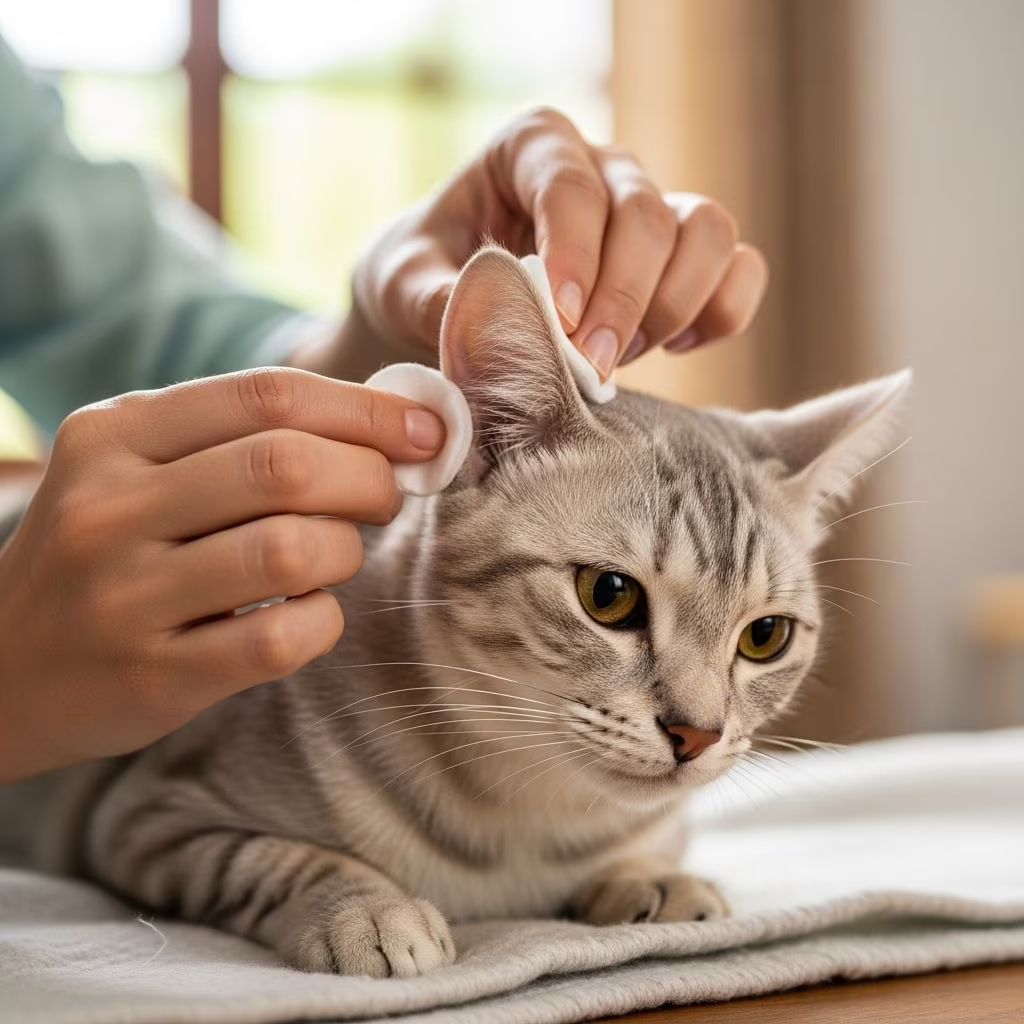
How to Clean Cat Ears: A Complete Guide
Maintaining your cat’s ear health is an essential part of their overall grooming and wellness routine. Regular ear cleaning can help prevent infections, remove excess wax and debris, and allow you to monitor for any signs of ear problems. While many cats naturally keep their ears clean, some may benefit from occasional assistance, especially if they have longer hair around the ears, are prone to ear infections, or spend time outdoors. Understanding the proper techniques for cleaning your cat’s ears safely at home can help you keep your feline companion comfortable and healthy.
Why Clean Your Cat’s Ears?
Your cat’s ears are delicate structures that can accumulate dirt, wax, and debris over time. Unlike humans, cats have a uniquely shaped ear canal that is L-shaped, which can make it difficult for them to naturally expel all the buildup. Regular ear cleaning helps maintain ear health and can reduce the risk of infections caused by bacteria, yeast, and ear mites. Additionally, inspecting your cat’s ears during cleaning allows you to catch potential problems early, such as redness, discharge, or foul odors that may indicate an underlying condition requiring veterinary attention.
What Supplies Do You Need?
Before you begin cleaning your cat’s ears, gather all necessary supplies to ensure a smooth and efficient process. Having everything within reach will help you work quickly and minimize stress for your cat.
Essential Supplies:
- Cat-specific ear cleaning solution: Always use a product formulated specifically for cats. Consult your veterinarian before purchasing to ensure it’s appropriate for your cat’s needs.
- Cotton balls or gauze: These are gentle on your cat’s delicate ear tissue. Cotton squares or pads also work well.
- Cat treats: Have your cat’s favorite treats available to reward them after the cleaning process.
- Cat ear wipes or pads: These pre-moistened wipes can be convenient for quick cleanings.
- Alcohol wipes: Use these to sanitize the bottle tip if it accidentally touches your cat’s ear, preventing the spread of bacteria and yeast.
- Towel or blanket: Keep a towel nearby to wrap around your cat if they become anxious during the process.
- Optional helper: Having another person available to gently hold your cat can make the process easier and less stressful.
What NOT to Use When Cleaning Cat Ears
Just as important as knowing what to use is understanding what to avoid. Using inappropriate cleaning methods or solutions can damage your cat’s ears and potentially cause more harm than good.
Never Use:
- Cotton swabs or Q-tips: These can push debris deeper into the ear canal and potentially damage the eardrum. Only clean as far as your finger can comfortably reach.
- Astringents: Do not use vinegar, alcohol, or hydrogen peroxide, as these can irritate your cat’s sensitive ear tissue.
- Human ear cleaning products: These are formulated differently and may not be safe for cats.
- Anything inserted deeply: Never insert anything, including your finger, deep into your cat’s ear canal.
Step-by-Step Instructions for Cleaning Your Cat’s Ears
Step 1: Prepare Your Cat
Start by washing your hands thoroughly. Then, coax your cat onto your lap in a comfortable position, facing away from you. If your cat is resistant to being held, gently pick them up and place a towel loosely around them to provide a sense of security. If possible, have another person help hold your cat still during the cleaning process. For cats that are scared of the cleaning solution bottle, you may perform the initial steps where your cat cannot see you to reduce anxiety.
Step 2: Inspect and Expose the Ear
Before applying any cleaning solution, visually inspect your cat’s ears. Gently lift the ear flap and check for any signs of redness, discharge, odor, or swelling. If everything appears normal, proceed with cleaning. If you notice any concerning symptoms, contact your veterinarian before continuing. Gently but firmly grasp the tip of the ear and pull back slightly to expose the ear canal and straighten it for better access.
Step 3: Apply the Cleaning Solution
Hold the bottle of ear cleaning solution close to your cat’s ear without inserting the tip into the canal. Squeeze enough solution to completely fill the ear canal. It is fine if some of the solution spills out. Do not place the bottle tip inside the ear, as this can spread bacteria or yeast. If the tip accidentally touches your cat’s ear, wipe it clean with an alcohol wipe before using it again. For anxious cats, you can alternatively soak a cotton ball with the cleaning solution and gently place it at the ear opening.
Step 4: Massage the Ear Base
While still holding the ear flap, gently massage the base of the ear below the ear opening for about 15 to 30 seconds. Continue massaging until you hear a soft “squishing” sound, which indicates that the cleaning solution is moving around and breaking up debris in the horizontal part of the ear canal. Your cat will likely shake their head when the solution is applied, and it’s perfectly fine if some cleaner splashes onto their fur—it will not harm them.
Step 5: Allow Your Cat to Shake
Release the ear flap and allow your cat to shake their head naturally. This important step helps expel loosened debris and excess cleaning solution from the ear canal. The shaking reflex is your cat’s body’s natural way of clearing the ears, so don’t be surprised if your cat vigorously shakes their head during this phase.
Step 6: Wipe Away Debris
Using a fresh cotton ball or gauze pad, gently wipe away visible debris from the inner part of the ear flap and the upper ear canal opening. Only go as deep as your finger can comfortably reach. Repeat with fresh material until the area looks clean. Never use a cotton swab to remove solution from the canal, as this can damage the ear structures.
Step 7: Final Cleaning and Repeat
Once more, hold the ear flap up and use a cotton ball or gauze to remove any remaining loosened debris and cleaning solution from the outer opening of the ear canal. If both ears need cleaning, repeat the entire process on the other ear. If your cat seems stressed after cleaning one ear, you can clean the second ear at a later time. Reward your cat with their favorite treats and affection to create a positive association with the ear cleaning process.
Signs Your Cat Needs Professional Ear Cleaning
While regular home ear cleaning is beneficial, certain situations warrant professional veterinary attention. Your veterinarian has specialized tools and expertise to safely handle complex ear issues that shouldn’t be addressed at home.
When to Contact Your Veterinarian:
- Excessive ear discharge: If your cat has a large amount of discharge, especially if it’s thick, colored, or foul-smelling.
- Signs of infection: Redness, swelling, warmth, or sensitivity when the ear is touched.
- Ear mites: If you notice small dark specks in the ear that look like coffee grounds, your cat may have ear mites.
- Foreign objects: If you suspect something is lodged in your cat’s ear canal.
- Hearing loss or balance issues: If your cat seems to have difficulty hearing or is stumbling.
- Repeated infections: If your cat experiences chronic or recurring ear infections.
What Your Veterinarian Can Do
Professional veterinary ear cleaning involves several procedures and diagnostic tools that aren’t available for home use. Your veterinarian may recommend professional cleaning when home care is insufficient or when an underlying condition needs to be addressed. They can perform a deep examination of your cat’s ear structures using specialized equipment, conduct microscopic analysis to identify bacteria, yeast, or mites, flush the ear canal under sedation if necessary, remove foreign objects or growths, and prescribe medicated treatments for infections or other conditions.
Tips for Making Ear Cleaning Easier
Ear cleaning doesn’t have to be a stressful experience for you or your cat. These practical tips can help make the process smoother and more manageable:
- Start with positive associations: Use treats and gentle handling to help your cat associate ear cleaning with something positive.
- Choose the right time: Clean your cat’s ears when they are relaxed and calm, not when they are already stressed or playing.
- Work slowly: Don’t rush through the process. Take breaks if your cat becomes uncomfortable or anxious.
- Use warm solution: Slightly warm ear cleaning solution (to about body temperature) can be more comfortable for your cat than cold solution.
- Have help: An extra set of hands can make holding your cat easier and reduce the overall stress of the process.
- Practice regularly: Regular, gentle ear handling will help your cat become accustomed to the process and reduce resistance over time.
- Be patient: Some cats take longer to adjust to ear cleaning than others. Consistency and patience will help.
How Often Should You Clean Your Cat’s Ears?
The frequency of ear cleaning depends on your individual cat’s needs. Some cats may only need occasional cleaning, while others with certain risk factors may benefit from more frequent attention. Cats with longer fur around their ears, those prone to ear infections, outdoor cats, or cats with allergies may need more frequent cleaning. Discuss the appropriate cleaning schedule with your veterinarian, as they can recommend a routine based on your cat’s specific health needs and ear condition.
Frequently Asked Questions
Q: Can I use regular ear cleaner made for humans on my cat?
A: No, you should never use human ear cleaning products on your cat. Cat ear cleaners are specifically formulated for feline ear pH and sensitivity levels. Human products may irritate your cat’s ears or cause damage. Always use a veterinarian-approved product made specifically for cats.
Q: What does the squishing sound mean when I massage my cat’s ear?
A: The squishing sound indicates that the cleaning solution is moving through the ear canal and is breaking down debris and earwax buildup. This is a positive sign that the cleaning solution is working effectively and is doing its job.
Q: Is it normal for my cat to shake their head after ear cleaning?
A: Yes, head shaking is a completely normal and natural response. Your cat’s natural reflex is to shake their head to expel the cleaning solution and loosened debris from the ear canal. This is actually an important part of the cleaning process.
Q: How do I know if my cat has an ear infection?
A: Signs of an ear infection include excessive scratching or pawing at the ears, foul odor, visible discharge (especially if dark or colored), redness or swelling, and sensitivity when the ear is touched. If you notice any of these symptoms, contact your veterinarian for professional evaluation and treatment.
Q: Can I clean my cat’s ears if they have an active infection?
A: If you suspect an active infection, consult your veterinarian before attempting home cleaning. Professional veterinary treatment is often necessary for infections, as the vet may need to prescribe medicated solutions or perform professional cleaning under sedation.
Q: What should I do if I accidentally insert the bottle tip into my cat’s ear?
A: If the bottle tip touches your cat’s ear, immediately wipe it clean with an alcohol wipe before using it again. This helps prevent the spread of bacteria or yeast that could cause infection. If your cat shows signs of pain or discomfort, contact your veterinarian.
Q: Is it safe to clean my cat’s ears if they are already sensitive?
A: If your cat’s ears are already sensitive or inflamed, consult your veterinarian before attempting home cleaning. Your vet can determine whether home cleaning is appropriate or if professional treatment is needed first.
References
- Complete Guide on How To Clean Your Cat’s Ears — Penny Paws. 2024. https://pennypaws.com/blog/complete-guide-on-how-to-clean-your-cats-ears/
- Instructions for Ear Cleaning in Cats — VCA Animal Hospitals. 2024. https://vcahospitals.com/know-your-pet/instructions-for-ear-cleaning-in-cats
- How To Clean Your Cat’s Ears: Complete Guide — Mooresville Animal Hospital. 2024. https://www.mooresvilleanimalhospital.com/site/blog/2024/05/15/how-clean-cats-ears
- How To Clean Your Cat’s Ears: Complete Guide — Animal Friends Dermatology. 2023. https://www.animalfriendsdermatology.com/site/blog/2023/11/30/how-clean-cats-ears
- How to Clean Cat Ears: A Step-by-Step Guide — Hill’s Pet US. 2024. https://www.hillspet.com/cat-care/routine-care/how-to-clean-cats-ears
- How to Clean Your Cat’s Ears: A Complete Guide — PetMD. 2024. https://www.petmd.com/cat/general-health/how-to-clean-your-cats-ears



