

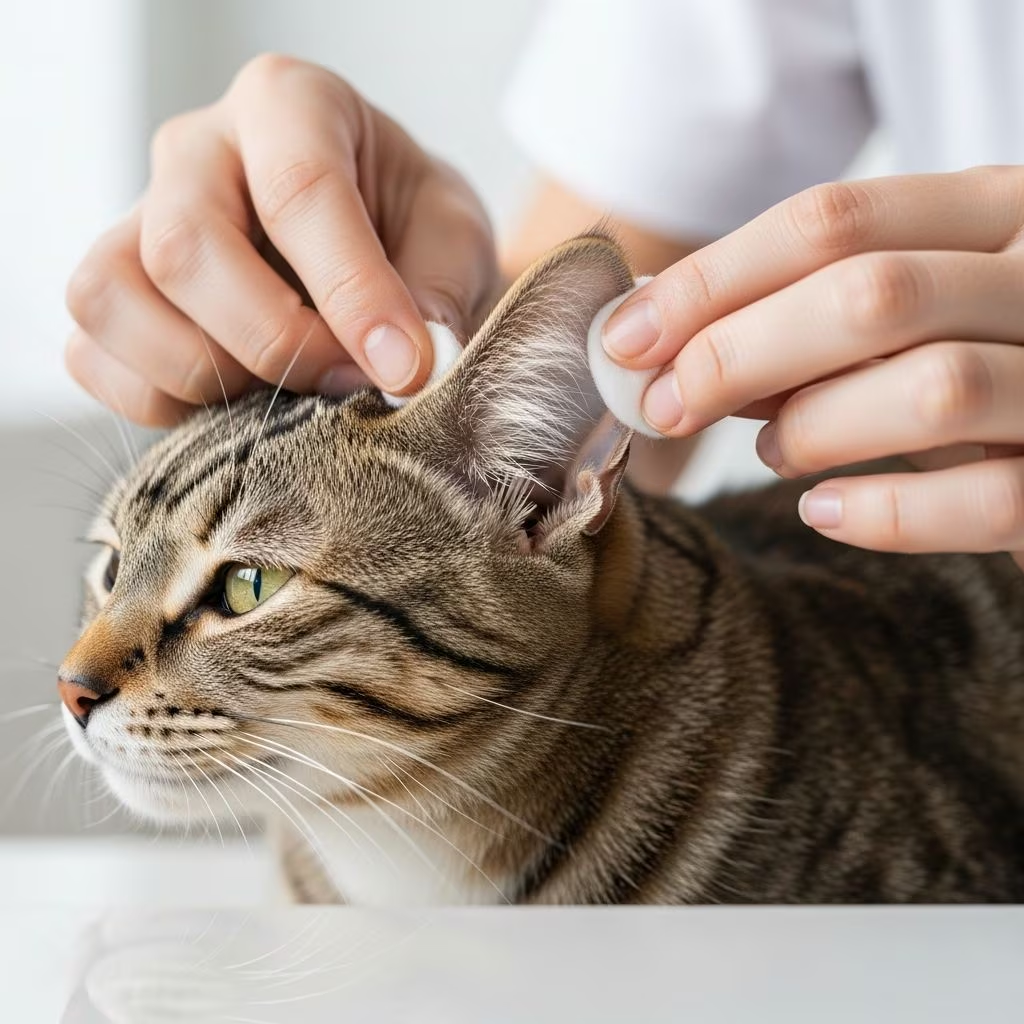
How to Clean Your Cat’s Ears: A Guide to Your Cat’s Ear Health
Cats are renowned for their meticulous grooming habits and ability to maintain their own hygiene. However, even the most fastidious felines occasionally require assistance with ear care. Dirt, wax, and debris can accumulate in the ear canal over time, potentially leading to infections and other serious health complications. This comprehensive guide will walk you through everything you need to know about inspecting and cleaning your cat’s ears at home, including the best products to use, proper techniques, and when professional veterinary care is necessary.
Are You Supposed to Clean Your Cat’s Ears?
The frequency of cat ear cleaning varies depending on the individual cat. While some cats can go their entire lives without requiring ear cleaning, most cats will benefit from occasional ear maintenance. Understanding your cat’s specific needs is essential for maintaining optimal ear health.
Which Cats Need More Frequent Cleanings?
Certain cat breeds and conditions require more regular ear attention than others. Breeds with unique ear structures, such as Sphynx cats and Scottish Folds, are particularly prone to excessive ear wax buildup and typically need more frequent cleanings. Additionally, cats with allergies often experience increased ear wax production and may require regular cleaning to prevent complications.
Signs Your Cat Needs Ear Cleaning
Cat parents should periodically inspect their feline companions’ ears to identify potential problems early. During these inspections, watch for the following warning signs:
- Redness or swelling of the ear or ear canal
- Dark or unusual discharge from the ears
- Frequent shaking or scratching of the ears
- Visible wax buildup or debris
- Foul or unusual odors emanating from the ears
- Sensitivity or pain when ears are touched
If you notice any of these signs during your inspection, consult your veterinarian before attempting to clean your cat’s ears at home, as they may indicate an underlying infection or medical condition.
Essential Supplies for Cat Ear Cleaning
Before you begin the ear cleaning process, gather all necessary supplies. Having everything prepared ahead of time will make the procedure smoother and less stressful for both you and your cat.
Veterinarian-Approved Ear Cleaner
The most critical supply is a high-quality ear cleaning solution specifically formulated for cats. It is essential to use a product labeled for feline use, as cat ears have different pH levels and sensitivities compared to human ears or even dog ears. Veterinarian-approved ear cleaning products are specially designed to break up wax and debris while evaporating safely without leaving excess moisture behind.
Never use water to clean your cat’s ears. Water can become trapped in the ear canal, creating a warm, moist environment that promotes bacterial and yeast growth, significantly increasing the risk of infection. Similarly, avoid alcohol or hydrogen peroxide-based products, as these can irritate the delicate ear tissue and cause discomfort.
Cotton Balls or Gauze Pads
Use only cotton balls or gauze pads for ear cleaning. Do not use cotton swabs or Q-tips, regardless of how tempting it may be. Cotton swabs can leave fibers behind in the ear canal, push wax and dirt deeper into the canal, and even cause injury to the delicate structures within. The risk of puncturing the eardrum is a serious concern with cotton swabs.
Additional Supplies
Gather these supplementary items to ensure a successful ear cleaning session:
- A large towel or blanket for gently restraining your cat and protecting your clothing
- Treats to reward your cat and create positive associations with the ear cleaning process
- A non-slip surface, such as a rubber mat or towel, to prevent your cat from slipping during the procedure
- Optional: a helper or assistant to hold your cat steady while you perform the cleaning
How to Clean Your Cat’s Ears at Home
While the prospect of cleaning your cat’s ears might seem daunting, the process becomes manageable with practice and patience. Follow these detailed steps to safely and effectively clean your cat’s ears.
Step 1: Gently Hold Your Cat in Place
Begin by creating a secure, comfortable holding position for your cat. Wrapping your cat in a towel, with only the head exposed, is the most effective method for most cats. This gentle restraint keeps your cat calm and prevents sudden movements that could result in injury to their ears. Use a soft, non-slip surface such as a carpeted floor or rubber mat. If your cat is particularly resistant, having a second person hold the cat while you perform the cleaning can be immensely helpful.
Step 2: Calm Your Cat
Create a quiet, tranquil environment for the ear cleaning procedure. Speak softly to your cat, pet them gently, and create positive associations with the process. Consider having a brief play session before cleaning to tire out your cat—a more relaxed cat is far more cooperative. The calmer your cat is before you begin, the easier the entire process will be.
Step 3: Examine Your Cat’s Ears
Before applying any cleaning solution, thoroughly inspect both ears. Look for:
- Redness or swelling inside the ear or on the ear flap
- Foul or unpleasant odors
- Excessive wax buildup or dark debris
- Signs of scratching or sensitivity when you gently touch the ears
If you observe any of these warning signs, stop immediately and schedule an appointment with your veterinarian. These indicators suggest a possible infection or other medical condition that requires professional evaluation.
Step 4: Clean the Ear
Once you’ve confirmed that your cat’s ears appear healthy, begin the cleaning process:
- Lift the ear flap and hold it firmly back against the head to expose the ear canal
- Squeeze a few drops of the veterinarian-approved ear cleaner into the ear canal, following the specific instructions on the product label
- Before your cat has a chance to shake their head, immediately massage the base of the ear with your other hand
- Continue massaging for approximately 30 seconds
- Do not be alarmed if you hear a squishing sound—this is completely normal and indicates the solution is moving around and breaking up debris
Step 5: Let Your Cat Shake Their Head
After the massage phase, allow your cat to shake their head vigorously. This natural shaking motion helps dislodge debris from deep within the ear canal. Be prepared for the cleanup—ear cleaning can become messy, so wear clothing you don’t mind getting dirty.
Step 6: Wipe the Ear
Using a fresh cotton ball or gauze pad, gently wipe away the loosened debris from the outer portion of the ear. Do not insert anything into the ear canal itself. Only clean what you can see and easily reach. Repeat this wiping step with fresh cotton balls as needed until the ear appears clean. Then repeat the entire process with the other ear.
Is It OK to Clean Cat Ears With Water?
Absolutely not. Water should never be used to clean cat ears. Water can become trapped in the ear canal and create an environment conducive to bacterial and yeast infections. Instead, always use a veterinarian-approved ear cleaning solution specifically formulated for cats. These specialized products are designed to clean effectively while evaporating completely, leaving no residual moisture.
Common Mistakes to Avoid
Understanding what not to do is just as important as knowing the proper technique. Here are the most common mistakes cat owners make when cleaning their cats’ ears:
- Using cotton swabs or Q-tips: These can damage the ear canal or puncture the eardrum and push debris deeper
- Using water: Water can trap moisture and promote infections
- Inserting objects too deep: Only clean what you can see from the outside
- Using alcohol or hydrogen peroxide: These irritate sensitive ear tissue
- Cleaning too frequently: Over-cleaning can disrupt the ear’s natural balance
- Skipping the massage step: The massage is crucial for breaking up wax and debris
- Forcing your cat: A stressed cat is more likely to be injured; patience is essential
Tips for a Successful Ear Cleaning Experience
Make the ear cleaning process easier and more enjoyable for your cat with these helpful tips:
- Schedule cleanings during times when your cat is naturally calm and relaxed
- Keep cleaning sessions brief—most cats tolerate the process better if it doesn’t drag on
- Reward your cat with treats after each successful cleaning to build positive associations
- Have all supplies prepared and within reach before you begin
- If your cat becomes stressed or aggressive, stop and try again another day
- Consider having a helper hold your cat while you perform the cleaning
- Be gentle and patient throughout the process
- Warm the ear cleaning solution slightly by holding the bottle in your hand for a moment—cats often prefer lukewarm solutions
When to Consult a Veterinarian
While home ear cleaning is beneficial for maintenance, certain situations require professional veterinary care. Schedule an appointment with your veterinarian if you notice:
- Signs of ear infection, such as redness, swelling, or foul odors
- Your cat frequently scratching or shaking their head
- Discharge that is dark, bloody, or purulent
- Your cat experiencing pain or sensitivity when their ears are touched
- Hearing loss or balance problems
- Your cat’s first ear cleaning (your vet can demonstrate proper technique)
- Persistent ear wax buildup despite regular cleaning at home
Your veterinarian can identify underlying conditions, prescribe medications if necessary, and provide professional cleaning using specialized equipment if needed.
Frequently Asked Questions
Q: How often should I clean my cat’s ears?
A: The frequency depends on your individual cat. Some cats never need cleaning, while others may benefit from monthly cleanings. Breeds prone to wax buildup and cats with allergies typically need more frequent cleaning. Consult your veterinarian for a personalized cleaning schedule.
Q: What should I do if my cat won’t stay still during ear cleaning?
A: Try wrapping your cat in a towel, having a helper hold them, or attempting the cleaning during a naturally calm time of day. Never force the process, as this creates negative associations and increases the risk of injury.
Q: Can I use human ear cleaning products on my cat?
A: No. Human ear products are formulated for human ear pH and structure. Always use products specifically labeled for cats to avoid irritation or damage.
Q: What if my cat has an ear infection?
A: Do not attempt to clean infected ears at home. Schedule a veterinary appointment immediately. Your vet can determine the cause of the infection and prescribe appropriate treatment.
Q: Is it dangerous to clean my cat’s ears?
A: When done correctly with proper technique and tools, ear cleaning is safe. The key is using appropriate supplies, avoiding the ear canal itself, and never forcing your cat if they are resistant.
Q: Can coconut oil be used to clean cat ears?
A: Some sources suggest coconut oil as a natural alternative, but veterinarian-approved ear cleaning solutions are the safest choice. Always consult your vet before using any product on your cat’s ears.
References
- How to Clean Your Cat’s Ears: A Guide to Your Cat’s Ear Health — Kinship. 2025. https://www.kinship.com/cat-health/how-to-clean-cat-ears
- Instructions for Ear Cleaning in Cats — VCA Animal Hospitals. 2024. https://vcahospitals.com/know-your-pet/instructions-for-ear-cleaning-in-cats
- How to Prevent—or Treat—Cat Ear Infections — Kinship. 2025. https://www.kinship.com/cat-health/cat-ear-cleaning



