

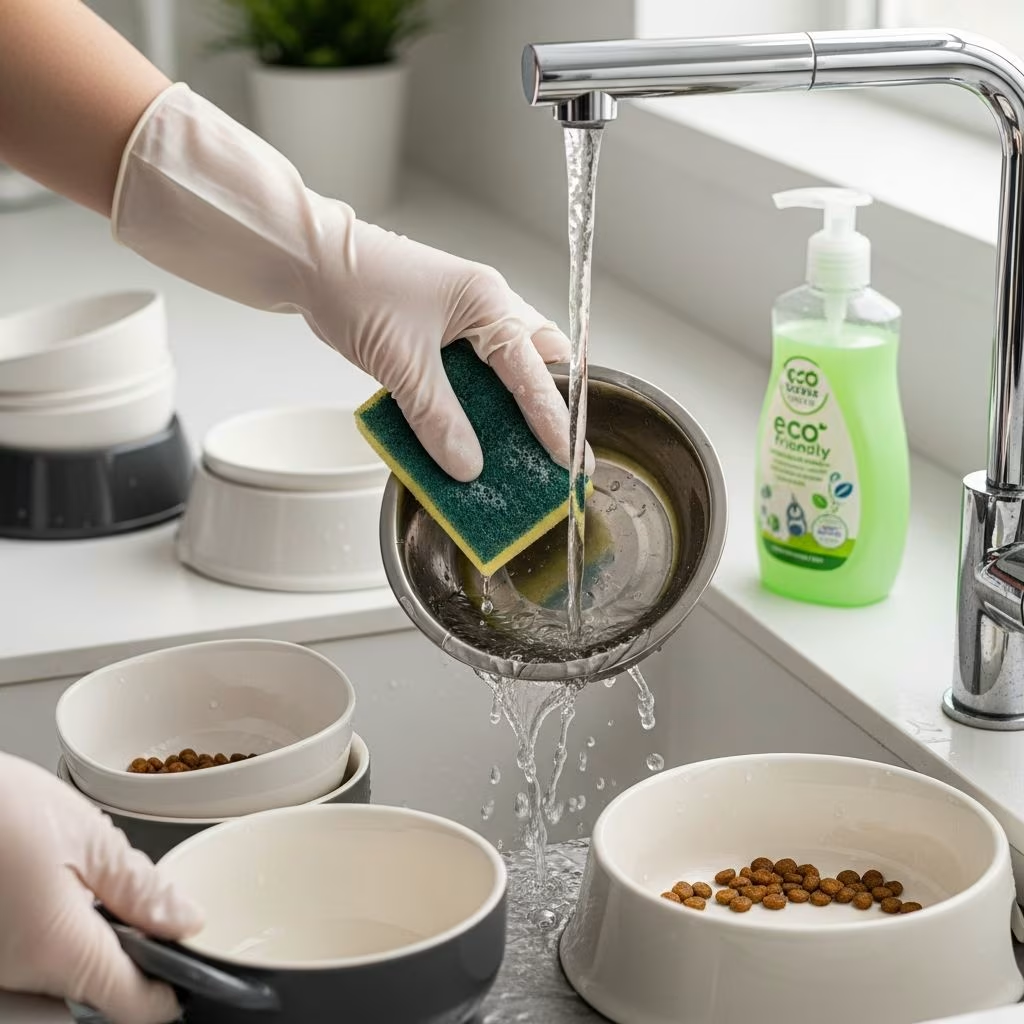
Cleaning your cat’s food and water bowls is essential for preventing bacterial growth, parasites, and health issues like acne or gastrointestinal problems. Dirty bowls can harbor harmful germs from saliva, food residue, and water stagnation, potentially making your cat sick or spreading diseases to humans. Veterinary experts recommend **daily cleaning** for optimal hygiene, using safe methods that remove dirt and disinfect effectively.
This guide covers everything from why cleaning matters, frequency recommendations, materials needed, step-by-step instructions for hand washing, dishwasher use, natural solutions, and storage tips. Follow these practices to keep your cat healthy and happy.
Why Cleaning Your Cat’s Bowl Is Important
Cat bowls accumulate food remnants, saliva, hair, and bacteria quickly, creating a breeding ground for pathogens like Salmonella or parasites. Stagnant water in bowls fosters algae and microbes, while dry food bowls trap oils that rancidify. According to the CDC, unclean pet supplies can spread germs to pets and families, emphasizing regular cleaning over mere disinfecting in most cases.
Vets note that poor bowl hygiene links to cat acne (chin pimples from blocked follicles), vomiting, diarrhea, and dental issues. Clean bowls ensure fresh nutrition absorption, reduce allergies from mold, and promote better hydration. Neglect can lead to reluctance to eat or drink, causing dehydration or malnutrition.
How Often Should You Clean Cat Bowls?
- Water bowls: Rinse and refill **daily**; deep clean daily or every other day to prevent bacterial films.
- Wet food bowls: Wash **after every use** to remove proteins that spoil quickly.
- Dry food bowls: Rinse daily; deep clean **every 1-2 days** or weekly if no residue builds.
- Deep disinfection: Weekly or bi-weekly using bleach or vinegar for thorough germ kill.
The CDC advises cleaning bowls after every wet food use and daily for dry food/water, adjusting for visible dirt or odor. Multi-cat homes need more frequent cleaning to avoid cross-contamination.
Supplies You’ll Need to Clean Cat Bowls
Gather these pet-safe items for effective cleaning:
- Dish soap (mild, fragrance-free)
- Hot water
- Sponge, scrub brush, or toothbrush for crevices
- Paper towels or microfiber cloth
- White vinegar or diluted bleach (for disinfection)
- Dishwasher (if bowls are safe)
- Plastic tub for soaking (avoid sink cross-contamination)
Clorox recommends pet-safe sprays without ammonia or dyes for quick wipes. Avoid harsh chemicals like ammonia, which irritate cats’ sensitive noses and paws.
How to Clean Cat Bowls by Hand
Hand washing suits all bowls and ensures control over sanitation.
- Empty and rinse: Discard food/water; rinse under hot running water to remove loose debris.
- Pre-soak: Soak in warm soapy water (1 tsp dish soap per gallon) for 5-10 minutes to loosen grime.
- Scrub thoroughly: Use a non-abrasive sponge or brush on interiors, exteriors, rims, and bottoms. Toothbrushes excel for textured surfaces.
- Rinse well: Hot water until soap-free to prevent residue ingestion.
- Disinfect (optional daily, recommended weekly): Soak in 1:10 bleach-water (2 tsp bleach per gallon) for 2 minutes, or vinegar solution. Air dry—no rinse needed for bleach on food surfaces.
- Dry completely: Upside down on a rack to avoid moisture breeding germs.
Maid Brigade suggests vinegar as a natural soap alternative, scrubbing sides and bottoms rigorously.
Can You Put Cat Bowls in the Dishwasher?
Yes, if labeled **dishwasher-safe** (check ceramic, stainless steel, or plastic ratings). The CDC confirms it’s fine with human dishes, using hot sanitizing cycles for disinfection.
- Top rack placement: Protects from high heat.
- Detergent: Regular or pet-safe; skip pods for residue risk.
- Cycle: Normal or heavy wash with heat dry/sanitize.
- Post-wash: Air dry fully; inspect for chips.
Not for painted, antique, or plastic bowls that warp/melt. Hand wash those instead.
How to Disinfect Cat Bowls
Disinfecting kills 99.9% of germs beyond cleaning’s dirt removal. Methods include:
| Method | Solution | Contact Time | Rinse? |
|---|---|---|---|
| Bleach Soak | 2 tsp bleach/gallon water | 2-10 min | No, air dry |
| Vinegar Soak | 1:1 white vinegar/water | 15-20 min | Yes |
| Disinfectant Spray | Pet-safe EPA wipes/spray | Per label (1-10 min) | Wipe or rinse |
| Dishwasher | Hot sanitize cycle | Full cycle | No |
Pre-clean first, as disinfectants need direct germ contact. Clorox Free & Clear Mist requires 1-minute wet time for sanitizing.
Natural Ways to Clean Cat Bowls
Pet-sensitive owners prefer eco-friendly options:
- Vinegar: Soak 15-20 min for odors/stains; scrub and rinse. Kills bacteria naturally.
- Baking soda: Paste with water for abrasive scrubbing on tough buildup.
- Hydrogen peroxide: 3% solution spray for disinfection; air dry.
- Lemon juice: Fresh acid cuts grease; rinse thoroughly.
These match commercial efficacy without residues, per green cleaning guides.
Common Mistakes to Avoid When Cleaning Cat Bowls
- Using kitchen sink without post-disinfect—spreads germs to food.
- Air-drying on towels—traps moisture; use racks.
- Skipping exteriors/rims—prime bacteria spots.
- Raw meat bowls without bleach—high pathogen risk.
- Plastic bowls long-term—harbor scratches; switch to stainless/ceramic.
Always wear gloves for bleach; ventilate well.
Best Materials for Cat Bowls
Choose hygienic, durable options:
| Material | Pros | Cons | Cleaning Ease |
|---|---|---|---|
| Stainless Steel | Durable, non-porous, dishwasher-safe | Can dent | Excellent |
| Ceramic | Stable, stylish, chip-resistant glaze | Heavy, breakable | Good |
| Glass | Non-porous, visible cleanliness | Fragile | Good |
| Plastic | Cheap, lightweight | Scratches harbor bacteria | Fair |
Discard scratched plastics; vets favor steel for longevity.
Storing Clean Cat Bowls
Store dry in airy spots: open cabinets, dish racks, or pet-proof shelves. Avoid enclosed damp areas to prevent mold. Stack loosely if needed; separate food/water bowls.
Tips for Multi-Cat Households
Assign color-coded bowls per cat; clean immediately after meals. Elevate bowls to reduce whisker fatigue and spills. Monitor for dominance issues over shared bowls.
Frequently Asked Questions (FAQs)
Can I use bleach on cat bowls?
Yes, diluted (2 tsp/gallon) for 2 minutes, no rinse, air dry. Safe per Clorox and CDC for food-contact surfaces.
Is the dishwasher safe for cat bowls?
Dishwasher-safe ones yes, top rack, hot cycle. Confirms disinfection.
How often should I replace cat bowls?
Every 1-2 years or at scratches/chips to prevent bacteria traps.
What if my cat won’t drink from a clean bowl?
Try running water fountains; ensure no soap residue. Consult vet for health issues.
Can vinegar replace bleach for disinfection?
Vinegar sanitizes mildly; use for daily, bleach weekly for stronger kill.
References
- How to Clean and Sanitize Dog Bowls, Pet Bowls and More — Clorox. 2023. https://www.clorox.com/learn/how-to-clean-sanitize-dog-pet-bowls/
- Green Cleaning Tips for Your Pet’s Bowls & Toys — Maid Brigade. 2023. https://www.maidbrigade.com/blog/green-cleaning-tips/green-cleaning-tips-for-your-pets-bowls-toys/
- About Cleaning and Disinfecting Pet Supplies — CDC. 2024-10-01. https://www.cdc.gov/healthy-pets/about/cleaning-and-disinfecting-pet-supplies.html
- How do you disinfect a pet bowl? — Petwant. 2023. https://petwant.com/blogs/pet-water-fountain/how-do-you-disinfect-a-pet-bowl-
- How to Wash Cat Food Bowl: A Complete Guide — UAH Pet. 2024. https://www.uahpet.com/blogs/post/how-to-wash-cat-food-bowl-a-complete-guide-for-pet-owners



