

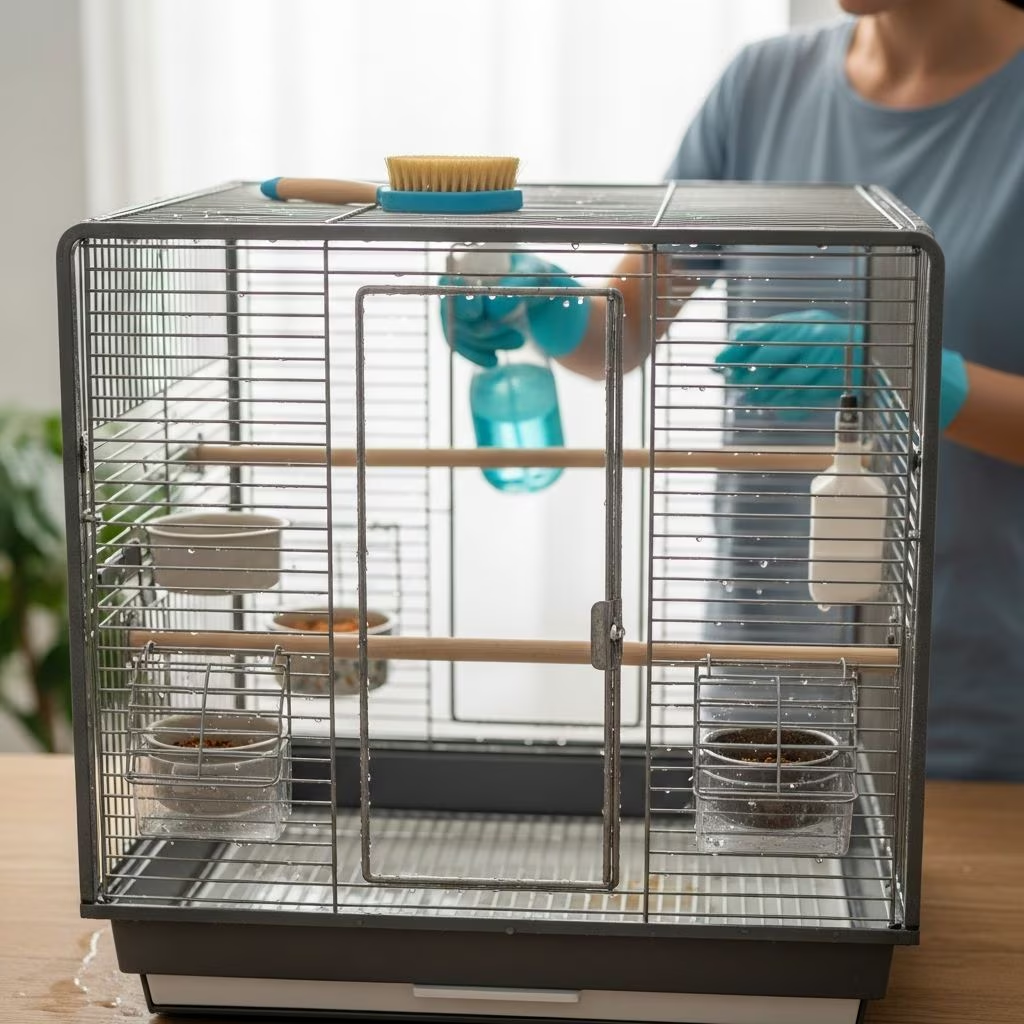
How to Clean a Bird Cage: Complete Guide
Maintaining a clean bird cage is one of the most important responsibilities of bird ownership. A clean environment is essential for your feathered friend’s health, happiness, and longevity. Regular cage cleaning helps prevent the buildup of harmful bacteria, reduces unpleasant odors, and creates a safe space where your bird can thrive. Whether you’re a new bird owner or an experienced aviculturist, understanding the proper techniques and schedules for cage cleaning is crucial to providing excellent care for your pet.
Why Regular Cage Cleaning Matters
A dirty cage can quickly become a breeding ground for bacteria, fungi, and parasites that pose serious health risks to your bird. Birds are particularly susceptible to respiratory infections and other illnesses caused by poor cage hygiene. Beyond health concerns, accumulated waste and food debris create unpleasant odors that affect your home environment. Regular cleaning also allows you to inspect your bird’s living space for any signs of damage or wear that could pose safety hazards. By maintaining consistent cleaning habits, you’re investing in your bird’s physical health and emotional well-being.
Understanding Your Bird Cage Cleaning Schedule
The frequency of cage cleaning depends on several factors, including the size of your cage and the number of birds you house together. However, establishing a consistent cleaning routine is essential for maintaining optimal hygiene standards.
Daily Cleaning Tasks
Certain cage components require daily attention to prevent the rapid accumulation of waste and bacteria. These daily maintenance tasks are quick but critical to your bird’s health:
- Replace cage liners or remove soiled bedding material
- Clean and refill food dishes with fresh food
- Clean and refill water dishes or water bottles with fresh, clean water
- Remove any uneaten fresh fruits or vegetables before they spoil
- Spot-clean any visible waste or debris from perches and surfaces
Weekly Cleaning Tasks
A thorough weekly cleaning helps prevent odor buildup and bacterial growth. Most bird owners should perform comprehensive cage cleaning at least once per week. This more extensive cleaning includes:
- Removing all toys, perches, and accessories from the cage
- Cleaning all cage surfaces thoroughly
- Washing toys and perches with appropriate cleaners
- Checking hardware and mountings for secure tightness
- Inspecting all cage components for damage or wear
Monthly Deep Cleaning
Once monthly, perform a comprehensive deep cleaning of the entire cage. This involves removing your bird temporarily and conducting a thorough disinfection of all surfaces, including hard-to-reach areas. Deep cleaning helps eliminate any accumulated bacteria or parasites that regular cleaning might miss.
Choosing Safe Cleaning Products
Selecting appropriate cleaning products is critical because birds have highly sensitive respiratory systems and can be adversely affected by harsh chemicals and strong fumes. Understanding which products are safe and which to avoid is essential for protecting your bird’s health.
Recommended Safe Cleaners
The best bird cage cleaners are mild and gentle, prioritizing your bird’s safety over aggressive cleaning power. Several safe options are available:
- Mild soap and water: A simple mixture of warm water and unscented dish soap is effective and safe for regular cleaning
- Commercial bird-safe cleaners: Products specifically formulated for avian use are readily available and designed to be non-toxic
- Vinegar solution: A diluted white vinegar solution (one part vinegar to three parts water) provides natural disinfecting properties without harsh chemicals
- Bird-safe disinfectants: When disinfection is needed, choose products explicitly labeled as safe for use around birds
Products to Avoid
Certain products should never be used around birds due to their potential to cause serious health problems. Birds are exceptionally sensitive to airborne particles and chemical fumes, making avoidance of these products critical:
- Bleach and bleach-based cleaners
- Products with strong scents or perfumes
- Abrasive cleaners that can damage cage surfaces
- Ammonia-based cleaners
- Products containing phenol or other toxic compounds
Special Considerations for Dish Soap
Many bird owners wonder about using Dawn dish soap for cage cleaning. Dawn is generally safe to use as a bird cage cleaner, provided it is completely rinsed away and the cage dries thoroughly before your bird returns. However, remember that Dawn is not a disinfectant. When you perform deep cleaning requiring disinfection, choose a bird-safe disinfectant product in addition to or instead of dish soap.
Step-by-Step Cage Cleaning Instructions
Follow these systematic steps to ensure thorough and safe cage cleaning:
Preparation Phase
Before beginning any cleaning, prepare your work area properly. Move your bird to a different room away from cleaning fumes, dust, and other airborne hazards. Remove all food, water dishes, and chewable toys from the cage. Gather all necessary cleaning supplies in one location to ensure efficiency.
Disassembly and Removal
Remove all cage accessories, including perches, toys, and any decorative items. If your cage has a removable tray or grate, take it out as well. This allows you to access all surfaces and ensures nothing is missed during cleaning.
Cleaning the Cage Structure
Wipe down all cage surfaces, bars, and corners with a damp soft cloth and mild soap solution. Pay special attention to corners and crevices where debris accumulates. Use your chosen safe cleaner and work systematically from top to bottom. For stubborn spots, allow the cleaning solution to sit briefly before wiping. Ensure you clean both the interior and exterior surfaces of the cage.
Disinfection for Deep Cleaning
During your weekly or monthly deep cleaning, use a bird-safe disinfectant after the initial cleaning with soap and water. Follow the product instructions carefully regarding dilution and contact time. Some natural disinfectant options include a diluted vinegar solution.
Rinsing Thoroughly
This step is absolutely critical for your bird’s safety. After cleaning with soap or disinfectant, rinse all surfaces completely with clean water to remove any residual cleaner. Incomplete rinsing can leave behind harmful chemicals or residues that your bird may ingest through grooming or drinking.
Drying Completely
Before returning your bird to the cage, ensure all components are completely dry. Moisture can promote bacterial and fungal growth and make the cage uncomfortable for your bird. Use clean towels to dry surfaces, or allow them to air dry completely.
Accessory Cleaning and Reassembly
While the cage dries, clean all toys, perches, food dishes, and water bowls using the same mild soap and water solution. Rinse thoroughly and dry completely. Once everything is dry, reassemble the cage and return all accessories to their proper locations. Finally, return your bird to the clean cage once you’re certain everything is completely dry.
Managing Cage Odors
Odors in a bird cage result from the accumulation of waste and bacteria. The most effective way to eliminate odors is through consistent, regular cleaning rather than relying on air fresheners or deodorizing products.
Prevention Strategies
Preventing odor formation is far more effective than trying to eliminate it after it develops. Use bird-friendly cage liners that you change daily to capture droppings before odor forms. Ensure food and water dishes are cleaned daily. Perform your scheduled weekly cleaning without fail. These practices will effectively prevent odor issues from developing.
Cage Liners and Bedding
Invest in high-quality, bird-safe cage liners designed to absorb moisture and contain waste. Change liners daily or more frequently if needed. Some bird owners prefer washable, reusable liners, while others use disposable options. Both can be effective when changed regularly.
Maintenance and Inspection
Regular cage maintenance goes beyond cleaning. Proper inspection ensures your bird’s safety and identifies potential problems before they become serious issues.
Regular Inspection Checklist
- Check all hardware and mounting points for secure tightness
- Inspect bars and surfaces for rust, corrosion, or damage
- Look for sharp edges or protruding wires that could injure your bird
- Examine perches for cracks, splits, or rough areas
- Check that all doors and latches operate smoothly and securely
- Ensure adequate spacing between bars for your bird species
When to Replace Cage Components
If you discover excessive wear, damage, or corrosion during inspection, replace affected components immediately. Damaged perches should be removed and replaced with fresh ones. Rusted hardware poses a toxicity risk and should be replaced. If damage is extensive, consider replacing the entire cage to ensure your bird’s safety and health.
Special Care Considerations
Different situations may require adjusted cleaning approaches or additional precautions.
Cleaning During Illness
If your bird is ill, increase cleaning frequency and use a bird-safe disinfectant to help prevent secondary infections. Consult your avian veterinarian for specific recommendations based on your bird’s condition.
Multiple Birds in One Cage
When housing multiple birds in a single cage, increase cleaning frequency beyond the standard weekly schedule. More birds generate more waste, requiring more frequent attention to maintain hygiene standards.
Sensitive Birds
Some birds may be particularly sensitive to cleaning products or the cleaning process itself. If your bird shows signs of stress during cleaning, consider using only plain water and mild soap, and ensure your bird remains in a safe, quiet location during the process.
Frequently Asked Questions
Q: Can I leave my bird in the cage while I’m cleaning it?
A: No, you should always remove your bird, along with food, water, and chewable toys, before cleaning. This protects your bird from fumes, dust, and accidental injury during the cleaning process.
Q: How often should I disinfect the cage?
A: Perform a disinfection cleaning once monthly or as needed. If your bird is ill or recovering from infection, your avian veterinarian may recommend more frequent disinfection.
Q: What’s the best cleaning product for bird cages?
A: Mild soap and water or commercially available bird-safe cleaners are best. For disinfection, use a diluted vinegar solution or bird-safe disinfectant. Always rinse thoroughly and allow complete drying before returning your bird.
Q: Can I use bleach to clean my bird cage?
A: No, bleach should never be used around birds. The harsh fumes and chemical residue can cause serious respiratory problems and other health issues in birds.
Q: Is it safe to use scented cleaners around my bird?
A: No, birds have extremely sensitive respiratory systems and can be harmed by scented cleaners and strong perfumes. Always use unscented, bird-safe products.
Q: What should I do if my cage has rust?
A: Rust can be toxic to birds. Clean rust spots gently if possible, but if rust is extensive, replace the affected cage component or the entire cage if necessary.
Consulting Your Avian Veterinarian
If you have questions about specific cleaning products, appropriate cleaning schedules for your particular bird species, or concerns about your bird’s health related to cage cleanliness, consult your avian veterinarian. They can provide personalized recommendations based on your bird’s species, age, and health status. Your veterinarian can also recommend specific products or techniques tailored to your situation.
Proper cage cleaning is fundamental to responsible bird ownership. By establishing consistent cleaning routines, using safe products, and conducting regular inspections, you create a healthy, clean environment where your bird can flourish. The time investment in regular maintenance pays dividends in your bird’s health, happiness, and longevity, making it an essential aspect of quality avian care.
References
- Bird Cage Cleaners and Best Practices — Chewy. 2025. https://www.chewy.com/b/bird-cage-cleaners-11995
- Travel Bird Cage Care Instructions — Chewy. 2022-12-06. https://image.chewy.com/is/content/catalog/574670_UseAndCareInstructions._V1670424237_.pdf
- Small Bird Cage Care and Maintenance Manual — Chewy. 2023-04-10. https://image.chewy.com/is/content/catalog/574814_UseAndCareInstructions._V1681144994_.pdf
- 10 Best Bird Cage Cleaners 2025 — Chewy. 2025. https://www.chewy.com/best/bird-cage-cleaners_s122750



