

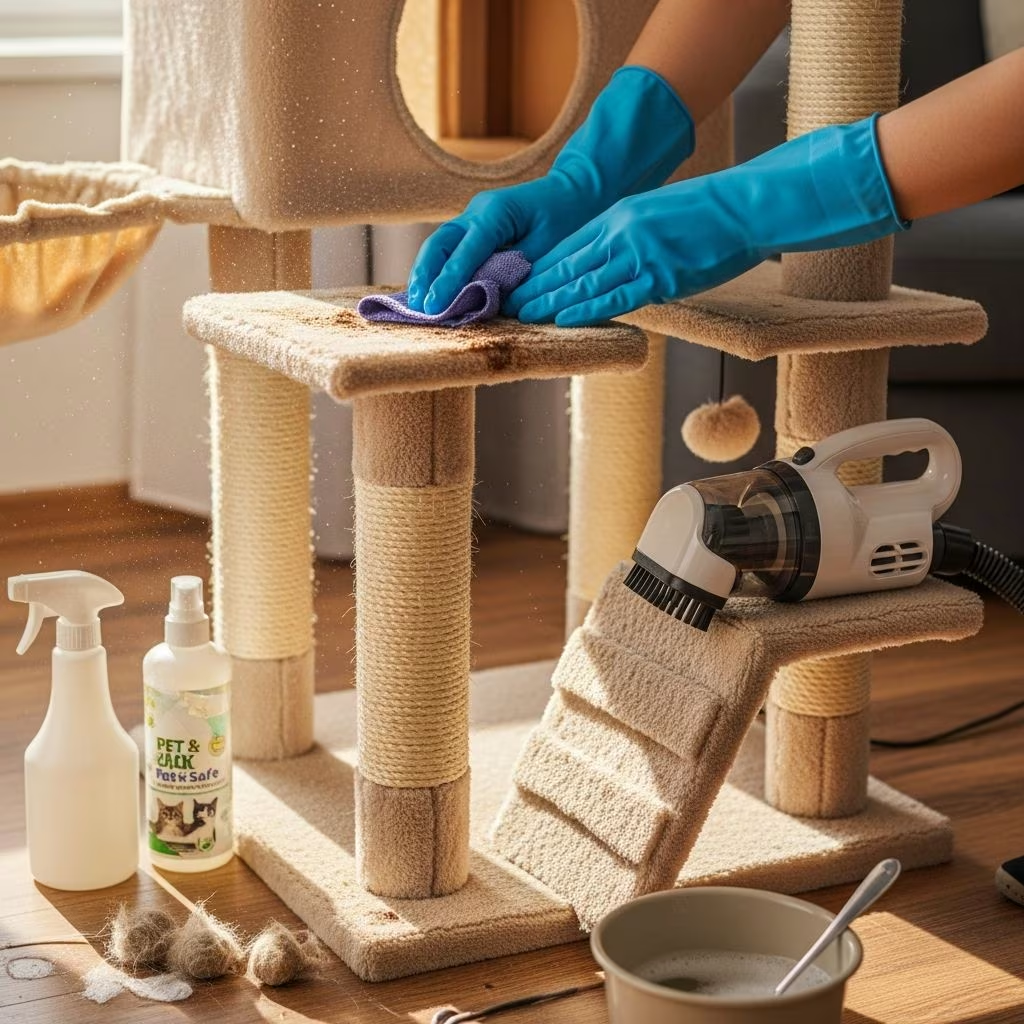
Cat trees are essential playgrounds for our feline friends, providing spaces for climbing, scratching, and lounging. However, they quickly accumulate cat hair, dander, dirt, and odors, making regular cleaning vital for your cat’s health and your home’s hygiene. This guide outlines a complete process to clean your cat tree thoroughly, ensuring it remains a safe, inviting spot. Proper maintenance prevents bacterial buildup and extends the furniture’s life, benefiting both you and your pet.
Why Cleaning Your Cat Tree Matters
Cat trees harbor hidden grime in crevices, platforms, and scratching posts from daily use. Neglecting cleaning can lead to allergens aggravating respiratory issues in humans and cats alike. Regular upkeep removes fur clumps that trap dust and bacteria, reducing odors and potential mold in damp areas. For multi-cat homes or allergy sufferers, weekly surface wipes and monthly deep cleans are ideal to maintain air quality and prevent dander spread.
Gather Your Cleaning Supplies
Before starting, assemble pet-safe tools to avoid harming your cat. Essential items include:
- Vacuum with HEPA filter and attachments: Captures fine particles like dander and fur effectively.
- Lint roller or pet brush: Quickly lifts surface hair without spreading it.
- Stiff brush: Loosens embedded fur on fabrics and sisal.
- Microfiber cloths: Absorb moisture without leaving lint.
- Pet-safe enzymatic cleaner: Breaks down urine, vomit, or organic stains.
- Baking soda: Neutralizes odors naturally.
- Pet-safe disinfectant: Such as diluted vinegar or CleanSmart for hard surfaces.
- Mild pet detergent: For washing removable fabrics.
Always test products on inconspicuous areas to prevent discoloration or material damage. Avoid toxic chemicals like bleach, ammonia, phenols, or isopropyl alcohol, which can poison cats if ingested or inhaled.
Step 1: Disassemble the Cat Tree
Thorough cleaning begins with taking apart your cat tree. Most modern designs feature modular parts like detachable platforms, posts, hammocks, and condos, allowing access to hidden dirt in joints and undersides. Disassembly ensures material-specific cleaning and reveals trapped debris.
How to Disassemble:
- Unscrew platforms, scratching posts, and removable sections using provided tools or Allen wrenches.
- Detach fabric covers, plank tops, or cushions if possible.
- Organize parts by material: fabric, wood/plastic, sisal/scratching poles.
- Inspect for wear, loose screws, or damage during separation.
If your cat tree isn’t fully modular, focus on accessible areas but consider steam cleaning for deeper penetration later.
Step 2: Remove Cat Hair and Debris
Fur is the primary culprit in cat tree mess, clumping in fabrics and crevices. Skipping this step before washing leads to matted hair that’s harder to remove.
Cleaning Methods:
- Lint roller or brush: Roll or brush fabric surfaces vigorously to lift loose hair.
- Vacuum: Use a handheld vacuum with brush and crevice tools on all areas—perches, posts, bases, and hideaways. HEPA filters trap allergens best.
- Stiff brush: Scrub carpeted or sisal parts with short strokes to dislodge stubborn fur.
For allergy-prone households, perform this weekly. Lint rollers excel on hammocks, preventing dander airborne spread.
Step 3: Deep Clean Fabric Parts
Fabric components like perches and beds trap oils, dander, and spills. Differentiate between removable and fixed fabrics for optimal results.
Removable Fabric:
- Check care labels; place in a mesh bag.
- Wash in cold water with gentle pet-safe detergent on delicate cycle.
- Air dry or use no-heat fluff cycle to preserve shape and fibers.
Non-Removable Fabric:
- Spot clean stains with enzymatic cleaner; let sit 10-15 minutes.
- Scrub gently with a damp cloth and pet disinfectant.
- Sprinkle baking soda for odors, rub in, wait 30-60 minutes, then vacuum.
- Wipe dry and air dry fully.
Pre-remove hair to avoid clumping in machines. Enzymatic cleaners target proteins in pet messes effectively without ammonia, which mimics urine scent.
Step 4: Disinfect Hard Surfaces with Pet-Safe Solutions
Wood, plastic, and metal parts collect paw bacteria and grime. Disinfecting eliminates germs without residues harmful to cats.
Recommended Solutions:
- DIY Vinegar Spray: Equal parts white vinegar and water; let sit 30 minutes, wipe dry.
- CleanSmart Daily Surface Cleaner: Chemical-free, air-dries residue-free.
- REScue Spray: Wait 1 minute before wiping; keep wet solution from pets.
Process: Dampen cloth (avoid soaking), wipe all surfaces including undersides and joints, let sit per instructions, then dry thoroughly. Particleboard absorbs moisture, risking mold if not dried properly.
Step 5: Inspect and Clean Scratching Posts
Sisal or carpet posts fray from scratching. Inspect for loose fibers or deep dirt.
Cleaning Tips:
- Vacuum or brush off debris.
- Wipe with pet-safe disinfectant; avoid saturating.
- If heavily worn, rotate posts or replace to encourage continued use.
- For sisal, steam clean lightly if available, or sprinkle baking soda and vacuum.
Regular inspection prevents structural weakening and keeps posts appealing.
Step 6: Dry, Reassemble, and Prevent Future Mess
Ensure all parts are bone-dry before reassembling to prevent mold, especially on wood composites. Air dry in a well-ventilated area; use fans if needed.
Reassemble securely, tightening screws. Introduce preventive habits:
- Weekly vacuuming and lint rolling.
- Monthly full cleans.
- Cat hair collectors near the tree.
- Rotate toys to distribute use.
Cleaning Different Materials: Quick Guide
| Material | Cleaning Method | Precautions |
|---|---|---|
| Fabric/Carpeting | Vacuum, brush, enzymatic cleaner, baking soda | Test products; air dry fully |
| Sisal/Scratching Posts | Brush/vacuum, light disinfectant wipe | Don’t oversaturate |
| Wood/Plastic | Pet-safe disinfectant wipe | Dry immediately to avoid warping |
| Metal | Mild soap wipe, dry | Prevent rust with thorough drying |
Common Mistakes to Avoid
- Oversaturating materials: Leads to mold and weakening.
- Using human cleaners: Toxic to cats (e.g., Lysol, bleach).
- Skipping hair removal: Causes clumping during washing.
- Not testing products: Results in fading or damage.
- Rushing drying: Promotes bacterial growth.
Frequently Asked Questions (FAQs)
Can I machine wash all cat tree fabrics?
Not always—check labels. Use delicate cycles for removables; spot clean non-removables.
How often should I deep clean my cat tree?
Monthly for most homes; weekly hair removal for multi-cat or allergy households.
Is vinegar safe for cat trees?
Yes, diluted white vinegar is pet-safe and effective against bacteria when rinsed and dried.
What if my cat tree has urine stains?
Use enzymatic cleaners to break down uric acid; avoid ammonia.
Pro Tips for Long-Lasting Cat Trees
Place in low-traffic areas to minimize extra dirt. Cover high-use spots with washable blankets. Invest in durable, modular designs for easier maintenance. Happy, clean cats mean healthier homes!
References
- 6 Crucial Steps for Deep Cleaning Your Cat Tree — Tangkula. 2023. https://www.tangkula.com/blogs/maintenance/cat-tree
- How to Clean a Cat Tree – 6 Steps & Tips — Catastrophic Creations. 2023. https://www.catastrophicreations.com/blogs/articles/how-to-clean-a-cat-tree
- How to Clean a Cat Tree In 6 Simple Steps — Cats.com. 2024. https://cats.com/how-to-clean-a-cat-tree
- How to Clean a Cat Tree Like a Pro — Zeze Life. 2023. https://www.zezelife.com/how-to-clean-a-cat-tree-like-a-pro-without-losing-your-mind/



