

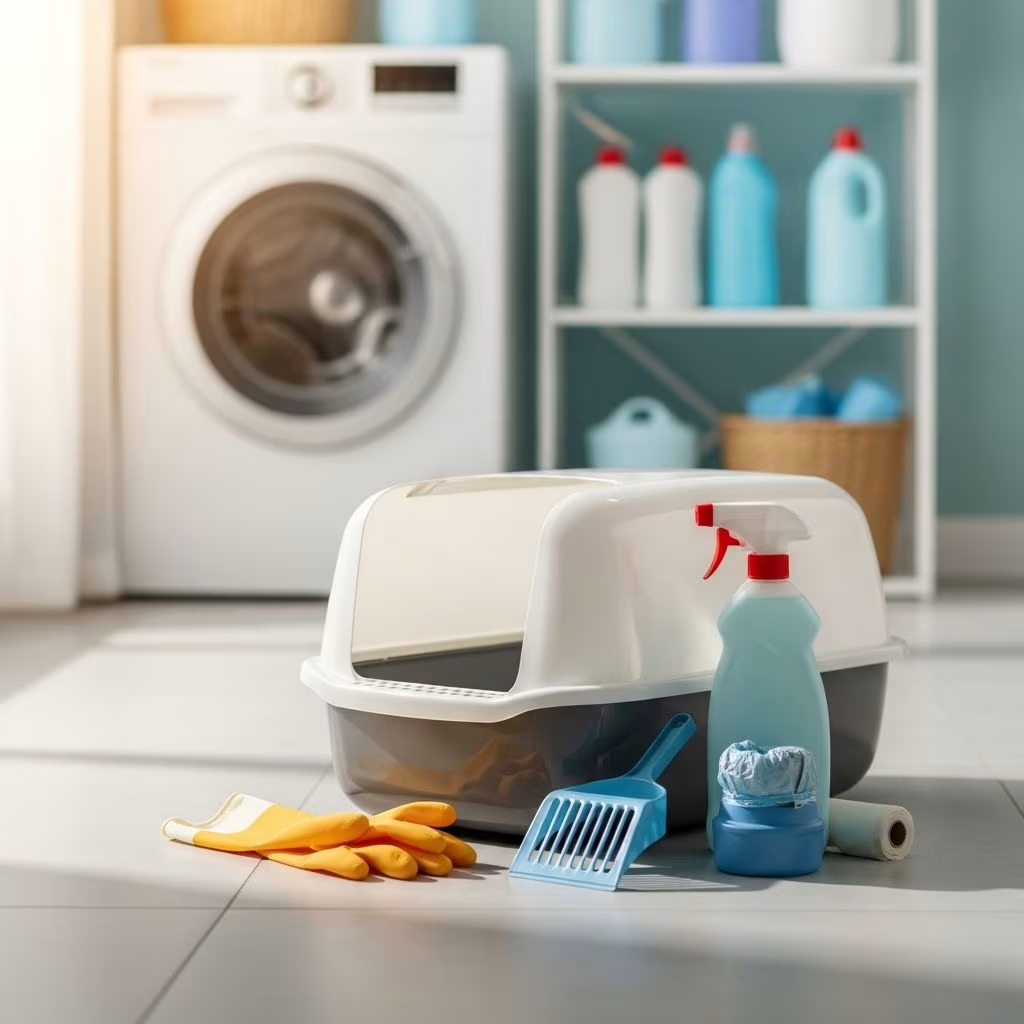
Cleaning your cat’s litter box is essential for maintaining a healthy, odor-free home and ensuring your feline companion’s comfort and well-being. A properly maintained litter box prevents bacterial buildup, reduces stress-related behaviors like inappropriate elimination, and promotes urinary health. This comprehensive guide covers daily routines, deep cleaning processes, necessary tools, frequency recommendations, safety considerations, and troubleshooting tips, drawing from veterinary and pet care best practices.
Why Cleaning the Litter Box Matters
A dirty litter box can lead to serious health issues for cats, including urinary tract infections (UTIs) and parasite transmission. Cats are fastidious creatures with sensitive noses; lingering odors or unclean conditions often cause them to avoid the box, leading to accidents around the house. Regular cleaning eliminates waste, controls bacteria, and keeps the environment inviting. Studies from veterinary sources emphasize that consistent hygiene reduces stress and supports overall feline health.
Neglecting litter box maintenance not only affects your cat but also your household—odors can permeate fabrics and air, creating an unpleasant living space. By establishing a routine, you create a positive association for your cat, encouraging consistent use.
How Often Should You Clean the Litter Box?
Cleaning frequency depends on the number of cats, litter type, and usage. General guidelines include:
- Daily scooping: At least once per day for single-cat homes; twice daily for multi-cat households to prevent odor and clumps.
- Weekly deep clean: Empty and wash the entire box once a week to remove residue and bacteria.
- Monthly disinfection: Use natural deodorizers like vinegar for thorough sanitization.
- Litter replacement: Top off daily; fully replace every 1-2 weeks or as needed for clumping litters.
For multi-cat homes, follow the “n+1” rule: provide one more box than cats (e.g., 3 boxes for 2 cats) and clean more frequently to avoid territorial issues.
Tools and Supplies for Cleaning
Gather these essentials for efficient cleaning:
- Durable litter scoop with sifting holes for clumping litter.
- Heavy-duty trash bags for waste disposal.
- Mild, unscented dish soap for washing.
- Dedicated scrub brush or sponge (litter box only).
- White vinegar or diluted bleach (1:32 ratio) for disinfection.
- Paper towels, clean cloths, or microfiber towels for drying.
- Litter mat to catch stray particles.
- Fresh, high-quality clumping litter (3-4 inches deep).
- Gloves for hygiene, especially in multi-pet homes.
Invest in enclosed or high-sided boxes to minimize tracking, and place them in quiet, accessible locations.
Daily Scooping: Step-by-Step Guide
Daily maintenance is the cornerstone of litter box hygiene. Here’s how to do it effectively:
- Prepare your tools: Wear gloves, have a scoop, trash bag, and fresh litter ready.
- Inspect thoroughly: Check corners, edges, and under rims where waste hides.
- Scoop clumps and solids: Remove all waste promptly; small pieces lead to odor buildup.
- Dispose safely: Seal waste in bags—never flush, as it clogs pipes and harms septic systems.
- Top off litter: Add fresh litter to maintain 3-4 inches depth for digging comfort.
- Sprinkle odor control: Optional baking soda layer neutralizes smells without chemicals.
Quick tip: A midday visual check prevents overnight accumulation, keeping the box fresh.
Deep Cleaning the Litter Box: Complete Process
Weekly deep cleans remove embedded residue that scooping misses. Follow these steps:
- Empty completely: Dump all litter into a sealed trash bag.
- Initial rinse: Use warm water in a utility sink, bathtub, or outdoors to flush debris.
- Soap scrub: Apply mild dish soap; scrub all surfaces, focusing on crevices with a dedicated brush.
- Thorough rinse: Remove all soap—residues repel cats.
- Deodorize (optional): Wipe with 1:1 vinegar-water solution; let sit 5-10 minutes, then rinse.
- Disinfect if needed: Dilute bleach (1:32); apply briefly, rinse multiple times—essential for illness recovery.
- Dry fully: Air dry or towel dry to prevent mold.
- Refill: Add 3-4 inches of unscented clumping litter.
Avoid scented cleaners; cats detect them as off-putting or urine-like.
Safe Cleaning Products and Methods
Cat safety is paramount—harsh chemicals can cause respiratory issues or aversion:
| Method | Safe For Cats? | Details |
|---|---|---|
| Hot water + dish soap | Yes | Primary method; loosens waste without toxins. |
| Vinegar solution | Yes | Natural deodorizer; rinse well. |
| Diluted bleach | Yes, if rinsed | 1:32 ratio only for heavy disinfection. |
| Ammonia/strong scents | No | Mimics urine; causes avoidance. |
| Baking soda | Yes | Sprinkle for odor control. |
Always rinse thoroughly and use unscented products. For plastic boxes, inspect monthly for scratches harboring bacteria; replace every 1-2 years.
Tips to Prevent Odor and Tracking
- Use **high-quality clumping litter** for easy scooping and superior absorption.
- Place a **litter mat** under the box to trap strays.
- Position boxes in **low-traffic, well-ventilated areas** away from food.
- Provide **multiple boxes** in multi-cat homes to reduce competition.
- **Sift litter weekly** to remove dust and fine particles.
- Opt for **larger boxes** (1.5x cat length) for comfort.
Troubleshooting Common Litter Box Problems
If your cat avoids the box:
- Odor issues: Deep clean more often; switch to better litter.
- Box aversion: Ensure cleanliness, unscented products; rule out medical issues like UTIs.
- Tracking: Use low-dust litter and mats.
- Multi-cat fights: Add boxes per n+1 rule.
- Location problems: Avoid dead-end spots; ensure easy access.
Consult a vet if elimination outside the box persists—could indicate health concerns.
Frequently Asked Questions (FAQs)
Can I flush cat litter?
No, flushing clogs pipes and contaminates water. Bag and trash it.
How often should I replace the litter entirely?
Every 1-2 weeks for clumping types; more frequently in busy households.
Is bleach safe for litter boxes?
Yes, heavily diluted (1:32) and thoroughly rinsed; use sparingly.
What if my cat stops using the box?
Check cleanliness, litter type, location; vet visit for medical checks.
How many litter boxes per cat?
One more than the number of cats (n+1 rule).
References
- How to Clean a Litter Box: The Ultimate Step-by-Step Guide — Purina. 2023. https://www.purina.com/articles/cat/behavior/litter/how-to-clean-a-litter-box
- The Ultimate Guide to Cleaning Your Cat’s Litter Box — Texas Cleaning Services. 2023. https://www.texascleaningservices.org/post/the-ultimate-guide-to-cleaning-your-cat-s-litter-box
- How To Clean a Litter Box Step by Step — PetMD. 2024-01-15. https://www.petmd.com/cat/general-health/how-to-clean-litter-box
- Your Ultimate Guide to the Litter Box — Pet Doctors The Gardens. 2023. https://petdoctorsthegardens.co.nz/pet-advice/your-ultimate-guide-to-the-litter-box/
- 4 Things You Need to Know About Keeping a Cat Litter Box Clean — Catsan. 2023. https://www.catsan.co.uk/cat-litter-tips-and-advice/4-things-you-need-to-know-about-keeping-a-cat-litter-box-clean
- Litter Boxes: Get the Scoop Part 2 — Fundamentally Feline. 2023. https://www.fundamentallyfeline.com/litter-boxes-get-scoop-part-2-filler-cleaning-maintenance/
- How to Wash Cat Litter Box: A Complete Guide for Pet Owners — UAH Pet. 2024. https://www.uahpet.com/blogs/post/how-to-wash-cat-litter-box-a-complete-guide-for-pet-owners



