

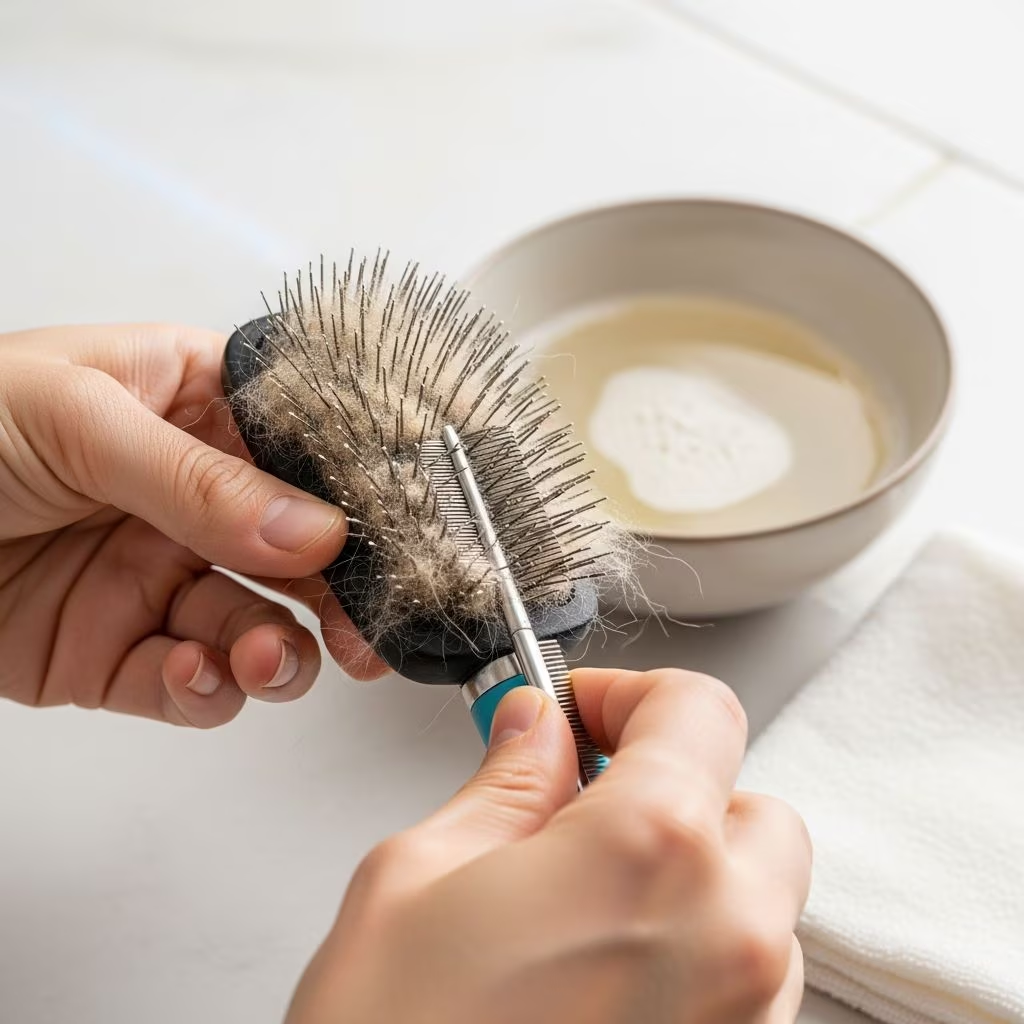
Regular grooming keeps your cat’s coat healthy, shiny, and free of mats, but dirty brushes can undo all that progress by reintroducing dirt, dander, and loose hair back into their fur. Cleaning your cat’s brush is a quick process that promotes hygiene, prevents bacterial growth, and extends the tool’s life. This guide outlines simple steps using household items like vinegar or cat-safe shampoo, covering brushes, combs, and even nail clippers.
Why Clean Your Cat’s Brush?
Cleaning your cat’s grooming tools is essential for several reasons. First, brushes accumulate dead hair, skin cells, dirt, and oils during use. Without proper cleaning, these residues transfer right back to your cat’s coat, defeating the purpose of grooming. This buildup can lead to skin irritations, especially for cats with sensitive skin or conditions like allergies.
Second, a clean brush works more effectively. Grooming tools are designed to remove debris efficiently, but clogged bristles reduce their pulling power, making sessions longer and less productive. Over time, caked-on grime can damage bristles or bend comb teeth, shortening the tool’s lifespan.
Third, hygiene prevents disease spread. Professional groomers disinfect tools after each pet to avoid cross-contamination. At home, this is crucial if you have multiple cats or if your pet has fleas, ringworm, or shedding issues. The ASPCA emphasizes regular grooming to remove dead hair and prevent tangles, underscoring the need for clean tools. Dirty brushes can harbor bacteria or parasites, posing health risks.
Finally, frequent cleaning maintains your cat’s overall health. Cats that go outdoors pick up more dirt, requiring more thorough brush maintenance. For heavy shedders or those with skin problems, sanitation after every use is ideal.
Before You Begin
Prepare your cleaning solution before starting. You’ll need either apple cider vinegar, white vinegar, or cat-specific shampoo—never human shampoo, as it can irritate residues left on the brush.
- Vinegar solution: Mix equal parts warm water and vinegar in a bowl. This natural disinfectant breaks down grime without harsh chemicals.
- Shampoo solution: Add a few drops of cat shampoo to warm water and stir until sudsy. This mimics professional grooming cleansers.
Gather tools: a soft cloth, clean water for rinsing, optional disinfectant spray, and a comb for loosening hair. Work in a sink or basin for easy cleanup. This prep takes under 2 minutes but ensures a smooth process.
How to Clean a Cat Brush in 5 Simple Steps
Follow these straightforward steps to clean any cat brush or comb. The process takes 10-30 minutes, depending on dirt level.
1. Remove the Hair
Start by manually pulling out loose hair tangled in the bristles or teeth. Use your fingers for slicker brushes or a wide-tooth comb to rake through dense areas. Don’t stress over stubborn bits—they’ll loosen in the next step. Dispose of hair immediately to avoid re-contamination. This initial removal prevents clogs during soaking.
2. Dip the Brush
Gently submerge the bristles or teeth into your prepared solution. Let it soak for 5-30 minutes; heavily soiled brushes need longer. The warm liquid softens lodged dirt, dander, and oils, allowing easy release. Avoid soaking wooden handles, as they can warp—dip only the working parts.
3. Wipe and Rinse
Lift the brush from the solution and wipe bristles with a soft, lint-free cloth. Stubborn particles should now slide off effortlessly. Rinse thoroughly under running warm water to remove all soap or vinegar residue. Repeat wiping if needed for a spotless finish.
4. Disinfect the Bristles
For extra sanitation, spritz bristles with a pet-safe disinfectant spray. This kills lingering bacteria and fungi, ideal for multi-pet homes or cats with health issues. Let it air-dry briefly before the final step. While optional, this mirrors pro groomer practices.
5. Let the Brush Dry
Place the brush bristle-side down on a dry towel or rack. This orientation drains water away from the base and handle, preventing mildew. Full drying takes 1-2 hours; never store damp tools, as moisture breeds bacteria.
Cleaning Nail Clippers
If you trim your cat’s claws regularly, clean clippers to avoid infections. Mix 1/2 ounce antibacterial dish soap with warm water. Submerge fully for 1 minute, rinse under clean water, pat dry with a towel, and air-dry completely. This quick sanitize reduces bacterial transfer during pedicures. The ASPCA notes claw maintenance as part of overall grooming.
How Often Should I Clean My Cat’s Brush?
Cleaning frequency depends on usage and your cat’s lifestyle:
- Multiple cats: Clean after every use to prevent cross-contamination.
- Single cat, indoor: When bristles fill with fur or visible dirt builds up, typically every 1-2 weeks.
- Outdoor or heavy shedder: Every 1-2 weeks or after each session during shedding season.
- Skin issues or fleas: After every use to avoid spreading irritants.
Monitor for signs like reduced brushing efficacy or odors. Regular checks keep tools in top shape.
Types of Cat Brushes and Specific Cleaning Tips
Different brushes require slight adjustments:
| Brush Type | Best For | Cleaning Notes |
|---|---|---|
| Slicker Brush | Long-haired cats, removing tangles | Gently comb out mats first; soak longer for embedded fur. |
| Bristle Brush | Short-haired cats, polishing coat | Wipe after dipping; bristles dry quickly. |
| Rubber Brush | Removing dead hair on short fur | ASPCA-recommended; rinse thoroughly to avoid residue. |
| De-shedding Rake | Undercoat removal | Careful with blades; disinfect after use. |
Match cleaning to type for best results. Long-haired cats need more frequent sessions.
Tips for Effective Cat Grooming
Pair clean tools with good technique:
- Brush in the direction of fur growth, from head to tail.
- For short-haired cats, use metal combs and rubber brushes.
- Long-haired: Comb abdomen and legs upward every few days.
- Make it positive with treats to build tolerance.
- During shedding, use de-shedding tools gently to avoid skin irritation.
Frequently Asked Questions (FAQs)
What solution is best for cleaning cat brushes?
Vinegar-water mix or diluted cat shampoo works best. Vinegar disinfects naturally.
Can I use human shampoo on cat brushes?
No, it may leave irritating residues. Stick to cat-formulated products.
How do I clean a self-cleaning cat brush?
Follow manufacturer steps, but always rinse and disinfect bristles.
Is disinfecting spray necessary?
Optional but recommended for multi-pet homes or health concerns.
What if my brush has mats stuck in it?
Soak longer and use a comb; replace if damaged.
References
- How to Clean a Cat Brush in 5 Simple Steps — Hepper Pet Resources. 2023-10-15. https://articles.hepper.com/how-to-clean-a-cat-brush/
- Cat brush-out & deshedding video — YouTube. 2022-05-20. https://www.youtube.com/watch?v=ihtC7DeDw18
- Cat Grooming Tips — ASPCA. 2024-01-10. https://www.aspca.org/pet-care/cat-care/cat-grooming-tips
- Cat Cleaning Brush: The Ultimate Guide — UAH Pet. 2023-08-05. https://www.uahpet.com/blogs/post/cat-cleaning-brush-the-ultimate-guide-to-keeping-your-feline-fresh
- How Do You Properly Clean A Cat Brush? — YouTube (Ask A Pet Vet). 2023-03-12. https://www.youtube.com/watch?v=4ewPxvRGQug



