

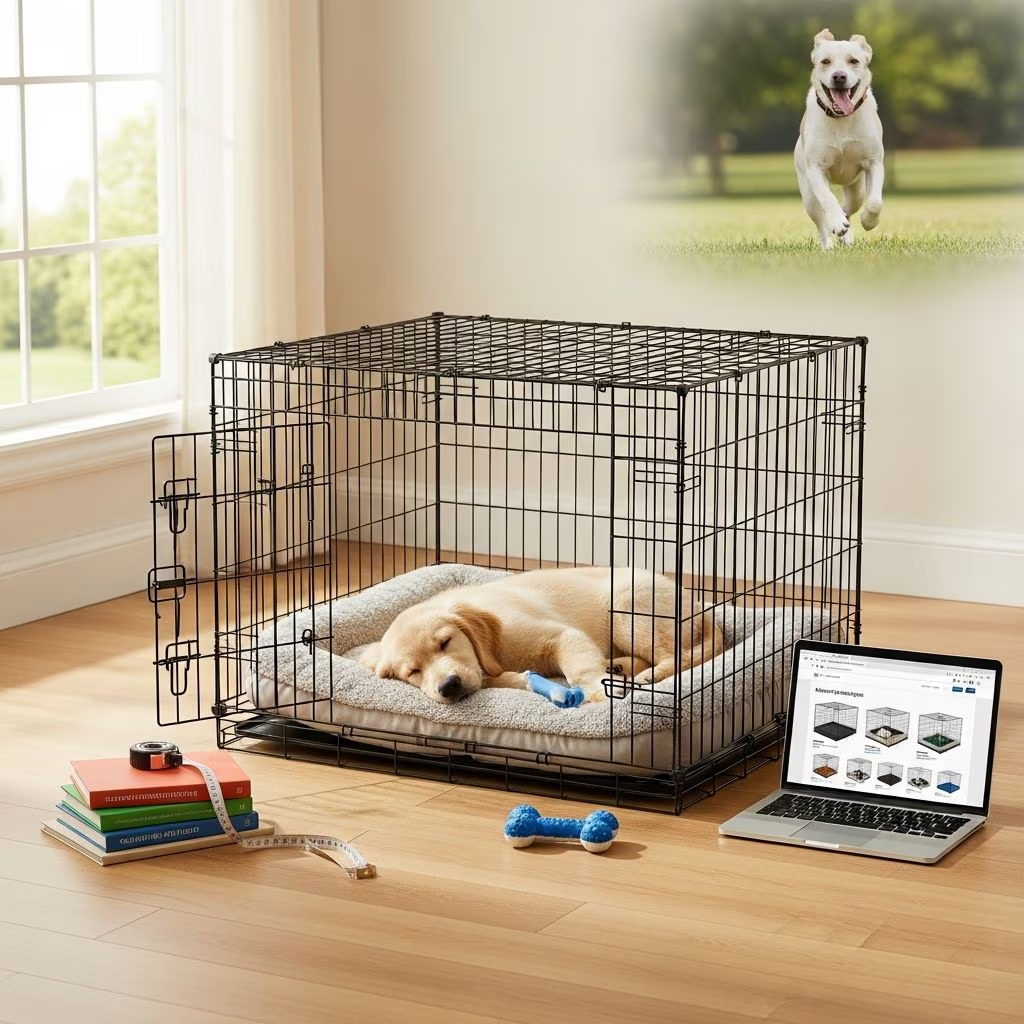
Choosing the right dog crate is one of the most important decisions you’ll make as a pet owner. A properly sized and well-designed crate provides your dog with a safe, comfortable space for relaxation, training, and travel. Whether you have a new puppy, an adult dog, or a large breed that requires extra security, understanding the key factors in crate selection will help you find the perfect fit for your furry companion.
How Big (or Not So Big) Is Your Dog?
When choosing a dog crate, the top factor to consider is size. Your dog should be able to walk into the crate without crouching down, and be able to comfortably turn around with the door shut. Because dogs are usually taller when sitting, it’s okay if they are unable to sit up completely in the crate, but they should have plenty of room to stand and move naturally.
A good way to determine the correct size is to measure your dog’s height when standing (from the top of the dog’s head to the floor) and length (from the tip of the dog’s nose to the base of its tail). Then, add 4 inches to the dog’s measurements to determine the best dog crate size. This extra space ensures your dog feels comfortable without having too much empty room that might make them feel insecure.
After you’ve figured out what size crate you need, measure the area of your home where the crate will be kept to make sure it fits properly. Space considerations are just as important as your dog’s comfort, especially if you have a smaller living area.
Step-by-Step Measuring Instructions
To accurately measure your dog for a crate, follow these steps:
Gather Your Supplies
Before you begin measuring, assemble the following items:
- Your dog
- A soft measuring tape
- Tasty dog treats (to keep your pup still and cooperative)
Measure Your Dog’s Height
Have your dog stand naturally on all four paws. Place the measuring tape at the floor and measure up to the top of your dog’s head. This measurement is crucial because it ensures your dog can stand comfortably in the crate without ducking or crouching.
Measure Your Dog’s Length
Measure from the tip of your dog’s nose to the base of their tail while they’re in a standing position. This length measurement ensures your dog can stretch out and turn around comfortably inside the crate.
Factor in Some Wiggle Room
Make sure to add some wiggle room to these measurements to ensure your dog feels comfortable in their crate. While you don’t want them to swim in empty space, they also shouldn’t feel cramped. A good rule is to add four inches to both their height and their length measurements. After you open and assemble your crate, you can double-check that it’s not too small by letting your dog explore it. If your pup can comfortably stand up, lay down, and turn around inside it, it’s big enough.
Find Your Dog’s Crate Size
Many brands offer a dog crate size chart to help you pick the right size. Compare your dog’s measurements (with the added 4 inches) to the dimensions of each size of crate, and find the option that’s closest to those measurements without going under. If your dog is between measurements on height and length, always size up. While weight is often included in these charts, it’s really important that you focus on the height and the length.
Will Your Dog Grow?
Puppies need a smaller space right now, but plenty of room as they grow bigger. If your new pet is a puppy, consider a crate with divider panels, like the Frisco Fold & Carry Double Door Dog Crate. Dividers prevent a dog from having too much space and can be adjusted as the puppy grows into the crate. This investment in a crate with dividers means you won’t need to purchase multiple crates as your puppy matures into adulthood.
If you’re still in doubt about sizing, go bigger and adjust with a divider panel. This approach ensures your puppy has room to grow while maintaining the secure, den-like feeling they need for comfort and housetraining.
Types of Dog Crates
Wire Crates
Wire crates are common for dogs and often come with a divider that lets the crate grow with your pup. These crates are durable, easy to clean, and typically more affordable than other options. Wire crates are perfect for most dogs, including puppies and dogs who are being housetrained. Their open design allows for good ventilation and visibility, helping your dog feel less isolated.
Soft-Sided Crates
Soft-sided crates are perfect for traveling pets and parents, dogs who want to sit up and look around, and pet parents who want a crate they can easily move. These crates typically feature multiple doors (often 3 or 4) that provide flexibility in positioning the crate in your home. If you plan to use your soft-sided crate outside, look for water-resistant material to protect it from the elements.
Heavy-Duty and Extra-Large Dog Crates
These dog crates are extra long and tall and are usually made of coated metal or sometimes high-grade steel. Large dog crates will generally have multiple latches positioned so even the most clever canine escape artist can’t outwit them. Heavy-duty dog crates can be a smart choice for dogs who need extra security and are perfect for the very largest, strongest dogs and cleverest pups.
Key Features to Consider
Single Door vs. Double Door
Depending on where you place the crate in your home, you may find it useful for your dog to have multiple exits from their crate. On the other hand, if your pup is an escape artist, it might be best to stick to one way in and out. Double-door crates offer more flexibility in home placement and easier access for both you and your pet.
Crate Material
Wire crates are durable and versatile, while soft-sided crates offer portability. Heavy-duty steel crates provide maximum security for strong or determined escape artists. Choose the material based on your dog’s size, behavior, and your lifestyle needs.
Storage and Space Considerations
You should also consider the size and layout of your home when making your decision. Will you need to put your dog’s crate away when it’s not in use? Consider a collapsible crate for easier storage. Crates with multiple doors give you more flexibility when it comes to positioning the crate in your home.
Weather Resistance
If you plan to use your soft-sided crate outside, look for water-resistant material. This feature ensures your crate will withstand outdoor conditions and last longer with regular exposure to the elements.
Crate Accessories and Add-Ons
You can buy crate accessories separately, or look for a package that includes what you need. The Frisco Heavy Duty Double Door Dog Crate and Mat Kit, for example, comes with a comfortable mat that fits perfectly inside the crate. Additional accessories to consider include:
- Crate Covers: Products like the MidWest Quiet Time Crate Cover help create a den-like atmosphere and reduce anxiety
- Orthopedic Mats: The Frisco Cooling Orthopedic Dog Crate Mat provides comfort and joint support for your dog
- Crate-Friendly Toys: Include toys like the KONG Classic Dog Toy that provide mental stimulation when your pup is in the crate
Durability and Quality Considerations
It is important to consider durability because you want a dog crate that will last for a long time and withstand the wear and tear of daily use. A durable crate will also provide a safe and secure environment for your dog. Look for sturdy materials, escape-proof latches, and easy-to-clean surfaces. Features like adjustable panels, walk-through gates, and weather resistance can add convenience and comfort to your crate investment.
Ensuring your crate is sized appropriately is crucial because it directly affects the comfort and well-being of your dog. A crate that is too small can be uncomfortable and cause anxiety, while a crate that is too big may not provide a sense of security for your dog.
Recommended Dog Crate Options
| Crate Type | Best For | Key Features |
|---|---|---|
| Wire Collapsible Crates | Most dogs, puppies, housetraining | Durable, divider panels, easy to clean |
| Soft-Sided Crates | Travel, flexible positioning | Multiple doors, portable, lightweight |
| Heavy-Duty Steel Crates | Large/strong dogs, escape artists | Extra security, multiple latches |
| Crate Kits with Accessories | Dogs needing extra comfort | Includes mat, cover, or other accessories |
Frequently Asked Questions
Q: What size crate or kennel should I get?
A: Get a crate or kennel that’s big enough to allow your dog to stand up and turn around inside it. A good rule of thumb is to measure the dog’s length from nose to tail and his height from paws to torso, and then add 3-5 inches to get the ideal crate height and length dimensions. All the crates and kennels on Chewy have sizing charts to help you pick the perfect one.
Q: How do I know if my dog’s crate is too small?
A: If your dog cannot comfortably stand up, lay down, and turn around inside the crate, it’s too small. A crate that is too small can be uncomfortable and cause anxiety. Always allow for that extra 4 inches of wiggle room beyond your dog’s actual measurements.
Q: Should I get a crate with one door or multiple doors?
A: This depends on your home layout and your dog’s behavior. Multiple doors provide more flexibility in positioning, but a single door may be better if your dog is an escape artist. Consider your specific situation when making this decision.
Q: What should I put inside my dog’s crate?
A: Include an orthopedic mat for comfort, a crate cover to create a den-like atmosphere, and crate-friendly toys for mental stimulation. Make sure any toys are safe and won’t break into pieces your dog could choke on.
Q: Can I use a soft-sided crate outdoors?
A: Yes, but look for water-resistant material to protect it from the elements. Not all soft-sided crates are suitable for outdoor use, so check the product specifications before purchasing.
Q: What should I do if I have a growing puppy?
A: Consider a crate with divider panels that can be adjusted as your puppy grows. This approach saves money by eliminating the need to purchase multiple crates and helps maintain the secure, den-like feeling your puppy needs for comfort and housetraining.
Conclusion
Choosing the perfect dog crate requires careful consideration of your dog’s size, growth potential, and your home’s layout. By measuring your dog accurately, understanding the different crate types available, and considering your specific needs, you can find a crate that provides your dog with a safe, comfortable sanctuary. Remember to add that crucial 4 inches to your measurements, consider whether your dog might grow, and think about the features that matter most for your lifestyle. With the right crate in place, you’re investing in your dog’s comfort, safety, and well-being for years to come.
References
- How to Choose the Perfect Dog Crate — Chewy. 2025. https://www.chewy.com/education/dog/general/dog-crate-buying-guide
- Dog Crates & Kennels: Frequently Asked Questions — Chewy. 2025. https://www.chewy.com/b/crates-kennels-369
- What Size Crate Should I Get for My Dog? Here’s How to Tell — Chewy. 2025. https://www.chewy.com/education/dog/general/what-size-crate-does-my-dog-need-how-to-measure
- How To Measure A Dog For A Crate — Chewy. 2025. https://www.youtube.com/watch?v=yQP8X9EJPHc
- What Size Dog Crate is Best? — Chewy. 2025. https://www.youtube.com/watch?v=4NphQEw6Vn8
- 10 Best Dog Crates 2025: According to Reviews — Chewy. 2025. https://www.chewy.com/best/dog-crates_s136364
- Dog Crates, Pens and Gates: Best Brands, Low Prices — Chewy. 2025. https://www.chewy.com/b/dog-enclosures-and-barriers-364



