How to Choose a Kitten Shampoo
Select the perfect dermatologist-formulated shampoo for your kitten's delicate skin and coat health.
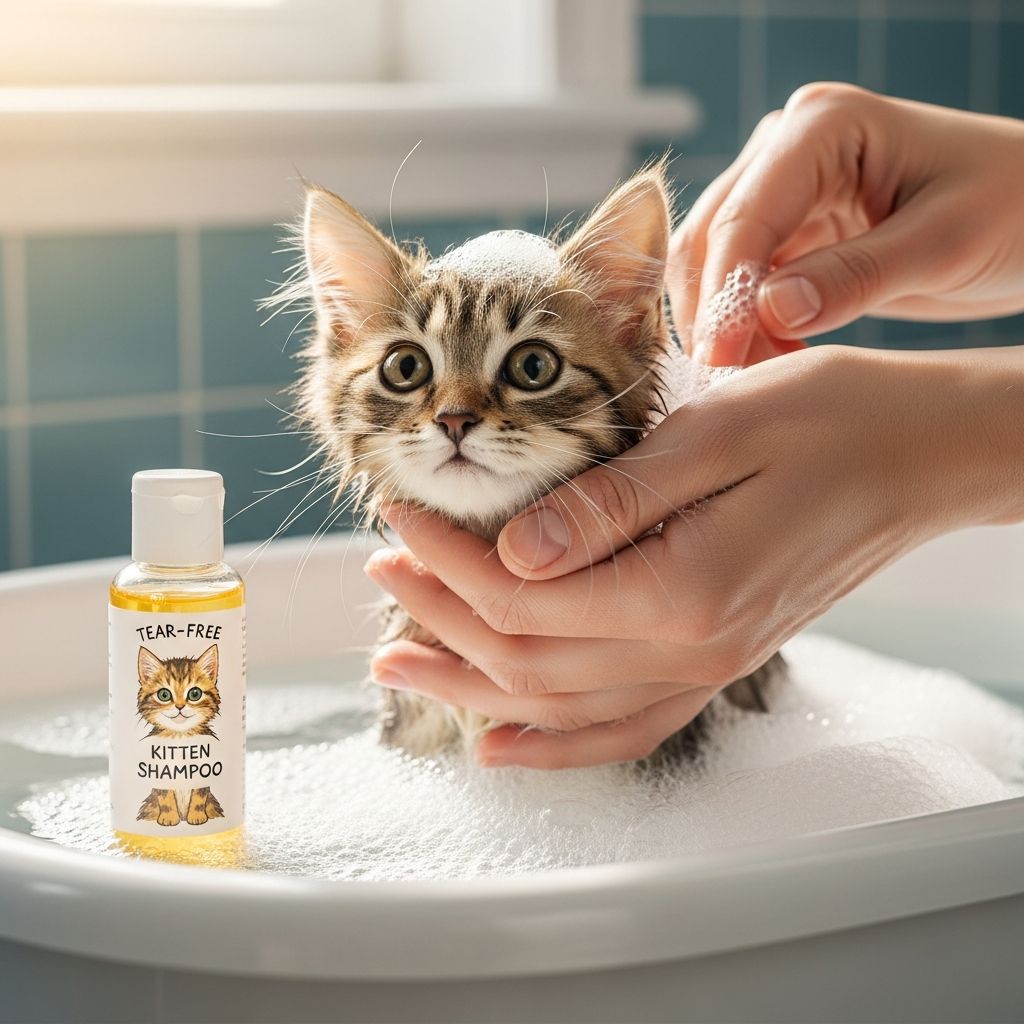
When you welcome a new kitten into your home, establishing a proper grooming routine is essential for their overall health and well-being. One of the most important aspects of kitten care is selecting the right shampoo for your young feline companion. Unlike human shampoos, kitten shampoos are specifically formulated to address the unique needs of a kitten’s delicate skin and coat. Choosing an appropriate shampoo will help maintain your kitten’s skin barrier, prevent irritation, and keep their fur healthy and lustrous.
Your veterinarian will likely recommend a dermatologist-formulated, soap-free shampoo that’s specifically designed for pets. This recommendation is crucial because kittens have more sensitive skin than adult cats, and their skin requires specialized care during their developmental stages. Understanding the different types of shampoos available and what to look for will empower you to make informed decisions about your kitten’s grooming needs.
Understanding Your Kitten’s Skin Care Needs
Before selecting a shampoo, it’s important to understand that kittens have unique skin care requirements that differ significantly from adult cats and humans. A kitten’s skin is considerably more delicate and prone to irritation, making it essential to use products specifically formulated for their age group. When choosing shampoos, you’ll want to consider your kitten’s individual skin care needs, which may include sensitivity to harsh chemicals, susceptibility to dryness, or specific dermatological conditions.
The pH balance of a kitten’s skin is naturally more acidic than human skin, requiring shampoos that maintain this balance to support their natural protective barrier. Many general pet shampoos are not pH-balanced for kittens specifically, which can lead to skin irritation, dryness, and discomfort. By selecting a kitten-specific shampoo, you ensure that the product respects your young cat’s unique biochemistry and promotes optimal skin health.
Why Avoid Soap-Based Shampoos
One of the most critical recommendations from veterinarians is to avoid soap-based shampoos for kittens. Soapy shampoos may effectively wash away dirt and debris from your kitten’s coat, but they also have a significant drawback: they can compromise your kitten’s natural skin barrier. The skin barrier is a protective layer that prevents harmful bacteria and environmental irritants from entering the skin while retaining necessary moisture.
Soap-free formulations are gentler on delicate kitten skin and help preserve the skin’s natural oils and protective functions. These shampoos use alternative cleansing agents that are effective at removing dirt and debris without stripping away the essential protective layer. By choosing a soap-free option, you’re taking a proactive step toward preventing skin issues before they develop.
Main Types of Kitten Shampoos Recommended by Veterinarians
Veterinarians typically categorize kitten shampoos into several main types, each designed to address different skin conditions and grooming needs. Understanding these categories will help you identify which type best suits your kitten’s specific requirements.
Moisturizing Shampoos
Moisturizing shampoos are designed to lubricate the skin and help restore the skin’s protective barrier, making them an excellent choice for kittens with dry or sensitive skin. These shampoos are formulated with hydrating ingredients that provide relief from dryness and help maintain skin moisture levels. Oatmeal shampoos represent a popular non-prescription form of moisturizing shampoo that works well for routine use in kittens.
Oatmeal is a natural ingredient known for its soothing and moisturizing properties. When incorporated into a kitten shampoo, colloidal oatmeal provides itch relief and soothes irritated skin while leaving the fur soft and plush. These shampoos are meant to be used during regular grooming sessions and are gentle enough for frequent use. Oatmeal shampoos are often combined with other natural ingredients like aloe vera to enhance their soothing effects.
Antiseborrheic Shampoos
Antiseborrheic shampoos are specifically formulated for kittens that experience oily or flaky skin conditions, known as seborrhea. These shampoos address two distinct presentations: wet seborrhea, characterized by oily skin, and dry seborrhea, which involves flaky or scaly skin. Antiseborrheic formulations work by regulating sebum production and reducing the buildup that leads to these uncomfortable conditions.
If your kitten shows signs of excessive oiliness or dry, flaky patches on their skin, an antiseborrheic shampoo may be recommended by your veterinarian. These medicated shampoos often contain keratolytic and antimicrobial ingredients that help normalize skin function and prevent secondary infections.
Other Specialized Formulations
Beyond moisturizing and antiseborrheic options, veterinarians may recommend other specialized shampoo formulations depending on your kitten’s specific health needs. Some kittens may require medicated shampoos if they have fungal infections, bacterial infections, or other dermatological conditions. Additionally, flea and tick shampoos formulated specifically for kittens are available when parasite prevention becomes necessary.
Key Ingredients to Look For
When selecting a kitten shampoo, paying attention to the ingredient list is crucial. The best kitten shampoos are formulated with plant-based ingredients that are skin-soothing and active in promoting skin health. Here are the key ingredients you should seek out:
Natural Soothing Ingredients
High-quality kitten shampoos often feature natural ingredients such as shea butter, buttermilk, aloe vera, and coconut oil. These ingredients work synergistically to cleanse, soothe, and moisturize your kitten’s skin and coat. Aloe vera, in particular, adds soothing effects and provides antioxidants to keep your kitten’s skin healthy. Coconut oil-based formulas give life and body to the coat while helping prevent dryness.
Ingredients to Avoid
Choosing a cat shampoo that does not have harsh chemicals is non-negotiable for your kitten’s safety and comfort. You should steer clear of any fur care product that features sulfates, soaps, DEA, lanolin, parabens, MEA, and any artificial additives such as fragrances and dyes. Additionally, avoid products containing excessive sulfates, parabens, and artificial fragrances, as these can cause irritation to your kitten’s sensitive skin.
Many inexpensive kitten shampoos contain these harmful chemicals as cost-reduction measures. These ingredients can strip away natural oils, disrupt the skin barrier, and cause inflammation. By reading ingredient labels carefully and prioritizing products free from these substances, you protect your kitten from unnecessary irritation and potential long-term skin damage.
The Importance of pH Balance
A good cat shampoo should have a pH level specifically formulated for feline skin, which is more acidic than human skin. The pH balance of a shampoo is critical because using products with improper pH levels can disrupt your kitten’s natural skin barrier and lead to irritation, dryness, and increased susceptibility to infections.
A balanced pH helps maintain the natural protective barrier of the skin, ensuring that your kitten’s coat remains healthy and resilient. When shopping for kitten shampoos, look for products that explicitly state they are pH-balanced or formulated for pets. This indicates that manufacturers have taken your kitten’s unique skin chemistry into account during product development.
Specialized Shampoos for Specific Needs
Just as kittens have individual personalities, they also have individual grooming and skin care needs. Considering your kitten’s specific concerns will help you select the most appropriate shampoo for their situation.
Tearless Formulations
If you’re concerned about shampoo getting into your kitten’s eyes during bathing, tearless shampoos are an excellent choice. These specially formulated shampoos are gentler around sensitive eye areas and reduce discomfort if they come into contact with your kitten’s eyes. Tearless formulations are particularly important when bathing young kittens who are still becoming accustomed to the bathing process.
Hypoallergenic Options
For kittens with known sensitivities or allergies, hypoallergenic shampoos are formulated to minimize the risk of allergic reactions. These products are typically free from common allergens and are designed to clean your kitten’s fur without causing any discomfort or skin irritation. If your kitten has a history of skin sensitivities or you suspect allergies, consulting with your veterinarian about hypoallergenic options is a wise approach.
Natural and Organic Formulations
Many pet owners prefer natural and organic kitten shampoos, which rely on plant-based ingredients rather than synthetic chemicals. Natural formulations often provide the same cleansing benefits as conventional shampoos while being gentler on delicate kitten skin. These products typically feature recognizable ingredients and are free from artificial preservatives and additives.
Practical Considerations When Choosing a Kitten Shampoo
Beyond formulation and ingredients, several practical factors should influence your selection of the right kitten shampoo.
Bottle Design and Usability
It is important that the cat shampoo you use comes in a bottle that you can easily hold while bathing the cat. Additionally, you should be able to lather it up quickly when required. When you’re bathing an active kitten, having a bottle that’s ergonomic and easy to manage makes the experience significantly less stressful for both you and your pet. Look for bottles with secure caps, comfortable grips, and spout designs that allow for controlled dispensing.
Lathering Ability
A good kitten shampoo should lather quickly and effectively, allowing for thorough coverage of your kitten’s coat with minimal product waste. Some kitten shampoos are formulated to work quickly to a rich foam but also rinse out quickly, which is ideal for impatient kittens. This combination of properties makes bath time more efficient and less stressful for young cats.
Rinsing and Residue
Ensure that your chosen shampoo rinses out quickly and completely, leaving no irritating residue on your kitten’s skin and coat. Residual shampoo left on the skin can cause irritation, itching, and discomfort. A shampoo that rinses cleanly will help you complete bath time faster and ensure your kitten’s comfort immediately after bathing.
Recommended Kitten Shampoo Brands
Several reputable brands have established themselves as leaders in kitten grooming products, offering formulations that meet veterinary standards for safety and efficacy.
Bio-Groom Kuddly Kitty Shampoo
Bio-Groom Kuddly Kitty Shampoo is a tearless, soap-free conditioning shampoo specifically formulated for kittens. This shampoo leaves the coat soft, fluffy, and clean while helping to control body odors. The natural formula cleanses thoroughly without stripping the natural protective oils from the skin or coat, and it’s pH balanced with quick, complete rinsing. Importantly, it’s safe for kittens and can be used with topical flea and tick treatments.
Cat Space Oatmeal Shampoo
The Cat Space Oatmeal Shampoo is a gentle, dye-free formula that gently cleans and soothes itchy, irritated skin while leaving the fur moisturized and shiny. This mild formula is pH balanced and made with oatmeal extract, specially formulated for sensitive skin. It is also cruelty-free and contains no harsh soaps, fragrances, or dyes.
Fidos Puppy & Kitten Shampoo
Fidos Puppy & Kitten Shampoo is a soap-free, pH balanced shampoo formulated specially for a kitten’s more delicate skin. The blend of gentle cleansing ingredients leaves the coat clean and fresh without drying or irritating the skin. This product is suitable for sensitive skin and can be used with flea and tick products without needing to re-apply. It’s gentle enough for frequent use, such as weekly bathing.
Consulting With Your Veterinarian
While the guidance provided here offers valuable insights into selecting a kitten shampoo, your veterinarian remains your best resource for personalized recommendations. Your vet can assess your individual kitten’s skin condition, identify any existing dermatological issues, and recommend the most appropriate shampoo formulation for their specific needs. If you notice any signs of skin irritation, excessive itching, flaking, or other concerning symptoms, schedule a veterinary appointment before introducing a new shampoo.
Frequently Asked Questions
Q: Can I use regular cat shampoo on my kitten?
A: While you can technically use regular cat shampoo on kittens, it’s not the best choice. Kittens have more sensitive skin and are more prone to skin issues than adult cats. Using a shampoo specifically formulated for kittens is a safer and more suitable option, as these shampoos are typically tearless and gentler on their delicate skin.
Q: Should I bathe my kitten regularly?
A: Most kittens don’t require frequent baths because they groom themselves effectively. However, introducing grooming early on is a fantastic way to accustom them to the experience. Bathing your kitten occasionally with an appropriate kitten shampoo can help establish good grooming habits and ensure their coat remains clean and healthy.
Q: What if my kitten has a skin condition?
A: If your kitten has a diagnosed skin condition, your veterinarian will recommend a medicated shampoo formulated to address that specific issue. These might include antiseborrheic shampoos for oily or flaky skin, antifungal shampoos for fungal infections, or antibacterial shampoos for bacterial infections. Always follow your vet’s recommendations for medicated shampoos.
Q: How do I know if a shampoo is causing irritation?
A: Signs of shampoo irritation include excessive scratching, redness, flaking, hair loss, or a persistent foul odor. If you notice any of these symptoms after bathing your kitten, discontinue use of that shampoo and consult your veterinarian. They can help identify whether the shampoo is the cause or if another underlying condition is responsible.
Q: Are natural or organic kitten shampoos always better?
A: While natural and organic shampoos are often gentler options, what matters most is that the shampoo is specifically formulated for kittens, soap-free, pH-balanced, and free from harsh chemicals. Some natural products may still contain irritating ingredients, so always check the ingredient list and your kitten’s reaction to any new product.
References
- What’s the Best Shampoo to use on a Cats delicate skin? — AllGroom. 2024. https://allgroom.co.nz/blogs/shampoo/whats-the-best-shampoo-for-cats
- Choosing Cat Shampoos: Tips for Healthy Cat Fur and Coat — Supertails. 2024. https://supertails.com/blogs/grooming/choosing-cat-shampoos-tips-for-healthy-cat-fur-and-coat
- 7 Best Cat Shampoos: Moisturizing Soothing, & More [Vet Approved] — Sploot Vets. 2024. https://www.splootvets.com/post/best-cat-shampoos-moisturizing-soothing-vet-approved
- How to Choose the Right Shampoo for Your Puppies or Kittens — Soos Pets. 2024. https://soospets.com/blogs/paw-cademy/right-shampoo-for-puppies-or-kittens
- How To Choose A Kitten Shampoo — VCA Animal Hospitals. 2024. https://vcahospitals.com/pediatric/kitten/prep-supplies/how-to-choose-a-kitten-shampoo
- Best Shampoo for Cats: Gentle, Effective, and Safe Choices — Paw Origins. 2024. https://paworigins.com/blogs/vet-blogs/best-shampoo-for-cats-effective-and-safe-choices
Similar Articles






Read full bio of Sneha Tete