

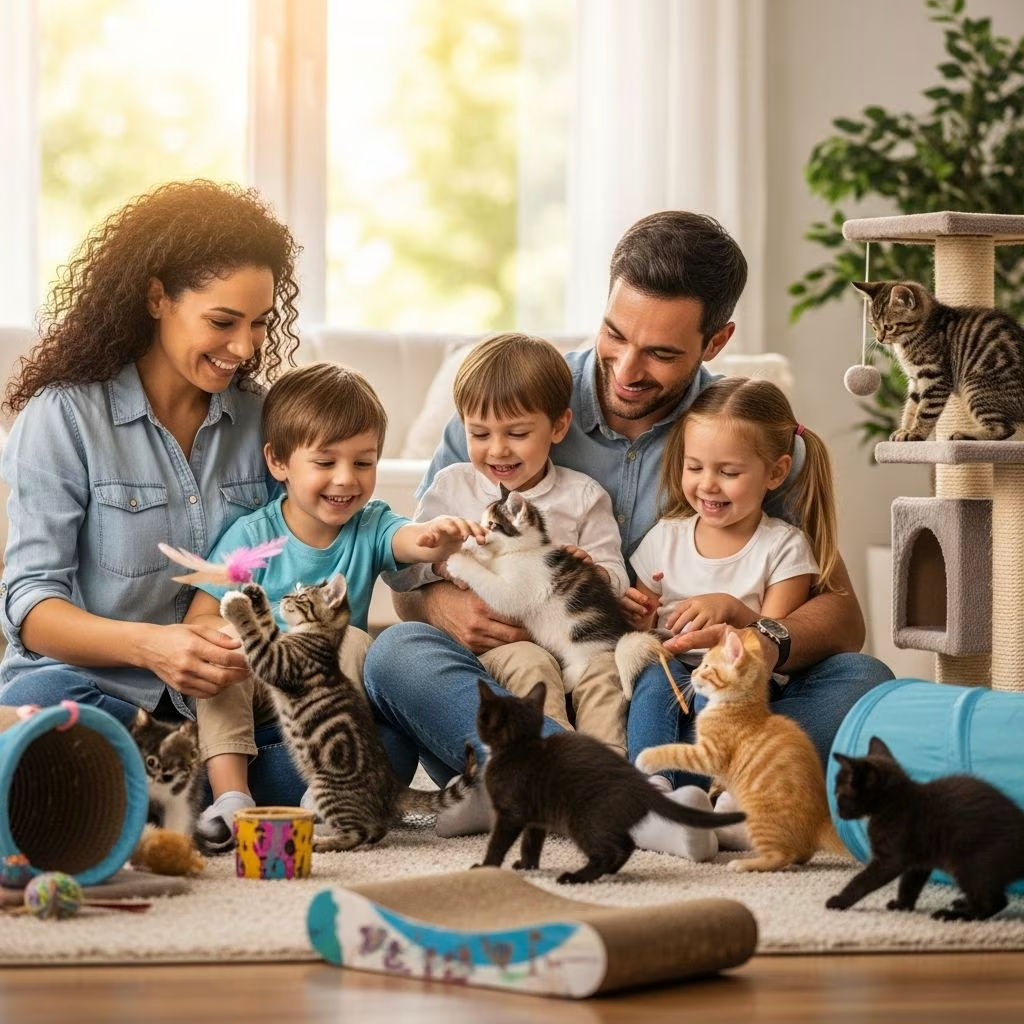
How to Choose a Kitten for Your Family: 8 Vet-Approved Tips
Welcoming a kitten into your life is an exciting time, but if you are new to cat parenting, you may be feeling unsure about how to approach choosing the perfect feline friend. While there are no set rules, there are some things to take into account to help you make your decision. Selecting the right kitten involves careful consideration of multiple factors, from their age and health status to their personality and how well they fit with your lifestyle. This comprehensive guide will walk you through all the essential aspects you need to evaluate when meeting a litter of kittens or considering adopting an adult cat.
1. Consider the Age Range
One of the first decisions you’ll need to make is what age kitten works best for your situation. The age of the kitten you choose can significantly impact your experience as a new cat parent and the kitten’s adjustment to your home.
Some people prefer to adopt recently weaned kittens, typically around 8 weeks old, as they enjoy watching them grow and develop. However, others prefer older kittens that are already a few months old because their personalities are more developed and established. By this age, many kittens will have already learned important social skills, including how to interact appropriately with other cats and people. Older kittens may also be easier to care for initially, as they require less frequent feeding and are typically more independent than their younger counterparts.
Consider your lifestyle and experience level when making this decision. First-time cat owners might find older kittens less demanding, while those with more experience may enjoy the bonding process that comes with raising a younger kitten from an early age.
2. Decide Between a Breeder or Adoption
Once you’ve decided on the age and type of kitten you’d like to welcome into your home, the next important decision is where to source your new feline companion. You have two primary options: breeders and adoption from shelters or rescue organizations.
Adoption Route: We recommend starting by contacting local shelters and rescue organizations. There are cats of all ages—from tiny kittens to senior cats—in shelters and foster care waiting for new homes. Adoption not only gives a deserving kitten a second chance but is also typically more affordable than purchasing from a breeder. Rescue organizations can provide valuable information about each kitten’s personality, health history, and special needs.
Breeder Route: If you get your kitten from a breeder, perhaps because you want a very specific cat breed with particular characteristics, be sure to do thorough research on the breeder to find out if they’re reputable. A good breeder will be happy to answer any of your questions without hesitation and won’t object to you visiting in person to see all the kittens and meet the mother cat. They should be transparent about their breeding practices, health testing protocols, and the living conditions of their cats.
Red flags to watch for include breeders who are unwilling to have you visit, who can’t provide health documentation, or who seem more interested in making a sale than ensuring the kitten goes to a good home.
3. Assess Personality Types and Lifestyle Compatibility
Understanding different feline personality types and matching them to your lifestyle is crucial for a successful adoption. Cats have distinct personalities that can range from independent and aloof to extremely affectionate and social.
Understanding Different Personality Types:
- Independent Cats: Cats with an independent streak may be preferred by those who work away from home during the day. These cats are content with their own company and don’t require constant attention.
- Velcro Cats: “Velcro cats” are extremely affectionate and clingy, following you from room to room and constantly seeking attention. These companions might be perfect for those who spend a lot of time at home.
- Social Butterflies: Some kittens are naturally outgoing and curious, greeting visitors and exploring their environment with enthusiasm.
- Shy or Reserved Kittens: Other kittens may be more cautious and need time to warm up to new people and environments.
Before you go to meet a potential feline friend, think carefully about the kind of personality you’re most drawn to and what type of cat would actually suit your lifestyle. Are you looking for an active, playful companion or a calm, relaxed cuddle buddy? Do you prefer a cat that’s independent or one that thrives on your constant companionship?
Bear in mind that if you are set on a particular kind of cat with a specific personality, you might have to choose an older kitten or adult cat instead of a very young kitten. This is because personalities only fully develop as cats age, making it difficult to predict the adult temperament of very young kittens with certainty.
4. Decide: One Kitten or Two?
While many people adopt a single kitten, it’s worth considering the benefits of adopting two instead. If you’re planning on bringing a kitten home and don’t already have other cats of a similar age, adopting a pair might be the better choice.
Understanding Single Kitten Syndrome: Single kitten syndrome is a recognized behavioral issue that refers to young kittens adopted alone who start to develop behavioral problems due to a lack of ongoing socialization with other cats. These kittens may become overly dependent on their human owners, exhibit destructive behavior, or develop aggression issues.
Kittens are naturally social animals that learn important communication and play skills from other cats. When raised with a littermate or another kitten of similar age, they have a built-in playmate and social companion. This can lead to better behavioral development, more exercise, and reduced stress for both kittens.
Two kittens actually require less time and attention from you than one kitten alone, as they entertain and socialize with each other. While adopting two does mean double the food and litter costs, many cat parents find the behavioral benefits well worth the additional expense.
5. Evaluate Health Status Carefully
The health of your potential new kitten should be a top priority in your decision-making process. A healthy kitten will grow into a healthier adult cat and will save you from potential heartache and expensive veterinary bills.
Signs of a Healthy Kitten:
- Bright, clear, clean eyes without discharge
- A clean, cool, moist nose
- A clean bottom with no signs of diarrhea
- Sprightly, curious, and energetic behavior
- A clean, well-groomed coat without matting or bald patches
- Healthy weight (not too thin or overweight)
- Clear ears without redness or discharge
If You’re Using a Breeder: Always do your research on potential breeders to ensure that they’re knowledgeable, caring, and perform appropriate health screenings on their breeding cats. Ask about genetic testing for breed-specific conditions and request health documentation from a licensed veterinarian, not just handwritten records. A reputable breeder will have no problem providing vaccination records, deworming schedules, and health guarantee contracts that specify what conditions are covered and for how long.
If You’re Adopting from a Rescue: If you’re adopting a kitten or cat from a rescue organization, the staff will inform you if the cat in question has any medical issues or special care requirements. Don’t hesitate to ask detailed questions about the kitten’s medical history, any treatments they’ve received, and any ongoing health concerns.
6. Foster a Personal Connection
One of the most important factors to consider when choosing a kitten is whether or not you feel a genuine connection to them. A strong bond between you and your new pet sets the foundation for a happy, healthy relationship.
When you visit a litter or meet a kitten at a shelter, let the kittens come to you naturally rather than forcing interaction. Observe which kitten you feel most drawn to without pressure. Sit down and see which kitten approaches you, plays with you, or seeks your attention. Often, you’ll find that cats choose us rather than us choosing them! This natural selection process often results in the best matches.
Pay attention to how the kitten makes you feel. Do you feel an instant rapport? Does the kitten’s personality resonate with you? Are you excited to spend time with this particular kitten? These emotional responses are valid indicators that a kitten might be a good fit for your home.
7. Verify Vaccination and Health Records
Before bringing any kitten home, ensure that all necessary vaccinations and health screenings have been completed. Kittens should receive their first vaccinations at around 6 to 8 weeks of age, with boosters given every 3 to 4 weeks until 16 weeks of age.
Request complete health documentation including:
- Vaccination records from a licensed veterinarian
- Deworming history appropriate for the kitten’s age
- Flea and tick prevention records
- Health screening results for breed-specific conditions
- A recent health examination report from a vet
Schedule a veterinary examination within the first week of bringing your kitten home, even if they’ve recently been examined. Your own veterinarian can provide baseline health information and establish a relationship with you and your new pet.
8. Prepare Your Home and Lifestyle
Before choosing a kitten, honestly assess your home environment and lifestyle to ensure a good match. Consider the following factors:
- Work Schedule: Do you work long hours, or do you have flexibility? Independent cats suit busy professionals, while social cats prefer homes with more human presence.
- Living Space: Do you have an apartment or a house? Multiple levels or outdoor space? Your home size might influence which kitten is best suited to your environment.
- Family Members: Do you have young children, other pets, or elderly family members? Some kittens handle busy households better than others.
- Activity Level: Are you an active person who can engage in regular play sessions, or do you prefer a more low-key lifestyle?
- Financial Commitment: Can you afford regular veterinary care, quality food, litter, and emergency medical expenses?
- Time Commitment: How much time are you willing to spend on grooming, play, training, and general care?
Frequently Asked Questions (FAQs)
Q: What is the best age to bring home a kitten?
A: Kittens can typically be brought home once they’re 8 to 12 weeks old. At this age, they’ve been weaned, have received initial vaccinations, and are developmentally ready for a new home. However, older kittens (3-6 months) may have more developed personalities and fewer demanding care needs for first-time owners.
Q: How do I know if a breeder is reputable?
A: Reputable breeders welcome visits to their homes, provide complete health documentation, perform genetic testing for breed-specific conditions, answer all your questions honestly, and offer health guarantees. They’re also happy to provide references from previous adopters and their veterinarian.
Q: Should I adopt one kitten or two?
A: Adopting two kittens is often beneficial as they provide companionship and social learning for each other, preventing single kitten syndrome. Two kittens can actually require less direct attention than one kitten alone, as they keep each other entertained and exercised.
Q: What health checks should a kitten have before adoption?
A: Kittens should have completed their initial vaccinations (typically by 16 weeks of age), been dewormed appropriately for their age, tested for feline leukemia and FIV if old enough, and received a thorough health examination from a veterinarian.
Q: How can I tell if a kitten is healthy?
A: Healthy kittens have bright clear eyes, clean ears, a moist pink nose, energetic playful behavior, a clean bottom, and a shiny well-groomed coat. They should be curious, alert, and active with an appropriate weight for their age.
Q: What should I ask a shelter about a kitten’s background?
A: Ask about the kitten’s medical history, any behavioral issues, personality traits (shy, outgoing, playful, calm), dietary preferences, social compatibility with other animals, and any special care needs or requirements the kitten might have.
References
- How to Choose a Kitten for Your Family: 8 Vet-Approved Tips — Catster. 2024. https://www.catster.com/lifestyle/how-to-choose-a-kitten/
- How To Choose A Kitten From a Litter: 6 Vet-Verified Traits To Look For — Catster. 2024. https://www.catster.com/cat-behavior/choosing-a-kitten/
- How to Choose a Cat to Adopt: 6 Vet-Approved Factors to Consider — Catster. 2024. https://www.catster.com/lifestyle/how-to-choose-a-cat-to-adopt/
- Where Should You Buy or Adopt a Kitten? Facts & FAQ — Catster. 2024. https://www.catster.com/lifestyle/where-to-buy-or-adopt-a-kitten/
- Where to Find a Healthy, Happy Purebred Kitten – Without the Risks — Catster. 2024. https://www.catster.com/lifestyle/where-to-find-a-healthy-happy-purebred-kitten-without-the-risks/



