

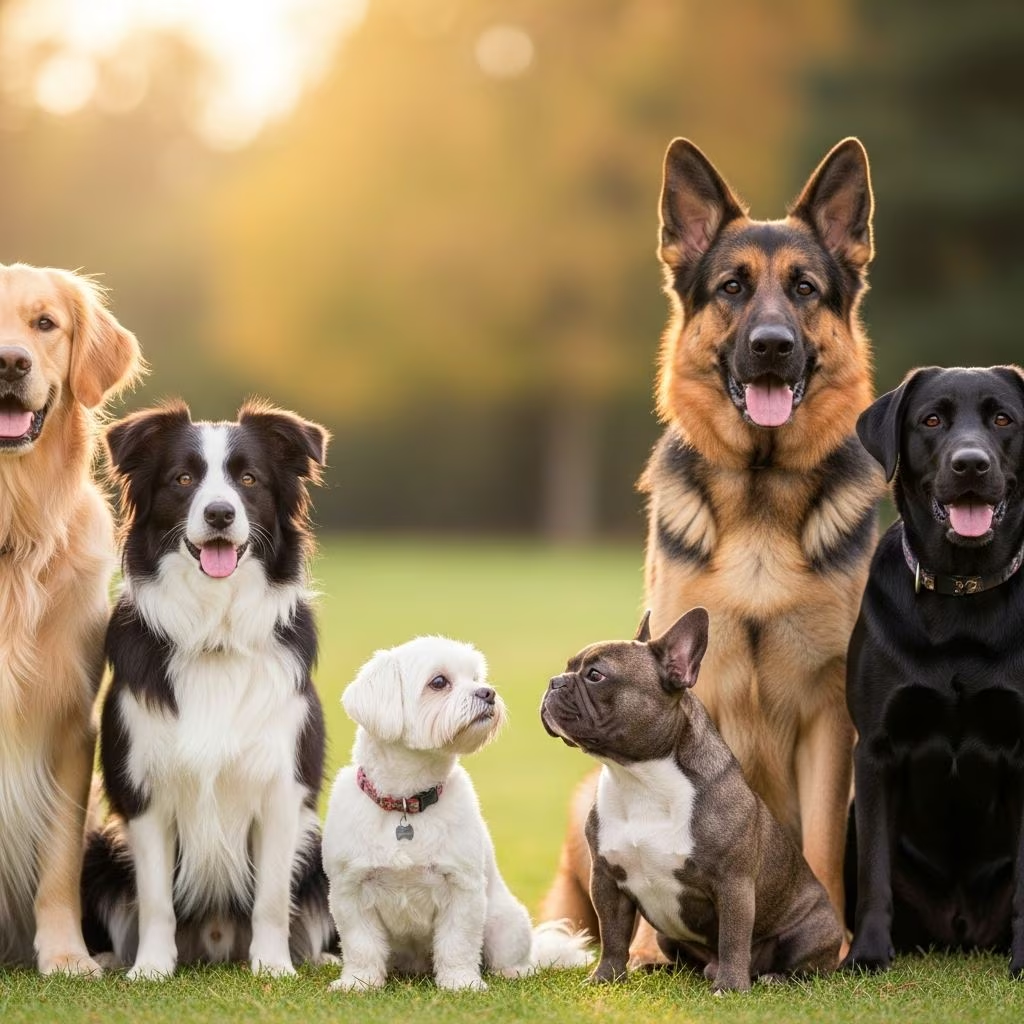
How to Choose a Dog and Find Your Perfect Match
Bringing a dog into your home is one of the most rewarding decisions you can make, but it requires careful consideration and planning. Whether you’re a first-time dog owner or adding another furry family member, choosing the right dog involves more than just falling in love with an adorable face. Understanding your lifestyle, living situation, and expectations will help you find a canine companion that truly fits your family. This comprehensive guide will walk you through the essential steps to ensure you select a dog that will thrive in your home and bring joy to your life for years to come.
Understanding Your Lifestyle and Living Situation
Before you start looking at specific dog breeds or individual dogs, it’s crucial to honestly assess your lifestyle. Dogs require time, energy, and financial commitment, and different breeds have vastly different needs. Take time to evaluate your daily routine, work schedule, and the amount of time you can dedicate to exercise, training, and companionship.
Consider your living environment carefully. Do you have a spacious yard, or do you live in an apartment? How much space is available for a dog to move around? While many people assume larger dogs need more space, some large breeds are content in apartments if they receive adequate exercise. Conversely, highly energetic small breeds might need more activity than their size suggests.
Your climate and geographic location also matter. Some breeds are better suited to warm climates, while others thrive in cooler regions. Dogs with thick coats may struggle in hot, humid areas, while short-haired breeds might require extra protection in cold weather.
Assessing Your Activity Level
One of the most important factors in choosing a dog is matching its energy level to yours. Dogs bred for specific purposes—such as herding, hunting, or retrieving—often have high exercise requirements and need substantial mental stimulation.
High-Energy Dogs: Breeds like Border Collies, Australian Shepherds, and Vizslas require extensive daily exercise, often 60 to 120 minutes or more. These dogs are ideal for active individuals or families who enjoy hiking, running, or outdoor activities.
Moderate-Energy Dogs: Many popular breeds like Golden Retrievers, Labrador Retrievers, and Beagles need regular exercise but are more adaptable than high-energy breeds. They typically require 30 to 60 minutes of activity daily.
Low-Energy Dogs: Breeds such as Bulldogs, Basset Hounds, and Shih Tzus are content with shorter walks and less intense activity. These dogs are excellent for people with more sedentary lifestyles or older adults.
Remember that puppies and young dogs generally require more exercise and attention than adult or senior dogs. As they mature, their activity needs may change, so consider the dog’s age when making your decision.
Researching Dog Breeds
Once you understand your lifestyle, it’s time to research breeds that align with your needs. Each breed has distinct characteristics, temperament traits, and health considerations that have been developed over generations of selective breeding.
Size Considerations: Dog sizes range from tiny Chihuahuas weighing under 5 pounds to giant Great Danes exceeding 100 pounds. Consider not only the space required but also practical matters like transportation, grooming needs, and veterinary care costs, which can vary significantly by size.
Temperament and Personality: Different breeds have different predispositions toward traits like friendliness, independence, protectiveness, and trainability. Some breeds are naturally social and outgoing, while others are more reserved or independent. Research how individual breeds typically interact with children, other pets, and strangers.
Grooming and Maintenance: Coat type greatly influences grooming requirements and costs. Double-coated breeds shed heavily and require regular brushing. Breeds with continuously growing hair like Poodles and Doodles need professional grooming every 6-8 weeks. Short-haired breeds typically need minimal grooming beyond regular brushing and bathing.
Health Considerations: Each breed has predispositions to certain health conditions. Research common health issues for your breed of interest and learn about screening tests available from responsible breeders. Understanding potential health challenges will help you prepare financially and emotionally.
Health and Genetic Testing
Health is a crucial factor when selecting a dog. If you’re considering a purebred dog from a breeder, always ask about health testing and genetic screening. Responsible breeders test their dogs for breed-specific health issues such as hip dysplasia, elbow dysplasia, eye problems, and genetic disorders.
Request documentation of health testing from the breeder’s parents and grandparents. Organizations like the Orthopedic Foundation for Animals (OFA) maintain databases of health test results. If you’re adopting from a shelter or rescue organization, ask about any known health issues and request medical records from their veterinarian.
Consider pet insurance or setting aside funds for potential medical expenses. Veterinary care, medications, and emergency treatment can be costly, and having financial preparation ensures you can provide the best care for your dog throughout its life.
Training and Socialization Needs
Different breeds have varying levels of trainability and socialization requirements. Some dogs are eager to please and learn quickly, while others are more independent or stubborn. Understanding your dog’s training needs is essential for success.
Highly Trainable Breeds: Border Collies, Poodles, and German Shepherds are renowned for their intelligence and eagerness to learn. These breeds often excel in obedience training and advanced activities but require mental stimulation to prevent boredom and destructive behavior.
Moderately Trainable Breeds: Most popular family dogs fall into this category. They respond well to positive reinforcement and consistency but may have independent streaks.
Independent or Stubborn Breeds: Breeds like Afghan Hounds and some sighthounds were bred to work independently and may challenge training. These dogs require experienced owners who understand canine behavior and positive training methods.
All dogs benefit from early socialization—exposure to different people, environments, and experiences during their critical developmental period. If you’re adopting a puppy, plan for puppy kindergarten and socialization classes. Adult dogs may need remedial socialization depending on their background.
Considering Your Family Situation
Your family composition significantly influences which dog is right for you. Families with young children need patient, tolerant breeds with lower prey drives. Senior citizens might prefer calmer, lower-energy companions. If you have other pets, consider a dog with a compatible temperament.
Dogs and Children: While many breeds are good with children, supervision is always essential. Golden Retrievers, Labrador Retrievers, and Beagles are often recommended for families with kids due to their patience and playful nature. However, individual temperament matters more than breed generalizations.
Dogs and Other Pets: Some breeds have higher prey drives than others. Terriers and sighthounds may chase cats or small animals. If you have other pets, look for breeds known for compatibility with multi-pet households, or choose an adult dog that has been tested with other animals.
Senior Owners: Smaller, calmer breeds or mature dogs often suit older owners better. Dogs requiring extensive exercise or independent training may be challenging for people with mobility limitations or health concerns.
Adoption Options
Once you’ve determined what type of dog suits your life, you have several options for finding your new companion. Each path has distinct advantages and considerations.
Shelters and Rescue Organizations: Shelters house dogs of all ages, sizes, and backgrounds. Many staff members can provide valuable insight into each dog’s personality and needs. Adoption fees typically support the shelter’s mission and often include vaccinations, microchipping, and spaying or neutering. Rescue organizations often specialize in specific breeds or dog types, connecting you with dogs that match your preferences.
Responsible Breeders: If you prefer a purebred dog, research breeders thoroughly. Responsible breeders conduct health testing, raise puppies in their homes, provide documentation, and remain available to answer questions throughout your dog’s life. They should be willing to take the dog back if circumstances change.
What to Avoid: Puppy mills and backyard breeders prioritize profit over dog welfare, resulting in health and behavioral problems. Be cautious of very low prices, unwillingness to provide health documentation, or pressure to buy immediately.
The Adoption Process
Whether adopting from a shelter or rescue organization, the process typically involves several steps designed to ensure successful matches. Understanding these steps helps you prepare and sets realistic expectations.
Application Review: Most organizations require an application providing information about your living situation, experience with dogs, lifestyle, and why you want to adopt. This helps organizations identify suitable matches and ensure responsible placement.
Meet and Greet: After approval, you’ll typically meet the dog in person. This is your opportunity to observe the dog’s behavior and compatibility with your family. Take this seriously—how a dog reacts to you and your family members is telling.
Home Evaluation: Some organizations conduct home visits to ensure your environment is appropriate for the dog. This might include checking fencing for dogs with escape artist tendencies or verifying landlord permission if renting.
Trial Period: Some rescues offer a trial period allowing you to ensure the adoption works before finalizing. This provides an opportunity to evaluate compatibility in your home environment.
Finalization: Once approved, you’ll complete adoption paperwork, receive medical records, and pay any adoption fees. The organization should provide guidance on veterinary care, training, and adjustment tips.
Questions to Ask Breeders or Adoption Organizations
Asking the right questions provides crucial information for making an informed decision.
Health Questions: What health testing has been conducted? Are there known genetic conditions in the breed? What is the typical lifespan? What health guarantees or support is provided?
Behavioral Questions: What is the dog’s temperament? How does the dog interact with children and other pets? What training has the dog received? Does the dog have any behavioral concerns?
Support Questions: Will the breeder or organization provide ongoing support? What happens if the adoption doesn’t work out? Are there resources for training or behavioral issues?
Background Questions: For adult dogs: Where did the dog come from? How long has the dog been with the organization? What is known about the dog’s history?
Preparing Your Home
Before bringing your new dog home, prepare your environment to ensure safety and comfort. Puppy-proof or dog-proof your home by removing hazards, securing electrical cords, and storing toxic substances safely. Set up a designated space with a bed, water bowl, and toys. Have essential supplies on hand including food, collar, leash, ID tag, crate, and cleaning supplies.
Establish a routine from day one. Dogs thrive on predictability, so plan consistent schedules for feeding, exercise, and bathroom breaks. Arrange time off work during the first few days to help your new dog adjust and begin bonding.
Making Your Final Decision
Choosing a dog is ultimately a personal decision based on your unique circumstances. Trust your research, listen to your intuition, and don’t rush the process. The right dog is worth the time invested in finding them. Remember that adoption is a long-term commitment—most dogs live 10-15 years or more—so choose thoughtfully and prepare thoroughly.
Frequently Asked Questions (FAQs)
Q: What should I consider when choosing between a puppy and an adult dog?
A: Puppies require significantly more time, training, and supervision but allow you to shape their behavior from the beginning. Adult dogs often have established temperaments and may already be trained, making them suitable for busy owners or first-time dog owners. Consider your lifestyle, experience, and patience level when making this decision.
Q: How can I determine if a specific breed is right for my family?
A: Research breed characteristics, consult with breed clubs and experienced owners, and honestly assess your lifestyle against the breed’s needs. Consider meeting the breed in person, either at dog shows or through breed rescue organizations, to observe their behavior and temperament firsthand.
Q: What questions should I ask adoption organizations?
A: Ask about the dog’s medical history, vaccinations, behavioral assessment, history with other animals and children, training received, any known behavioral issues, and the organization’s support and return policies. Understanding the dog’s background helps ensure compatibility with your home.
Q: How much should I expect to pay in adoption fees?
A: Adoption fees vary widely depending on the organization and dog’s age. Puppies typically cost more ($150-$300) than adult dogs ($85-$150), and fees often include vaccinations, spaying or neutering, microchipping, and medical care. Fees support the organization’s rescue mission and provide a financial commitment ensuring adopters are serious about the placement.
Q: What should I do if the adoption doesn’t work out?
A: Contact the adoption organization or breeder immediately. Responsible organizations want to help and will work with you to address issues or facilitate a return if necessary. Never abandon a dog or rehome without proper vetting of the new family.
Q: How important is the meet and greet before adoption?
A: The meet and greet is crucial for assessing compatibility. Observe how the dog interacts with you and your family members, responds to commands, and behaves in different situations. This interaction provides valuable insight into whether the dog’s personality aligns with your expectations and family dynamics.
References
- Adopt a dog, cat, or rabbit – Animal Friends — Animal Friends. 2025. https://thinkingoutsidethecage.org/adopt/
- Adoptions Training Playbook — Best Friends Animal Society. 2025. https://bestfriends.org/network/resources-tools/adoptions-training-playbook
- Rehoming a Pet: Finding a Good New Home — Best Friends Animal Society. 2025. https://bestfriends.org/pet-care-resources/rehoming-pet-finding-good-new-home
- Adopt a pet from an animal shelter or rescue group – Save Them All — Best Friends Animal Society. 2025. https://bestfriends.org/adopt
- Animal Shelter Dogs: Promoting Them for Adoption — Best Friends Animal Society. 2025. https://bestfriends.org/pet-care-resources/animal-shelter-dogs-promoting-them-adoption



