

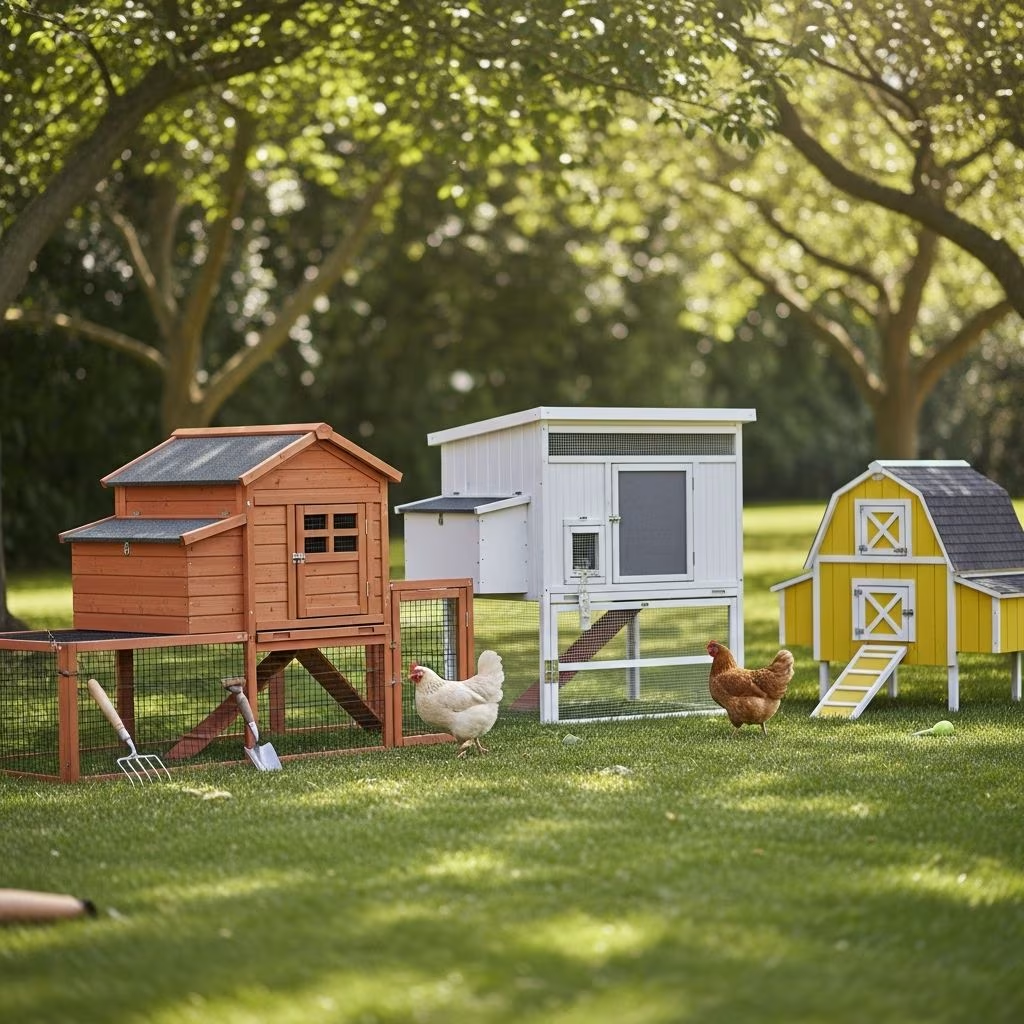
How to Choose Chicken Coops for Backyards
Selecting the right chicken coop is one of the most important decisions you’ll make as a backyard chicken keeper. Your coop serves as your flock’s primary shelter, protection from predators, and a place for them to roost and lay eggs. With so many options available on the market, from prefabricated coops to custom-built structures, understanding what to look for will help you make an informed decision that meets your chickens’ needs and fits your lifestyle.
Understanding Space Requirements
One of the most critical factors in choosing a chicken coop is ensuring it provides adequate space for your flock. The amount of space your chickens need depends on several variables, including the breed, whether they have outdoor access, and your climate conditions.
As a general guideline, you should provide at least 2.5 to 3 square feet of indoor coop space per bird for medium-sized chickens in constant confinement, though many experts recommend providing even more space whenever possible. Additionally, if your chickens have access to an outdoor run, aim for 5 to 10 square feet of outdoor space per bird. Larger breeds and bantam chickens may have different requirements, so it’s important to consider your specific flock.
Underestimating space needs is a common mistake among new chicken keepers. Insufficient space can lead to stress, aggressive behavior, feather picking, and other health issues. When selecting a coop, remember that more space is always better. Consider future expansion as well—if you plan to add more chickens to your flock, choose a coop that can accommodate growth or select a design that allows for modifications.
The coop should also be tall enough that you, as the keeper, can stand upright inside it. This allows you to inspect conditions, perform maintenance comfortably, and experience the environment your chickens live in. Walking inside the coop lets you assess factors like dust levels, ammonia buildup, and drafts.
Evaluating Ventilation and Air Quality
Proper ventilation is essential for maintaining a healthy environment inside the coop. Without adequate airflow, moisture, ammonia fumes, and respiratory irritants can accumulate, leading to respiratory diseases and other health problems in your flock.
Look for coops with vented areas along the ceiling or upper walls that allow heat and moisture to escape. These vents should be strategically designed to prevent drafts while still maintaining air circulation. In hot climates, superior ventilation becomes even more critical for keeping your chickens comfortable and healthy during warm months.
When inspecting a coop, pay attention to the overall design and how air moves through the structure. The presence of multiple ventilation points ensures that stale air is continuously replaced with fresh air. Some high-quality coops feature specialized ventilation systems that optimize airflow while maintaining security.
Assessing Security and Predator Protection
Protecting your flock from predators is one of the most important responsibilities of a coop owner. Predators such as raccoons, foxes, hawks, and snakes can cause devastating losses if your coop isn’t properly secured.
When evaluating a coop’s security features, look for the following:
- Sturdy, durable construction using quality materials that resist tampering and damage
- Secure latches and locks on doors and windows that can withstand persistent predator attempts
- Hardware cloth or fine-gauge wire mesh, particularly for any outdoor run areas
- A solid foundation or floor that prevents predators from burrowing underneath
- Fully enclosed runs or protection when chickens are outside
The quality of construction materials directly impacts your coop’s ability to protect your flock. Coops built with quality USA lumber and durable hardware are more likely to withstand both predator attacks and harsh weather conditions. Metal drip edges, sturdy frames, and reinforced corners all contribute to a secure structure.
Examining Nesting Boxes
Nesting boxes are dedicated spaces where your hens lay their eggs. When selecting a coop, ensure it has adequate nesting boxes for your flock size. A good rule of thumb is to provide one nesting box for every three to four hens.
Quality nesting boxes should feature:
- Easy access for collecting eggs without disturbing the chickens
- Adequate size to comfortably accommodate your chicken breed
- Removable components for easy cleaning and maintenance
- A drop-down door design for quick access and cleaning
- Comfortable bedding materials to encourage laying
Look for coops with built-in, integrated nesting boxes rather than afterthought additions. Convenient nesting box design makes daily egg collection simple and efficient, while also providing your chickens with secure, private spaces for laying.
Considering Roosting Areas
Chickens roost at night for security and comfort. Roosts should be positioned higher than the nesting boxes to prevent chickens from roosting and defecating in the nesting areas.
Adequate roosting space is essential for flock harmony. Provide a minimum of 8 inches of linear roosting space per full-sized chicken, though more generous spacing is recommended to allow lower-ranking birds to avoid more aggressive flockmates. Roosting bars should be smooth to prevent injury to their feet and positioned at appropriate heights for your chickens to access comfortably.
Evaluating Construction Quality and Materials
The durability of your coop directly impacts how long it will serve your flock and how well it protects them. Construction quality should be a top priority when making your selection.
High-quality coops are typically built using:
- Solid, pressure-treated or naturally rot-resistant wood
- Heavy-gauge hardware cloth and wire mesh
- Quality hinges, latches, and metal components
- Waterproof roofing materials like shingles or metal panels
- Metal drip edges to direct water away from the structure
Look for evidence of excellent craftsmanship in the joinery, finish work, and overall construction. Well-built coops feature sloped roofs that allow rainwater and snow to run off easily, keeping the interior dry and preventing moisture accumulation. This design element is particularly important in areas with significant precipitation or snow.
Examining Ease of Maintenance
Your coop requires regular cleaning and maintenance to keep your chickens healthy. Choose a design that makes these tasks manageable and efficient.
Features that facilitate easy maintenance include:
- Large doors providing access to the interior
- Removable nesting boxes and roosts for cleaning
- Smooth, easy-to-clean interior surfaces
- Removable floors or litter boards for deep cleaning
- Drop-down doors on nesting boxes for quick access
- Walk-in designs that allow you to work comfortably inside
Regular maintenance—including removing soiled bedding, replenishing fresh water, and cleaning nesting boxes—is crucial for preventing disease and maintaining a healthy environment. A well-designed coop minimizes the time and effort required for these essential tasks.
Assessing Outdoor Run Quality
Many coops include attached outdoor runs that allow chickens to exercise and forage while remaining protected from predators. When evaluating an outdoor run, ensure it features:
- Secure hardware cloth or wire mesh construction
- Hinged lift-up tops for easy access to feed and water
- Adequate space for your chickens to move around comfortably
- Protection from overhead predators
- Easy attachment and detachment from the coop
Outdoor runs should provide enough space for chickens to express natural behaviors like scratching and pecking. Some designs feature hinged tops that allow easy access for feeding, watering, and maintenance tasks.
Comparing Different Coop Styles
The market offers various chicken coop designs, each with distinct advantages. Understanding these options helps you select the style best suited to your needs.
A-Frame Coops
The A-frame design features a distinctive triangular shape that provides excellent ventilation and ease of cleaning. The angled roof design allows rainwater to run off efficiently, keeping the interior dry. A-frame coops are portable and aesthetically appealing, making them a popular choice for backyard keepers who want both function and style.
Traditional Coops with Attached Runs
These coops combine an enclosed shelter with an integrated outdoor run, allowing chickens safe outdoor access. Traditional designs offer good protection and typically feature multiple doors and access points for convenience. Many quality traditional coops come with screened runs and sturdy construction suitable for long-term use.
Tractor-Style Coops
Tractor-style coops are mobile structures that allow you to move your flock to fresh grass and new foraging areas regularly. These designs work well for small flocks and offer flexibility, though they may provide less space than stationary coops and require more frequent moving.
Quaker-Style Coops
Quaker coops feature a distinctive roofline overhang inspired by century-old barn styles. This design maximizes head space in the interior, providing a more comfortable environment for your chickens while maintaining an attractive appearance that complements traditional farmstead aesthetics.
Lean-To Designs
Lean-to coops are designed to save space by positioning them against existing buildings or walls. These efficient designs work well for chicken keepers with limited space while still providing adequate shelter and protection for the flock.
Considering Your Climate and Location
Your geographic location and climate significantly influence the coop features you should prioritize. Chickens in cold climates need coops with exceptional insulation and ventilation that prevents moisture buildup without creating dangerous drafts. In hot climates, prioritize superior ventilation and designs that provide adequate shade.
Consider seasonal challenges in your area. Chickens often remain indoors during snow, ice, high winds, or extreme heat, so plan their indoor space accordingly. The coop should be tall enough not to become buried in snow in winter climates. Adequate space ensures they remain comfortable and content even during extended periods of confinement.
DIY vs. Pre-Built Coops
You have two primary options: purchasing a pre-built coop or building one yourself. Pre-built coops offer convenience and typically come with design specifications and instructions. However, DIY coops can be customized to your specific needs and may be more cost-effective, though they require building skills and knowledge.
If you choose to build your own coop, research thoroughly and modify plans to fit your needs. Many chicken coop plans are available online, and building your own allows you to select quality materials and customize features specifically for your flock. Regardless of which option you choose, don’t compromise on essential features like space, ventilation, and predator protection.
Making Your Final Decision
Selecting the right chicken coop requires balancing several important factors: adequate space, proper ventilation, security, ease of maintenance, and quality construction. Consider your flock size and composition, your climate, your available space, and your budget.
Visit local farm stores or check online resources to compare different models. Read reviews from other chicken keepers who have experience with specific designs. Remember that investing in a quality coop is an investment in your flock’s health and safety, and a well-constructed coop will serve you reliably for many years.
Frequently Asked Questions
Q: How much space do chickens need in a coop?
A: Generally, provide at least 2.5 to 3 square feet of indoor coop space per bird for standard adult chickens in constant confinement, with additional outdoor space of 5 to 10 square feet per bird if they have access to a run.
Q: What is the most important feature in a chicken coop?
A: Adequate space, proper ventilation, and secure predator protection are all equally important. Insufficient space leads to stress and behavioral problems, poor ventilation causes respiratory issues, and inadequate security results in predator losses. All three must be present in a quality coop.
Q: How many nesting boxes do I need?
A: Provide one nesting box for every three to four hens. Adequate nesting boxes ensure your hens have access to private laying spaces without competition or stress.
Q: Can I build my own chicken coop?
A: Yes, many chicken keepers successfully build their own coops using plans available online. However, ensure you use quality materials, adequate space, proper ventilation, and secure construction to protect your flock effectively.
Q: How do I protect my chickens from predators?
A: Use sturdy construction with quality materials, hardware cloth or fine-gauge wire mesh, secure latches and locks, a solid foundation to prevent burrowing, and fully enclosed runs for outdoor time. Regular inspection of the coop ensures no vulnerabilities develop over time.
Q: What should I look for in construction quality?
A: Look for quality lumber, heavy-gauge hardware, waterproof roofing, metal drip edges, sturdy joinery, and overall excellent craftsmanship. These elements ensure your coop will withstand weather and predators for many years.
Q: How often do I need to clean the coop?
A: Daily spot-cleaning of soiled bedding and thorough monthly or seasonal deep-cleaning are recommended. A well-designed coop with removable components and good access makes these tasks much more manageable.
References
- The Hen House: IFA’s Ultimate Guide to Chicken Coops — IFA International Inc. https://grow.ifa.coop/chickens/ultimate-guide-to-chicken-coops
- Guide to Designing the Perfect Chicken Coop — One Acre Farm. 2015. https://ouroneacrefarm.com/2015/02/15/guide-designing-perfect-chicken-coop/
- Choosing a Chicken Coop Builder: Your Ultimate Guide — Cutest Coops. https://cutestcoops.com/blogs/the-chicken-or-the-egg/chicken-coop-builders-near-me
- Chicken Coops for Backyard Chickens — PetMD. https://www.petmd.com/bird/chicken-coops-backyard-chickens
- Think Outside The Coop: Chicken Coop Ideas & Buying Guide — Penn Dutch Structures. https://www.penndutchstructures.com/blog/chicken-coop-buying-guide/



