

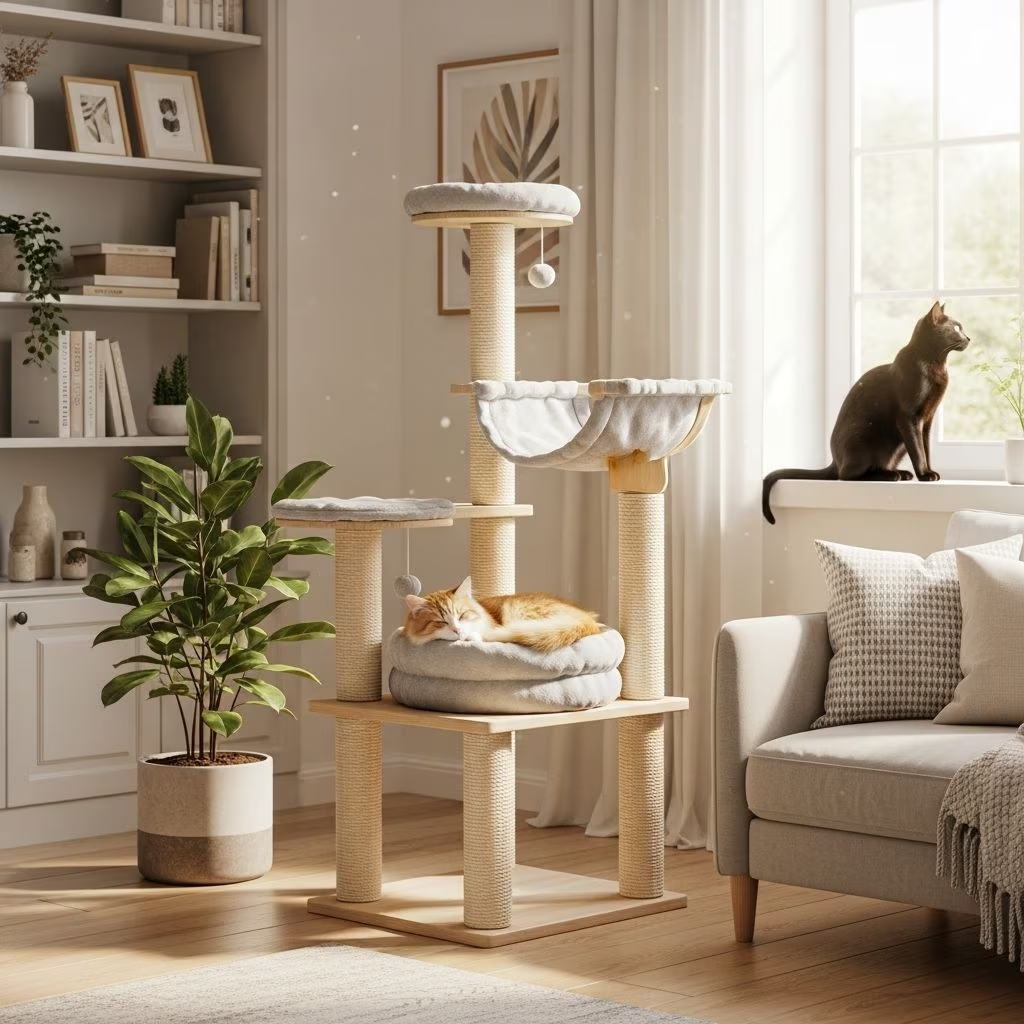
Cat trees, also known as cat towers or condos, are essential pieces of furniture for indoor cats, providing vertical space for climbing, scratching, perching, and playing. These structures mimic natural habitats with elevated platforms, scratching posts, and cozy hideaways, helping prevent destructive behaviors like furniture scratching while promoting physical and mental health. Choosing the right cat tree involves considering your cat’s size, age, preferences, and your home’s layout, while proper placement ensures safety and encourages use.
Why Your Cat Needs a Cat Tree
Cats are natural climbers and hunters, instinctively seeking high vantage points to survey their territory and feel secure. A cat tree satisfies these urges in limited indoor spaces, reducing stress and boredom. It offers scratching surfaces to maintain claws, perches for relaxation, and cubbies for privacy, which can be especially beneficial for multi-cat households or shy felines. According to pet experts, cat trees improve overall well-being by encouraging exercise and preventing obesity, a common issue in indoor cats.
Without adequate vertical space, cats may resort to jumping on counters or curtains, leading to household chaos. Investing in a quality cat tree not only protects your belongings but also enriches your cat’s environment, fostering a stronger bond between pet and owner.
Key Factors to Consider When Choosing a Cat Tree
Selecting the perfect cat tree requires evaluating several factors to match your cat’s needs and your living space. Here’s a breakdown of the most important considerations.
1. Your Cat’s Size and Weight
Cat size is crucial for comfort and safety. Small or petite cats (under 10 pounds) thrive on compact trees with 1-2 perches, typically under 60 inches tall, like the Frisco 28-in Faux Fur Cat Tree. Larger breeds over 10-15 pounds need sturdy models with wide platforms, heavy bases to prevent tipping, and weight capacities up to 50 pounds or more, such as the Feandrea or Hey-Brother trees. Measure your cat’s length and weight to ensure platforms accommodate them fully without crowding.
2. Your Cat’s Age and Mobility
Kittens and young adults love tall, multi-level trees for vigorous play, with heights up to 72 inches or more for climbing enthusiasts. Senior cats with arthritis or reduced agility benefit from shorter trees (under 48 inches) with wide, low-entry platforms, ramps instead of jumps, and soft padding. Observe your cat’s habits: agile climbers need high perches, while loungers prefer hammocks or enclosed caves.
3. Scratching Preferences and Textures
Cats scratch to mark territory, sharpen claws, and stretch. Identify if your cat prefers vertical (posts) or horizontal (bases) scratching and textures like sisal rope, corrugated cardboard, jute, seagrass, or carpet. Test small scratchers first at pet stores. Durable sisal-wrapped posts resist fraying and satisfy instincts better than cheap carpet. Multi-texture trees cater to picky scratchers.
4. Stability and Construction Quality
A wobbly tree is dangerous and unused. Look for solid wood frames (e.g., mango, acacia, oak) over particleboard, with reinforced joints, wide bases, and anti-tip straps for wall anchoring. Premium construction withstands rough play, lasting years. Check weight limits and assembly instructions for ease.
5. Design, Aesthetics, and Home Decor
Cat trees should blend with your style. Modern options feature sleek lines, neutral tones (gray, beige, white), asymmetrical shapes, and natural woods for mid-century, Scandinavian, or bohemian vibes. Rustic wooden trees suit farmhouse decor, while sculptural designs fit contemporary spaces. Avoid clashing themes like cartoonish cacti unless they match your aesthetic.
6. Functionality and Features
Choose based on your cat’s personality: climbers need tall perches and platforms; hiders prefer cubbies and tunnels; multi-cat homes require multiple entry points and levels. Additional features like dangling toys, hammocks, or modular add-ons enhance appeal. For small spaces, wall-mounted shelves pair well with compact trees.
7. Size and Space Requirements
Measure your area first, including ceiling height and window ledges. Small apartments suit 24-48 inch trees for corners; large rooms handle 72+ inch giants for multi-cats. Consider footprint: narrow bases for tight spots, wider for stability.
| Cat Type | Recommended Height | Key Features | Best For |
|---|---|---|---|
| Small/Kitten | 24-48 inches | 1-2 perches, soft textures | Apartments, seniors |
| Medium/Adult | 48-60 inches | Multiple platforms, sisal posts | Single cats, moderate spaces |
| Large/Climber | 60+ inches | Wide bases, high perches | Big cats, multi-cat homes |
Best Materials for Cat Trees
Opt for pet-safe, durable materials. Solid hardwoods like oak or teak provide strength; machine-washable organic fabrics (faux fur, fleece) ensure hygiene. Sisal rope for scratching is claw-friendly and replaceable. Avoid toxic glues, flimsy fabrics, or non-grippy surfaces that cause slips. High-quality trees use reversible cushions and padded perches for comfort.
Where to Place Your Cat Tree
Placement affects usage. Position near windows for bird-watching, in quiet corners away from high-traffic areas to reduce stress, or by sunny spots for lounging. Secure to walls in earthquake-prone areas or with active cats. Avoid drafts, heaters, or direct sunlight to prevent overheating. For multi-story homes, one per floor encourages exploration. Test spots by observing your cat’s favorite haunts.
- Prime Spots: By windows (views), living rooms (family interaction), bedrooms (nighttime security).
- Avoid: Kitchens (hazards), doorways (disturbances), humid bathrooms (mold).
Cat Tree Maintenance and Longevity
Regular vacuuming, spot-cleaning fabrics, and sprinkling catnip refresh appeal. Replace frayed sisal periodically. Disassemble for deep cleans. Quality trees last 5-10 years with care.
Frequently Asked Questions (FAQs)
What size cat tree is best for a single adult cat?
A 48-60 inch tree with 3-4 levels offers ample climbing and perching space without overwhelming small homes.
Do large cats need special cat trees?
Yes, choose models with 20+ pound capacity, wide platforms, and heavy bases like those rated for big breeds.
How do I know if my cat will use a cat tree?
Match features to habits: scratchers need sisal, climbers need height, hiders need cubbies. Introduce with toys and catnip.
Can cat trees be stylish?
Absolutely—modern designs in neutral tones and natural materials blend seamlessly with home decor.
Where should I not place a cat tree?
Avoid kitchens, near appliances, or unstable floors to prevent accidents and ensure stability.
This comprehensive guide ensures you select a cat tree that delights your feline while fitting your lifestyle. With the right choice and placement, it becomes a beloved fixture in your home.
References
- The Ultimate Guide to Choosing a Cat Tree — ERGO PURRCH. 2023. https://ergopurrch.com/blogs/cats/the-ultimate-guide-to-choosing-a-cat-tree
- The Ultimate Guide to Modern Cat Trees for an Aesthetic Home — Catenary Home. 2023. https://catenaryhome.com/blogs/catenary-blogs/the-ultimate-guide-to-modern-cat-trees
- 7 Expert Tips to Help You Find the Right Cat Tree — Consumer Reports. 2023-10-15. https://www.consumerreports.org/home-garden/expert-tips-to-help-you-find-the-right-cat-tree-a8477825976/
- Your Guide to Buying a Quality Cat Tree — Cat Matter. 2023. https://www.catmatter.com/blogs/blog/your-guide-to-buying-a-quality-cat-tree-the-cat-case-the-ultimate-solution
- Yes, Your Kitty Needs a Cat Tree – Here’s How to Choose the Best One — Chewy. 2023. https://www.chewy.com/education/cat/general/yes-your-kitty-needs-a-cat-tree-heres-how-to-choose-the-best-one
- How to Choose the Right Cat Tree Height for Your Home — Armarkat. 2023. https://www.armarkat.com/blog/how-to-choose-the-right-cat-tree-height-for-your-home/



