

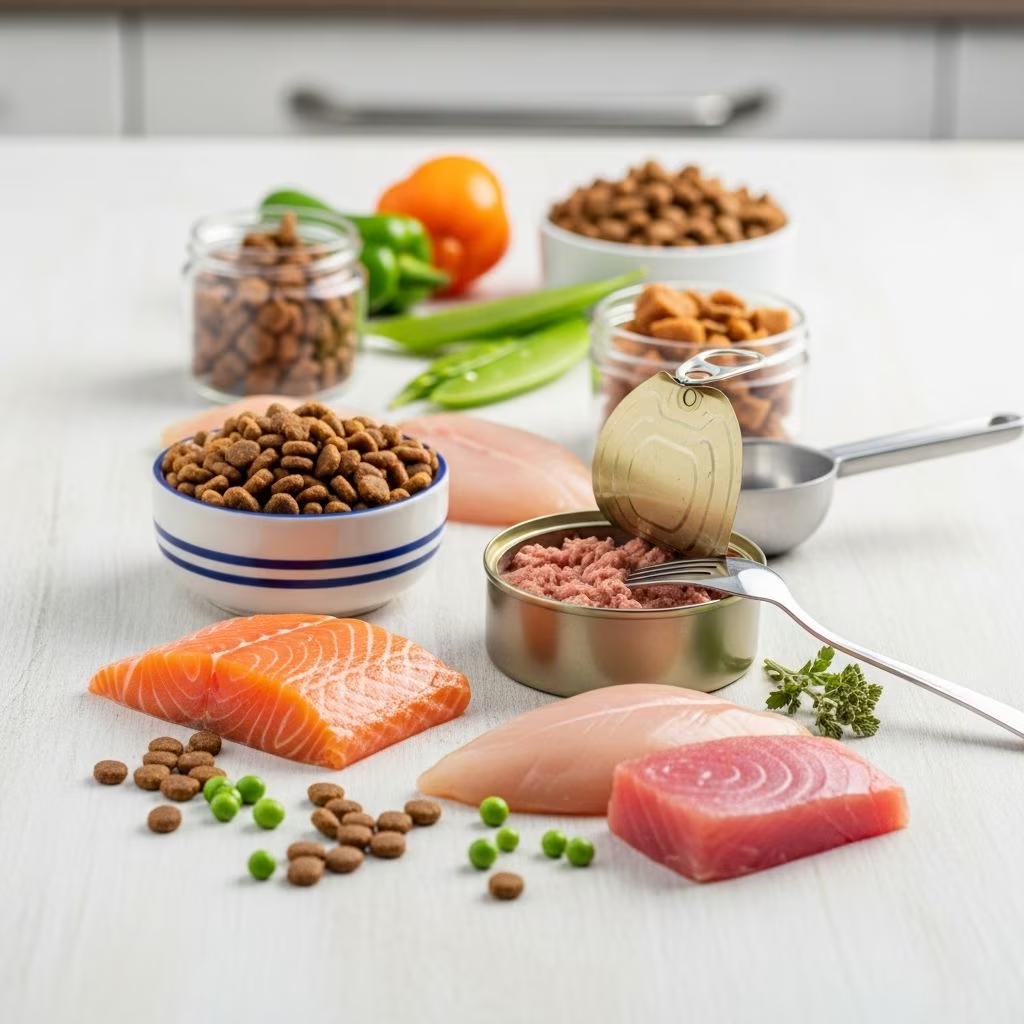
How to Choose Cat Food: A Complete Nutrition Guide
Selecting the right food for your cat is one of the most important decisions you can make as a pet owner. With countless options available on the market, understanding what your feline friend actually needs can feel overwhelming. This comprehensive guide will help you navigate the world of cat nutrition and make informed choices that support your cat’s health and longevity.
Understanding Your Cat’s Nutritional Needs
Cats are obligate carnivores, meaning their bodies are designed to thrive on a diet primarily composed of animal-based proteins and fats. Unlike dogs or humans, cats cannot manufacture certain essential nutrients from plant-based sources, making their dietary requirements quite specific.
Essential Nutrients for Cats
To choose appropriate cat food, you must first understand the key nutrients your cat requires:
- Protein: The most critical macronutrient for cats, protein supports muscle development, growth, and overall bodily functions. The Association of American Feed Control Officials (AAFCO) mandates that adult cat food contain a minimum of 26% crude protein on a dry matter basis, while kitten food requires at least 30%. Look for foods listing named meat sources like chicken, turkey, beef, salmon, or tuna in the top five ingredients.
- Fat: While often misunderstood, fats are essential for cats, serving as the most energy-rich nutrient in their diet. Essential fatty acids, particularly omega-3 and omega-6, support skin and coat health, wound healing, and inflammation management. Adult cats need appropriate fat levels to maintain healthy skin and a lustrous coat.
- Taurine: This amino acid is absolutely critical for cats and cannot be synthesized by their bodies, so it must come from their diet. Taurine supports heart health, vision, and overall neurological function. Ensure any cat food you select is fortified with taurine.
- Vitamins: Cats require vitamins A, D, E, and B-complex vitamins for various bodily functions. Since it’s nearly impossible to provide all necessary vitamins at optimal levels without supplementation, quality cat foods include vitamin fortification in their manufacturing process.
- Minerals: Calcium, phosphorus, magnesium, iron, and other minerals are essential for bone health, metabolic function, and overall wellness. The balance between these minerals is particularly important for long-term feline health.
- Carbohydrates: Unlike dogs or humans, cats have minimal carbohydrate requirements. In the wild, cats consume only approximately 1-2% of their diet from carbohydrates. Many commercial dry foods contain 35-50% carbohydrate calories, which is significantly higher than what cats naturally require.
Decoding Cat Food Labels
Understanding how to read and interpret cat food labels is crucial to making informed purchasing decisions. The label contains valuable information that reveals the true nutritional content and quality of the food.
The Guaranteed Analysis Section
Located on the back of the package, the Guaranteed Analysis section lists the percentages of essential nutrients your cat needs. This includes:
- Crude protein (minimum percentage)
- Crude fat (minimum percentage)
- Crude fiber (maximum percentage)
- Moisture content (maximum percentage)
- Linoleic acid content
- Calcium and phosphorus levels
- Vitamin A content
When reviewing the Guaranteed Analysis, remember that percentages are listed “as fed,” not on a dry matter basis. To accurately compare foods, you may need to convert these figures to dry matter percentages by accounting for moisture content.
Reading the Ingredient List
The ingredient list reveals what’s actually in your cat’s food, with ingredients listed in descending order by weight. This is where you can identify the quality of the food:
- Quality protein sources: Look for named meat sources (chicken, beef, fish, turkey, lamb) listed as the first ingredient or within the top five ingredients. Named sources indicate higher quality than generic terms.
- Avoid vague terms: Ingredients labeled as “meat by-products” or “animal derivatives” are less desirable than named meat sources. These terms often indicate lower-quality protein with unknown origins.
- Minimize fillers: Be cautious of foods where fillers like ground yellow corn, corn gluten meal, wheat, or soy appear before the primary protein source. Since cats derive the majority of their nutritional needs from animal-based proteins, excessive plant-based fillers indicate lower quality food.
- Check for by-products: While not inherently harmful, by-products like “poultry by-product meal” are less desirable than whole meat sources, as they include parts beyond muscle tissue.
Selecting Food for Your Cat’s Life Stage
Cats have varying nutritional needs throughout their lives. Selecting age-appropriate food ensures your cat receives optimal nutrition for their current life stage.
Kitten Food (Under One Year)
Kittens require different nutrition than adult cats due to their rapid growth and development. Kitten formulas contain higher protein and fat content to support their elevated energy needs and muscle development. If you have a young kitten, ensure the food label specifies it’s formulated for growth and reproduction. These foods typically contain the higher 30% protein minimum rather than the 26% minimum for adult maintenance.
Adult Cat Food (1-7 Years)
Adult cat foods are formulated for maintenance rather than growth and should meet the 26% minimum crude protein requirement. Most healthy adult cats thrive on a consistent, high-quality adult formula. The key is finding a food that aligns with your cat’s individual health status and preferences.
Senior Cat Food (7+ Years)
As cats age, their nutritional needs may shift. Senior formulas often contain lower calories to accommodate reduced activity levels and may include joint-supporting supplements. However, protein requirements remain important, as senior cats need adequate protein to maintain muscle mass.
Understanding Different Cat Food Types
Cat food comes in several formats, each with distinct advantages and considerations:
Dry Cat Food (Kibble)
Dry food is convenient, cost-effective, and shelf-stable. When selecting dry food, prioritize options with:
- High-quality protein sources listed first
- Moderate carbohydrate content (lower is better for cats)
- Appropriate mineral balance for urinary health
- Essential vitamins and minerals, including taurine
Wet Cat Food
Wet food offers higher moisture content, which aids in hydration—particularly beneficial for cats that don’t drink enough water. When choosing wet food:
- Select varieties with named meat sources
- Minimize fillers and by-products
- Check the protein content percentage
- Ensure taurine fortification
Raw Cat Food
Some cat owners choose raw diets, which aim to replicate what cats would eat in the wild. If considering raw food, consult your veterinarian to ensure the diet is nutritionally complete and balanced, as improperly formulated raw diets can lead to nutritional deficiencies.
Key Factors to Consider When Choosing Cat Food
| Factor | What to Look For | Why It Matters |
|---|---|---|
| Protein Quality | Named animal protein sources in top 5 ingredients | Supports muscle development and overall health in obligate carnivores |
| Fat Content | Appropriate levels with omega-3 and omega-6 | Provides energy and supports skin and coat health |
| Taurine Content | Explicitly listed as fortified | Essential for heart and eye health; cats cannot produce it |
| Carbohydrate Level | Lower carbohydrate content | Aligns with cats’ natural diet and prevents obesity |
| Mineral Balance | Appropriate calcium and phosphorus ratios | Supports bone health and urinary tract health |
| Ingredient Transparency | Named sources rather than generic terms | Indicates higher quality and more traceable ingredients |
Reading Nutritional Claims on Labels
The nutritional claim on a cat food label should explicitly state the stage of your cat’s life cycle for which the food is complete and balanced. Common claims include:
- “Complete and balanced nutrition for adult cat maintenance”
- “Formulated for growth and reproduction” (kitten food)
- “Complete and balanced for all life stages”
Look for verification that the food meets AAFCO standards, which ensure the food contains appropriate nutrient levels and is formulated according to established guidelines.
Special Considerations and Health Conditions
Some cats have special dietary needs based on health conditions or sensitivities. If your cat has kidney disease, diabetes, urinary tract issues, or food allergies, work with your veterinarian to select an appropriate therapeutic diet. Your vet may recommend prescription foods formulated specifically for your cat’s health condition.
Additionally, some cats may benefit from prescription diets designed to manage weight, support digestive health, or address other specific concerns. Never switch to a therapeutic diet without veterinary guidance, as these foods are formulated for specific medical purposes.
Transitioning to a New Food
When changing your cat’s food, transition gradually over 7-10 days to allow their digestive system to adjust. Start by mixing 25% of the new food with 75% of the old food, gradually increasing the proportion of new food while decreasing the old. Abrupt food changes can cause digestive upset and vomiting.
Common Mistakes to Avoid
When selecting cat food, avoid these common pitfalls:
- Choosing based on price alone: Lower-priced foods often contain more fillers and lower-quality proteins, requiring larger portions to meet nutritional needs.
- Ignoring ingredient lists: Marketing claims don’t always reflect nutritional quality. Always read the actual ingredient list and guaranteed analysis.
- Feeding inappropriate life stages: Feeding kitten food to adult cats or adult food to kittens can lead to nutritional imbalances.
- Neglecting water intake: Cats fed primarily dry food should have access to fresh water, as dry kibble alone may not provide adequate hydration.
- Overlooking individual preferences: Some cats prefer wet food, others kibble. While nutrition matters most, a food your cat will consistently eat is important.
Consulting Your Veterinarian
Your veterinarian is your best resource for cat nutrition guidance. They understand your cat’s individual health status, age, activity level, and any special dietary needs. Regular veterinary check-ups provide opportunities to discuss nutrition and make adjustments based on your cat’s changing health profile. If your cat has had digestive issues, weight problems, or other health concerns, dietary adjustments may be part of the treatment plan.
Frequently Asked Questions
Q: How much should I feed my cat daily?
A: Feeding amounts depend on your cat’s age, weight, activity level, and the specific food’s caloric content. Check the feeding guidelines on your food’s package and adjust portions based on your cat’s body condition. Your veterinarian can provide personalized feeding recommendations.
Q: Can cats be vegetarian?
A: No. Cats are obligate carnivores and require nutrients found only in animal products, particularly taurine. A vegetarian diet would be nutritionally inadequate for cats and could cause serious health problems.
Q: Is wet or dry food better for cats?
A: Both can be nutritious if they meet AAFCO standards and contain quality ingredients. Wet food provides better hydration, while dry food is more convenient and cost-effective. Many cats do well on a combination of both.
Q: How do I know if my cat’s food is causing digestive issues?
A: Signs include vomiting, diarrhea, constipation, or excessive gas. If your cat experiences these issues after a food change, transition more slowly or try a different food. Consult your veterinarian if problems persist.
Q: Should I feed my cat only commercial food?
A: Yes. Commercially formulated, nutritionally balanced foods are recommended over homemade diets, which are often deficient in key essential vitamins and minerals. If you wish to prepare homemade food, consult your veterinarian to ensure nutritional completeness.
Q: How often should I switch cat food brands?
A: If your cat is thriving on their current food, there’s no need to frequently switch brands. However, you may occasionally vary the flavor within the same nutritional line. Always transition slowly when changing foods.
References
- Cat Food Labels: Nutrition Facts and Key Ingredients — Willow Glen Pet Hospital. Accessed January 14, 2026. https://willowglenpethospital.com/cat-food-labels/
- A Comprehensive Guide to Choosing the Right Cat Food — Doobert. Accessed January 14, 2026. https://doobert.com/decoding-cat-nutrition-a-comprehensive-guide-to-choosing-the-right-cat-food/
- Cat Nutrition: Guide to Cat Food Nutrients — PetMD. Dr. Jennifer Coates. Accessed January 14, 2026. https://www.petmd.com/cat/nutrition/cat-nutrition-what-makes-nutritional-cat-food
- Feeding Your Cat — Cornell University College of Veterinary Medicine, Cornell Feline Health Center. Accessed January 14, 2026. https://www.vet.cornell.edu/departments-centers-and-institutes/cornell-feline-health-center/health-information/feline-health-topics/feeding-your-cat
- Proper Nutrition for Cats — Merck Veterinary Manual. Accessed January 14, 2026. https://www.merckvetmanual.com/cat-owners/selecting-and-providing-a-home-for-a-cat/proper-nutrition-for-cats
- Feeding Your Cat: Know the Basics of Feline Nutrition — CatInfo.org. Accessed January 14, 2026. https://catinfo.org
- Nutrition – General Feeding Guidelines for Cats — VCA Animal Hospitals. Accessed January 14, 2026. https://vcahospitals.com/know-your-pet/nutrition-feeding-guidelines-for-cats



