

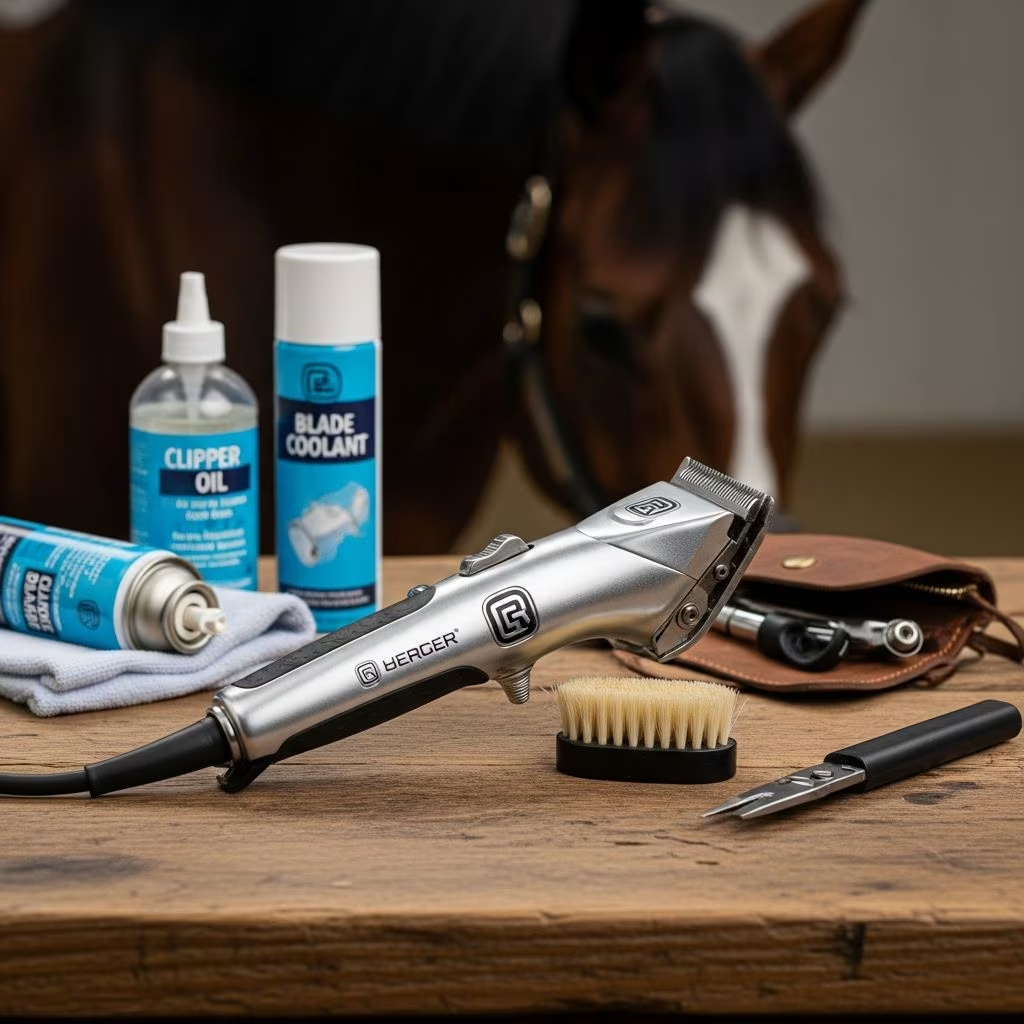
How to Choose and Care for Horse Clippers
Proper grooming is essential to maintaining your horse’s health and appearance. One of the most important tools in any horse owner’s grooming kit is a quality pair of clippers. Whether you’re a professional groomer, a dedicated rider, or a casual horse enthusiast, selecting the right clippers and maintaining them properly can make a significant difference in your grooming experience and results. This comprehensive guide will walk you through everything you need to know about horse clippers, from understanding different types to making an informed purchase decision and keeping your investment in top working condition.
Understanding Different Types of Horse Clippers
Before you can choose the best clippers for your needs, it’s important to understand the various types available on the market. Each type serves a specific purpose and is designed with particular features that make it ideal for certain grooming tasks. The three main categories of horse clippers are heavy-duty body clippers, medium-duty clippers, and cordless or trimmer options.
Heavy-Duty Body Clippers
Heavy-duty body clippers are the most powerful and robust clipping tools available. These clippers feature large, wide blades and powerful motors capable of cutting through thick, dense coats efficiently. They are specifically designed for full-body clipping and work best on horses with heavy winter coats or those that need significant grooming work. Heavy-duty clippers typically come with a power cord, which ensures consistent power throughout your grooming session without worrying about battery depletion.
These professional-grade clippers are characterized by their substantial size and weight, which can cause arm fatigue during extended use. However, their superior cutting power and speed make them invaluable for anyone who regularly clips multiple horses or works with horses that have particularly challenging coats. Models like the Lister Star Clippers are popular among professional braiders and grooms who perform frequent body clipping work.
Medium-Duty Clippers
Medium-duty clippers strike an important balance between power and versatility. These clippers are smaller than heavy-duty models but still contain a powerful motor and sharp detachable blades. They are particularly useful for clipping faces, noses, ears, and hooves, as well as bridle paths. The reduced size makes them easier to handle and reduces arm fatigue during extended grooming sessions.
One of the key advantages of medium-duty clippers is their versatility. The right pair with wide blades can also perform body clipping on very clean horses, making them an excellent choice for horse owners who want a single tool that can handle multiple grooming tasks. These clippers are ideal for those seeking less arm fatigue while maintaining adequate cutting power for most grooming needs. The Andis UltraEdge AGC Super 2-Speed is an excellent example of a reliable medium-duty clipper that professional groomers and horse owners trust.
Cordless Clippers and Trimmers
Cordless clippers have revolutionized horse grooming by offering freedom of movement and convenience without the limitations of a power cord. These battery-powered tools are ideal for detail work, show preparation, and general touch-ups. Trimmers are the smallest option in the clipper family and are designed specifically for fine detailing work in sensitive areas such as the face, ears, muzzle, and fetlocks.
Cordless clippers typically feature rechargeable lithium-ion batteries that provide several hours of runtime on a single charge. They are quieter than their corded counterparts, making them excellent for horses sensitive to noise. While cordless options may not have quite the power of heavy-duty corded clippers, they offer exceptional convenience and are perfect for maintaining your horse’s appearance between full clipping sessions. Many models now feature adjustable blade settings that allow for multiple cutting lengths without changing blades.
Key Factors to Consider When Choosing Horse Clippers
Selecting the right clippers requires careful consideration of several important factors. Understanding your specific needs and evaluating clippers based on these criteria will help you make an informed decision that results in a worthwhile investment.
Power and Motor Performance
The motor’s power and performance are critical considerations when selecting horse clippers. Clippers with more powerful motors cut faster and more efficiently, particularly through thick, dense coats. Motor power is often measured in watts or strokes per minute (SPM). Higher wattage generally indicates greater cutting power, though comparing wattage is only meaningful when other specifications remain equal across models.
Consider your horse’s coat type and thickness when evaluating motor power. Horses with thin, fine coats require less motor power than those with thick winter coats or dense hair. Professional groomers and those with multiple horses typically benefit from more powerful motors that can handle heavy workloads without overheating or slowing down.
Blade Quality and Type
The quality of the blades is fundamental to clipper performance. Sharp, well-made blades cut efficiently through hair without pulling or tugging, which can cause discomfort to your horse and create an uneven appearance. Most quality horse clippers feature detachable blades, allowing you to replace worn blades or switch between different blade sizes for various grooming tasks.
Consider whether you prefer a clipper with a single fixed blade or one with adjustable blade options. Some modern clippers feature 5-in-1 adjustable blades that allow you to achieve different cutting lengths without purchasing multiple blade sets. This versatility can save money and storage space while giving you greater flexibility in your grooming work.
Corded Versus Cordless Options
The choice between corded and cordless clippers depends on your grooming frequency, the number of horses you work with, and your personal preferences. Corded clippers offer unlimited runtime, making them ideal for full-body clipping sessions. They provide consistent power throughout your grooming work and don’t require battery charging.
Cordless clippers offer greater mobility and convenience, eliminating the risk of tangling cords or limiting your movement. Most modern cordless models provide 1-2 hours of runtime, which is sufficient for detailed work and light touch-ups. However, if you’re planning extensive full-body clipping sessions, corded clippers remain the more practical choice for uninterrupted work.
Noise Level and Vibration
Noise level significantly impacts your horse’s comfort and tolerance during grooming. Horses can be sensitive to loud machinery, and excessive noise may cause anxiety or resistance. Small cordless clippers and trimmers are typically quieter than large body clippers, making them better for sensitive horses or detailed work on the face and ears.
Vibration is another important consideration, as excessive vibration can cause hand fatigue and discomfort during extended grooming sessions. Premium clipper models are engineered to minimize vibration, providing a more comfortable experience for the operator. Andis brand clippers are particularly known for their low vibration, which many groomers and horse owners appreciate.
Weight and Ergonomic Design
The weight and ergonomic design of your clippers significantly affect user comfort, especially during longer grooming sessions. Lighter clippers reduce arm fatigue and allow for more precise control, particularly when working on detailed areas. Look for clippers with comfortable, ergonomic handles that fit well in your hand and reduce strain during use.
Professional-grade clippers often incorporate design features that enhance comfort and reduce fatigue, such as textured grips and balanced weight distribution. These features become increasingly important if you regularly groom multiple horses or work as a professional groomer.
Selecting Clippers Based on Your Specific Needs
Your choice of clippers should align with your specific grooming requirements and horse care situation. Consider the following scenarios to help guide your selection.
For Full-Body Clipping
If you plan to perform complete body clipping, invest in heavy-duty body clippers with powerful motors and wide blades. These tools are specifically engineered for extensive grooming work and will complete the job more quickly and efficiently than smaller alternatives. The Andis AGC2 UltraEdge Super 2-Speed Clipper and Lister Star Clippers are excellent choices for full-body work on all coat types.
For Detailed and Sensitive Area Work
For grooming sensitive areas such as the face, ears, muzzle, and fetlocks, choose smaller, quieter clippers or trimmers. Cordless options like the Andis Pulse Li 5 are ideal for sensitive area clipping, providing precise cutting capabilities without the noise and vibration that can disturb anxious horses. These lightweight tools offer excellent control and maneuverability in tight spaces.
For Show Preparation
Show day touch-ups require precision and portability. Small cordless trimmers like the Wahl Super Pocket Pro are perfect for last-minute grooming at the venue. Their compact size, quiet operation, and quick battery charge make them invaluable for show day preparations.
For Multiple Horses
If you care for multiple horses, invest in quality corded clippers with sufficient power to handle various coat types and thicknesses. Professional-grade models with detachable blades and variable speed settings provide the versatility needed for efficient multi-horse grooming. High-quality clippers will prove cost-effective over time due to their durability and reliability.
Caring for Your Horse Clippers
Proper maintenance extends the life of your clippers and ensures optimal performance. Regular care prevents blade dulling, motor wear, and mechanical issues that can compromise cutting quality.
Cleaning Your Clippers
After each use, remove accumulated hair and debris from your clippers. Most models feature removable blades that make thorough cleaning straightforward. Use a soft brush to gently remove hair from the blade teeth and motor housing. Pay special attention to ventilation areas, as clogged vents can cause overheating.
For corded clippers, inspect the power cord regularly for damage or wear. Never immerse corded clippers in water, as moisture can damage electrical components. For cordless models, wipe the exterior with a damp cloth and ensure charging contacts remain clean and dry.
Blade Maintenance and Sharpening
Keep clipper blades sharp for efficient, comfortable cutting. Dull blades pull hair instead of cleanly cutting it, causing discomfort to your horse and creating an uneven appearance. Many professional grooming suppliers offer blade sharpening services, or you can invest in professional-grade blade sharpeners.
Replace blades periodically based on usage frequency. Blades used on dirty or thick coats require more frequent replacement than those used on clean, fine coats. Quality clipper manufacturers design their models with easy blade replacement in mind, typically requiring only a simple snap-on or pin mechanism.
Oiling and Lubrication
Regular oiling keeps clipper motors running smoothly and prevents friction-related wear. Most manufacturers provide specific blade oils designed for their clipper models. Apply a few drops of clipper oil to blade teeth before each use, following manufacturer recommendations. Never over-oil, as excess oil can attract dirt and debris.
Motor bearings also benefit from occasional light oiling, though modern sealed motors require minimal maintenance. Consult your specific clipper’s manual for detailed lubrication instructions and recommended products.
Storage and Environmental Considerations
Store your clippers in a clean, dry location away from moisture and extreme temperatures. Moisture can cause corrosion and electrical damage, particularly in corded models. Keep clippers in their original case or a dedicated grooming tool bag to protect them from dust and damage.
For cordless clippers, remove the battery if storing for extended periods. Store batteries in a cool, dry location and charge them every few months to maintain battery health. Proper storage practices significantly extend the lifespan of your clippers and maintain their cutting performance.
Regular Professional Servicing
Consider having your clippers professionally serviced annually, especially if you use them frequently. Professional servicing includes deep cleaning, blade sharpening or replacement, motor inspection, and necessary repairs. This investment protects your equipment and prevents costly repairs from accumulated wear and damage.
Recommended Clipper Brands and Models
Several brands have established excellent reputations in the equine grooming industry. Andis, Oster, and Laube clippers are consistently recommended by professional groomers and experienced horse owners. Andis clippers are particularly praised for their longevity, low vibration, and ease of maintenance. Oster clippers offer reliable performance and excellent value, while Laube clippers are known for their precision and durability.
The Wahl MaxCoat Horse Clipper is a great option for those seeking a dependable, versatile clipper suitable for various grooming tasks. When selecting a brand, prioritize companies with strong customer support, readily available replacement parts, and professional-grade manufacturing standards.
Frequently Asked Questions About Horse Clippers
Q: What are the best horse clippers?
A: The best horse clippers depend on your specific needs, but Andis brand clippers consistently receive high recommendations for their longevity, reduced vibration, and ease of maintenance. Andis clippers offer variable blade speeds, allowing faster speeds that minimize hair pulling during clipping. Oster and Laube are also excellent brands known for reliability and performance.
Q: Can I use dog clippers on my horse?
A: While some clippers are designed for both dogs and horses, dedicated horse clippers are specifically engineered for the size and coat characteristics of equine hair. Horse-specific clippers typically feature wider blades and more powerful motors suited to the demands of grooming large animals with thick coats.
Q: How often should I sharpen or replace my clipper blades?
A: Blade maintenance frequency depends on usage patterns and coat conditions. If you groom regularly or work with particularly thick or dirty coats, have blades professionally sharpened or replaced every 3-6 months. For casual grooming, annual maintenance is typically sufficient.
Q: Are cordless clippers powerful enough for full-body clipping?
A: While cordless clippers have become increasingly powerful, corded models remain the better choice for extensive full-body clipping due to unlimited runtime and consistent power. Cordless clippers are better suited for detail work, touch-ups, and grooming horses with clean, lighter coats.
Q: How do I know if my horse’s clippers are overheating?
A: Signs of overheating include reduced cutting speed, the motor sounding strained, or visible heat emanating from the clipper head. If you notice these signs, stop using the clippers immediately and allow them to cool. Ensure ventilation holes remain clear of debris and consider using models with ventilated heads that prevent overheating during extended use.
Q: What is the difference between shears and body clippers?
A: Shears and body clippers serve different purposes in equine grooming. Body clippers are larger, powerful tools designed for extensive full-body clipping with wide, robust blades. Shears have smaller, more delicate blades designed for precision work and finishing touches in detailed areas.
Q: Can I wash my horse clippers?
A: Never immerse corded clippers in water, as moisture can damage electrical components. Cordless models with sealed batteries can typically handle light washing, but always check your manufacturer’s guidelines first. Typically, wiping with a damp cloth and using a soft brush for cleaning is the safest approach for all clipper types.
References
- A Guide to Choosing the Best Horse Clippers — Schneiders. 2025. https://www.sstack.com/blog/product-guides/choosing-the-best-horse-clippers/
- Best Horse Clippers For Amazing Results — Braid Secrets. 2020. https://braidsecrets.com/best-horse-clippers-for-amazing-results/
- Types of Horse Clippers – Shears, Body Clippers, and Trimmers — YouTube. https://www.youtube.com/watch?v=HnJH8qyBP5M
- What To Look For When Purchasing New Horse Clippers in 2025 — Master Clip. 2025. https://masterclip.co.uk/blogs/news/what-to-look-for-when-purchasing-new-horse-clippers-in-2025/
- Horse Clipper Buying Basics — Equus Magazine. https://equusmagazine.com/horse-care/horse-clipper-buying-basics-10680
- The Ultimate Guide to Selecting Horse Clippers for Thick Coats — Just Horse Riders. https://www.justhorseriders.co.uk/blogs/news/the-ultimate-guide-to-selecting-horse-clippers-for-thick-coats
- Choosing Horse Clippers — GS Equestrian. https://gsequestrian.co.uk/blogs/liveryman/choosing-your-clippers



