

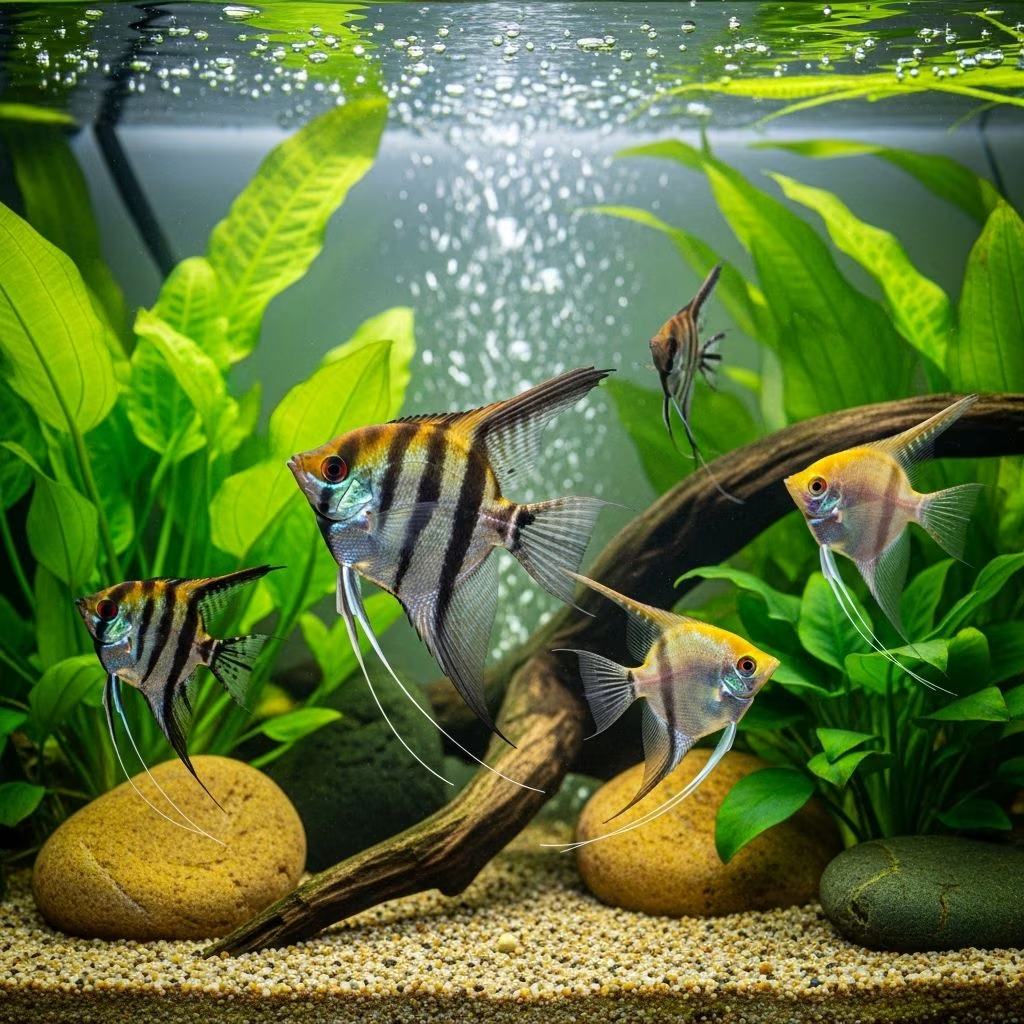
How to Choose and Care for Freshwater Angelfish
Freshwater angelfish are among the most popular aquarium fish, prized for their striking appearance, graceful movements, and relatively manageable care requirements. These elegant South American cichlids bring beauty and personality to any aquarium setup. Whether you’re a beginner or an experienced aquarist, understanding how to properly select and care for angelfish will ensure they thrive in your tank and provide years of enjoyment. This comprehensive guide covers everything you need to know about choosing the right angelfish and maintaining optimal conditions for their health and well-being.
Understanding Angelfish Species and Types
Before selecting angelfish for your aquarium, it’s important to understand the different varieties available. The most common freshwater angelfish belong to the genus Pterophyllum, with several recognized species and numerous color variations. Wild-caught angelfish tend to be more sensitive to water conditions, while captive-bred specimens are generally more adaptable and hardy, making them ideal for most aquarists.
When choosing angelfish, look for fish with vibrant coloration, clear eyes, and active swimming behavior. Avoid fish that appear lethargic, have torn fins, or display signs of disease such as white spots or visible lesions. Healthy angelfish should interact with their environment and show curiosity about their surroundings. Consider the adult size of your chosen variety, as some species grow larger than others and require more space.
Tank Size and Setup Requirements
Angelfish require adequate space to flourish. A minimum tank size of 20 gallons is recommended, though larger tanks are always preferable. For each additional angelfish beyond the first pair, add at least 10 gallons of water. This ensures sufficient territory to reduce aggression and maintain stable water conditions. Tall tanks are particularly suitable for angelfish, as they prefer vertical swimming space and their body shape is naturally suited to deeper water environments.
Substrate and Decorations
The substrate you choose significantly impacts your angelfish’s comfort and health. Use soft, fine-grained substrate such as sand or mud rather than coarse gravel, which can scrape and injure their delicate bodies. Angelfish naturally enjoy digging and foraging in substrate, so soft materials allow them to exhibit these natural behaviors. Incorporate live aquatic plants throughout the tank, as they provide hiding spots, improve water quality, and create a more naturalistic environment. Vertical decorations like driftwood and broad-leafed plants are particularly valuable for angelfish, offering resting places and potential spawning sites.
Lighting and Water Flow
Install an aquarium light that mimics natural sunlight, such as an LED lighting system, and maintain a photoperiod of 8 to 12 hours daily. This supports both the angelfish’s circadian rhythms and any live plants in your tank. Angelfish are adapted to slow-flowing, gentle currents typical of their native South American habitats. Use low-flow aerators or baffled filter returns to create calm water movement while still ensuring adequate circulation and oxygenation. Excessive water flow stresses angelfish and can damage their long, flowing fins.
Water Parameters and Maintenance
Maintaining proper water conditions is fundamental to angelfish health and longevity. These fish typically live 10 to 12 years in well-maintained aquariums, but only when water parameters remain stable and within appropriate ranges.
Temperature and pH
Angelfish are tropical fish requiring warm water. Maintain a temperature between 75 and 84°F (24 to 29°C), with an optimal range of 78 to 82°F (26 to 28°C). Use an aquarium heater to maintain consistent temperatures, as fluctuations cause stress and illness. pH should remain between 6.0 and 7.0 for optimal health, with slightly acidic to neutral conditions being ideal. Water hardness should fall between 3 and 8°dKH (54 to 145 ppm) or 4 to 12°N dGH. Stability is more important than hitting exact numbers—gradual, minor adjustments are preferable to sudden changes.
Water Testing and Changes
Test your aquarium water weekly using a quality aquarium water test kit to monitor pH, ammonia, nitrite, nitrate, and hardness levels. Perform water changes of 10 percent weekly or 25 percent every other week to maintain water quality and remove accumulated waste. Always treat tap water with a water conditioner to remove chlorine and chloramines before adding it to your tank. Use an aquarium vacuum during water changes to remove debris and waste from the substrate, which helps maintain stable water conditions and reduces harmful ammonia and nitrite buildup.
Filtration and Aeration
Proper filtration is essential for maintaining healthy water conditions. Use appropriately sized hang-on-back or canister filters to provide adequate biological and mechanical filtration without creating excessive water flow. Replace filter media according to the manufacturer’s recommendations, and be cautious not to over-clean media, which can remove beneficial bacteria. Gentle aeration supports gas exchange and nutrient circulation while maintaining the calm water conditions angelfish prefer. Consider baffling your filter return or using a spray bar to diffuse water flow and create gentler circulation.
Feeding Your Angelfish
Angelfish are omnivorous and require a varied, nutritious diet to maintain vibrant coloration and optimal health. These fish are opportunistic feeders that eat at the surface and mid-water, as well as forage along the bottom searching for worms and small crustaceans.
Food Types and Portions
Provide high-quality, meat-based foods specially formulated for cichlids, such as premium flakes or pellets. Supplement their diet with live or frozen foods including bloodworms, brine shrimp, tubifex worms, white worms, and small insects. Include some plant matter such as algae wafers and fresh vegetables cut into small, manageable pieces—blanched spinach and zucchini are excellent choices. Feed your angelfish once or twice daily, providing only as much food as they can consume in two to three minutes. Remove any uneaten food to keep the tank clean and prevent water quality deterioration.
Conditioning for Breeding
To prepare angelfish for breeding, condition them by feeding a high-protein diet of live foods such as tubifex worms or bloodworms four times daily for several weeks. This nutritional conditioning stimulates reproductive readiness and improves the quality and quantity of eggs. Once conditioning is complete, reduce feeding frequency back to normal levels before moving the pair to a breeding tank.
Selecting Compatible Tank Mates
While angelfish can be kept alone, they may also be housed with compatible community fish. Choose peaceful species of similar size and temperament. Avoid fin-nipping fish, very small fish that might be viewed as prey, or aggressive species that compete aggressively for food or territory. Suitable tank mates include tetras of appropriate size, peaceful catfish, and other calm community fish. Keep in mind that angelfish are territorial, especially during breeding, so provide ample space and hiding spots to reduce aggression.
Breeding Angelfish
Breeding angelfish is a rewarding experience that typically becomes straightforward once you’ve established the proper conditions and a compatible pair. Angelfish form monogamous pairs and actively care for their eggs and fry.
Triggering Spawning
To encourage breeding, first ensure you have a compatible pair. Provide high-quality live or frozen food rich in protein. Gradually increase water temperature to 28 to 29°C (82 to 84°F). Include plants with large leaves or provide vertical spawning surfaces such as slate plates, PVC pipes, or broad leaves. Reduce water flow to create calm conditions, and isolate the breeding pair from other fish to minimize stress. Watch for courtship behaviors, including side-by-side swimming and fin displays.
Egg Laying and Fertilization
When the female is ready to spawn, she will linger near the chosen spawning surface. The female typically lays up to 400 eggs in neat rows on vertical surfaces. The male follows immediately after, fertilizing the eggs externally. Both parents guard the eggs and fan them with their fins to provide water circulation and oxygen. Eggs typically hatch within two to three days, depending on water temperature.
Caring for Fry
Newly hatched fry, called wigglers, remain attached to the spawning surface for three to four days while they absorb their yolk sacs. During this period, parents may move the fry around using their mouths. Once fry become free-swimming, parents typically protect them by keeping the school between them. Begin feeding free-swimming fry with freshly hatched baby brine shrimp four times daily. They may also accept microworms or powdered fry food. Perform regular 20 percent water changes carefully to avoid disturbing the delicate babies. After three to four weeks, fry begin resembling miniature angelfish and can start consuming finely crushed flake food supplemented with protein-rich live foods for proper fin and color development.
Artificial Egg Hatching
If you choose to hatch eggs artificially, place them in a clean container filled with soft, dechlorinated water matching the pH and temperature of the breeding tank. Use reverse osmosis water or very soft water to ensure proper oxygenation of developing embryos, as hard water can hinder gas exchange through egg membranes. Maintain temperature close to 29°C (85°F) for optimal hatch rates. Add methylene blue or a small dose of hydrogen peroxide to prevent fungal or bacterial infections. Once fry hatch, discontinue treatment and perform regular water changes.
Common Breeding Issues and Solutions
Infertile eggs: Ensure the male is successfully fertilizing eggs, maintain excellent water quality, and use a small amount of methylene blue during the egg stage to prevent fungal infections. Low hatch rate: This may result from hard water, incorrect temperature, or insufficient oxygenation. Use soft or reverse osmosis water, maintain stable temperature between 28 to 29°C (82 to 84°F), and provide gentle aeration near the egg site. Fry health issues: Provide a high-protein, varied diet and avoid repeatedly breeding siblings without outcrossing to unrelated angelfish lines to prevent genetic problems. Difficulty removing fry: Use a soft air tube and siphon slowly—never use nets for newly hatched fry. You can also gently move the entire spawning surface, though do so carefully to avoid temperature shock.
Health and Disease Prevention
Maintaining excellent water quality through consistent testing, regular water changes, and proper filtration is the best disease prevention strategy. Stress caused by poor water conditions, inadequate space, or aggressive tank mates increases disease susceptibility. Watch for signs of illness including unusual behavior, visible spots or lesions, clamped fins, or loss of appetite. Quarantine any sick fish in a separate tank before treating to prevent disease spread. Common angelfish ailments include ich (white spot disease), fin rot, and bacterial infections, most of which respond well to treatment when caught early.
Frequently Asked Questions
Q: What is the minimum tank size for angelfish?
A: The minimum recommended tank size is 20 gallons for the first pair of angelfish, with an additional 10 gallons for each additional fish. Larger tanks provide more stable water conditions and reduce aggression.
Q: How long do freshwater angelfish live?
A: With proper care, freshwater angelfish typically live 10 to 12 years in captivity, making them a long-term commitment for aquarists.
Q: Can angelfish be kept alone?
A: Yes, angelfish can be kept alone without issue. However, they may also be housed with compatible community fish of similar size and peaceful temperament.
Q: What temperature do angelfish prefer?
A: Angelfish are tropical fish requiring warm water. Maintain temperatures between 75 and 84°F, with an optimal range of 78 to 82°F using an aquarium heater.
Q: How often should I feed my angelfish?
A: Feed angelfish once or twice daily, providing only as much food as they can consume in two to three minutes. Remove uneaten food to maintain water quality.
Q: What do angelfish eat?
A: Angelfish are omnivorous and require a varied diet including high-quality cichlid flakes or pellets, live or frozen foods like bloodworms and brine shrimp, and plant matter such as blanched vegetables.
Q: How can I tell if my angelfish are healthy?
A: Healthy angelfish display vibrant coloration, clear eyes, active swimming behavior, and interact with their environment. Avoid fish showing lethargy, torn fins, white spots, or visible lesions.
Q: Do angelfish require live plants?
A: While not absolutely required, live plants provide hiding spots, improve water quality through nutrient uptake, and create a more naturalistic environment that angelfish appreciate and thrive in.
References
- Freshwater Angelfish Care — Fishkeeping World. 2024. https://www.fishkeepingworld.com/freshwater-angelfish/
- Freshwater Angelfish Care — PetVet Care Centers. 2022-04-30. https://www.petvetcarecenters.com/site/blog/2022/04/30/freshwater-angelfish-care
- Freshwater Angelfish Care: Breeding, Diet, Tank Setup & Expert Tips — Aqua Fish. 2024. https://en.aqua-fish.net/articles/angelfish-care-diet-breeding-forums
- Angelfish Care Guide — Aqueon. 2024. https://www.aqueon.com/resources/care-guides/angelfish
- Care Guide for Freshwater Angelfish – The Feisty Angel of the Aquarium — Aquarium Coop. 2024. https://www.aquariumcoop.com/blogs/aquarium/angelfish-care-guide



