

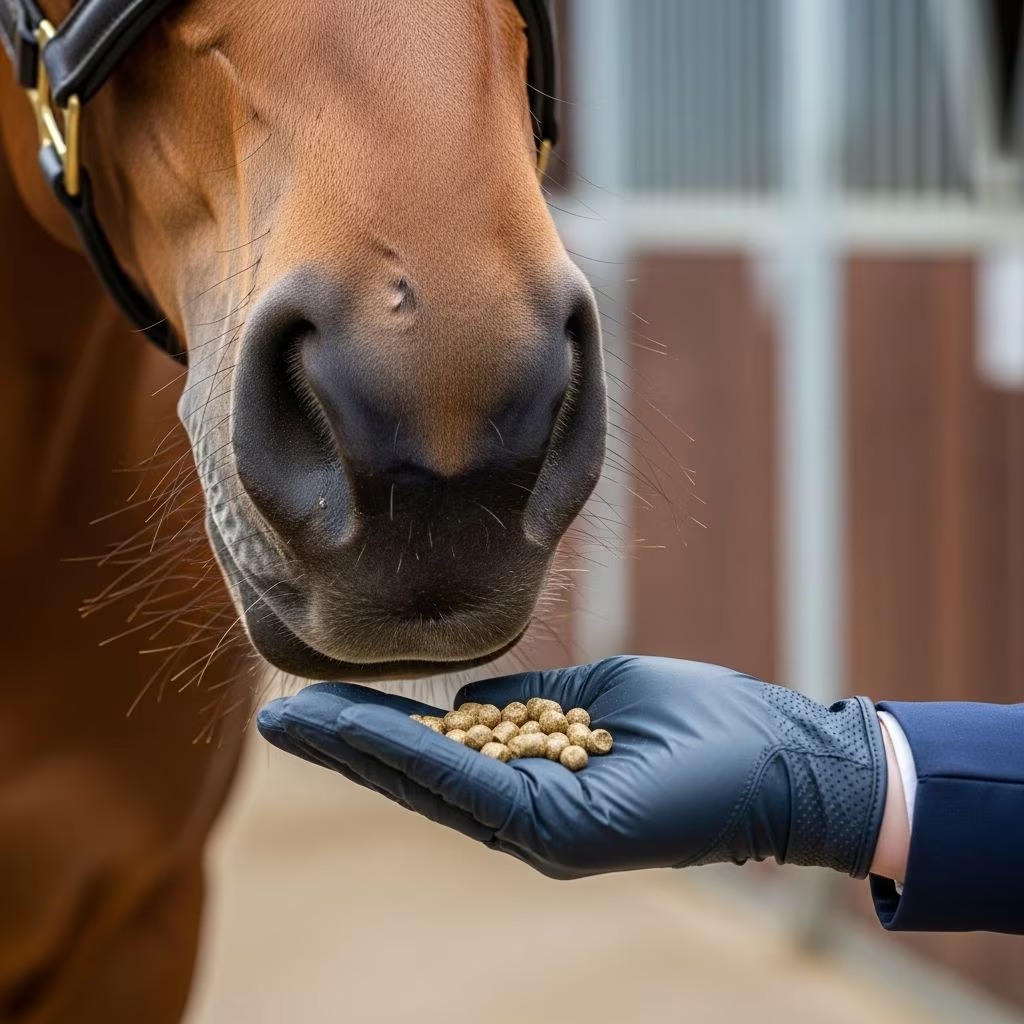
How to Choose the Best Probiotics for Horses
Maintaining optimal digestive health is one of the most important aspects of equine care. A horse’s digestive system is remarkably complex and sensitive to various stressors, including dietary changes, travel, medications, and training intensity. Probiotics have emerged as a valuable nutritional tool to support equine gut health and overall wellness. Understanding what probiotics are, how they work, and which ones are best suited for your horse can help you make informed decisions about your horse’s supplementation program.
Understanding Probiotics and Their Role in Equine Digestion
Probiotics are living bacteria and yeast that help repopulate the gut of the horse with beneficial microorganisms, and have also been called direct-fed microbials. The equine digestive system, particularly the hindgut, relies on a complex community of microorganisms to function optimally. The microbiome plays a critical role in the digestion of fiber in the hindgut, where beneficial microbes aid in fermentation of forages such as hay and pasture, and produce useful nutrients including B-vitamins and volatile fatty acids.
Beyond digestive support, research has demonstrated that the microbiome throughout the horse’s digestive tract has important immune system functions and can significantly impact equine behavior and cognitive function. When the hindgut microbiome becomes disrupted due to various causes, feeding probiotics to horses can be beneficial to their overall gut health. The distinction between prebiotics and probiotics is important: while prebiotics are non-digestible food components that nourish beneficial bacteria, probiotics are the living microorganisms themselves.
Common Probiotic Strains for Horses
When selecting a probiotic supplement for your horse, it’s essential to understand which specific strains have demonstrated effectiveness in equine research. Different probiotic strains offer varying benefits, and the most effective supplements often contain multiple strains working synergistically.
Saccharomyces cerevisiae
Saccharomyces cerevisiae is a live yeast with considerable research supporting its benefits for horses. Studies have shown that this strain helps improve fiber digestion, particularly with lower quality grass hays. Additional benefits identified include improved phosphorus absorption and enhanced growth rates in foals. Live yeast cultures have also been shown to help attenuate hindgut lactic acid concentrations and maintain proper hindgut pH in horses fed high-starch diets. These studies suggest that probiotics containing Saccharomyces cerevisiae may be useful in increasing digestive efficiency and maintaining hindgut homeostasis in healthy adult horses.
Lactobacillus Strains
Many species of bacteria have been successfully fed to horses, including various strains of Lactobacillus. Specific lactobacillus strains such as L. rhamnosus, L. fermentum, and L. casei can benefit horses by inhibiting growth of harmful bacteria and improving digestion of high-starch feeds. Lactobacilli have been shown to modify equine microbiota populations by decreasing amylolytic bacteria and increasing lactic-acid utilizers, ultimately attenuating starch breakdown and pH decline. These bacteria help reduce risk factors of hindgut acidosis, strengthen the immune system, and reduce fatigue in exercising horses. Research on the benefits of lactobacillus is still ongoing, but these microorganisms are believed to be among the most beneficial in a horse’s hindgut.
Other Beneficial Bacterial Strains
Bifidobacterium and other bacterial species have also been incorporated into equine probiotic formulations. While research on their specific benefits continues to evolve, these strains are recognized for their role in supporting overall microbial balance and digestive function.
Key Benefits of Equine Probiotics
Probiotics offer numerous potential benefits for horses, particularly when combined with appropriate prebiotics. Understanding these benefits can help you determine whether probiotic supplementation is appropriate for your individual horse.
Digestive Health and Efficiency
One of the primary benefits of probiotics is improved digestive efficiency. Probiotics help maintain proper pH levels, support nutrient absorption, and enhance feed efficiency. For horses eating lower quality forages or performance animals with higher energy requirements, improved digestive efficiency can be particularly valuable. The enhanced nutrient breakdown and energy extraction provided by certain probiotic strains can help horses maintain optimal condition and performance.
Prevention of Digestive Upset
Because the horse’s digestive system is sensitive to change, consistently feeding probiotics can help reduce chances of digestive upset. Young horses that have not yet developed a full and stable population of gut microorganisms particularly benefit from this protective effect. Probiotics help buffer against the disruptions that can occur with dietary transitions and environmental stressors.
Immune System Support
Probiotics may provide non-specific immune stimulation that benefits horses dealing with various challenges. There is evidence that probiotics strengthen the tight junctions between individual intestinal cells to minimize ‘leaky gut.’ Additionally, probiotics may stimulate the production of secretory immunoglobulin A, or SIgA, which is an antibody that plays an important role in fighting infection at mucosal surfaces, like the lining of the intestinal tract. The mucosal layer lining the digestive tract acts as the first line of defense to stop pathogens and toxins from moving from the intestinal tract to the body and systemic circulation.
Enhanced Athletic Performance
Research indicates that probiotics may support athletic performance in horses. A study found that a probiotic mixture of two Lactobacillus strains increased blood oxygen saturation and reduced blood lactic acid concentrations. Because lactic acid production and accumulation results in fatigue and reduced performance, these findings suggest probiotics may provide a competitive advantage for performance horses.
Which Horses Benefit Most from Probiotics
While generally any horse will benefit from the addition of probiotics to their diet, certain categories of horses are most likely to experience significant benefits.
Young Horses
Young horses generally do not have a full and stable population of microorganisms in their gut. Supplementing with probiotics during early development helps establish a healthy microbial foundation that supports lifelong digestive health and nutrient absorption.
Senior Horses
Aged horses are less efficient at digesting their feed and need help to maintain their microbiome. Neonates and older horses are thought to be able to benefit from probiotics because these horses are generally felt to have sub-optimal digestion. Probiotics can help compensate for age-related declines in digestive efficiency.
High-Performance Horses
Stress from intensive training, competition, and travel can lead to disruptions in hindgut health and the microbiome. Performance horses benefit from probiotics that help maintain stable digestive function despite the physiological demands of their work.
Horses Recovering from Antibiotics
Any horses that have been treated with antibiotics should be fed prebiotics and probiotics. Antibiotics can often kill off beneficial gut bacteria, and it is important to help reestablish healthy populations following antibiotic therapy. Horses experiencing chronic illnesses are also candidates for probiotic therapy.
Horses with Specific Digestive Challenges
Horses with occasional loose stool, difficulty maintaining a healthy weight, or susceptibility to hindgut issues may benefit from probiotic supplementation. Horses on high-starch diets, horses suffering from leaky gut syndrome, and hard keepers all represent categories that could benefit from supplementation.
Feeding Prebiotics and Probiotics Together
While you can feed prebiotics and probiotics separately to your horses, it is generally recommended to feed them together. The thinking behind this is that they work synergistically, and when fed together, they maximize your horse’s digestive health. Prebiotics promote the health of good gut microbes by providing dietary support for the microorganisms. Benefits of this support may include tolerance to high concentrate diets, improved overall digestion, increased insulin sensitivity in insulin-resistant horses, and improved feed digestibility and nutrient absorption.
Convenience and efficacy have improved significantly in recent years. While pre- and probiotics can be fed either together or individually as a top dressing with a horse’s feed, today that is no longer necessary. With improvements in feed formulation and manufacturing, many top-quality horse feeds now include pre- and probiotics in their formulation, eliminating the need for separate supplementation while ensuring consistent probiotic intake.
Safety Considerations and Professional Guidance
While probiotics offer numerous benefits, there is some risk associated with probiotic supplementation, as it involves the introduction of new bacteria into horses’ digestive tracts. This presents a potential risk of introducing microbes with antibiotic-resistant genes. Because of this, it is recommended that probiotics be supplemented while working with your veterinarian or equine nutritionist. Professional guidance ensures that the chosen supplement is appropriate for your horse’s specific needs and health status.
Research is still ongoing to determine the most beneficial strains and doses of probiotics for horses, so consulting with professionals keeps you informed of the latest evidence-based recommendations.
Making Your Selection: Key Factors to Consider
When choosing the best probiotic supplement for your horse, consider the following factors:
- Specific strains included: Look for products containing well-researched strains such as Saccharomyces cerevisiae or Lactobacillus species with documented benefits.
- Colony-forming units (CFUs): Ensure the supplement provides adequate quantities of live microorganisms to be effective.
- Prebiotic components: Select products that include prebiotics to nourish the beneficial bacteria you’re introducing.
- Your horse’s specific needs: Consider whether your horse is young, aged, recovering from antibiotics, or dealing with specific digestive challenges.
- Quality and reputation: Choose supplements from reputable manufacturers with quality control standards.
- Delivery method: Determine whether your horse will receive probiotics through dedicated supplements or through fortified feeds.
- Veterinary recommendation: Consult with your veterinarian or equine nutritionist before beginning supplementation.
Frequently Asked Questions
Q: How long does it take for probiotics to work in horses?
A: The timeline varies depending on the individual horse and the specific supplement used. Some horses may show improvements in digestive function within a few weeks, while others may require 4-8 weeks of consistent supplementation to demonstrate noticeable benefits. Continued supplementation over time generally provides the most consistent results.
Q: Can probiotics help with horses prone to colic?
A: Yes, probiotics may help reduce colic risk by maintaining optimal hindgut pH and preventing the acidosis conditions that can predispose horses to colic. However, probiotics should be one component of a comprehensive colic prevention program that includes consistent feeding practices and appropriate nutrition.
Q: Are there any side effects from giving horses probiotics?
A: Probiotics are generally safe when administered as directed. In rare cases, horses being introduced to probiotics for the first time may experience mild digestive adjustments. Always introduce new supplements gradually and monitor your horse’s response.
Q: Should I continue probiotics year-round or just during stressful periods?
A: While probiotics are particularly valuable during stressful periods such as illness, antibiotic treatment, or heavy training, many equine nutritionists recommend year-round supplementation to maintain consistent microbial balance and optimal digestive health.
Q: How do I know if my horse’s probiotics are working?
A: Look for improvements in coat quality, hoof health, consistent manure appearance, stable weight maintenance, improved energy levels, and reduced digestive upset. Your veterinarian can also monitor improvements in overall health indicators.
Q: Can I give multiple probiotic products to my horse at once?
A: While it may seem beneficial to combine products, it’s generally unnecessary and could be wasteful. Instead, select one high-quality product containing multiple complementary strains. Consult your veterinarian before combining supplements to ensure compatibility.
References
- Why Does Horse Need Prebiotics & Probiotics? — Tribute Equine Nutrition. 2024. https://tributeequinenutrition.com/blogs/news/how-prebiotics-probiotics-help-your-horse
- Probiotic Use in Horses: What is the Evidence? — International Scientific Association for Probiotics and Prebiotics (ISAPP). 2024. https://isappscience.org/probiotic-use-in-horses-what-is-the-evidence/
- Probiotics can be helpful nutritional adjunct — DVM360. 2024. https://www.dvm360.com/view/probiotics-can-be-helpful-nutritional-adjunct
- Probiotics for Horses: Equine Digestive Supplements — Platinum Performance. 2024. https://www.platinumperformance.com/platinum-balance/
- Pre, Pro, and Postbiotics: Supplementing the Gut Microbiome — Penn State Extension. 2024. https://extension.psu.edu/pre-pro-and-postbiotics-supplementing-the-gut-microbiome/
- Probiotic Effects on Mucosal Health, Immunity in Horses — Kentucky Equine Research. 2024. https://ker.com/equinews/probiotic-effects-on-mucosal-health-immunity-in-horses/



