

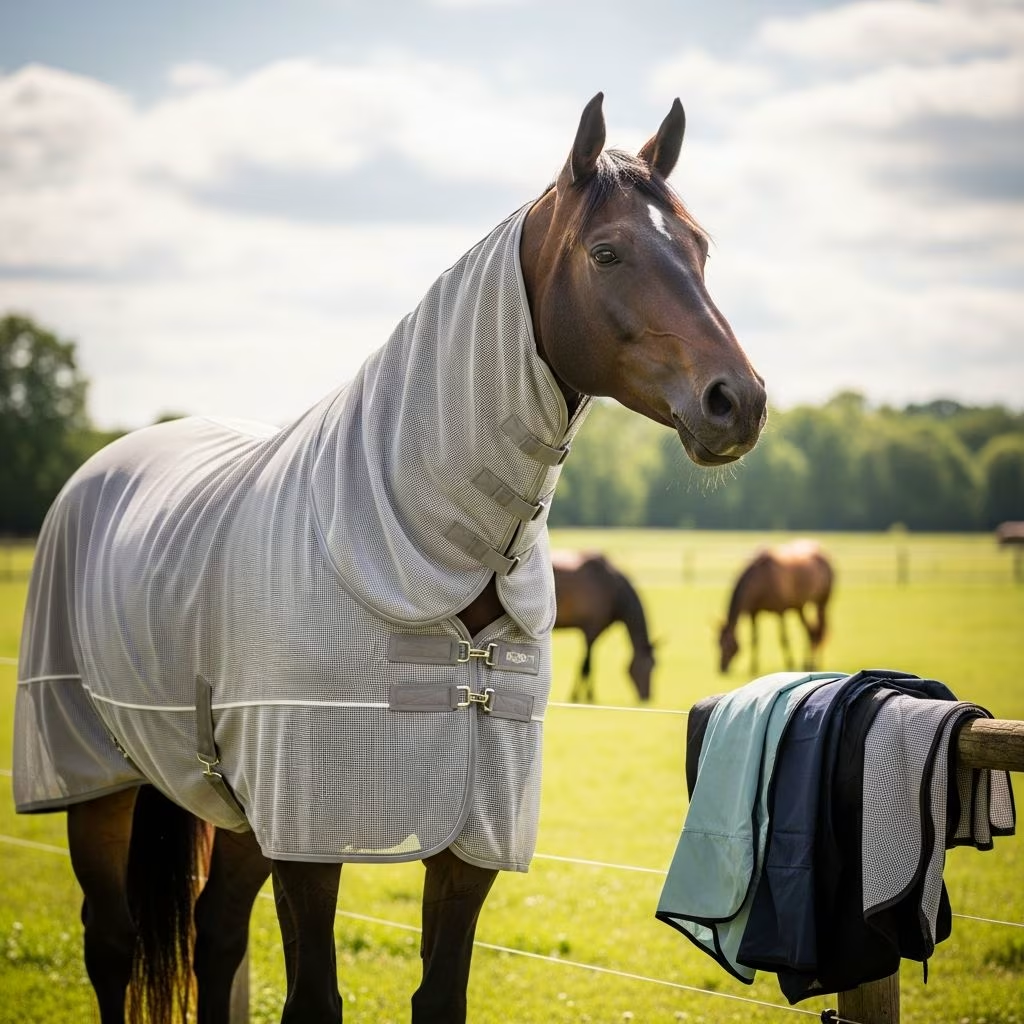
How To Choose the Best Fly Sheets for Horses
Fly sheets are lightweight mesh blankets that offer a barrier against bugs while allowing airflow to keep your horse cool. These essential pieces of equine equipment provide protection during warm months when insects are most active and UV rays are strongest. Whether you’re dealing with bothersome flies in your pasture or looking to shield your horse’s skin from sun damage, understanding how to choose the right fly sheet is crucial for your horse’s comfort and health.
What Are Fly Sheets and Why Do Horses Need Them?
Fly sheets serve multiple purposes in horse care. Primarily, they act as a physical barrier between your horse and biting insects that can cause discomfort, transmit diseases, and trigger allergic reactions. Different insects present different challenges—stable flies and horseflies deliver painful bites, while botflies can lay eggs on your horse’s legs and coat. Mosquitoes, another common pest deterred by fly sheets, may carry dangerous diseases like West Nile Virus or Eastern Equine Encephalitis. Beyond insect protection, fly sheets offer UV protection that prevents harmful ultraviolet rays from reaching your horse’s skin and coat, reducing the risk of sunburn and coat bleaching.
Key Benefits of Using Fly Sheets
The biggest benefits of using horse fly sheets include:
- Reducing sweet itch, a common summer condition affecting many horses
- Minimizing skin allergies and allergic reactions to insect bites
- Preventing bumps, welts, rashes, and other skin irritations
- Protecting against sun-related skin injuries and UV damage
- Reducing reliance on chemical fly sprays and repellents
- Keeping horses cleaner by acting as a barrier against dirt and dust
For horses with light-colored coats or pink skin, UV protection is particularly important as they’re more susceptible to sunburn and skin cancer. Dark horses also benefit significantly, as UV protection prevents their coats from bleaching to the reddish color many dark bay and black horses develop after extensive sun exposure.
Understanding Fly Sheet Materials and Mesh Types
The material composition of a fly sheet directly impacts its effectiveness and suitability for different climates and horses. The most durable horse fly sheets are made from high-quality materials such as nylon, polyester, or cotton. Fine-mesh materials offer the best balance between protection and breathability, keeping most flies away while allowing air to circulate.
Mesh Size and Protection Levels
Mesh size varies significantly among fly sheets, and the finer the mesh, the greater the protection against tiny insects. Look for sheets with tight-weave mesh that blocks even tiny midges while still allowing air to flow. Quality fly sheets typically feature 800-1,000 holes per square inch for excellent airflow without compromising insect protection.
Different mesh densities offer varying levels of insect protection:
- 1000D Heavy Mesh: Provides the best insect protection against medium to large-sized insects; ideal for horses that play hard in the field
- 350D Extra Fine Mesh: Constructed like window screen nylon, offers best protection against small to medium-sized insects
- 300D Soft Mesh: Provides excellent UV protection while still offering solid insect protection against small to medium-sized insects
- Hybrid Constructions: Combine lightweight sheet and fly sheet into one while patterns deter and confuse flies from landing on the horse
Material Weight and Durability
In terms of durability, fabric strength is measured in denier. Lightweight sheets (200-300g) are great for hot climates and horses that don’t engage in rough play, while heavier options (600D+) stand up better to rough play and rugged terrain. The most durable options are made from ripstop nylon or treated polyester fabrics that are water-resistant and UV-protected.
UV Protection Ratings
Fly sheets vary significantly in their UV protection capabilities. The best fly sheets offer UV protection with UPF 30+ or higher, acting like sunscreen for your horse. Different products provide different levels of protection:
- Standard UV protection: 40% UV protection rating
- Enhanced UV protection: 70% UV protection rating
- Maximum UV protection: 80% UV protection rating
Light-colored fabrics reflect the sun’s rays away from your horse’s body, keeping them cooler and more comfortable on hot days. Some premium fly sheets incorporate innovative technologies with antibacterial properties on chest, shoulders, and tail lining for additional protection and hygiene.
Fit and Size Considerations
Finding the right fit is essential for both comfort and effectiveness. Sheets with darts, pleats, or gussets allow for more movement and accommodate horses of different body shapes. Fly sheets come in various fits designed to work with different wither types and breed conformations. Some brands offer multiple fit options including standard VTEK wither relief designs, V-Free wither relief for horses with very high withers, and senior options for older horses.
When selecting size, consider:
- Your horse’s height and length
- Wither shape and height
- Overall body condition
- Any special fitting needs due to breed type or conformation
Airflow and Breathability
The balance between protection and breathability is critical for horse comfort, especially in warm weather. Finer mesh reduces airflow, so you must choose based on your horse’s living situation and climate. Horses in moderate to hot climates benefit most from materials specifically designed for better airflow. Some fly sheets feature reflective stripes that add safety in low light or night turnout situations.
The best fly sheets balance protection with breathability through:
- Optimal mesh density that allows adequate ventilation
- Textured nylon mesh designs that promote air circulation
- Material selection appropriate for your climate zone
- Strategic design that prevents heat buildup under the sheet
Important Fly Sheet Features
Neck Coverage
Neck protection is crucial since insects frequently target this vulnerable area. Many fly sheets come with detachable neck covers that attach with carabiner clips and elastic straps, providing extra protection from insects and the sun.
Closure Types
Fly sheets come in two main closure styles. Closed Front fly sheets slip over the horse’s head, while Open Front fly sheets are more adjustable. Open Front options come in two types: Double Buckle fly sheets with simple buckles, and Double Snap models with buckled adjustments and easy on-off snaps.
Belly Wraps and Leg Straps
The best fly sheet options include belly wraps and leg straps to protect vulnerable areas that insects love to target. These features ensure comprehensive coverage and prevent insects from accessing areas where horses are most likely to suffer bites and skin irritation.
Tail Flap Protection
An oversized tail flap helps provide maximum protection, as the tail area is particularly susceptible to insect bites and irritation. Some sheets feature reinforced tail flaps with special materials that offer additional durability and protection.
Comparing Top Features by Material Type
| Material Type | Durability | UV Protection | Airflow | Best For |
|---|---|---|---|---|
| 1000D Heavy Poly/Vinyl Mesh | Excellent | 70% | Good | Horses that play hard; medium to large insects |
| 350D Extra Fine Nylon Mesh | Good | 40% | Excellent | Small to medium insects; warm climates |
| 300D Polyester Mesh | Good | 80% | Good | Maximum UV protection; moderate climates |
| Ripstop Nylon | Excellent | Variable | Good | Rough play; water resistance needed |
Special Technologies and Treatments
Premium fly sheets often feature innovative technologies that enhance their protective capabilities. SilverTek technology incorporates antibacterial properties on chest, shoulders, and tail lining, providing extra hygiene benefits beyond basic insect protection. Some fly sheets use No Fly Zone technology proven to repel mosquitoes, ants, ticks, and chiggers for up to 70 washes. Water-resistant coatings help protect sheets from moisture and extend their lifespan, while UV-protective treatments are applied to prevent sun damage to both the fabric and the horse’s coat.
Durability and Warranty Considerations
Quality matters when investing in fly sheets. Look for sheets backed by manufacturer warranties—many premium options offer 3-year warranties indicating confidence in durability. A good-quality fly sheet typically lasts for 2-3 seasons with proper care, potentially saving you money on constantly purchasing fly spray and other chemical treatments. Consider durability especially if you have horses that engage in rough play during turnout, as these animals require more robust materials that can withstand the wear and tear of daily use.
Cost-Effectiveness and Long-Term Value
While fly sheets represent an upfront investment, they prove cost-effective over time. Using physical barriers like sheets and masks can significantly reduce how much fly spray you need to apply, providing both financial and environmental benefits. The protection is continuous, unlike sprays that need frequent reapplication. Quality fly sheets from reputable manufacturers maintain their effectiveness through multiple seasons, making them economical compared to season-long reliance on chemical treatments.
When to Use Fly Sheets
Outfit your horse in a fly sheet during turnout to add a layer of protection during peak insect activity. Different insect species are more active during different times—some prefer daytime while others are nocturnal. Monitoring your horse’s behavior during different seasons helps determine the best times to deploy fly sheets for maximum benefit.
Limitations to Consider
While beneficial, fly sheets do have limitations worth acknowledging. A fly sheet may help keep your horse cleaner, but dust can filter through mesh material. If your horse lies in mud, manure, or urine, these substances can soak through the sheet. Regular cleaning and maintenance help mitigate these issues. Additionally, not all sheets cover a large range of insects, so matching the mesh type to your local insect population ensures you select the most appropriate product.
Selecting the Right Fly Sheet for Your Horse
Choosing the best fly sheet requires considering multiple factors specific to your horse and situation:
- Assess your local climate and humidity levels
- Identify the primary insect problems in your area
- Determine your horse’s turnout patterns and behaviors
- Consider your horse’s coat color and skin sensitivity
- Evaluate your budget for both initial purchase and maintenance
- Check sizing charts carefully to ensure proper fit
- Consider any special needs like wither relief or breed-specific fits
Frequently Asked Questions About Fly Sheets
Q: Are fly sheets worth it for horses?
A: Yes. Fly sheets can offer protection against biting bugs and help reduce skin irritation, allergies, sunburns, and coat bleaching. They provide continuous protection compared to sprays that require frequent reapplication, making them a worthwhile investment for most horse owners in areas with significant insect activity.
Q: When should you put a fly sheet on a horse?
A: Outfit your horse in a fly sheet during turnout to add a layer of protection during peak insect activity. Some insect species are more active during the day while others prefer nighttime, so adjust usage based on when pests are most problematic for your horse.
Q: Can fly sheets keep horses completely clean?
A: Fly sheets help reduce dirt accumulation, but they cannot completely prevent soiling. Dust can filter through mesh material, and if your horse lies in mud, manure, or urine, these substances can soak through the fabric. However, they significantly reduce grooming time required to maintain coat condition.
Q: What mesh size is best for my climate?
A: Lighter mesh (300-350D) works best for hot climates as it promotes better airflow, while heavier options (600D+) suit cooler regions or horses that need maximum durability. Balance protection needs against your local temperature and humidity.
Q: How long do fly sheets last?
A: A good-quality fly sheet typically lasts 2-3 seasons with proper care, depending on how frequently your horse wears it and how rough your horse plays during turnout. Many premium sheets include 3-year warranties indicating manufacturer confidence in longevity.
Q: Do I still need fly spray if I use a fly sheet?
A: While fly sheets provide significant protection, many horse owners use them alongside fly spray for maximum protection, especially on the horse’s face and neck where sheets may not provide complete coverage. However, sheets do reduce the overall need for chemical treatments.
Q: What’s the difference between light and dark colored fly sheets?
A: Light-colored fabrics reflect sun’s rays away from your horse’s body, keeping them cooler and more comfortable. Dark sheets provide good protection but may absorb more heat. Choose based on your climate and your horse’s heat tolerance.
References
- Why a Fly Sheet and Mask Help — Equinavia. Accessed 2025. https://equinavia.com/why-a-fly-sheet-and-mask-help/
- Horse Fly Sheets 101 — Schneiders Saddlery. Accessed 2025. https://www.sstack.com/blog/fly/horse-fly-sheets-101/b/r0051/
- How To Choose the Best Fly Sheets for Horses — Chewy Pet Education. Accessed 2025. https://www.chewy.com/education/horse/general/how-to-choose-the-best-fly-sheets-for-horses
- Three of The Most Durable Fly Sheets — Performance Horse Blankets. Accessed 2025. https://www.performancehorseblankets.com/blogs/news/three-of-the-most-durable-fly-sheets
- Choosing a Fly Sheet — Dover Saddlery. Accessed 2025. https://blog.doversaddlery.com/choosing-a-fly-sheet/
- Choosing the Right Fly Sheet: The Ultimate Guide for Horse Owners — Sano Animal. 2025-06-13. https://sanoanimal.com/en/2025/06/13/choosing-the-right-fly-sheet-the-ultimate-guide-for-horse-owners/



