

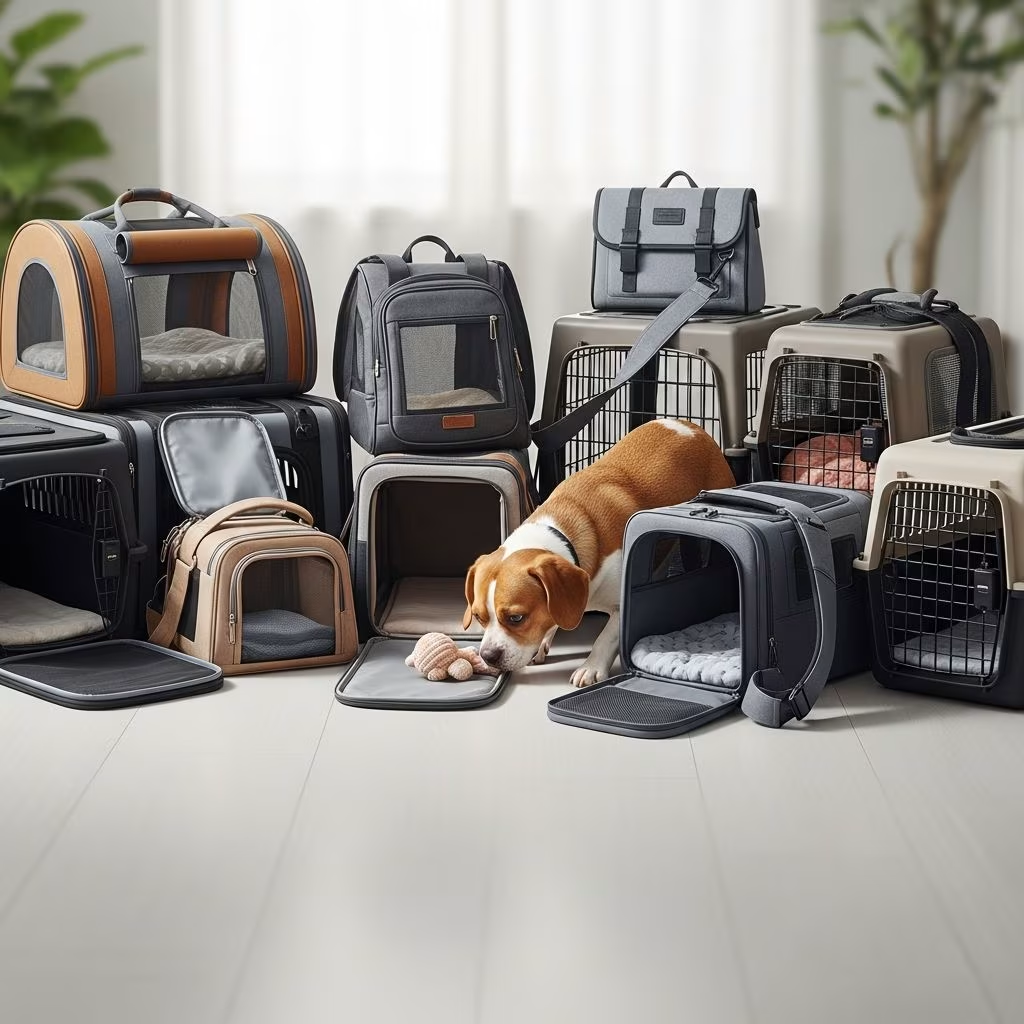
Traveling with your beloved canine companion doesn’t have to be stressful. Whether you’re heading to the veterinarian, taking a weekend trip, or moving to a new home, having the right dog carrier makes all the difference. A quality carrier provides safety, comfort, and peace of mind for both you and your furry friend. But with so many options available on the market, selecting the perfect carrier can feel overwhelming. This comprehensive guide will walk you through the different types of dog carriers, key features to consider, and help you make an informed decision based on your pet’s specific needs.
Understanding Different Types of Dog Carriers
Dog carriers come in various styles, each designed for different purposes and travel situations. Understanding the differences between carrier types is the first step in making the right choice for your pet.
Soft-Sided Carriers
Soft-sided carriers are constructed from flexible, durable materials such as nylon or polyester. These lightweight carriers offer excellent portability and are ideal for smaller dogs or cats. Soft-sided carriers are particularly popular for air travel since many meet airline requirements and provide good ventilation for your pet. They collapse easily for storage when not in use, making them convenient for people with limited space. The flexible design allows your pet to move slightly, which can help reduce anxiety during travel. These carriers are best suited for short trips and calm pets who don’t require maximum protection during transit.
Hard-Shell Carriers
Hard-shell carriers provide maximum protection and durability, making them an excellent choice for long trips or car travel. Constructed from sturdy plastic or composite materials, these carriers offer superior protection in case of accidents or rough handling. Hard-shell carriers typically feature secure locking mechanisms and come with tie-down holes for added safety during vehicle transport. They are especially useful for nervous dogs or those prone to motion sickness, as the enclosed design can provide a den-like comfort. The solid construction ensures your pet stays protected regardless of external pressures, though they tend to be heavier and require more storage space than soft-sided alternatives.
Sling and Shoulder Carriers
Sling carriers are designed to leave your hands free while keeping your small dog close and secure. These shoulder-worn carriers feature adjustable straps that can be worn across your body to rest on your hip or over one shoulder. Sling carriers are excellent for everyday errands, subway rides, and casual outings where you want to keep your social butterfly close to you. They typically include interior pockets for essentials and a secure harness attachment point. These carriers work best for small, calm dogs and are ideal for owners who want an hands-free carrying solution.
Dog Backpack Carriers
Dog backpack carriers offer a comfortable and well-designed solution for both you and your dog. Featuring padded shoulder straps and waist support, these backpacks distribute weight evenly across your body, allowing you to carry your pet comfortably for extended periods. Backpack carriers are perfect for hiking, camping, and outdoor adventures. Many models include ventilated panels, storage pockets, and reinforced structures to keep your dog secure and comfortable. From lightweight options for toy breeds up to 30 pounds to heavy-duty models accommodating dogs up to 80 pounds, backpack carriers are available in various sizes to suit different breed sizes and travel styles.
Dog Travel Crates
Travel crates are versatile carriers suitable for all dogs, from small to large breeds, especially for those who prefer not to interact with people during travel. These crates provide a secure, enclosed space that many dogs find comforting. Travel crates come in various sizes and materials, with plastic being the most common option for portability. They feature secure latching systems and proper ventilation to ensure your pet’s safety and comfort. Travel crates are particularly useful for dogs with anxiety or those who need their own private space during journeys.
Pet Strollers
Pet strollers are perfect for senior dogs, flat-faced breeds like Pugs who overheat easily, and disabled dogs who can’t walk long distances. These wheeled carriers allow you to take your furry friend on outings without requiring them to walk. Strollers provide comfortable resting spaces and come in various styles, from basic models to all-terrain options designed for jogging or rough terrain. Pet strollers are excellent for owners who want to include their pets in outdoor activities while ensuring their comfort and safety.
Key Features to Consider When Choosing a Dog Carrier
Size and Weight Capacity
Selecting the correct size carrier is crucial for your dog’s comfort and safety. Your pet should have enough room to sit, stand, turn around, and lie down comfortably within the carrier. A carrier that’s too small can cause stress and discomfort, while one that’s too large may make your dog feel insecure. Check the weight capacity of any carrier you’re considering to ensure it can safely support your dog’s current weight and account for any potential growth. Measure your dog from nose to tail and from head to feet to determine the appropriate carrier dimensions.
Ventilation and Air Flow
Proper ventilation is essential for your dog’s health and comfort during travel. Look for carriers with mesh panels or vents that allow adequate air circulation. This is especially important for flat-faced breeds that are prone to overheating. Carriers with poor ventilation can lead to heat stress, anxiety, and respiratory issues. Ensure that ventilation doesn’t compromise your pet’s security or allow them to escape.
Durability and Material Quality
High-quality materials ensure your carrier will withstand regular use and last for years. Soft-sided carriers should be made from sturdy, tear-resistant fabrics, while hard-shell carriers should be constructed from impact-resistant plastic or composite materials. Check zippers, seams, and attachment points for quality construction. A well-made carrier protects your investment and ensures your pet’s safety during every journey.
Security Features
Safety should be your top priority when selecting a carrier. Look for secure latching mechanisms, reinforced mesh panels that prevent escape, and safety harnesses to keep your pet properly restrained. For car travel, carriers should include tie-down points or straps to secure them to your vehicle. Internal leash attachment systems provide additional security by preventing your pet from moving around excessively during transit.
Ease of Cleaning
Dogs can be messy, so choose a carrier with removable, washable bedding or surfaces that are easy to clean. Many quality carriers feature removable fleece liners that can be machine washed. Hard-sided carriers are generally easier to sanitize than soft-sided options, though both types should have washable components. Easy maintenance ensures your carrier stays fresh and hygienic for your pet.
Choosing by Travel Method
Air Travel
If you plan to fly with your dog, you’ll need an airline-approved carrier. Most airlines require soft-sided carriers or hard-shell crates that meet specific dimension requirements. Ensure the carrier fits under the seat in front of you or complies with cargo hold regulations. Look for carriers that provide good ventilation and security, and that your dog can comfortably stand and turn around in. Familiarize your pet with the carrier well before your flight to reduce anxiety.
Car Travel
For car travel, hard-shell carriers or car seat carriers offer maximum protection. These carriers can be secured with seat belts or installed using the vehicle’s anchor points. Consider carriers that double as car seats and portable beds, eliminating the need to move your dog between carriers at your destination. Hard carriers provide better protection in case of accidents, though soft carriers offer more flexibility for smaller vehicles.
Public Transportation
For subway, train, and bus travel, sling carriers and soft-sided carriers are ideal choices. These carriers keep your hands free and take up minimal space. Many public transportation systems have size or weight restrictions for pets, so verify your carrier’s dimensions and ensure your pet fits within regulations. Sling carriers allow your dog to see the world while keeping them secure and close to you.
Outdoor Adventures
Backpack carriers are perfect for hiking, camping, and outdoor activities. Choose a backpack with sturdy construction, padded straps, and proper ventilation. Look for models with storage compartments for pet supplies and water bottles. Waterproof, dirt-resistant materials are ideal for outdoor adventures. Consider carriers with stabilizing rods or internal frames that provide extra support during extended wear.
Carrier Selection by Dog Size
| Dog Size | Best Carrier Types | Weight Range | Recommended Features |
|---|---|---|---|
| Toy Breeds | Sling carriers, soft-sided carriers, backpack carriers | Under 10 lbs | Lightweight, adjustable straps, compact design |
| Small Dogs | Soft-sided carriers, backpack carriers, travel crates | 10-20 lbs | Balanced portability and protection, good ventilation |
| Medium Dogs | Backpack carriers, travel crates, car seat carriers | 20-50 lbs | Sturdy construction, padded support, secure attachment |
| Large Dogs | Hard-shell crates, large backpack carriers, strollers | 50+ lbs | Heavy-duty construction, waist support, reinforced zippers |
Introducing Your Dog to Their New Carrier
Regardless of which carrier you choose, it’s important to help your dog adjust to it gradually. Start by leaving the carrier open in your home and allowing your dog to explore it at their own pace. Place their favorite toys or treats inside to create positive associations. Practice short periods inside the carrier with the door open before attempting any trips. Gradually increase the time spent in the carrier and take short practice drives. This gradual introduction reduces anxiety and makes travel much more pleasant for both you and your pet.
Special Considerations for Specific Situations
Senior Dogs
Older dogs often benefit from carriers that require minimal jumping or climbing. Pet strollers and soft-sided carriers are excellent options for seniors. Look for carriers with low entry points and supportive interiors to accommodate aging joints. Ensure proper ventilation and temperature control, as older dogs are more sensitive to extreme temperatures.
Anxious Dogs
Dogs with anxiety may benefit from enclosed carriers that provide a den-like environment, such as hard-shell crates or covered soft-sided carriers. The enclosed space can feel secure and calming. Some anxious dogs do better with carriers that allow them to see their owners, so consider your individual pet’s preferences and behavior.
Flat-Faced Breeds
Breeds like Pugs, French Bulldogs, and Boston Terriers are prone to overheating and respiratory issues. Choose carriers with excellent ventilation and consider pet strollers that provide shade and airflow. Avoid carriers that restrict airflow or trap heat. Always monitor these breeds carefully during travel to prevent heat stress.
Maintenance and Care Tips
Proper maintenance extends your carrier’s lifespan and keeps it hygienic for your pet. Regularly vacuum out loose fur and debris. Wash removable bedding and liners according to the manufacturer’s instructions. Wipe down hard-sided carriers with pet-safe cleaning solutions. Check zippers, seams, and attachment points regularly for wear and tear. Address any damage promptly to prevent safety issues. Store carriers in a cool, dry place when not in use to prevent material degradation.
Frequently Asked Questions
Q: How do I know what size carrier my dog needs?
A: Measure your dog from nose to tail and from the top of their head to their paws. Your dog should be able to sit, stand, turn around, and lie down comfortably in the carrier. Check the manufacturer’s size recommendations and weight capacity to ensure a proper fit.
Q: Are soft-sided or hard-sided carriers better for car travel?
A: Hard-sided carriers offer superior protection in accidents and are generally considered safer for car travel. However, soft-sided carriers are lighter and more flexible for smaller vehicles. For maximum safety, choose a carrier that can be properly secured with seat belts or vehicle anchor points.
Q: Can I use the same carrier for air travel and car travel?
A: Some multi-functional carriers work for both air and car travel. Look for airline-approved carriers that can also be secured in vehicles. However, some travel-specific crates may work better for one method than another, so verify compatibility before purchasing.
Q: How long can my dog stay in a carrier?
A: Dogs should not stay in carriers for extended periods. For short trips, most healthy adult dogs can remain in carriers for a few hours. For longer journeys, plan regular breaks for bathroom needs, exercise, and hydration. Senior dogs and puppies may need more frequent breaks.
Q: What’s the best way to help my anxious dog adjust to a carrier?
A: Introduce the carrier gradually in a positive manner. Leave it open in your home, place treats inside, and reward your dog for exploring it. Practice short stays with the door open before attempting travel. Use calming aids like anxiety wraps or pheromone sprays if recommended by your veterinarian.
Q: Are pet strollers a good alternative to carriers?
A: Pet strollers are excellent alternatives for senior dogs, flat-faced breeds prone to overheating, and disabled dogs who struggle with long walks. They’re also convenient for leisurely outings where your pet needs to rest. However, they’re less practical for travel via car or air.
References
- Best Types of Dog Carriers Compared — Pets Own Us. 2024. https://petsownus.co.uk/news-inspiration/best-types-of-dog-carriers-compared/
- Dog Carrier Backpack: Types & Best Options by Dog Size — Holistapet. 2024. https://www.holistapet.com/blogs/pet-accessories/dog-carrier-backpack
- Buying Guide: How to Pick the Best Dog Carrier — Chewy. 2024. https://www.chewy.com/education/dog/pet-parenting/how-to-choose-the-best-dog-carrier-for-your-furry-family-member
- Find the Safest Dog Carriers for Your Furry Friends — K9 Sport Sack. 2024. https://k9sportsack.com/blogs/news/find-the-safest-dog-carriers-for-your-furry-friends
- Choosing the Right Dog Carrier — PetSmart Learning Center. 2024. https://www.petsmart.com/learning-center/dog-care/choosing-the-right-dog-carrier
- Hard Dog Carrier vs Soft: Which One Actually Travels Better — DHGate. 2024. https://smart.dhgate.com/hard-dog-carrier-vs-soft-which-one-actually-travels-better/



