

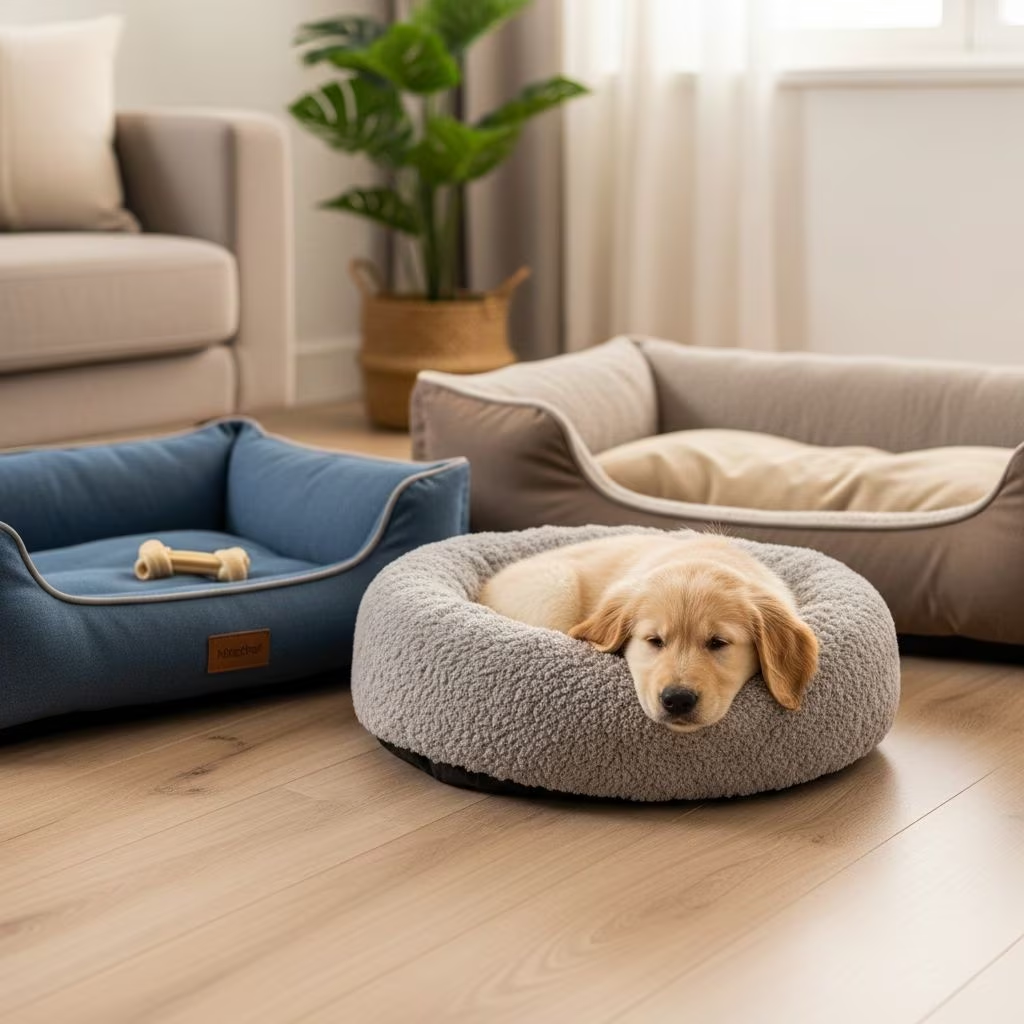
How to Choose the Right Size Dog Bed: Step by Step
Selecting a dog bed might seem like a straightforward task, but picking the right size for your furry companion requires careful consideration and precise measurement. Unlike standard human beds that come in uniform sizes such as twin, full, queen, or king, dog beds vary widely in dimensions and styles to accommodate different breeds and sleeping preferences. Taking just a few extra minutes to measure your pup before making a purchase ensures you’ll select a bed that perfectly suits their frame, size, and preferred sleeping position. This investment in proper sizing leads to better sleep quality, improved comfort, and a happier, healthier dog.
Step 1: Gather Your Supplies
Before you begin measuring your dog, gather the necessary supplies to ensure accurate measurements. You’ll need a soft tape measure, a notebook or smartphone to record your findings, and your dog in a relaxed state. Having everything ready beforehand makes the process smooth and efficient, allowing you to capture precise measurements without unnecessary delays.
Step 2: Measure Your Dog’s Length
The length of your dog is one of the most critical measurements when selecting a bed size. Using your tape measure, measure from the tip of your dog’s nose all the way to the base of their tail. This measurement determines the minimum length required for your dog’s bed. It’s important to measure while your dog is standing in a natural, relaxed position to get an accurate reading. Write down this measurement in both inches and centimeters for reference when shopping.
Step 3: Measure Your Dog’s Width
Next, determine your dog’s width by measuring at the widest point of their body, typically from shoulder to shoulder. This measurement indicates the minimum width your bed should provide to accommodate your dog’s body comfortably. Record this measurement alongside your length measurement, as both will be essential when comparing your dog’s dimensions to product size charts.
Step 4: Add Extra Space for Comfort
Once you have your basic measurements, add approximately one foot (12 inches) to each dimension. This additional space ensures your dog has plenty of room to stretch out, change positions, and move around comfortably throughout the night. Dogs need freedom to move without feeling confined, and this extra space contributes significantly to their overall comfort and sleep quality. The additional room also accommodates natural movements dogs make while sleeping, such as repositioning or extending their legs.
Step 5: Compare Your Measurements to the Size Guide
Keep your measurements handy as you shop for dog beds. While browsing, compare your dog’s measurements against the product size chart, which is typically located in the information section or displayed alongside product images. Sizes range from extra small all the way to extra large and beyond, ensuring there’s a perfect bed for every dog breed and their unique needs. When using these size guides, look for beds that comfortably accommodate your calculated measurements. A good rule of thumb is that your dog’s measurements should be at least 4 inches less than the bed’s length and width, providing comfortable clearance while maintaining adequate sleeping space.
Pro Tip: If your pup falls between two dog bed sizes on the size guide, always choose the bigger bed. A little extra space around them is significantly better than not having enough space. Dogs appreciate having room to move and adjust their sleeping position without feeling cramped.
Understanding Dog Bed Size Categories
Dog beds are typically categorized into several standard size ranges, each designed to accommodate specific dog weights and breeds. Understanding these categories helps streamline your shopping process and ensures you’re looking at appropriate options for your pet.
| Size Category | Bed Dimensions | Dog Weight Range | Example Breeds |
|---|---|---|---|
| Small | 18″ x 24″ | Under 25 lbs | Boston Terrier, Pomeranian, Pug |
| Medium | 27″ x 36″ | Under 60 lbs | Collie, Beagle, Spaniel |
| Large | 27″ x 46″ | Under 95 lbs | Shepherd, Lab, Golden Retriever |
| Extra Large | 35″ x 45″ | Under 150 lbs | Large Lab, Akita, Leonberger |
What Else to Consider When Buying a Dog Bed
Beyond your pup’s measurements, several other important factors warrant consideration to ensure you purchase the best dog bed for their specific needs and lifestyle.
Mattress Thickness
Mattress thickness plays a significant role in your dog’s comfort and support. Generally, as dog beds increase in size, the mattress thickness increases as well. However, some dog beds are naturally thicker by design regardless of size. If your dog could benefit from an extra-thick mattress—particularly senior dogs or those with joint issues—consider seeking out a bed with more substantial cushioning. Memory foam beds often provide superior support compared to thinner options, making them an excellent choice for dogs with specific health needs.
Dog Sleep Style
Dogs have distinct sleeping preferences, and understanding your dog’s sleep style significantly influences bed selection. There are generally three sleep styles to consider:
Sprawlers are dogs who love to stretch out completely, extending their body full-length across the bed. These dogs benefit most from larger beds where they have ample room to sprawl comfortably without their body parts hanging off the edges. Sprawlers need beds with considerable length and width.
Curlers
Leaners are dogs who like to rest against something, using a bolster or raised edge of the bed for support. These dogs particularly benefit from beds with substantial walls or cushioned borders where they can rest their head and body comfortably. Bolster beds are ideal for leaners who enjoy leaning on supportive surfaces while they sleep.
Observing your dog’s natural sleeping position at home provides valuable insight into their preferred style and helps guide your bed selection.
Health Needs
Consider your dog’s age, breed, and any specific health conditions or requirements they may have. Senior dogs or those with joint issues, arthritis, or hip dysplasia benefit tremendously from orthopedic beds made with firm slab memory foam. These specialized beds provide excellent support and can significantly improve comfort for dogs experiencing pain or mobility issues. Conversely, younger, healthy dogs might be perfectly content with thinner foam or alternative materials. Consulting with your veterinarian about your dog’s specific health needs can help inform your bedding decision.
Weight Considerations
While size is important, your dog’s weight also deserves consideration when selecting a bed. Heavier dogs may require extra cushioning and support regardless of their overall frame size. A dog that is heavy but compact in size might need a bed with superior cushioning to properly support their weight and prevent them from feeling the floor beneath the mattress. High-density memory foam or specialized orthopedic beds offer better weight distribution and support for heavier dogs.
Bed Placement and Environment
Consider where you’ll place the dog bed and how it should fit within your living space. If you’re placing the bed inside a kennel or crate, ensure the size you purchase accommodates the available space properly. It’s acceptable if the bed is slightly smaller or larger than the crate itself, but you want the fit to be reasonably snug without excessive gaps or overflow. A bed that fits well in its designated space contributes to your dog feeling secure and comfortable in their sleeping area.
Multiple Dog Considerations
If you have multiple dogs that sleep together, additional factors come into play. The bed must be large enough to accommodate all dogs comfortably without them disturbing each other during sleep. Ensure each dog has adequate personal space to stretch out, change positions, and maintain their comfort throughout the night. The dogs’ relationship also matters—dogs that are already comfortable with each other and have a harmonious relationship are more likely to enjoy sharing a bed. Pay attention to your dogs’ behavior and personal space preferences. If you notice signs of discomfort, territorial behavior, or resource guarding around the bed, providing separate beds might be a better solution for maintaining peace and ensuring quality sleep for all your dogs.
Frequently Asked Questions
Q: What if my dog is between two bed sizes?
A: Always choose the larger bed size. Having a little extra space is much better than having insufficient space that leaves your dog feeling cramped or uncomfortable.
Q: How do I measure a puppy for a bed?
A: Measure your puppy using the same method as adult dogs. However, keep in mind that puppies grow quickly. Consider purchasing a bed that will accommodate your dog’s expected adult size rather than their current puppy size to avoid frequent replacements.
Q: Are orthopedic beds necessary for all dogs?
A: Orthopedic beds are particularly beneficial for senior dogs, dogs with joint issues, or breeds prone to hip dysplasia. Younger, healthy dogs may not require the extra support, though orthopedic beds can still provide excellent comfort for any dog.
Q: How often should I replace my dog’s bed?
A: The lifespan of a dog bed depends on quality, usage, and your dog’s behavior. Most quality dog beds last 2-3 years with regular use. Replace the bed sooner if it becomes flattened, torn, or no longer provides adequate support.
Q: Can I use a human bed or couch for my dog?
A: While dogs can sleep on human furniture, a dedicated dog bed designed for their size and needs provides better support and helps establish healthy sleeping boundaries. Dog beds are specifically engineered to meet canine comfort requirements.
Q: What materials are best for dog beds?
A: Memory foam, orthopedic foam, and high-density foam provide excellent support and comfort. Consider your dog’s age, health status, and preferences when selecting materials. Removable, washable covers make maintenance easier.
Conclusion
Selecting the perfect dog bed size is an important decision that directly impacts your dog’s comfort, health, and sleep quality. By taking time to measure your dog accurately, understanding their sleep style and health needs, and considering factors such as bed placement and thickness, you can make an informed choice that will provide your pup with a cozy, supportive place to rest. Whether you have a small Toy Poodle, a medium-sized Beagle, or a large Bernese Mountain Dog, there’s a perfect bed size available. Remember that choosing a bed slightly larger than the minimum required size is always the safer option—dogs appreciate having room to move and adjust their sleeping position. Your commitment to selecting an appropriately-sized, comfortable bed is truly an act of love that your dog will enjoy every single night.
References
- How To Choose the Best Dog Bed Size for Your Pup — Chewy. 2024. https://www.chewy.com/education/dog/general/how-to-choose-the-best-dog-bed-size-for-your-pup
- Dog Bed Size Chart — LAY LO Pets. 2024. https://www.laylopets.com/pages/dog-bed-size-chart
- How to Choose The Right Dog Bed for Your Dog — CordaRoy’s. 2024. https://cordaroys.com/blogs/news/choose-the-right-dog-bed
- How to Choose the Right Size Dog Bed — BuddyRest. 2024. https://buddyrest.com/blogs/buddyblog/how-to-choose-the-right-size-dog-bed
- Size Chart for Memory Foam Dog Bed — The Brooklyn Pet Store. 2024. https://thebrooklyn.net/pages/size-chart-for-memory-foam-dog-bed



