

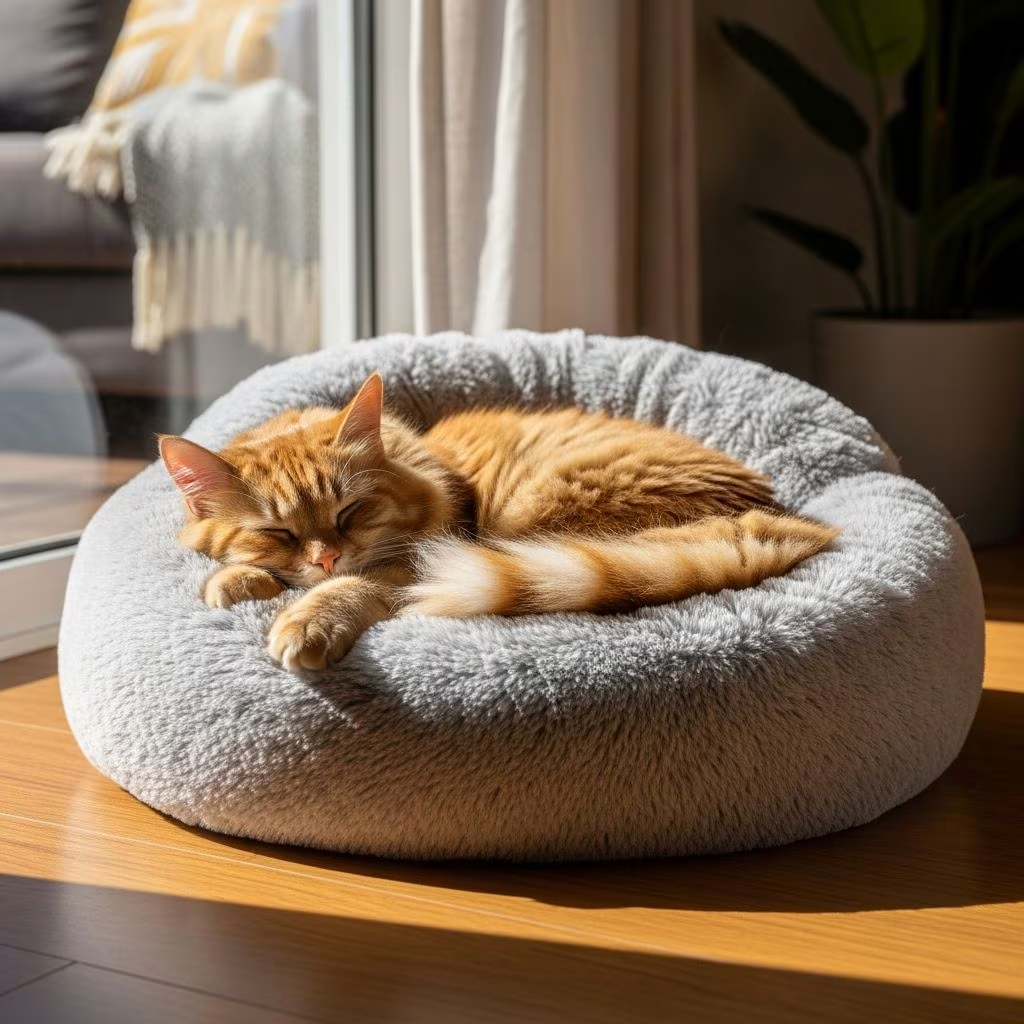
Catnap Approved: How to Choose the Best Cat Bed for Your Pet
Cats are renowned for their love of sleep, and providing them with a comfortable, cozy bed is one of the best ways to support their wellbeing. However, selecting the right cat bed isn’t as simple as picking any cushion off the shelf. Felines can be notoriously picky, and what works wonderfully for one cat may be completely rejected by another. The key to finding the perfect cat bed lies in understanding your cat’s individual preferences while also considering practical factors like age, size, and lifestyle. This comprehensive guide will help you navigate the world of cat beds and find the ideal sleeping solution for your beloved pet.
Understanding Your Cat’s Sleeping Preferences
Before you start shopping for cat beds, it’s important to observe your cat’s natural sleeping habits and preferences. Cats have distinct personalities and comfort requirements that should guide your purchasing decisions. Some cats are naturally drawn to enclosed spaces where they feel secure, while others prefer open designs that allow them to monitor their surroundings. By understanding these preferences, you’ll be better equipped to select a bed that your cat will actually use and enjoy.
Personal Preferences Matter
Every cat is unique, and their sleeping preferences can vary widely. Some cats love to curl up in tight balls, while others prefer to stretch out fully. Cats also have different texture preferences—some enjoy plush, soft materials, while others may prefer firmer, more supportive surfaces. The best way to identify your cat’s preferences is through careful observation. Watch where your cat chooses to nap when given various options. Do they gravitate toward sunny windowsills? Do they hide under furniture or burrow into blankets? These behaviors provide valuable clues about what type of bed your cat will prefer.
Measuring and Sizing: Getting It Just Right
One of the most critical factors in choosing a cat bed is ensuring it’s the right size for your feline friend. A bed that’s too large can make your cat feel exposed and anxious, while one that’s too small won’t provide adequate comfort or space for movement.
How to Measure Your Cat
The best approach to sizing is to measure your cat from nose to tail when they’re in a relaxed position. A good rule of thumb is to select a bed that’s just a few inches longer than your cat’s full length. This allows your cat to stretch out comfortably if they choose to do so, while still maintaining the snug, secure feeling that cats crave. Cats instinctively seek out small, enclosed spaces because these environments make them feel protected and secure.
Size Considerations by Sleeping Style
Your cat’s preferred sleeping position should influence your size selection. Cats who like to curl up into tight balls are comfortable in smaller, nest-style beds with raised sides. These cats may feel overwhelmed by oversized beds and will appreciate the cozy, contained feeling of a smaller option. Conversely, cats who like to sprawl out and stretch during sleep need larger beds that give them room to move. Medium to large rectangular or square beds work well for these cats. Additionally, if you have a large breed cat or a cat that prefers extra space, consider opting for a bed in a larger size category to ensure they have adequate room for comfortable sleeping.
Bed Thickness and Firmness: Finding the Perfect Balance
The thickness and firmness of a cat bed play crucial roles in determining whether your cat will find it comfortable and supportive. Many people assume that softer is always better, but this isn’t necessarily true for cats. The ideal cat bed needs to balance softness with adequate support.
Optimal Thickness Range
Most cat experts recommend looking for beds that are between one to three inches thick. This thickness range provides enough cushioning to be comfortable while maintaining enough firmness to prevent the sinking sensation that some cats dislike. Beds that are too thin may not provide adequate support, particularly for older cats or those with joint issues. Conversely, beds that are excessively thick and overly soft can make cats feel like they’re sinking, which some find unsettling.
Reading Reviews for Firmness Feedback
Since it can be difficult to assess firmness when shopping online, customer reviews are invaluable resources. Look for reviews from other cat owners that specifically mention the bed’s firmness level and comfort. Pay attention to feedback from owners of cats with similar preferences to yours. If you have an older cat or one with orthopedic issues, prioritize reviews that mention supportive qualities and memory foam construction. These materials conform to your cat’s body while providing the support needed for comfortable rest and joint relief.
Materials and Warmth: Creating a Cozy Haven
The material composition of a cat bed significantly impacts its appeal and functionality. Cats naturally crave warmth and comfort, and selecting beds made from appropriate materials can enhance their enjoyment and use.
Popular Cat Bed Materials
Several material options are popular for cat beds, each offering distinct advantages:
- Soft Plush Fabrics: These provide a luxurious feel that many cats love. Plush beds are excellent for cats who enjoy curling up and nesting.
- Faux Sherpa: This material mimics the texture of natural fur and provides exceptional warmth. Sherpa-lined beds are particularly popular for cats who get cold easily.
- Breathable Cotton: Cotton blends are ideal for cats in warmer climates or those who prefer cooler sleeping surfaces without sacrificing comfort.
- Memory Foam: This material provides superior support and conforms to your cat’s body, making it excellent for senior cats or those with joint concerns.
Self-Warming and Heated Options
Cats are heat-seeking creatures by nature, and self-warming or heated cat beds can be exceptionally appealing to them. Self-warming beds use reflective linings that capture and retain your cat’s body heat without requiring electricity. These beds can raise the temperature by several degrees, making them feel luxurious to your feline friend. Alternatively, heated beds with removable heating pads provide consistent warmth and often feature thermostats that activate when your cat settles onto the bed. Heated beds are particularly beneficial for senior cats, kittens, and cats living in cold climates, as they help maintain comfortable body temperature and can ease joint stiffness in aging felines.
Shape and Style: Matching Your Cat’s Sleeping Position
Cat beds come in various shapes and styles, each designed to accommodate different sleeping positions and preferences. Understanding these options will help you narrow down your choices.
Round and Donut-Style Beds
Round beds, particularly those with raised edges or “donut” designs, are among the most popular choices for cat beds. These beds appeal to cats’ instinctive need to curl up in tight circles while sleeping. The raised bolster edges provide a comfortable place for cats to rest their heads and necks, and the enclosed design creates a sense of security that many cats appreciate. Donut-shaped beds are especially popular for cats who like to snuggle against the sides of their beds.
Square and Rectangular Beds
Square and rectangular beds work well for cats who prefer to stretch out while sleeping. These designs provide ample surface area for cats to extend their full length and adjust their position freely. Some cats instinctively prefer these shapes because they offer more flexibility in how they position their bodies during rest.
Cave and Covered Beds
Covered beds or “cave” style beds feature a hood or enclosed design that creates a private retreat for your cat. These beds are ideal for shy cats, anxious cats, or those who simply enjoy privacy while sleeping. The enclosed environment makes cats feel secure and protected, and these beds can be particularly helpful for multi-cat households where one cat needs a quiet escape space. Many cats find the combination of enclosure and darkness to be the perfect environment for deep, restorative sleep.
Elevated Beds
Elevated cat beds keep your feline off the ground and can be beneficial for multiple reasons. They’re perfect for cats who like to observe their environment from high vantage points, and they’re especially useful for senior cats and kittens who struggle with climbing or accessing higher spaces. Elevated beds also provide better air circulation and keep cats away from cold floor drafts, making them comfortable year-round.
Bolster Beds
Bolster beds feature raised edges on one or more sides that provide excellent support for your cat’s head and neck. Cats instinctively enjoy snuggling against these raised sides, which gives them a sense of security and support. Bolster beds are particularly beneficial for cats who like to rest their heads while sleeping and can provide excellent support for senior cats with joint or neck issues.
Special Considerations: Age and Health
Your cat’s age and health status should significantly influence your bed selection. Different life stages and health conditions have different comfort and support requirements.
Senior Cats
Older cats often develop arthritis, joint stiffness, and other age-related conditions that affect their comfort while sleeping. For senior cats, prioritize beds with orthopedic support, memory foam construction, and heated features. These elements help ease joint pain, maintain body temperature, and provide the extra support older cats need for comfortable rest. Orthopedic beds with bolstered edges are particularly beneficial, as they reduce stress on aging joints while providing comfortable head and neck support.
Kittens
Young kittens benefit from smaller, cozy beds that make them feel secure as they adjust to their new environment. Elevated beds can be challenging for very young kittens, so wait until they’re older and more coordinated before introducing elevated options. Kittens also tend to run hot, so avoid overly heated beds and opt for breathable materials instead.
Cats with Health Issues
If your cat has specific health conditions, choose beds that support their medical needs. Cats with urinary issues may benefit from beds with water-resistant bottoms for easy cleaning. Cats with mobility issues may need lower-profile beds that are easier to access. Always consult with your veterinarian about the best bed options for your cat’s specific health concerns.
Practical Features: Easy Maintenance and Safety
Beyond comfort, consider practical features that will make cat bed ownership easier for you as a pet owner.
Washability and Cleaning
Look for cat beds with removable, machine-washable covers or those that can be easily cleaned. Regular washing helps maintain hygiene, eliminate odors, and extend the bed’s lifespan. Beds with water-resistant bottoms are particularly practical, as they protect against accidents and spills while making cleanup simple.
Non-Skid Bottoms
Beds with non-skid or rubberized bottoms stay in place even during your cat’s energetic pre-nap routines, such as the infamous “dough kneading” behavior. This prevents the bed from sliding across floors and potentially injuring your cat or damaging your flooring.
Durability and Construction Quality
Invest in beds made from quality materials and construction. Check seams, zippers, and fabric durability in customer reviews. A well-made bed will maintain its shape, comfort, and appearance for years, making it a worthwhile investment in your cat’s comfort.
Frequently Asked Questions About Cat Beds
Q: What type of cat beds do cats like best?
A: Cats tend to prefer beds that feel secure, soft, and warm. Many love plush materials and round or nest-style beds that allow them to curl up comfortably. Elevated or cave-style beds are also appealing, especially for cats who enjoy cozy, enclosed spaces that provide privacy and security.
Q: How do I choose the right size for a cat bed?
A: Measure your cat from nose to tail and add a few extra inches for wiggle room. A good rule of thumb is to select a bed that’s just a few inches longer than your cat’s full length. Cats who like to curl up may prefer smaller, nest-style beds, while cats who stretch out need larger options.
Q: Do cats prefer round or square beds?
A: Many cats instinctively curl up to sleep, making round beds a popular choice. However, some cats enjoy stretching out or sprawling, so a square or rectangular bed may suit them better. The best approach is to observe your cat’s sleeping style and select a bed shape that matches their natural preferences.
Q: Do cats prefer open or closed beds?
A: This depends on individual cat preferences. Some cats prefer open beds for easy access and better airflow, while others gravitate toward enclosed or hooded beds for added privacy and security. Shy or easily startled cats particularly benefit from more enclosed designs that help them feel protected and secure.
Q: Are orthopedic cat beds worth the investment?
A: Yes, especially for senior cats or those with joint issues. Orthopedic beds with memory foam, egg-crate foam, or thick supportive padding conform to your cat’s body and provide optimal support. These beds can significantly improve comfort and help ease pain associated with arthritis and other age-related conditions.
Q: How often should I wash my cat’s bed?
A: Wash your cat’s bed at least once a month, or more frequently if your cat has accidents or if the bed becomes visibly soiled. Regular washing maintains hygiene, eliminates odors, and extends the bed’s lifespan. Always follow the manufacturer’s care instructions for best results.
Conclusion: Creating Your Cat’s Perfect Sleep Space
Choosing the best cat bed for your pet requires thoughtful consideration of multiple factors, from your cat’s individual personality and sleeping style to practical concerns like size, materials, and maintenance. By taking time to understand your cat’s preferences and evaluating beds based on the criteria outlined in this guide, you’ll be well-equipped to find a bed that your cat will love and use regularly. Remember that cats appreciate variety and may enjoy having multiple bed options in different locations throughout your home. The investment in a high-quality, comfortable cat bed pays dividends in the form of a happy, well-rested feline companion. With the perfect bed in place, your cat can enjoy the deep, restorative sleep they need while you have the satisfaction of knowing you’ve provided them with a comfortable, secure haven for their daily naps.
References
- Catnap Approved: How to Choose the Best Cat Bed for Your Pet — Chewy. 2025. https://www.chewy.com/education/cat/general/catnap-approved-how-to-choose-the-best-cat-bed-for-your-pet
- Best Cat Beds, According to Chewy Cat Parents — Chewy. 2025. https://www.chewy.com/education/cat/health-and-wellness/best-cat-beds
- Cat Beds and Mats — Chewy. 2025. https://www.chewy.com/b/beds-425



