How To Choose the Best Automatic Fish Feeder
Find the perfect automatic fish feeder for your aquarium with our comprehensive buying guide.
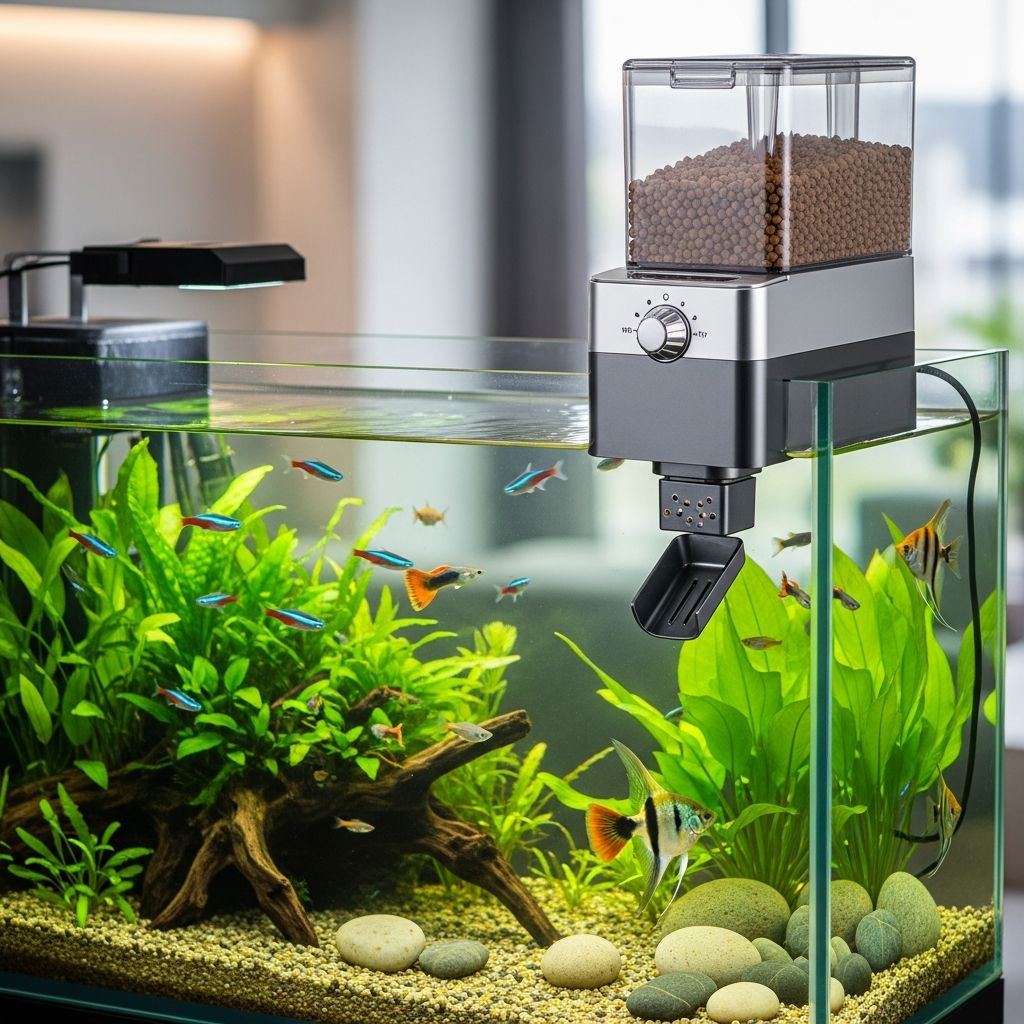
How To Choose the Best Automatic Fish Feeder for Aquariums
Automatic fish feeders have become essential tools for modern aquarium hobbyists, offering convenience and consistency in feeding routines. Whether you’re planning a vacation, maintaining a demanding schedule, or simply seeking to optimize your fish’s nutrition, selecting the right automatic feeder can make a significant difference in your aquarium’s health and stability. This comprehensive guide will help you understand the different types of feeders available, evaluate key features, and make an informed decision that suits your specific aquarium setup and lifestyle.
Understanding Automatic Fish Feeders
Automatic fish feeders are electric or electronic devices designed to dispense predetermined amounts of food to your aquarium fish at regular intervals. These devices have evolved significantly since their introduction, incorporating advanced features and improved reliability. Modern feeders offer aquarists the ability to maintain consistent feeding schedules, prevent overfeeding, and ensure their fish remain properly nourished even during extended periods away from home.
The primary purpose of an automatic feeder is to eliminate guesswork from the feeding process. By delivering precise portions at scheduled times, these devices help maintain optimal water quality and fish health. They’re particularly valuable for aquarists who maintain complex feeding schedules or have specific dietary requirements for their fish species.
Types of Automatic Fish Feeders
Understanding the different types of automatic feeders available helps you identify which option best matches your aquarium’s needs and your personal preferences.
Hopper-Based Feeders
Hopper-based feeders are the most common type available on the market today. These devices feature a rotating hopper mechanism that dispenses food at predetermined intervals. The hopper holds dry food such as flakes or pellets, and a timer controls how frequently the hopper rotates and how much food is released with each rotation. Most hopper-based feeders are mounted on the aquarium wall using clamps or suction cups, positioning them just above the waterline.
Multiple-Chamber Feeders
Multiple-chamber feeders offer enhanced flexibility for aquariums requiring varied nutrition. These feeders contain several individual compartments, each capable of holding different types of food. The rotating mechanism delivers food from each chamber in sequence, allowing you to provide mixed diets without requiring multiple feeders. This design is particularly beneficial for community tanks where different species have varying dietary needs.
Cordless and Rechargeable Options
Modern cordless feeders eliminate the need for electrical outlets near your aquarium. These battery-powered or rechargeable models offer greater placement flexibility and reduce cable clutter around your tank setup. Many aquarists appreciate the convenience of rechargeable feeders, though they require regular charging maintenance.
Key Features to Consider
When evaluating automatic fish feeders, several important features should influence your purchasing decision.
Programmable Timer Functions
The quality of the timer mechanism directly impacts feeding consistency. Premium feeders offer multiple feeding times per day, allowing you to create customized schedules that match your fish’s natural feeding patterns. Look for feeders with intuitive programming interfaces and reliable timekeeping accuracy.
Portion Control
Precise portion control prevents both overfeeding and underfeeding. Quality feeders allow you to adjust the amount of food dispensed with each feeding cycle, typically through variable settings or removable compartments. Since fish should receive only what they can consume in 3-5 minutes, accurate portion control is essential for maintaining water quality and fish health.
Food Type Compatibility
Different feeders accommodate different food types with varying effectiveness. Most feeders handle flake and pellet foods reliably, but quality varies regarding freeze-dried options. Verify that your chosen feeder is compatible with the specific food types your fish require. Multiple-chamber models provide superior versatility for varied diets.
Mounting System Quality
Reliable mounting is crucial for stable operation. Feeders typically use hooks, brackets, or suction cups for attachment. Consider your tank’s rim thickness and material when evaluating mounting options. Suction cups work well for standard glass tanks, while clamps provide better stability for thicker rims or custom enclosures.
Moisture Protection
Water exposure can damage feeder mechanisms and spoil food quality. Choose feeders with sealed food containers and moisture-resistant components. Quality designs prevent humidity and water splash from compromising food integrity or electrical components. This feature becomes particularly important in high-humidity environments or for outdoor pond feeders.
Evaluating Food Quality and Storage
Proper food storage within the feeder directly impacts your fish’s nutrition. Moisture infiltration can cause food to clump, preventing proper dispensing and potentially causing feeder malfunction. Additionally, mold growth and food degradation occur when moisture compromises the food container. Before purchasing, verify that your chosen feeder maintains a proper seal and includes provisions for long-term food freshness. For outdoor or high-humidity setups, consider feeders with protective covers or shields that block direct moisture exposure and harmful UV radiation.
Capacity and Refill Frequency
Evaluate the feeder’s hopper capacity based on your typical vacation length and daily feeding requirements. Larger capacity feeders require less frequent refilling, making them ideal for extended trips. However, smaller hoppers may be preferable if you prefer fresh food or maintain varied feeding schedules. Balance capacity against your practical needs and space constraints.
Advantages of Using Automatic Feeders
Automatic feeders provide numerous benefits that make them valuable additions to many aquarium setups:
Consistency and Precision
Automatic feeders eliminate human error from the feeding process. They deliver consistent portions at precise intervals, preventing the accidental overfeeding that commonly occurs with manual feeding. This consistency supports stable water parameters and optimal fish health.
Travel Flexibility
Perhaps the most significant advantage is the ability to leave your aquarium unattended without concern. Whether traveling for days or managing a busy schedule, automatic feeders ensure your fish receive proper nutrition during your absence, eliminating the need to impose on friends or neighbors.
Health Benefits
For fish with specific dietary needs, automatic feeders provide significant health advantages. Diabetic fish and those requiring frequent small meals benefit from the precision scheduling that automatic feeders provide. Regular, appropriate feeding supports better overall health outcomes.
Overconsumption Prevention
Automatic feeders prevent the overeating that can occur with manual feeding. By controlling portion sizes and feeding frequency, these devices help maintain optimal fish weight and water quality, reducing waste accumulation and filter stress.
Potential Drawbacks and Limitations
While automatic feeders offer significant advantages, understanding their limitations helps you make an informed decision.
Mechanical Failures
Equipment malfunction represents a real concern with automatic feeders. Lower-quality models are prone to jamming, dispensing excessive food, or failing to dispense at all. Food may become stuck in the hopper or filter, potentially causing system damage and nutrient deprivation for your fish.
Loss of Personal Interaction
Manual feeding provides valuable daily interaction with your fish. This routine allows you to observe feeding behavior, assess appetite changes, and monitor overall health. Automatic feeders may diminish this important connection and reduce your ability to quickly identify health issues.
Behavioral Changes and Feeding Frenzies
Fish quickly learn feeder patterns, often responding to timer sounds or mechanical movements. This conditioning can create feeding frenzies when food is dispensed, resulting in excessive splashing, uneaten food, and water quality problems. The predictability of automatic feeding can alter natural feeding behaviors.
Food Degradation
Moisture exposure causes food clumping and mold growth within the feeder. Humidity and proximity to water accelerate spoilage, reducing nutritional value and potentially introducing contaminants. Long-term storage of food in feeders requires careful attention to preservation conditions.
Inflexibility with Changing Needs
Automatic feeders cannot adjust to changing fish requirements over time. Fish dietary needs evolve as they grow or experience seasonal changes. Feeders fixed to predetermined amounts and schedules lack the adaptability of manual feeding to address these shifting requirements.
Choosing Between Automatic and Manual Feeding
The decision between automatic and manual feeding depends on your specific circumstances and priorities.
Best Uses for Automatic Feeders
Automatic feeders are ideal for aquarists planning extended vacations or those maintaining complex feeding schedules. They’re particularly valuable if you frequently travel, maintain multiple tanks, or have fish with specific nutritional requirements. If you struggle with feeding consistency or find yourself away from your aquarium regularly, an automatic feeder can be an excellent solution.
When Manual Feeding Remains Preferable
For daily care routines, manual feeding typically remains the better choice. It maintains the therapeutic interaction with your fish, allows real-time health monitoring, and provides flexibility to adjust portions based on observed appetite and behavior. Many experienced aquarists reserve automatic feeders as vacation-specific tools rather than daily solutions.
Installation and Setup Considerations
Proper installation directly impacts feeder performance and reliability. Ensure your chosen feeder’s mounting system matches your aquarium’s specifications, particularly regarding rim thickness and material composition. Position the feeder to deliver food where your fish naturally feed, avoiding areas prone to dead spots or excessive current. Verify that all electrical connections remain protected from water exposure, and test the feeder thoroughly before relying on it for actual feeding duties.
Maintenance and Care Tips
Regular maintenance extends your feeder’s lifespan and ensures consistent performance. Clean the hopper and feeding mechanism regularly to prevent food residue buildup. Replace batteries or recharge cordless units according to manufacturer recommendations. Periodically test the timer function and portion control to verify accuracy. Store replacement food in a cool, dry location away from direct sunlight to maintain nutritional value.
Frequently Asked Questions
Q: How much food should an automatic feeder dispense with each cycle?
A: The general guideline is to dispense only what your fish can consume in 3-5 minutes per feeding. Start conservatively and adjust based on observation of how much food your fish actually eat during each cycle.
Q: Can automatic feeders handle all types of fish food?
A: Most feeders handle flake and pellet foods effectively, and many accommodate freeze-dried options. However, they cannot dispense frozen or live food. Multiple-chamber feeders offer the best versatility for mixed diets.
Q: How often should I refill my automatic feeder?
A: Refill frequency depends on your feeder’s capacity, feeding schedule, and how long you’ll be away. For short trips, refill before departure. For daily use, maintain fresh food by refilling at least weekly to ensure food quality.
Q: Will my fish get used to the automatic feeder schedule?
A: Yes, fish quickly learn feeder patterns and timing. This conditioning can create feeding anticipation and frenzies. While this is generally not harmful, be aware that your fish’s behavior will change accordingly.
Q: What should I do if my automatic feeder jams?
A: Stop using the feeder immediately and perform manual feeding. Clean the feeder thoroughly to remove any stuck food or debris. If jamming continues, consider upgrading to a higher-quality model designed to prevent such issues.
Q: Can I use an automatic feeder for outdoor pond fish?
A: Standard aquarium feeders aren’t ideal for outdoor use due to weather exposure. However, specialized pond feeders designed for outdoor conditions are available, and some include fish-activated dispensers for larger koi ponds.
Conclusion
Selecting the right automatic fish feeder requires careful consideration of your aquarium’s specific needs, your lifestyle, and your feeding philosophy. By understanding the available types, evaluating key features, and honestly assessing your priorities, you can choose a feeder that enhances your aquarium experience rather than complicating it. Whether you opt for a premium multiple-chamber feeder or a simple timer-based model, ensure that your choice supports both your fish’s health and your peace of mind. Remember that automatic feeders function best as tools for specific situations—extended travel, complex schedules—rather than replacements for the valuable daily interaction of manual feeding.
References
- The Pros and Cons of Using an Auto Feeder in Your Aquarium — Natural Environment Aquatix. 2024. https://naturalenvironmentaquatix.com/blogs/the-fish-tank-blog/the-pros-and-cons-of-using-an-auto-feeder-in-your-aquarium
- Aquarium fish feeder — Wikimedia Foundation. 2024. https://en.wikipedia.org/wiki/Aquarium_fish_feeder
Similar Articles








Read full bio of Sneha Tete