

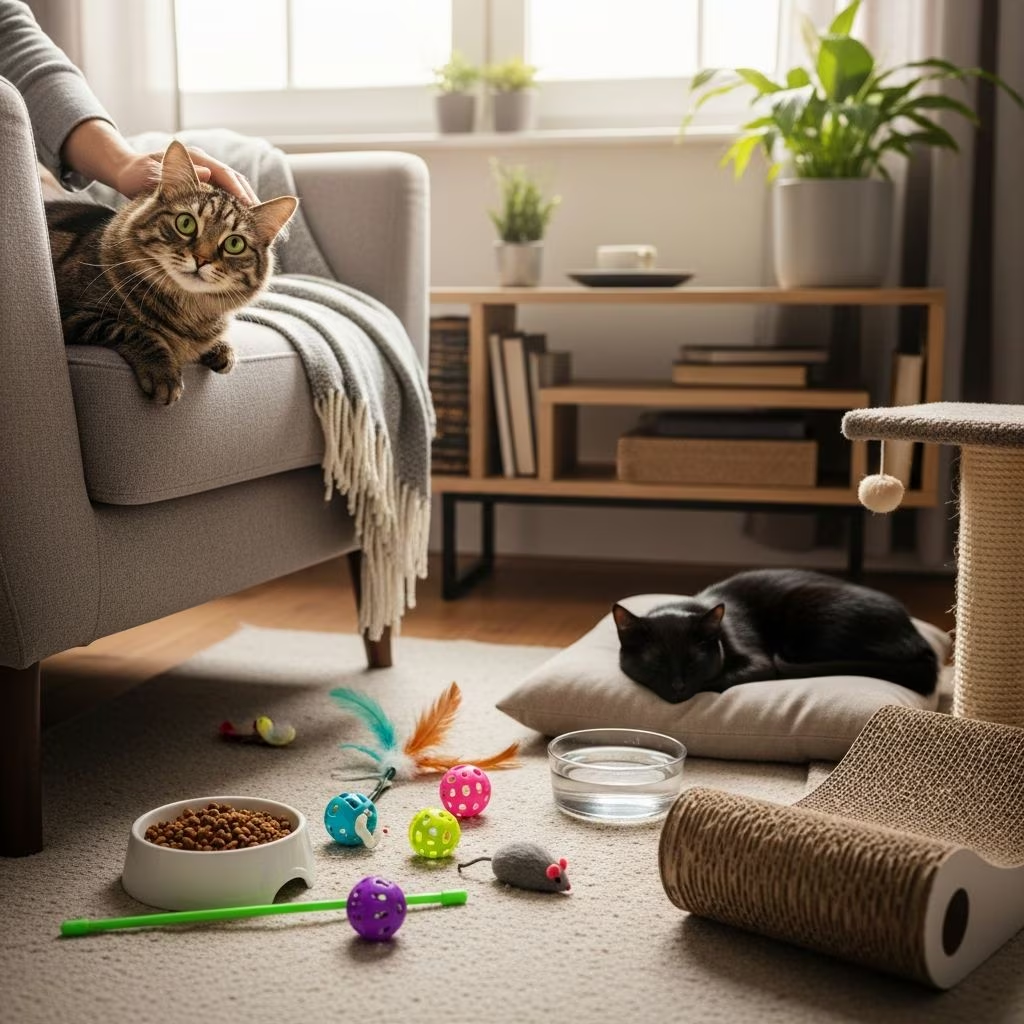
How to Cat Sit: A Complete Guide to Professional Feline Care
Cat sitting is far more than simply placing food in a bowl and scooping the litter box. It requires a comprehensive understanding of feline behavior, nutritional needs, environmental preferences, and emergency protocols. Whether you’re a professional pet sitter, a friend helping out, or a cat owner preparing for your feline’s care, mastering the art of cat sitting ensures your whiskered companion remains happy, healthy, and secure in their familiar environment. This guide covers everything you need to know to become an exceptional cat sitter.
Understanding the Fundamentals of Cat Sitting
Cat sitting differs significantly from dog sitting or other pet care services. Cats are creatures of habit and preference, thriving in consistent environments with minimal disruption to their daily routines. Unlike dogs that often enjoy novelty and new experiences, cats are sensitive to environmental changes and may experience stress when their normal patterns are disrupted. The primary goal of cat sitting is to maintain continuity in your cat’s life while their owner is away, preserving their sense of security and wellbeing.
Professional cat sitting keeps felines in their safe, comfortable home environment rather than relocating them to boarding facilities. This approach significantly reduces stress and behavioral issues that can arise from unfamiliar surroundings. A skilled cat sitter acts as a temporary guardian, maintaining feeding schedules, litter box cleanliness, play routines, and emotional support throughout the owner’s absence.
Pre-Sitting Preparation and Planning
Successful cat sitting begins long before the owner departs. Thorough preparation ensures the sitter has all necessary information and the cat is gradually accustomed to their caregiver’s presence.
Creating a Welcome Guide and Checklist
The foundation of excellent cat sitting is a comprehensive welcome guide prepared by the cat owner. This document should include:
- Emergency contact information with veterinary clinic details, address, phone number, and office hours
- Authorization letter for veterinary treatment by the pet sitter’s name
- Pet parent’s contact details and preferred communication methods
- Backup emergency contacts (family members, trusted friends)
- Complete list of house rules and security protocols
- Detailed cat routine and behavioral information
- Inventory of all supplies with locations
Meet and Greet Sessions
Before the actual sitting period begins, arrange at least one meet-and-greet visit where the sitter meets the cat and owner in the home. During this crucial interaction, gather essential information about:
- The cat’s personality, temperament, and behavioral quirks
- Favorite hiding spots, sleeping areas, and play preferences
- Interaction preferences (likes being petted on the head, dislikes belly rubs, sensitive to loud noises)
- Any fears, anxieties, or stress triggers (vacuum sounds, certain rooms, strangers)
- Health conditions, medications, and dietary restrictions
- Signs of illness or distress the sitter should recognize
Meeting the cat before care begins allows them to become familiar with the sitter’s presence, voice, and mannerisms. This early bonding significantly reduces stress during the actual sitting period.
Feeding and Nutrition Management
Proper feeding is critical to maintaining your cat’s health and satisfaction during their owner’s absence.
Detailed Feeding Instructions
The welcome guide should specify:
- Type of food (dry kibble, wet food, raw, or combination)
- Specific brand and flavor preferences
- Feeding schedule (breakfast, lunch, dinner, or other times)
- Exact portion sizes for each meal
- Location where food is stored
- Whether treats are permitted and daily allowance limits
- Forbidden foods and dangerous substances (chocolate, certain human foods)
- Any prescription diet or food allergy information
Water and Hydration
Ensure fresh water is always available. Check whether the cat uses a standard water bowl or prefers a water fountain, and change water daily to maintain freshness. Some cats prefer running water and may drink more from fountains, supporting overall hydration and kidney health.
Supply Stockpiling
Before departure, the owner should provide sufficient food to last the entire sitting period, plus extra as a buffer for unexpected delays or emergencies. Store backup supplies in obvious locations with clear labels indicating quantities and feeding instructions.
Litter Box Management and Hygiene
Maintaining a clean litter box is essential for your cat’s wellbeing and prevents behavioral issues like inappropriate elimination.
Litter Box Basics
The welcome guide should document:
- Exact locations of all litter boxes
- Type of litter used (clay, crystal, natural, etc.)
- Scooping frequency (typically at least once daily, preferably twice)
- Full litter change schedule (often weekly, depending on usage)
- Whether the cat prefers covered or uncovered boxes
- Proper waste disposal methods and locations for waste containers
Litter Box Cleanliness Protocol
Cats are fastidious animals and may refuse to use soiled litter boxes. Daily scooping removes clumped waste and urine, maintaining hygiene standards. Many cats develop preferences over time—some avoid freshly cleaned boxes or dislike covered designs. The sitter should note individual preferences and accommodate them accordingly. Provide adequate litter supplies, including scoops, liners, and disposal bags, to ensure the sitter has everything needed for the duration of care.
Creating a Comfortable and Safe Environment
A secure, comfortable home environment reduces stress and prevents accidents or escapes.
Maintaining Established Routines
Cats thrive on consistency and predictability. The sitter should maintain the cat’s established routine as closely as possible, including regular feeding times, play sessions, and quiet periods. Consistency in timing and activities provides security and emotional comfort, especially during the owner’s absence.
Comfort Items and Calming Tools
Create designated quiet areas where cats can retreat if feeling overwhelmed. Provide cozy hiding spots, comfortable bedding, and comfort items like an unwashed shirt or blanket with the owner’s scent. For anxious or particularly sensitive cats, consider pheromone diffusers, white noise machines, or calming supplements to maintain emotional balance during the separation.
Home Safety and Security
Before the owner departs, ensure the home is secure with no escape routes or hazards:
- Block gaps in fences, basements, or attics
- Verify all gates are secure and functioning properly
- Check cat doors are working correctly and set appropriately
- Securely lock away dangerous substances (yard chemicals, pesticides, medications, chocolate)
- Close doors to rooms the cat shouldn’t access
- Ensure windows are secure and screens are intact
Building Trust and Bonding With Your Feline Charge
Establishing a strong bond creates a positive experience for both sitter and cat, improving the cat’s emotional wellbeing during separation.
Respectful Interaction Techniques
Approach the cat calmly and respectfully, allowing them to initiate contact on their own terms. Get down to their level by sitting or lying on the floor—this non-threatening posture builds trust and respect. Cats perceive direct eye contact as aggressive, so use the slow blink technique: slowly close and open your eyes while looking at the cat. This feline communication method signals trust and affection.
Gentle Handling and Petting
Learn the cat’s individual petting preferences by observing their body language and responses. Use gentle, slow strokes in preferred areas (often the head, cheeks, and chin). Respect boundaries immediately—if the cat shows signs of discomfort (tail swishing, ear flattening, skin twitching, or moving away), cease petting and give them space. Never force interaction; respecting the cat’s boundaries builds long-term trust.
Interactive Play Sessions
Engage cats in daily play sessions using toys that mimic natural hunting behavior, such as feather wands, laser pointers, or interactive toys. Play provides mental stimulation, physical exercise, and emotional enrichment. Regular play sessions also strengthen the bond between sitter and cat, creating positive associations with the caregiver’s presence.
Health Monitoring and Medication Administration
Vigilant health monitoring ensures early detection of problems, preventing minor issues from becoming emergencies.
Recognizing Signs of Illness
The sitter should understand normal behavior for the specific cat and recognize warning signs of illness, including:
- Changes in appetite or water consumption
- Vomiting or diarrhea
- Unusual lethargy or excessive sleeping
- Difficulty using the litter box or changes in elimination patterns
- Discharge from eyes, nose, or ears
- Labored breathing or coughing
- Behavioral changes or aggression
Medication Administration
If the cat requires medications, the owner should provide clear written instructions with:
- Medication name, purpose, and dosage
- Administration method (oral tablet, liquid, injection, topical)
- Specific timing and frequency
- Food interactions (whether to give with food or on empty stomach)
- Potential side effects to monitor
- Storage requirements
The sitter should confirm understanding before the owner departs and practice administration methods if necessary.
Emergency Protocols and Crisis Management
Preparedness for emergencies ensures rapid response and minimizes complications.
Emergency Contact Information
The welcome guide must clearly document emergency contacts with details for:
- Primary veterinarian with office hours and after-hours emergency number
- Emergency veterinary clinic location and phone number
- Pet owner’s primary phone and email
- Designated backup emergency contacts (family members, trusted friends)
- Specific authorization for veterinary treatment if owner cannot be reached
Emergency Carriers and Transportation
Ensure the sitter knows the location of pet carriers and can transport the cat safely to emergency veterinary care. Keep carriers in accessible locations, never locked away. If the cat needs emergency transport, the sitter should move quickly and calmly, allowing the cat time to enter the carrier voluntarily if possible, or gently placing them inside if necessary.
Preparing the Cat and Home Before the Owner Departs
Strategic preparation significantly reduces stress for both cat and sitter.
Week Before Departure
The owner should:
- Schedule veterinary check-ups if needed
- Update vaccinations and flea prevention treatments
- Arrange multiple introductions between cat and sitter if possible
- Stock supplies and verify everything is available
- Complete the welcome guide with all necessary details
Day Before Departure
The owner should:
- Thoroughly clean the house and remove trash and perishable items
- Free up wardrobe and bathroom space for the sitter’s use
- Verify WiFi is working properly
- Securely lock away dangerous substances
- Close doors to restricted rooms with clear notes
- Place all supplies and handover notes in obvious locations
- Provide spare keys in clearly marked locations
Day of Departure
Complete a final walkthrough with the sitter, demonstrating locations of all supplies, food, medications, and emergency information. Explain the cat’s routine and answer all questions thoroughly.
Getting Started as a Professional Cat Sitter
For those interested in cat sitting as a service or side business, starting strategically ensures success.
Building Experience
Begin by pet sitting for friends, family members, and neighbors with cats you already know. This approach allows you to develop skills without pressure, gather references, and determine if cat sitting aligns with your interests and abilities. Some sitters choose to charge for family and friend services, while others volunteer initially to gain experience.
Professional Development
As you gain experience, consider obtaining pet first aid and CPR certification, building references from satisfied clients, and establishing clear rates and service policies. Maintain detailed records of each cat’s preferences, routines, and medical information for future reference.
Frequently Asked Questions About Cat Sitting
Q: How often should a cat sitter visit?
A: Most cats benefit from at least one daily visit, though some require twice-daily visits if they need multiple meals or medications. Some sitters provide multiple visits to maintain routine and emotional support.
Q: Should I leave multiple litter boxes for the sitter to manage?
A: Yes, having multiple litter boxes (ideally one per cat, plus one extra) provides options and reduces stress. This also helps the sitter manage cleanliness more effectively.
Q: How can I reduce my cat’s anxiety about a new sitter?
A: Schedule multiple meet-and-greet visits before the sitting period begins, allow the cat to set the pace for interactions, and maintain consistent routines. Some owners leave an article of their own clothing for comfort.
Q: What should I do if my cat refuses to eat for the sitter?
A: Ensure detailed feeding instructions are provided, leave favorite foods and treats available, and allow extra time for the cat to adjust. Contact the veterinarian if the cat refuses food for more than 24 hours.
Q: Is it safe to give cats medications, and what training do sitters need?
A: Pet sitters can administer medications with clear instructions and practice before the owner departs. The owner should demonstrate the correct technique and answer all questions to ensure proper administration.
Q: How should a sitter handle an emergency?
A: Contact the owner immediately, then contact the veterinarian if instructed. Have emergency clinic information and authorization for treatment documented in advance to ensure rapid response.
References
- The Ultimate Guide to Cat Sitting: Ensuring Purr-fect Care for Your Feline Friend — Meowtel. 2024. https://meowtel.com/blog/post/the-ultimate-guide-to-cat-sitting-ensuring-purr-fect-care-for-yo
- The Ultimate Cat Sitter Checklist — Trusted House Sitters. 2024. https://www.trustedhousesitters.com/blog/owners/cat-sitter-checklist/
- The Ultimate Cat Sitting Checklist — BeLoved Pet Sitting. 2024. https://www.belovedpetsit.com/the-ultimate-cat-sitting-checklist/
- The Ultimate Cat Sitter Checklist: Complete Care Guide — Pet Watch App. 2024. https://petwatchapp.com/blog/the-ultimate-cat-sitter-checklist/
- Preparing for the Unexpected: Essential Pet Sitter Instructions — American Animal Hospital Association (AAHA). 2024. https://www.aaha.org/resources/preparing-for-the-unexpected-essential-pet-sitter-instructions/
- How to Become a Cat Sitter: 10 Tips & Ideas for Beginners — World’s Best Cat Litter. 2024. https://www.worldsbestcatlitter.com/blog/how-to-be-a-cat-sitter-a-beginners-guide/



