

How to Cat-Proof Your Christmas Tree: Complete Holiday Safety Guide
The holiday season brings joy, festive decorations, and quality time with family—including our beloved cats. However, Christmas trees can present significant hazards to curious felines who are attracted to the shimmering ornaments, dangling lights, and tempting tinsel. A cat-proofed Christmas tree allows you to enjoy the holiday spirit while keeping your furry friend safe from potential injuries and health risks. With proper planning and strategic decorating, you can create a beautiful holiday display that won’t endanger your cat.
Selecting the Right Christmas Tree
Your choice of tree significantly impacts how easily you can cat-proof your holiday display. The type of tree you select will influence the specific safety measures you’ll need to implement throughout the season.
Real vs. Artificial Trees
When deciding between a real and artificial tree, consider your cat’s safety first. Real Christmas trees shed pine needles that can be hazardous if ingested by cats. These needles can pose serious health risks, potentially causing gastrointestinal blockages or other complications. Artificial trees eliminate this risk entirely, making them an excellent choice for cat owners. Additionally, artificial trees offer the benefit of being reusable year after year, providing long-term value and consistent safety.
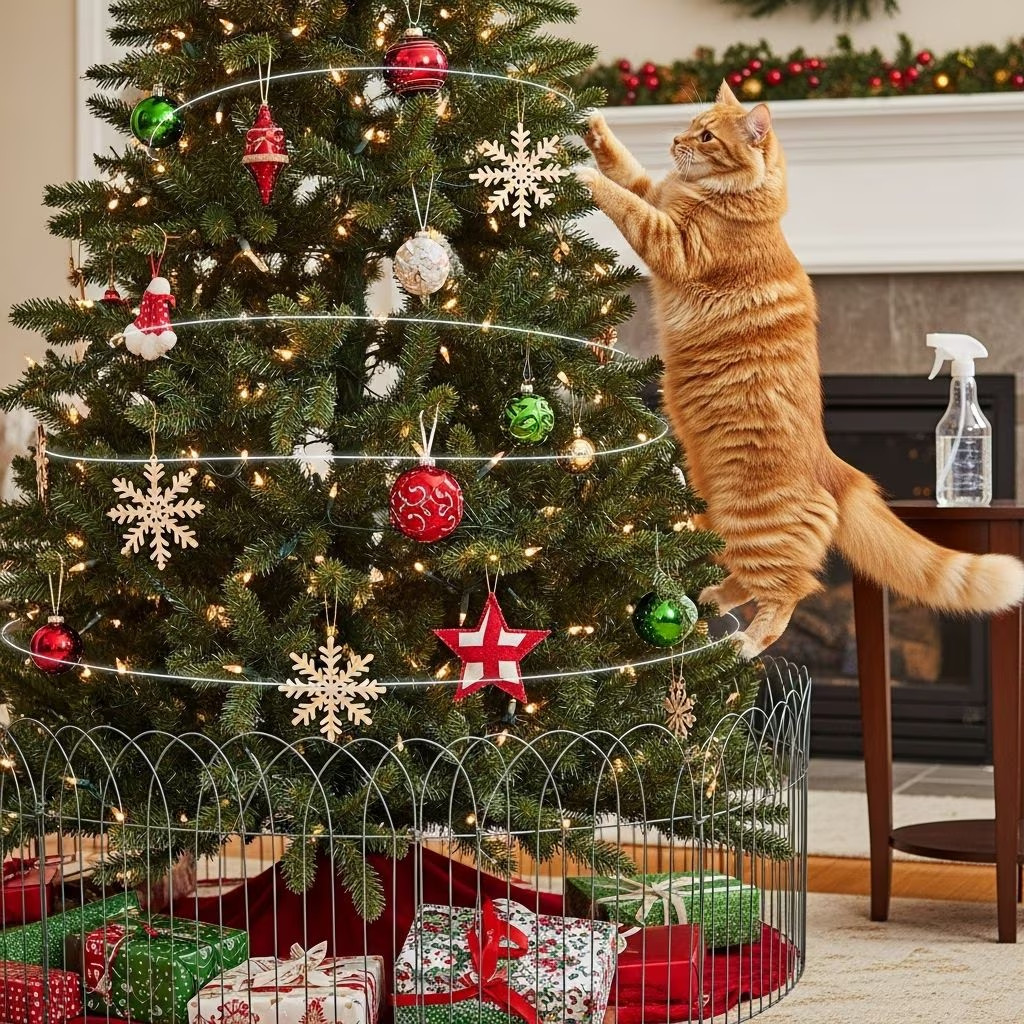
If you prefer the aesthetic and aroma of a real tree, take extra precautions to prevent your cat from chewing or ingesting needles. Regularly vacuum fallen needles and consider placing a physical barrier around the tree base.
Tree Size and Stability
Choosing a smaller tree reduces the risk of serious injury if your cat manages to knock it over. Compact trees are also easier to decorate, monitor, and clean up after the holidays. More importantly, ensure your tree has an exceptionally sturdy base. Cats are natural climbers and jumpers who will test your tree’s stability. A heavy, weighted base is essential for preventing toppling.
For added security, consider anchoring your tree to the wall using sturdy wire or fishing line near the top. This professional-grade stabilization method ensures your tree remains upright even if a determined cat attempts to climb it.
Tree Placement and Environmental Setup
Where you position your Christmas tree matters significantly when protecting cats from holiday hazards.
Location Considerations
Place your tree away from furniture that could serve as a launching pad for climbing cats. Sofas, tables, bookshelves, and other elevated furniture give cats the advantage of height and momentum to leap onto your tree. By clearing the area around your tree and removing these jumping platforms, you reduce the temptation and opportunity for your cat to interact with decorations.
Consider setting up your tree in a room where you can close the door, allowing you to restrict your cat’s unsupervised access. Alternatively, you can install a pet gate around the tree’s perimeter, creating a physical barrier that prevents your cat from reaching decorations when you’re unable to monitor the area.
Tree Water Protection
Real trees require water to stay fresh throughout the season. However, tree water can be toxic to cats and may contain harmful bacteria, pesticides, or preservatives. Always cover the tree stand completely with a tree skirt, and place wrapped presents on top of the skirt to further discourage drinking. This dual-layer approach makes it virtually impossible for your cat to access potentially poisonous water.
Using Natural Deterrents
Cats have strong olfactory senses and naturally avoid certain smells. Leveraging these preferences provides an effective, chemical-free way to discourage tree interactions.
Citrus-Based Deterrents
Most cats dislike citrus scents, making them excellent natural deterrents. Place fresh orange or lemon peels in waterproof dishes around the tree base, or secure plastic bags filled with citrus peels to the tree’s lower branches. You can also apply citrus-scented sprays to the trunk and base, though test these products on a small area first to ensure they won’t damage your tree or flooring.
For a homemade option, soak pine cones in apple cider vinegar and arrange them around the tree base. This combination of scents creates a potent deterrent that encourages cats to keep their distance.
Aluminum Foil Protection
Cats strongly dislike the texture and sensation of aluminum foil on their paws. Wrapping your tree trunk in foil creates a sensory barrier that most cats will instinctively avoid. This simple, non-toxic method is particularly effective for discouraging climbing and trunk-scratching behaviors.
Commercial Deterrent Products
Pet supply stores carry numerous cat deterrent sprays and granules specifically designed for holiday use. These products often combine multiple scents that cats find unpleasant. Follow product instructions carefully, and choose options that are pet-safe and won’t damage your tree or decorations.
Strategic Ornament Placement and Selection
The decorations you choose and how you arrange them play crucial roles in preventing cat injuries and property damage.
Ornament Material Selection
Shiny, reflective ornaments are irresistible to cats but also the most dangerous. Glass ornaments can shatter when batted around, creating sharp pieces that could injure your cat’s mouth, paws, or digestive system if ingested. Instead, choose non-breakable alternatives including plastic ornaments, felt ornaments, wooden decorations, or plush ornaments. These materials maintain holiday aesthetics while eliminating breaking and cutting hazards.
Placement Strategy
Concentrate ornament placement in the upper half and center of your tree, away from branch ends where cats can easily grab them. Avoid decorating the bottom third of your tree entirely. This strategic approach keeps tempting decorations out of reach while maintaining an attractive appearance overall.
Securing Ornaments
Traditional metal ornament hooks can injure cats’ mouths if chewed or played with. Instead, use plastic hooks, zip ties, floral wire, or twisted wire to securely fasten ornaments to branches. Ensure ornaments are tied tightly enough that cats cannot easily remove them and run off with the decorations. Double-check each ornament’s security throughout the season as wear and cat interactions may loosen attachments.
Managing Electrical Hazards
Christmas lights present serious electrical risks to cats who might chew on wires. Proper management of these hazards is essential for holiday safety.
Light Placement and Coverage
Position electrical cords and light strings toward the center of the tree, away from dangling branch ends where cats can bite or bat them. Install pet-safe cord protectors around all electrical items, creating a barrier that discourages chewing. These protective sleeves are inexpensive and highly effective.
Always unplug lights when you cannot actively supervise your cat. If your cat shows interest in chewing light wires, remove the lights entirely rather than risk potential electrocution or burns. Your cat’s safety takes priority over holiday aesthetics.
Cord Management
Keep the wall plug end of your light cords secured and protected with a cord protector. Manage excess cord length by taping it securely behind furniture or using cord covers. The goal is to eliminate any dangling, accessible wires that might catch your cat’s attention.
Hazardous Holiday Items to Avoid
Certain traditional Christmas decorations pose specific dangers to cats and should be eliminated from your holiday display.
Tinsel and Garland
Tinsel’s shimmering appearance makes it incredibly attractive to cats, but it’s a serious choking and intestinal blockage hazard. Cats who ingest tinsel may require emergency veterinary surgery. Skip tinsel entirely and substitute with safer alternatives like paper garland, Christmas cards, or ribbon decorations. If you must use garland, secure it tightly to prevent access.
Dangerous Decorative Items
Avoid real candles, which pose fire hazards and burn risks. Use LED candles instead for the same warm ambiance without danger. Steer clear of fake snow products that may contain harmful chemicals. Similarly, avoid small decorations that could become choking hazards or decorations with small parts that could detach and be swallowed.
Toxic Plants and Foods
Many traditional holiday decorations and foods are toxic to cats. Keep poinsettias, mistletoe, lilies, cyclamen, and amaryllises out of your home or far out of reach. Store chocolate, candy, and other human foods securely away from cat access. Even small amounts of certain items can cause serious health problems in cats.
Training and Behavioral Management
Beyond physical barriers and deterrents, working with your cat’s natural behaviors can improve holiday safety.
Appropriate Engagement Alternatives
Rather than completely preventing tree interaction, provide appropriate alternatives. Hang cat toys in the lower reaches of the tree, encouraging your cat to engage with the tree in safe ways. Place climbing structures like cat trees nearby, giving your cat vertical space to climb that isn’t the Christmas tree. This redirects your cat’s natural climbing instincts toward appropriate outlets.
Positive Reinforcement
Never punish your cat for interacting with the tree, as this creates fear and stress during the holidays. Instead, reward your cat with treats and praise when they ignore the tree or engage with approved alternatives. Consistent positive reinforcement teaches your cat that leaving the tree alone results in positive outcomes.
Creating a Complete Cat Safety Plan
An effective cat-proofing strategy combines multiple approaches for comprehensive protection.
| Safety Element | Recommended Approach | Why It Matters |
|---|---|---|
| Tree Type | Artificial tree or real tree with needle monitoring | Prevents ingestion of harmful pine needles |
| Tree Stability | Weighted base plus wall anchoring | Prevents toppling and injury from falling tree |
| Location | Away from furniture and climbing platforms | Reduces climbing temptation and jumping access |
| Ornaments | Non-breakable materials, upper placement | Eliminates cutting hazards and choking risks |
| Lights | Secured wires with cord protectors | Prevents electrical injury and burns |
| Deterrents | Citrus, foil, and commercial products | Naturally discourages tree interaction |
| Water Access | Complete tree stand coverage | Prevents ingestion of toxic tree water |
Frequently Asked Questions About Cat-Proofing Christmas Trees
Q: Is a real Christmas tree dangerous for cats?
A: Real Christmas trees can be dangerous if cats chew or ingest pine needles, which may cause gastrointestinal blockages. Additionally, tree water often contains preservatives and bacteria harmful to cats. If you prefer a real tree, monitor needle shedding closely, cover the water stand completely, and consider additional deterrents to discourage interaction.
Q: What’s the best natural cat deterrent for Christmas trees?
A: Citrus scents and aluminum foil are highly effective natural deterrents. Most cats dislike both the smell of citrus and the texture of foil on their paws. Place citrus peels around the tree base or wrap the trunk in foil. These methods are non-toxic and cost-effective alternatives to commercial products.
Q: Can I use traditional tinsel on my tree if I supervise my cat?
A: No, tinsel should be avoided entirely, even with supervision. Cats can ingest tinsel very quickly, and it poses serious choking and intestinal blockage hazards. The risks far outweigh any decorative benefits. Choose safer alternatives like paper garland or ribbon.
Q: How can I secure my Christmas tree so it won’t tip over?
A: Use a heavy, weighted tree stand as your foundation. For additional security, anchor the tree’s top to the wall using sturdy wire or fishing line. This two-part stabilization system ensures your tree remains upright even if a large cat attempts to climb it.
Q: What ornament materials are safest for cats?
A: Plastic, felt, wood, and plush ornaments are the safest choices. These non-breakable materials eliminate cutting hazards and are less tempting to aggressive chewers than shiny glass ornaments. Avoid anything with small parts that could detach and become choking hazards.
Q: Is it safe to leave Christmas lights on around my cat?
A: Only leave lights on when you can actively supervise your cat. Always unplug lights when you’re unable to monitor your cat’s behavior. Use cord protectors on all electrical items, and remove lights entirely if your cat shows interest in chewing the wires.
Q: What should I do if my cat knocks over the Christmas tree?
A: First, check your cat for injuries. Then, inspect the tree and all decorations for damage. To prevent future incidents, use a heavier or weighted tree stand, secure the tree to the wall, move furniture away from the tree, and increase use of deterrents like citrus and foil.
References
- How to Cat Proof Your Christmas Tree — Davey Blog. 2024. https://blog.davey.com/cat-proof-christmas-tree-ideas-and-tips/
- How To Cat-Proof Your Christmas Tree This Holiday — PETA. 2025. https://www.peta.org/living/animal-companions/how-to-cat-proof-your-christmas-tree/
- How to Cat Proof Your Christmas Tree — Purina US. 2025. https://www.purina.com/articles/cat/behavior/understanding-cats/christmas-safety-for-cats
- The Ugly Truth About Cats and Christmas Trees Plus More Holiday Tips — Jackson Galaxy. 2025. https://www.jacksongalaxy.com/blogs/news/the-ugly-truth-about-cats-and-christmas-trees-plus-more-holiday-tips



