

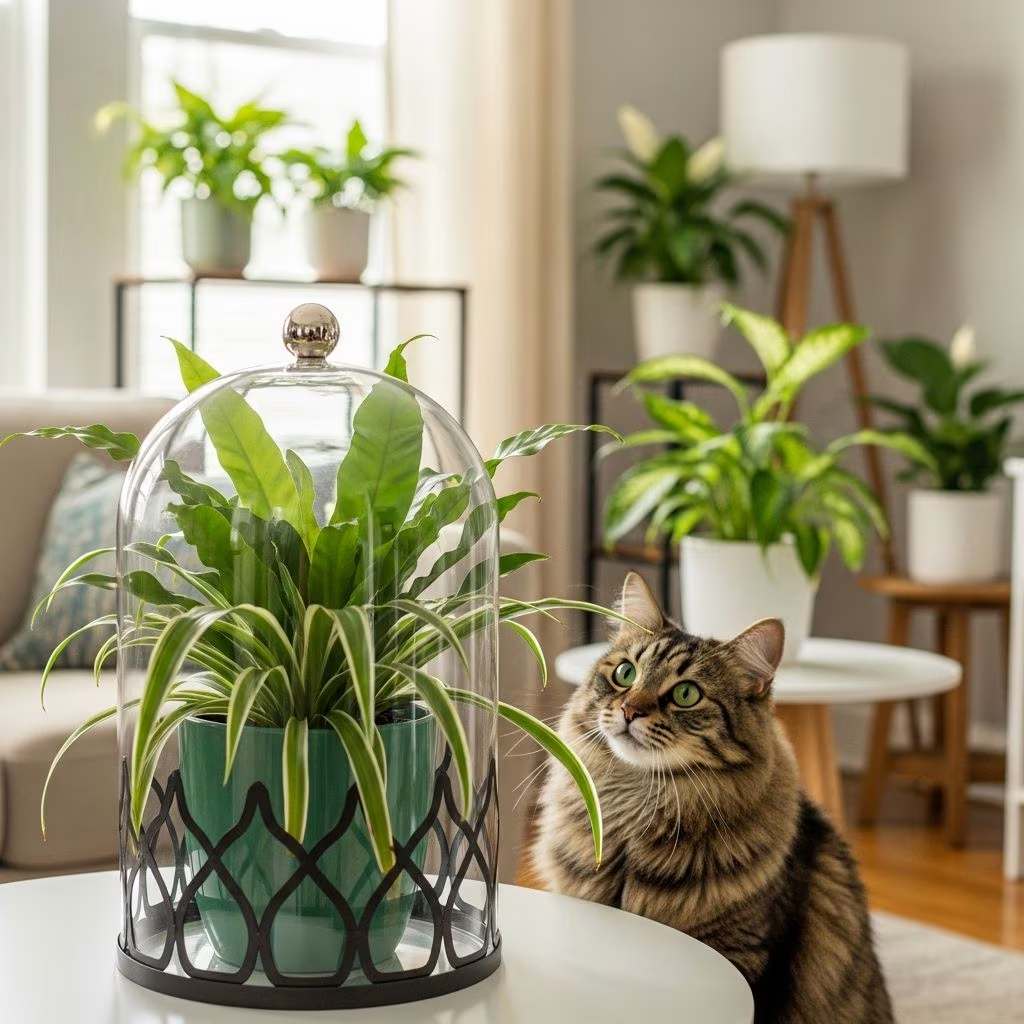
Bringing lush greenery into your home enhances your living space, but if you share it with a curious cat, your plants may become targets for chewing, digging, or worse. Cats are naturally drawn to houseplants for their texture, movement, and the soft soil beneath. This guide provides practical, cat-friendly strategies to protect your plants without harming your pet, drawing from expert advice on barriers, repellents, and alternatives.
Why Do Cats Love Houseplants?
Cats interact with plants for several instinctual reasons. The dangling leaves mimic prey, triggering their hunting instincts. Loose soil resembles litter, inviting digging or elimination. Chewing stems from teething, boredom, or nutritional needs like fiber. Understanding these behaviors helps tailor effective deterrents. According to pet care resources, preventing access and providing alternatives addresses the root causes.
Choose Cat-Safe Plants
The foundation of cat-proofing starts with selecting non-toxic plants. Many common houseplants like lilies, philodendrons, and pothos are toxic to cats, causing vomiting, diarrhea, or organ damage if ingested. Opt for safe options:
- Spider Plant (Chlorophytum comosum): Hardy, air-purifying, and non-toxic; cats may nibble but won’t suffer harm.
- Boston Fern (Nephrolepis exaltata): Lush and dangling, safe for playful paws.
- Parlor Palm (Chamaedorea elegans): Elegant and resilient to light chewing.
- Cat Grass or Wheatgrass: Specifically grown for cats, providing a safe nibbling outlet.
Grow your own cat grass using barley, rye, sesame, or wheat seeds in small pots. This satisfies their grazing urge, redirecting attention from your prized plants.
Physical Barriers to Protect Plants
Barriers make plants inaccessible, the most reliable method for persistent cats. Elevate or enclose to eliminate temptation.
- Hanging Planters: Install sturdy ceiling hooks and hang plants high above jumping reach. Ensure they’re away from shelves or furniture cats could use as launch pads.
- Tall Stands: Use narrow, towering plant stands with minimal landing space, deterring athletic leaps.
- Cages or Terrariums: Enclose plants in glass cabinets or mesh enclosures for a decorative, protected display.
- Cat Gates or Fencing: Block room access with gates, mesh, or chicken wire around plant areas, though agile cats may scale them.
These methods preserve aesthetics while safeguarding foliage.
Cover the Soil: Stop Digging and Accidents
Digging is common as cats treat pots like litter boxes. Cover soil to make it unappealing:
| Method | Pros | Cons | Best For |
|---|---|---|---|
| Large River Rocks or Pebbles | Allows watering; decorative; prevents digging | May shift slightly | Large pots |
| Aluminum Foil | Cheap; crinkly texture deters; one-time setup | Aesthetic mismatch | Temporary fix |
| Pine Cones or Twigs | Natural look; uncomfortable for paws | Needs refreshing | Organic vibes |
| Landscape Netting or Mesh | Water-permeable; sturdy | Less decorative | Heavy diggers |
| Double-Sided Tape on Rims | Sticky paws repel instantly | Replace often; paint risk | Rim loungers |
Decorative stones like Frisco River Rock Gravel add style while blocking access. Place near litter boxes to reinforce proper habits, and maintain clean boxes to avoid plant-pot misuse.
Natural Repellents and Deterrents
Scent and texture-based repellents discourage interaction without toxicity. Cats dislike citrus, sticky surfaces, and certain smells.
- Citrus Sprays: Mix lemon juice or peels in water; spray pots weekly. Eco-friendly but refresh often; test on leaves to avoid damage.
- Bitter Apple Spray: Pet-safe deterrent from stores; harmless bitter taste stops chewing.
- Coffee Grounds or Citrus Peels: Scatter around bases; natural and effective for urination prevention.
- Reflective Objects: Hang old CDs or foil strips; flashing light startles cats away.
- Sticky Paws Tape: On pot edges; paw discomfort trains avoidance.
Avoid toxic options like essential oils (e.g., tea tree), garlic, onions, or mustard, which can cause vomiting or worse.
Train Your Cat Away from Plants
Positive reinforcement builds lasting habits. Distract with toys when they approach plants, rewarding litter box use or play. Provide scratching posts and vertical spaces to curb boredom-driven mischief. Consistency is key; redirect gently without punishment.
Provide Alternatives for Your Cat
Meet their needs to reduce plant interest:
- Cat grass or safe nibbles for fiber.
- Window perches for bird-watching.
- Interactive toys mimicking plant sway.
- Clean, appealing litter boxes.
Artificial plants work for some, but cats may chew fakes too—trim low branches and elevate.
Safe Plant Choices Comparison
| Plant | Toxicity | Cat Appeal | Care Level |
|---|---|---|---|
| Spider Plant | Safe | High (dangles) | Easy |
| Catnip | Safe | Very High | Moderate |
| Succulents (some) | Check variety | Low soil | Easy |
| Pothos | Toxic | High | Easy |
Verify ASPCA lists for safety.
Frequently Asked Questions (FAQs)
What plants are safe for cats to chew on?
Safe options include spider plants, cat grass, Boston ferns, and parlor palms. Avoid lilies, aloe, and ivy.
How do I stop my cat from peeing in plant pots?
Cover soil with rocks or foil, use citrus deterrents, ensure clean litter boxes, and place plants away from boxes.
Are citrus sprays safe for cats and plants?
Yes, in moderation; dilute and test. Cats dislike the smell, but strong scents may irritate.
Can I use essential oils to repel cats from plants?
No, many are toxic—stick to pet-safe alternatives like bitter sprays.
What if my cat jumps to hanging plants?
Hang higher than 6 feet, away from furniture, or use enclosed terrariums.
Implementing these strategies creates harmony between your green oasis and feline companion. Start with barriers and safe plants for quick wins, then layer deterrents. Monitor for success and adjust—every cat is unique.
References
- Protecting Your Plants From Your Cats — PetSafe. 2023-05-15. https://www.petsafe.com/blog/protecting-your-plants-from-your-cats/
- How To Keep Cats Away From Your Houseplants — Chewy. 2024-02-10. https://www.chewy.com/education/cat/training-and-behavior/how-to-keep-cats-away-from-plants
- How To Cat Proof Houseplants — Catster YouTube. 2023-11-20. https://www.youtube.com/watch?v=xcz_-HuIGLE
- 10 Hacks To Keep Cats Away From Plants — Cats.com. 2024-01-05. https://cats.com/how-to-keep-cats-away-from-plants
- How to Keep Your Cat Out of Your Houseplants — Plant Savvy. 2023-08-12. https://www.plantsavvy.com/blog/7yua99trd2ft7gkyg24i82jaigi41d



