

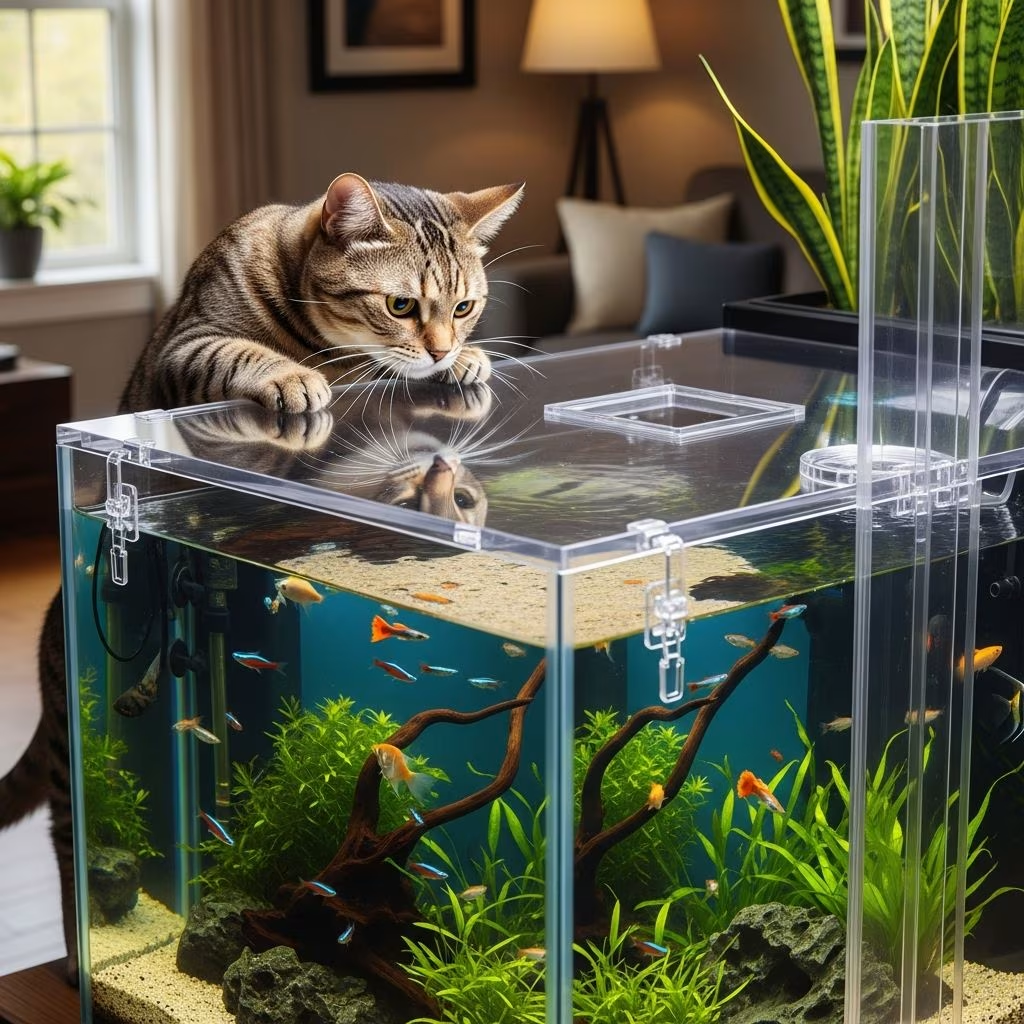
Cats and fish tanks can create a mesmerizing yet risky dynamic in any household. Your feline’s natural hunting instincts are triggered by the sight, sound, and movement of fish darting through water, potentially leading to disastrous consequences like stressed fish, broken equipment, or even injury to your cat. Cat-proofing your aquarium is essential to allow both pets to thrive peacefully. This guide covers everything from selecting the right tank to implementing deterrents and enriching your cat’s environment, drawing on expert pet care advice to ensure safety and harmony.
Why Cat-Proofing Your Fish Tank Is Crucial
Fish tanks represent an irresistible allure for cats. The rippling water, colorful fish, and bubbling filters mimic prey in motion, activating a cat’s predatory drive. Without proper precautions, cats may paw at the water, knock over the tank, or chew on cords, resulting in fish stress, escapes, water spills, or electrical hazards. Stressed fish are prone to illness, reduced lifespan, and erratic behavior, while a toppled tank can cause cuts, shocks, or drowning risks for the cat. According to pet safety experts, even brief interactions can elevate cortisol levels in fish, compromising their health over time. Proactive cat-proofing not only protects your investment in the aquarium but also prevents veterinary bills and emotional distress for your family.
Choosing the Right Fish Tank for Cat Owners
Selecting an aquarium designed with feline-proofing in mind is the first line of defense. Opt for rectangular tanks with built-in hard lids made of glass or acrylic, as these provide a secure seal that prying paws can’t easily dislodge. Avoid open-top bowls or rimless designs, which invite disaster. Lidded tanks reduce noise and odors escaping, diminishing the tank’s appeal to curious cats. Ensure the lid fastens tightly with clips, weights, or suction—cats can exert surprising force, jumping up to six times their height with precision.
- Recommended tank types: Secure-lid rectangular aquariums (10-55 gallons for beginners).
- Key features: Air holes for ventilation, sturdy hinges, and non-slip surfaces.
- Pro tip: Measure your space to ensure the stand is stable and cat-resistant.
For larger setups, consider wall-mounted or cabinet-integrated tanks elevated out of paw’s reach, but always verify stability against leaps.
Installing a Secure Lid or Barrier
The most critical step in cat-proofing is covering the tank completely. A well-fitted glass or acrylic lid prevents cats from fishing, drinking contaminated water, or fish from leaping out during stress. If your tank lacks a lid, custom-cut fine wire mesh secured with screws, clamps, or heavy-duty tape works effectively—ensure gaps are smaller than 1/4 inch to block paws. This barrier also minimizes evaporation and maintains stable water parameters vital for fish health.
Installation tips:
- Clean the tank rim thoroughly before fitting.
- Use non-toxic adhesives or mechanical fasteners.
- Test stability by applying pressure simulating a cat’s weight.
While lids deter access, they may become a perch. Stack heavy, stable items like books or plants atop (away from edges) or apply deterrents directly on the lid.
Strategic Tank Placement
Location matters immensely. Place the tank in a low-traffic room like a bedroom or office, keeping doors closed to exclude the cat entirely—a simple, cost-free solution. In living areas, position it against a wall on a sturdy stand at least 3 feet high, clearing surrounding furniture to block launch points for jumps. Avoid windowsills or near cat trees, as these provide vantage points. Ensure the stand has no footholds and is weighted at the base to prevent tipping.
| Placement Do’s | Placement Don’ts |
|---|---|
| Stable, heavy stand | Near windows or ledges |
| Corner or alcove | Open shelves |
| Room with closable door | High-traffic zones |
Elevated placements seem safe but fail against cats’ climbing prowess—backward-facing claws aid ascent but hinder descent, risking falls.
Deterrents to Keep Cats Away
Visual and physical repellents discourage interaction without harm. Surround the tank base and lid with scat mats (static or spiky pads), double-sided tape, aluminum foil, or textured liners—cats abhor sticky, crinkly, or prickly sensations. Citrus scents like lemon, lime, or orange sprays (pet-safe formulas) exploit cats’ aversion to strong smells; refresh weekly. Electric motion-activated air puffers or hiss devices near the tank startle without contact.
- Sensory options: Sticky tape on edges, foil on stands, citrus peels in bowls nearby.
- Advanced: Scat mats powered by batteries for 24/7 protection.
- Caution: Avoid blocking tank ventilation or using toxic substances.
For persistent cats, combine methods: foil under mats enhances discomfort.
Preventing Stress to Your Fish
Even passive staring stresses fish, causing hiding, fin-nipping, or disease susceptibility. Position the tank to obscure close-up views—angle it away from cat perches or use furniture barriers. Cover with a breathable blanket or sheet when absent, blocking the hypnotic show. Discourage staring with a gentle water spritz from a bottle during supervised sessions, redirecting focus. Monitor fish for signs of distress: rapid gill movement, faded colors, or aggression.
Managing Cords and Accessories
Dangling cords from filters, heaters, and lights tempt playful bats, potentially yanking equipment loose or toppling the tank. Bundle and tape cords flush to surfaces using pet-safe zip ties or clips. Secure tablecloths or covers by taping edges down. Install a recirculating cat water fountain to divert interest from the tank’s aerator hum—moving water satisfies hydration instincts safely.
Enriching Your Cat’s Environment
Boredom fuels fixation. Combat this with ample stimulation: cat trees, window perches for bird-watching, interactive toys, scratching posts, and puzzle feeders. Rotate toys daily and schedule play sessions mimicking hunts. TV channels for cats or bird videos provide alternatives to aquatic entertainment. A well-stimulated cat loses interest in the tank naturally.
- Enrichment ideas: Laser pointers, feather wands, treat-dispensing balls.
- Daily routine: 15-30 minutes playtime, access to safe outdoor views.
Additional Tips and Tricks
For multi-cat homes, monitor dynamics—some are more predatory. Regular tank maintenance (weekly cleaning sans cat access) reduces odors. Consider motion-camera monitors for remote checks. If rehoming fish isn’t viable, professional aquarium services offer custom cat-proof setups. Patience is key; training takes weeks, but consistency yields results.
Frequently Asked Questions (FAQs)
Can cats really knock over a fish tank?
Yes, cats’ agility and strength allow them to topple unstable setups, especially smaller tanks. Secure stands and lids mitigate this risk.
Is a wire mesh lid as good as glass?
Wire mesh prevents access effectively but doesn’t block sights/sounds like glass; use with deterrents for best results.
What if my cat still stares at the tank?
Redirect with toys, cover when away, and use barriers to limit proximity—stress decreases over time.
Are citrus deterrents safe for fish?
Use pet-safe sprays externally; avoid direct application near water to prevent contamination.
Should I keep my cat out of the fish room permanently?
If feasible, yes—it’s the simplest safeguard, especially for high predation risk.
References
- Pet Safety Standards for Multi-Pet Homes — American Veterinary Medical Association (AVMA). 2024-06-15. https://www.avma.org/resources-tools/pet-owners/petcare/multi-pet-households
- Cat Behavior and Aquarium Interactions — ASPCA. 2023-11-20. https://www.aspca.org/pet-care/cat-care/cat-behavior-problems
- How Cats Climb: Anatomy Insights — National Geographic. 2022-09-10. https://www.nationalgeographic.com/animals/article/cat-climbing-abilities
- Aquarium Safety Guidelines — U.S. Fish & Wildlife Service. 2025-01-05. https://www.fws.gov/program/aquarium-safety
- Feline Enrichment Protocols — International Cat Care. 2024-03-12. https://icatcare.org/advice/creating-cat-friendly-home



