

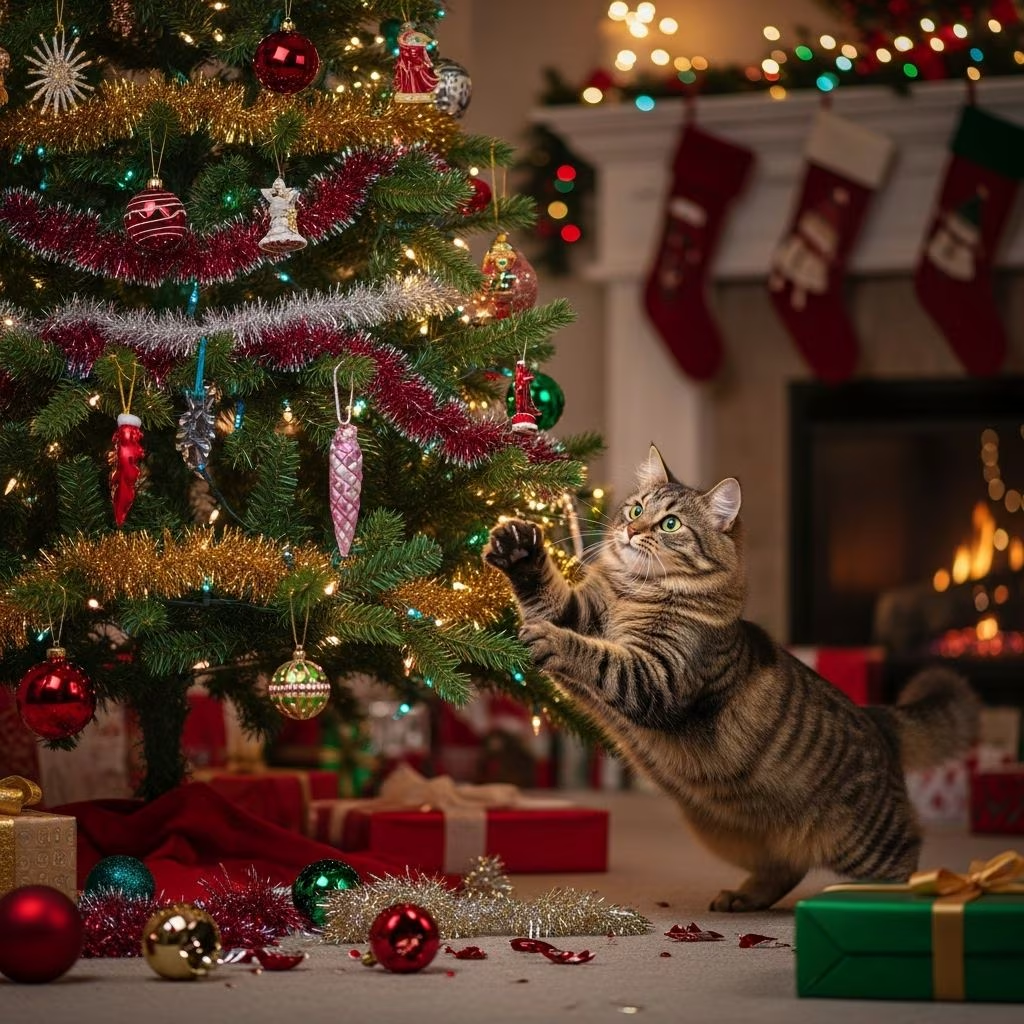
How to Cat-Proof Your Christmas Tree
The holiday season brings joy and festive decorations to homes everywhere, but for cat owners, it also brings unique challenges. Christmas trees, with their twinkling lights, dangling ornaments, and mysterious branches, can be irresistible attractions for curious cats. Without proper precautions, your beloved feline friend could face serious injuries, and your carefully decorated tree might end up toppled over and damaged. Fortunately, with the right strategies and preparations, you can create a cat-safe Christmas environment that allows everyone to enjoy the holidays together.
Choose the Right Type of Tree
The foundation of a cat-proof Christmas tree starts with selecting the right tree for your home. You have two main options: real trees and artificial trees, each with its own set of considerations.
Artificial Christmas Trees: Faux trees are generally considered safer for homes with cats. They eliminate concerns about pine needles being eaten or ingested, which can cause digestive issues and discomfort for your pet. Artificial trees are also less likely to shed needles that could get stuck between your cat’s paws. When selecting an artificial tree, opt for one that is weighted down securely to prevent it from tipping over easily.
Real Christmas Trees: If you prefer the authentic scent and appearance of a real tree, you can still cat-proof it effectively. However, real trees require additional safety measures, particularly regarding tree water and needle management.
Secure Your Tree Properly
One of the most critical steps in cat-proofing your Christmas tree is ensuring it won’t topple over when your cat inevitably decides to climb or jump on it. Cats are naturally drawn to tall structures, and a Christmas tree presents an irresistible climbing challenge.
Use a Solid, Heavy Base: Start with a sturdy tree stand that has significant weight. A heavy and weighted base makes it considerably harder for your cat to knock the tree over, which protects both your feline friend and your home from potential damage.
Anchor to Walls and Ceiling: For maximum stability, secure your tree to the wall or ceiling using eye hooks, wire, or twine. Position anchoring points near the top of the tree for optimal support. This dual approach—combining a heavy base with wall anchoring—creates a nearly immovable structure that can withstand even the most athletic cat’s attempts to climb or shake it.
Strategic Tree Placement and Access Control
Where you place your Christmas tree in your home significantly impacts how attractive it is to your cat. Strategic placement combined with access control methods can substantially reduce your cat’s temptation to interact with the tree.
Avoid Launch Zones: Place your tree away from furniture, cat trees, tall scratching posts, counters, and bookshelves. These elevated surfaces serve as launch pads, allowing your cat to easily jump onto your tree from above. By eliminating these vantage points near your tree, you make it much harder for your cat to access it.
Use Physical Barriers: Consider setting up a pet gate around your Christmas tree or placing the tree in a room behind a closed door where your cat cannot access it unsupervised. This physical barrier approach is one of the most effective ways to prevent unwanted interaction with the tree. Pet gates allow you to maintain visual access while keeping your cat safely away.
Apply Cat Deterrents: Most cats dislike certain scents and textures. Wrap your tree trunk in aluminum foil and place lemon or orange peels around the base. You can also arrange pine cones around the base as an additional deterrent. These natural repellents discourage cats from approaching the tree without requiring any chemicals.
Decorating Your Tree Safely
How you decorate your tree makes an enormous difference in keeping your cat safe. Strategic ornament placement and material selection are crucial considerations.
Focus on Upper Sections: Place ornaments, lights, and other decorations on the top half of the tree and toward the center rather than on the ends of branches. This strategy keeps fragile and dangerous items out of your cat’s reach. Reserve lower branches and outer areas for cat-safe decorations only.
Choose Safe Ornament Materials: Replace glass and breakable ornaments with shatterproof alternatives made from plastic or plush materials. These options won’t cause injury if your cat manages to swat them or knock them down. Plush ornaments are particularly popular choices for cat-friendly tree decoration.
Secure All Decorations: Rather than using traditional metal ornament hooks, which can cause puncture wounds and serious injuries, tie ornaments directly to the tree using zip ties, floral wire, or plastic hooks. This approach prevents ornaments from becoming detached and falling, which could injure your cat or create choking hazards.
Avoid Dangerous Materials: Steer clear of tinsel, fake snow, and other stringy or small decorative items that can be choking hazards if ingested. Instead, use paper bows, thick cloth ribbons, or garlands made with large beads or plush materials. Christmas cards and simple paper ornaments also make excellent safe alternatives.
Managing Electrical Safety
Christmas lights create a magical ambiance, but they also present electrical hazards if your cat decides to chew on the wires. Proper cord management is essential for your pet’s safety.
Place Lights Strategically: Position lights toward the center of the tree rather than on outer branches where your cat can easily access them. This reduces temptation and makes the wires less accessible.
Use Cord Protectors: Install pet-safe cord protectors around electrical items and wires connected to holiday lights. These protective covers deter chewing and provide a physical barrier between your cat and potentially dangerous wires.
Supervision and Unplugging: Always unplug your lights when you cannot supervise your cat. If your cat shows any interest in chewing the wires, consider removing the lights entirely rather than risking burns or electrocution. Your cat’s safety should always be the top priority.
Protecting Your Cat from Tree Water
If you use a real Christmas tree, the water beneath it requires special attention. Tree water can be dangerous for cats for several important reasons.
Why Tree Water Is Dangerous: Commercial tree preservatives, fertilizers, and other chemicals added to Christmas tree water to keep the tree fresh can be toxic to pets. Additionally, standing water can harbor harmful bacteria and other pathogens that could sicken your cat if ingested.
Blocking Access Methods: Cover the tree stand and water basin completely to prevent your cat from drinking the water. You can use a tree skirt to cover the base, place aluminum foil over the water bowl, or use a decorative cover specifically designed for this purpose. Some cat owners successfully use pet play pens to surround the bottom of the tree, creating a physical barrier.
Strategic Placement of Deterrents: Place waterproof dishes filled with orange or lemon peels below the tree skirt. Many cats dislike the smell of citrus fruits, which provides an additional layer of deterrent protection.
Managing Christmas Presents
Your wrapped presents under the tree can present unexpected challenges, especially if they contain food items, treats, or catnip.
Store Tempting Gifts Safely: Keep presents filled with food, treats, or catnip out of reach until Christmas morning. Cats have an excellent sense of smell and will be drawn to these items if they can access them. Store these special gifts in a closet or separate room until it’s time to open presents.
Gradual Introduction: Place presents under the tree only just before your family opens them. This approach minimizes the time period during which your curious cat can investigate and potentially damage the wrapped gifts.
Providing Alternative Entertainment
Sometimes the best way to keep your cat away from the Christmas tree is to provide more interesting alternatives that satisfy their natural instincts.
Invest in Cat Trees: Set up a dedicated cat tree or climbing structure in a different area of your home. Make sure this alternative is more appealing and accessible than your Christmas tree. Cats naturally enjoy climbing, scratching, and exploring elevated spaces.
Enrichment Activities: Provide puzzle feeders, interactive toys, and other enrichment activities that engage your cat’s mind and body. A mentally stimulated and physically exercised cat is less likely to be interested in bothering your Christmas tree.
Emergency Preparedness
Despite your best efforts, accidents can happen. Being prepared with emergency information is crucial.
Keep your veterinarian’s phone number readily available, along with the number for the ASPCA Animal Poison Control Center. Know the signs of poisoning or injury, including vomiting, diarrhea, lethargy, difficulty breathing, or visible wounds. If your cat ingests any toxic materials or sustains an injury, seek veterinary care immediately.
Frequently Asked Questions About Cat-Proofing Christmas Trees
Q: Is it safer to use a real or artificial Christmas tree if I have a cat?
A: Artificial trees are generally safer because they eliminate concerns about pine needle ingestion and don’t require water that could contain toxic chemicals. However, real trees can be cat-proofed effectively with proper precautions, including covering the water basin and securing the tree firmly.
Q: What should I do if my cat drinks the Christmas tree water?
A: Contact your veterinarian immediately. Tree preservatives and fertilizers can be toxic to cats, and standing water may contain harmful bacteria. Your vet can assess whether your cat needs treatment based on the amount ingested and the specific additives in your tree water.
Q: Can I use regular tinsel on my Christmas tree if I have a cat?
A: No, tinsel is not recommended for cat-friendly Christmas trees. Tinsel can become a choking hazard or cause intestinal blockages if ingested. Use safe alternatives like paper bows, cloth ribbons, or garlands made with large beads instead.
Q: How can I prevent my cat from chewing on Christmas lights?
A: Place lights toward the center of the tree, use pet-safe cord protectors, and always unplug lights when you cannot supervise. If your cat shows strong interest in the wires, remove the lights entirely to prevent electrocution or burns.
Q: What type of ornaments are safest for cats?
A: Plush ornaments, plastic ornaments, and other shatterproof options are safest. Avoid glass ornaments and traditional metal ornament hooks that could cause puncture wounds. Tie ornaments securely with zip ties or floral wire rather than hanging hooks.
Q: Should I completely ban my cat from the room with the Christmas tree?
A: Complete separation is not necessary if you’ve implemented proper cat-proofing measures. However, using a pet gate or keeping the door closed during times when you cannot supervise your cat provides extra security and peace of mind.
References
- How To Cat-Proof Your Christmas Tree This Holiday — PETA. 2024. https://www.peta.org/living/animal-companions/how-to-cat-proof-your-christmas-tree/
- How to Cat Proof Your Christmas Tree — Purina US. 2024. https://www.purina.com/articles/cat/behavior/understanding-cats/christmas-safety-for-cats
- How To Cat-Proof Your Christmas Tree | Chewtorials — Chewy. 2024. https://www.chewy.com/education/cat/general/how-to-cat-proof-your-christmas-tree
- 11 Ways To Cat-Proof Your Christmas Tree — Chewy. 2024. https://www.chewy.com/education/cat/general/how-to-cat-proof-your-christmas-tree
- Keep Your Cat Safe at Christmas — Blue Cross. 2024. https://www.bluecross.org.uk/advice/cat/health-and-injuries/keeping-your-cat-safe-at-christmas



