

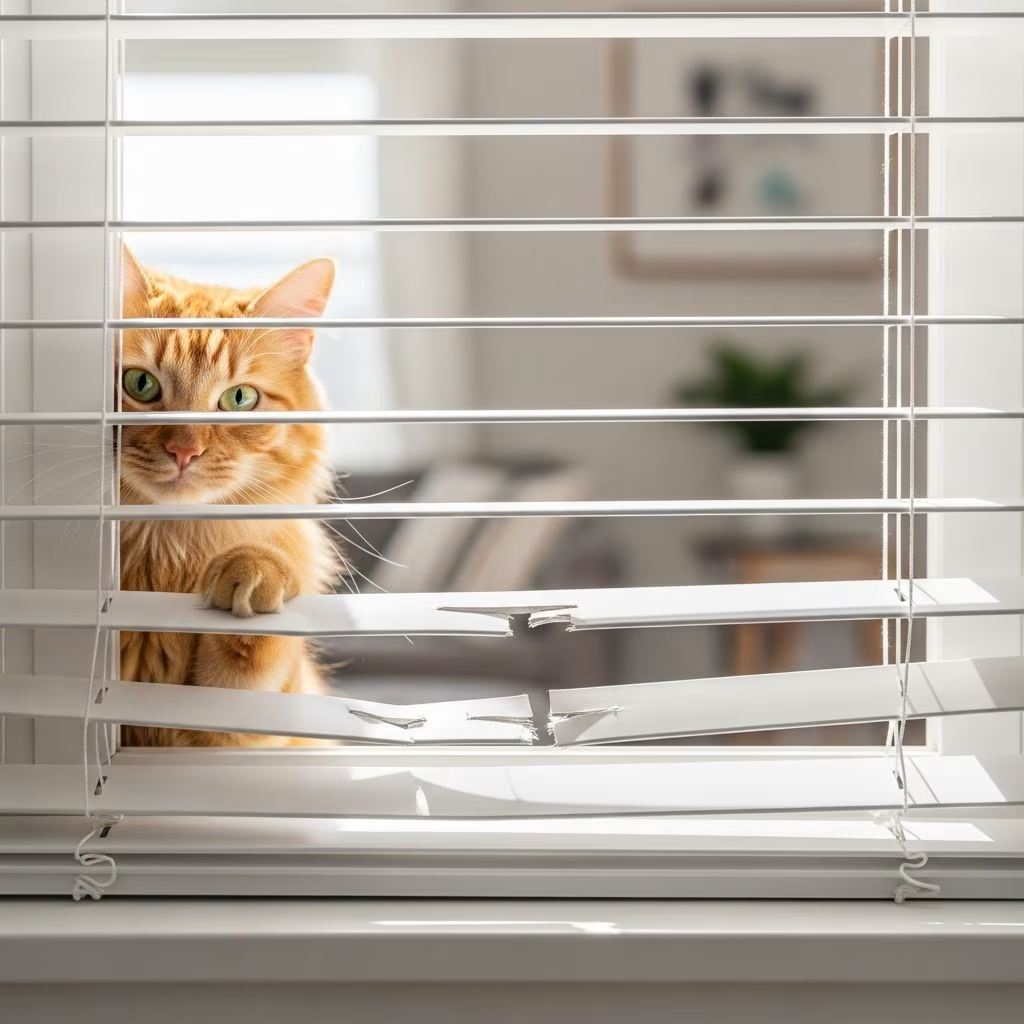
Cats are naturally curious and playful creatures, often viewing window blinds as irresistible toys or climbing structures. This can lead to damaged slats, tangled cords, and even safety hazards like strangulation risks. Cat-proofing blinds protects your window treatments and ensures your pet’s well-being. This guide outlines **7 proven tips** drawn from expert advice to make your blinds feline-resistant without sacrificing style or functionality.
Understanding why cats target blinds helps in prevention. Dangling cords mimic prey, slats invite batting and scratching, and window access tempts lunging or ledge-jumping. By addressing these behaviors, you create a harmonious home environment. Implementing these strategies can extend the life of your blinds while redirecting your cat’s energy positively.
Why Cats Love Blinds (And Why It’s a Problem)
Cats’ predatory instincts drive them to pounce on moving cords or slats that sway in the breeze. Vertical or Venetian blinds are particularly vulnerable due to their slatted design, which cats can hook claws into or push through to view outside.
Beyond aesthetics, damaged blinds pose serious risks. Loose cords can entangle paws or necks, leading to injury or worse. The U.S. Consumer Product Safety Commission reports thousands of annual pet-related window cord incidents, emphasizing the need for cordless options. Clawing also spreads wear, requiring costly replacements. Proactive cat-proofing saves money and stress.
- Cord hazards: Strangulation risk for kittens and small cats.
- Slat damage: Bent or broken louvers from batting.
- Climbing attempts: Tears in fabric or tracks from scaling.
Redirecting this behavior through environmental enrichment is key, combining deterrence with alternatives like scratching posts.
The 7 Tips to Cat-Proof Blinds
1. Hide the Cord
The most common attractant is the pull cord, resembling a dangling toy. Cats swat at it instinctively, risking entanglement. To cat-proof, install a wall hook beside the blinds and wrap the cord securely around it, keeping it taut and out of reach.
For a permanent fix, opt for cordless lift systems or motorized blinds, which eliminate strings entirely. These use wand controls or apps, ideal for high windows. According to window treatment experts, cordless mechanisms reduce pet incidents by over 90%. If retrofitting, cord cleats or tensioners bundle cords safely against the wall.
Pro tip: Check cords weekly for frays from repeated pawing. Replacement hardware is inexpensive and available at hardware stores.
2. Try to Deter the Cat
Non-toxic deterrent sprays mimic unpleasant scents or tastes cats avoid, like citrus or bitter apple. Apply directly to blind slats per product instructions—never on your cat. Reapply after cleaning or as directed until the cat loses interest.
These sprays condition cats through aversion learning without harm. Combine with positive reinforcement: Place a favored toy nearby to shift focus. Effectiveness varies by cat temperament; multi-cat homes may need broader application.
Alternative: Use motion-activated air puffers near blinds. A harmless hiss redirects curiosity elsewhere.
3. Apply Double-Sided Tape
Cats despise sticky textures on their paws, similar to aluminum foil. Strategically place double-sided tape strips on blind edges or lower slats where pawing occurs. Choose pet-safe, residue-free tape to avoid damaging finishes.
Inconspicuous spots maintain aesthetics. Replace tape every 1-2 weeks as adhesiveness fades. This tactile deterrent trains cats to associate blinds with discomfort, often resolving issues within days. Pair with scratching alternatives for best results.
- Best for: Horizontal or Venetian blinds.
- Duration: Effective 7-14 days per application.
- Avoid: Fabric blinds, as residue may linger.
4. Set Up a Cat Curtain
If your cat lunges through blinds for outdoor views, install a lightweight sheer curtain or tension rod below semi-raised blinds. This allows head peeking without slat interference, preserving privacy.
Choose mid-length, tightly woven polyesters resistant to claws—medium-weight (150-250 GSM) options sway less, reducing temptation. Sheer back layers with decorative fronts limit access while filtering light. This dual-layer setup deters climbing and adds style.
5. Provide Scratching Alternatives
Place sisal scratching posts or cardboard scratchers directly beside targeted windows. Infuse with catnip to lure use. Vertical towers mimic blind-climbing, redirecting instincts.
Texture matters: Rough sisal outperforms carpet. Position at claw hotspots, rewarding usage with treats. Regular nail trims or soft caps further minimize damage.
6. Make the Window Ledge Unattractive
Cats perch on sills for bird-watching. Deter with cat-safe plants (e.g., spider plants), deterrent sprays, or double-sided tape. Avoid breakables.
Install window perches elsewhere for dedicated viewing. This satisfies curiosity safely, reducing blind interactions.
7. Try Different Blinds
Switch to cat-resistant types if tips fail. **Faux wood blinds** withstand scratches with wipeable surfaces. **Cordless rollers** or **vertical blinds** eliminate cords and sway. **Motorized options** offer touch-free operation.
| Blind Type | Cat-Proof Features | Best For |
|---|---|---|
| Cordless Rollers | No strings, smooth operation | Kitchens, playrooms |
| Faux Wood | Scratch-resistant, easy clean | High-traffic areas |
| Vertical Blinds | Flat panels, no sway | Sliding doors |
Best Cat-Proof Blind Materials and Styles
Durable synthetics outperform natural fabrics. Faux wood composites resist humidity and claws. Blockout rollers minimize visual stimuli. Avoid chain-linked verticals or corded Venetians.
Cat-Proof Cleaning and Maintenance
Weekly vacuuming with soft brushes removes fur without snags. Spot-clean per labels; microfiber duster for blinds. Inspect mechanisms monthly.
- Vacuum curtains downward.
- Wipe blinds damp—no sprays.
- Rotate panels for even wear.
Frequently Asked Questions (FAQs)
What are the safest blinds for cats?
Cordless rollers, faux wood, or motorized verticals eliminate hazards and resist damage.
Do deterrent sprays work on all cats?
Most respond, but reapply and combine with alternatives for stubborn cases.
Can I cat-proof existing blinds?
Yes—hide cords, tape slats, deter scents effectively retrofit.
How often to replace double-sided tape?
Every 1-2 weeks or when stickiness fades.
Are nail caps a good supplement?
Yes, they reduce scratching damage safely.
Final Thoughts on Keeping Blinds and Cats Happy
Combining deterrence, redirection, and durable choices creates a win-win. Patience yields results as cats adapt. Consult vets for persistent behaviors.
References
- How to Cat-Proof Your Curtains and Blinds — Curtain Studio. 2023-05-15. https://curtainstudio.co.nz/blogs/cs-inspiration/how-to-cat-proof-your-curtains-and-blinds
- How to Cat Proof Blinds: 7 Helpful Tips to Try Today — Catster. 2024-08-20. https://www.catster.com/cat-health-care/how-to-cat-proof-blinds/
- How to Kitten Proofing Wires, Your Home and Cat Proof Blinds — Everpal. 2023-11-10. https://www.joineverpal.com/post/how-to-kitten-proofing-wires-your-home-and-cat-proof-blinds
- Cat Proof Blinds: A Cute Guide for Cat Lovers — Blindsgalore. 2024-02-14. https://www.blindsgalore.com/blog/index.php/beyond-basics/cat-proof-blinds/
- Dog & Cat Proof Blinds: What to Know — The Shade Store. 2024-06-05. https://www.theshadestore.com/blog/cat-proof-blinds/



