

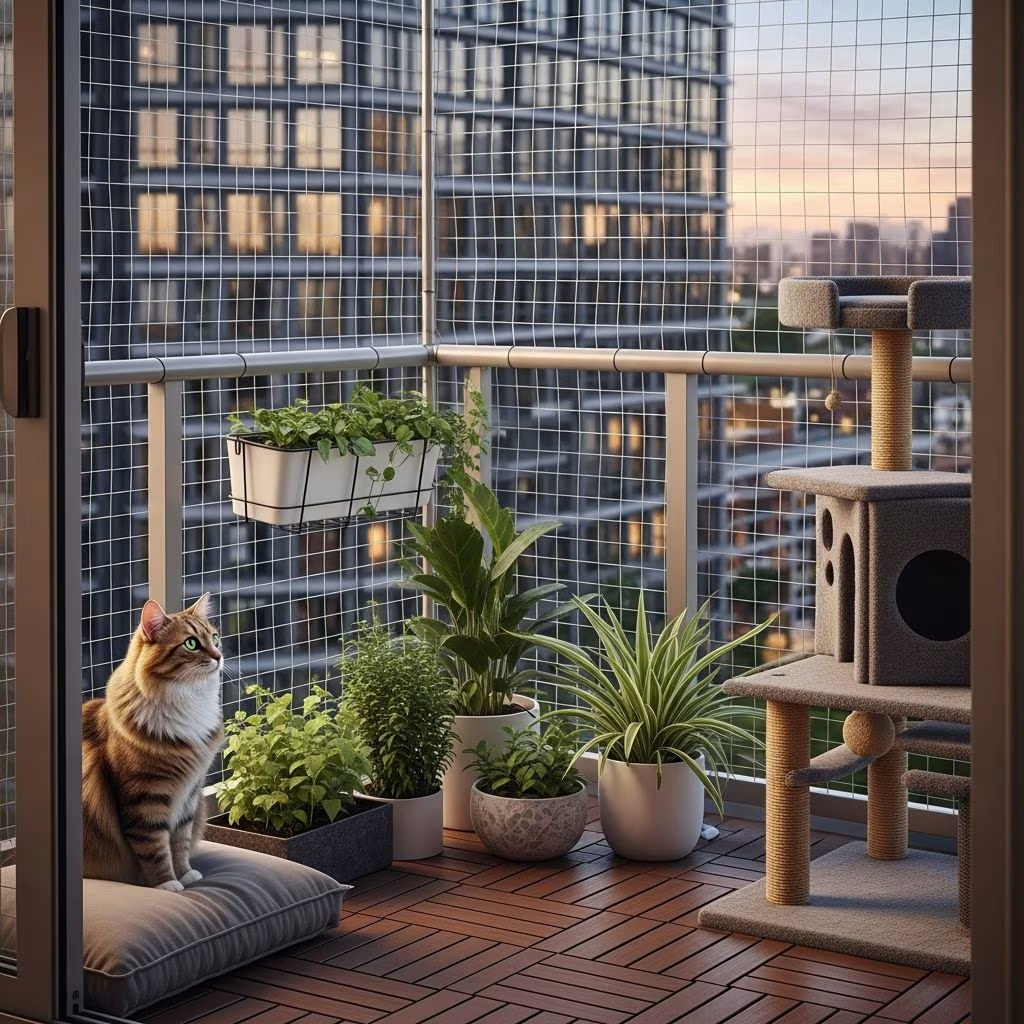
Balconies offer indoor cats a thrilling taste of the outdoors, allowing them to watch birds, chase leaves, and bask in fresh air without the dangers of full outdoor roaming. However, unsecured balconies pose serious risks like falls, escapes, and injuries from jumping or slipping through gaps. Cat-proofing transforms this space into a secure haven, preventing accidents while enriching your feline’s environment. This comprehensive guide covers everything from essential barriers to enriching additions, ensuring your cat enjoys safe balcony time.
Why Cat-Proof Your Balcony?
Cats are agile climbers and jumpers, but balconies present hidden perils. A startled cat might leap for a bird, squeeze through railings, or slip on smooth surfaces. Falls from heights can cause severe injuries or death, while escapes lead to traffic hazards or predation. According to veterinary experts, indoor cats with supervised balcony access live longer, healthier lives by reducing stress and providing mental stimulation. Cat-proofing eliminates these risks, complying with building rules while creating a predator-proof enclosure.
- Prevents Falls: Cats can fall from great heights chasing prey or during play.
- Stops Escapes: Gaps in railings or open doors allow sudden bolts.
- Boosts Enrichment: Safe access to views and scents improves well-being.
- Legal Compliance: Many rentals require permission for modifications.
Start by assessing your balcony: measure dimensions, check railings for gaps wider than 4 inches, inspect flooring for slipperiness, and review lease agreements for alterations.
Essential Barriers: Netting, Meshes, and Fences
The foundation of cat-proofing is full enclosure. Choose durable, cat-safe materials that withstand claws and weather.
Cat Netting: The Gold Standard
Heavy-duty cat netting creates an invisible barrier, fully enclosing the balcony from floor to ceiling. Opt for UV-resistant polyethylene or nylon mesh with 3-4 cm gaps for slim cats or 5 cm for larger ones. Installation involves hooks, eyelets, and tension ropes anchored to railings, walls, and floors. For rentals, use tension-mounted systems that leave no permanent marks.
- Pros: Affordable, removable, allows airflow and views.
- Cons: Requires taut installation to prevent sagging.
- Cost: $50-200 depending on size.
Pro Tip: Test netting by pushing from all angles; it should flex but not yield.
Balcony Mesh and Chicken Wire
Balcony mesh panels snap onto railings, ideal for apartments. For fences or open sides, attach chicken wire bent inward at the top—cats can’t grip the floppy edge. Vinyl-coated options resist rust and claws.
Visual Barriers and Roller Tops
Bamboo mats or privacy screens block tempting views while adding aesthetics. For ultimate security, install fence rollers: spinning PVC bars atop railings that thwart climbing. These humane devices spin under a cat’s weight, safely deterring escapes.
| Method | Best For | Durability | Install Time |
|---|---|---|---|
| Netting | Open balconies | High (UV-treated) | 2-4 hours |
| Chicken Wire | Fences/railings | Medium | 1-2 hours |
| Mesh Panels | Rentals | High | 1 hour |
| Rollers | High climbs | Very High | 3 hours |
Securing Doors and Access Points
Balcony doors are common escape routes. Install child-proof locks or magnetic blockers to prevent half-open gaps. For convenience, cut a cat flap into glass doors via a professional glazier—ensure it’s microchip-activated for security. Never leave doors ajar unsupervised.
- Net door frames if gaps exist.
- Use baby gates for temporary barriers.
- Secure sliding doors with stops.
Eliminating Hazards: What to Remove and Avoid
Beyond structures, declutter dangers. Cats chew cords, ingest plastics, and knock over pots.
- Toxic Items: Remove cleaners, fertilizers, pesticides—store indoors.
- Fragile Objects: Secure pots, chairs away from edges.
- Plastic Bags/Rubbish: Choking hazards; use sealed bins.
- Sharp Edges: Cover railing spikes with foam.
Flooring matters: Slippery tiles cause slips; add non-slip mats or cork tiles that retain warmth.
Enriching Your Cat-Proof Balcony
A safe balcony should stimulate senses. Turn it into a feline paradise with vertical spaces and nature elements.
Viewing Platforms and Perches
Secure outdoor cat trees or wall-mounted shelves provide bird-watching perches, away from edges. Hammocks or sisal-wrapped posts double as scratchers.
Cat-Safe Plants and Gardens
Grow non-toxic greenery: catnip, cat grass, nasturtium, bamboo, hops, or herbs in raised planters with liners. Avoid lilies, poinsettias, or anything treated with chemicals.
- Create a “cat garden” in wooden boxes: grass for nibbling, wildflowers for hunting.
- Shaded spots with hides for hot days.
Furniture and Toys
Add weatherproof scratching boards, tunnels, and puzzle feeders. Multi-level platforms maximize space.
DIY vs. Professional Installation
DIY netting suits handy owners; follow tutorials for grommets and tensioning. For complex setups like rollers or glass flaps, hire pros to ensure stability. Time: 2-4 hours for most homes. Always get landlord approval first.
Common Mistakes to Avoid
- Insufficient Tension: Saggy nets invite climbing.
- Wrong Mesh Size: Gaps over 5 cm allow escapes.
- Ignoring Weather: Use UV-resistant materials.
- No Supervision: Monitor initially for stress.
Frequently Asked Questions (FAQs)
What is the best netting for cat-proofing a balcony?
UV-resistant polyethylene netting with 3-5 cm mesh gaps, installed taut with hooks and ropes. It’s affordable and removable.
Can I cat-proof a rental balcony?
Yes, use tension-mounted mesh or netting that doesn’t damage surfaces. Check with your landlord first.
How high should balcony barriers be?
At least 6 feet, fully enclosing from floor to ceiling to prevent jumps.
Are chicken wire and rollers effective?
Chicken wire bent inward deters gripping; rollers spin to block climbs—both vet-approved.
What plants are safe for balcony cat gardens?
Catnip, cat grass, nasturtium, bamboo, and herbs. Avoid toxic ones like lilies.
How do I secure balcony doors?
Use locks, blockers, or install a microchip cat flap in glass.
References
- Advice on making a balcony cat proof — Maxi Zoo. 2025-03-11. https://www.maxizoo.ie/magazine/cat/equipment/secure-cat-balcony/
- A Complete Guide For House Cat-proofing — Mr. Handyman. 2024-06-15. https://www.mrhandyman.com/blog/how-to-cat-proof-your-house/
- Genius Vet-Approved Ways to Cat-Proof Any Fence — Catster. 2023-11-20. https://www.catster.com/lifestyle/genius-vet-approved-ways-to-cat-proof-any-fence-keep-your-kitty-safe/
- Cat proofing your balcony: 8 solutions to keep your cat safe — Wamiz. 2024-02-10. https://wamiz.co.uk/cat/advice/28606/how-to-cat-proof-your-balcony
- Cat proofing upper balcony — TheCatSite Forums. 2023-05-05. https://thecatsite.com/threads/cat-proofing-upper-balcony.284738/



