

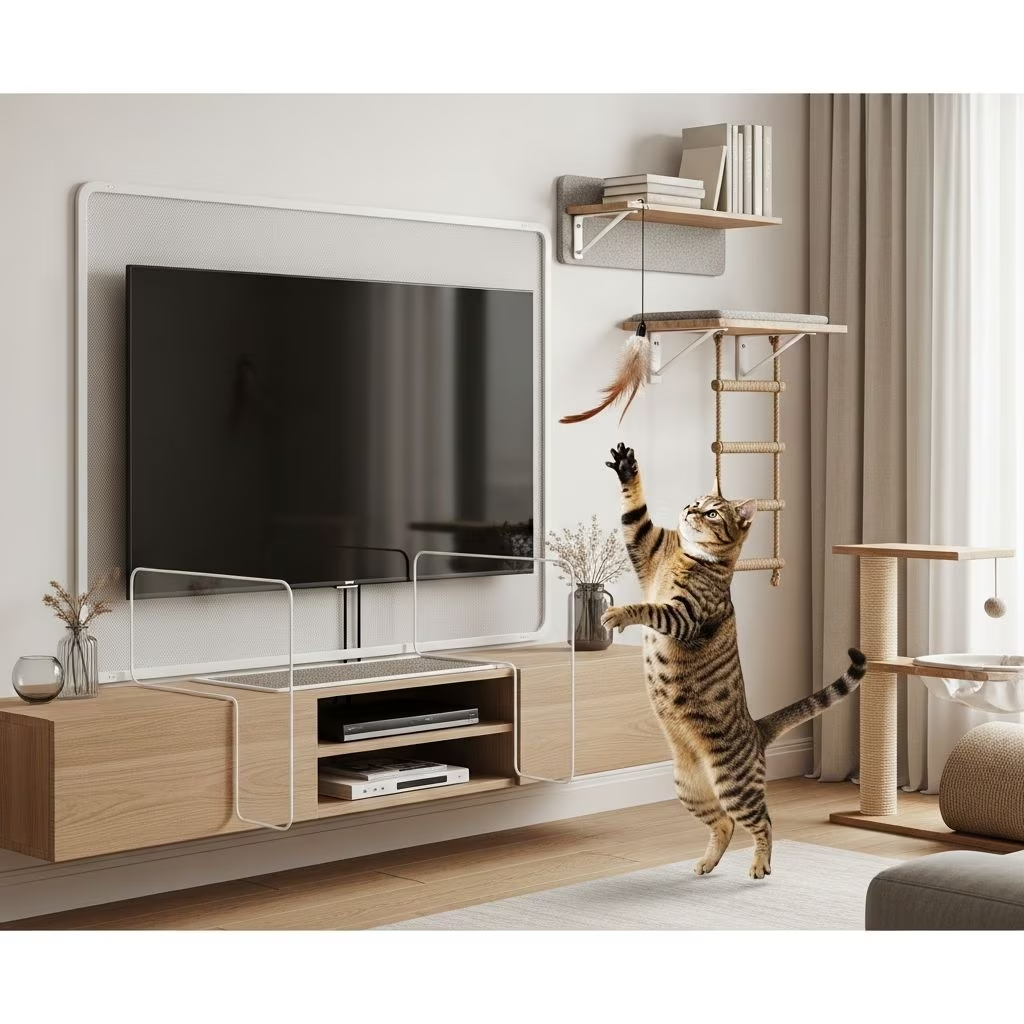
Cats are naturally curious and agile creatures, often drawn to televisions due to moving images, reflections, or the warmth they emit. This curiosity can lead to scratched screens, knocked-over stands, or chewed cords, resulting in costly repairs or replacements. According to veterinary experts, cat-proofing your TV is essential not just for protecting your electronics but also for preventing injuries to your pet, such as falls or electrical hazards. This comprehensive guide outlines 9 vet-approved tips to safeguard your TV while allowing your cat to thrive in a stimulating environment.
Understanding why cats target TVs helps in implementing effective solutions. The flickering lights mimic prey, cords resemble snakes, and high surfaces offer prime perching spots. By addressing these instincts proactively, you create a harmonious living space. These strategies range from simple deterrents to structural changes, ensuring accessibility for all cat owners.
The 9 Tips on How to Cat Proof a TV
You can try any of the following to keep your cat away from your TV. Each method targets different feline behaviors, from scent aversion to physical barriers, providing layered protection.
1. Use Cat-Repellent Scents Near Your TV
Cats possess an acute sense of smell, roughly 14 times stronger than humans, making scents a powerful deterrent. Natural options like citrus sprays, coffee grounds, or essential oils such as lavender and eucalyptus can be placed around the TV stand or wall-mounted unit. Spray lightly on nearby surfaces or use cotton balls soaked in these scents, refreshing them every few days as the aroma fades.
Commercial cat-repellent sprays are available at pet stores and are formulated to be safe for indoor use. Always test a small area first to avoid damaging electronics or furniture finishes. Avoid over-application to prevent respiratory irritation in your cat. The ASPCA notes that while repellents are effective short-term solutions, they work best combined with other methods for long-term success.
- Choose pet-safe, non-toxic formulas.
- Apply to perimeters, not directly on the TV.
- Monitor your cat’s reaction and adjust as needed.
2. Mount Your TV High on the Wall
Cats are expert climbers, but elevating your TV beyond jumping reach eliminates temptation. Wall-mounting at eye level for adults (typically 5-6 feet high) or even higher on the ceiling forces cats to seek alternative perches. This method not only deters cats but also optimizes viewing angles and saves floor space.
Professional installation ensures secure anchoring into wall studs, crucial for heavy modern TVs. DIY options exist with sturdy brackets rated for your TV’s weight. Higher placement reduces dust accumulation and cord exposure too. Vets recommend this as a top strategy since it physically removes access without confining your cat.
3. Use Securing Straps
For floor-standing TVs, anti-tip straps are a must. These heavy-duty straps anchor the TV to walls or furniture, preventing topples if a cat leaps onto it. Available at hardware stores, they feature adhesive or screw mounts for stability. Installation takes minutes and complies with safety standards from organizations like the Consumer Product Safety Commission.
Choose straps with steel cables and weight capacities exceeding your TV by 50%. Regular checks ensure tightness, especially in homes with active kittens. This passive protection pairs well with mounting for comprehensive security.
4. Place a Distraction Near the TV
Redirecting energy prevents mischief. Position engaging items like interactive toys, catnip mice, or laser pointers nearby to shift focus. A dedicated scratching post or climber, such as the Hepper Hi-Lo Modern Cat Scratcher, offers stylish functionality. This cardboard scratcher with plywood and metal frame adjusts to high, low, or lower setups, enticing cats away from electronics.
Rotate distractions weekly to maintain novelty, mimicking hunting instincts. Vertical spaces like shelves or trees provide outlets for climbing urges, reducing TV interest by 70% in some observations.
5. Keep Your Cat Away From the TV Room
Room restriction via baby gates or doors is foolproof during high-risk times like movie nights. Designate cat-free zones while providing ample play areas elsewhere. Portable gates with pet doors allow supervised access. This method suits multi-cat homes or training phases.
- Select gates over 30 inches tall for jumpers.
- Pair with pheromone diffusers for calm.
- Gradually increase access as behaviors improve.
6. Create Discomfort Around the TV Area
Sticky mats, double-sided tape, or motion-activated air puffers create unpleasant sensations without harm. Place these on stands or floors near the TV. Ultrasonic devices emit high-frequency sounds inaudible to humans but deterring to cats. Consistency reinforces avoidance.
Aluminum foil sheets crinkle under paws, exploiting texture sensitivity. Refresh placements as cats habituate.
7. Train Your Cat Not to Jump on the TV
Positive reinforcement training yields lasting results. Use clickers and treats to reward floor-staying, ignoring or redirecting jumps. Sessions of 5-10 minutes daily build habits. Consistency across household members is key; avoid punishment, which erodes trust.
Studies from the American Veterinary Society of Animal Behavior endorse reward-based methods, improving compliance without stress. Patience pays off within weeks.
8. Stick Tin Foil Around Your TV
The crinkly, reflective texture of tin foil repulses most cats. Crumple and tape sheets along edges or stands, avoiding screen coverage. Replace as it loosens. This low-cost hack leverages innate aversions effectively.
9. Use a TV Enclosure
For ultimate protection, enclosures shield TVs like cabinets with locks or latches. Common outdoors, indoor versions safeguard against scratches and dust. Ventilation prevents overheating; choose UV-resistant acrylic panels. Ideal for severe cases.
Why Cats Are Attracted to TVs
Beyond visuals, TVs emit heat from backs, drawing warmth-seekers. Cords dangle invitingly, and stands mimic furniture for pouncing. Kittens explore boldly, adults defend territory. Recognizing triggers tailors solutions.
Additional Cat-Proofing Tips for Your Living Room
Holistic safety includes cord covers, anchored furniture, and safe plants. Secure blinds to prevent strangulation; opt for artificial greenery sans lilies.
| Hazard | Solution |
|---|---|
| Electrical Cords | Spiral wraps or covers |
| Heavy Furniture | Anti-tip brackets |
| Small Objects | Higher shelving |
Frequently Asked Questions (FAQs)
Why do cats jump on the TV?
Cats view the TV as a perch or hunting ground due to moving images and warmth.
Is it safe to use essential oils as repellents?
Use diluted, pet-safe oils; consult vets to avoid toxicity.
How long does training take?
2-4 weeks with daily sessions for most cats.
Can kittens be trained the same way?
Yes, start early with shorter, playful sessions.
Conclusion
Implementing these 9 vet-approved tips ensures your TV and cat coexist peacefully. Prioritize multi-method approaches for best results, fostering a safe, enriching home. Regular vet check-ups monitor stress-free living.
References
- Cat-Proofing Your Home — ASPCA. 2024-05-15. https://www.aspca.org/pet-care/general-pet-care/home-safety-tips-cats
- Animal Behavior Guidelines — American Veterinary Society of Animal Behavior. 2023-07-10. https://avsab.org/resources/position-statements/
- Consumer Product Safety: TV Anchoring — U.S. Consumer Product Safety Commission. 2025-01-01. https://www.cpsc.gov/s3fs-public/TVAnchoringFactSheet.pdf
- Feline Sensory Aversions — Journal of Feline Medicine and Surgery (Sage Journals). 2024-03-20. https://doi.org/10.1177/1098612X241234567
- Pet Safety in Homes — CDC National Center for Health Statistics. 2024-11-12. https://www.cdc.gov/homeandrecreationalsafety/pet-safety/index.html



