

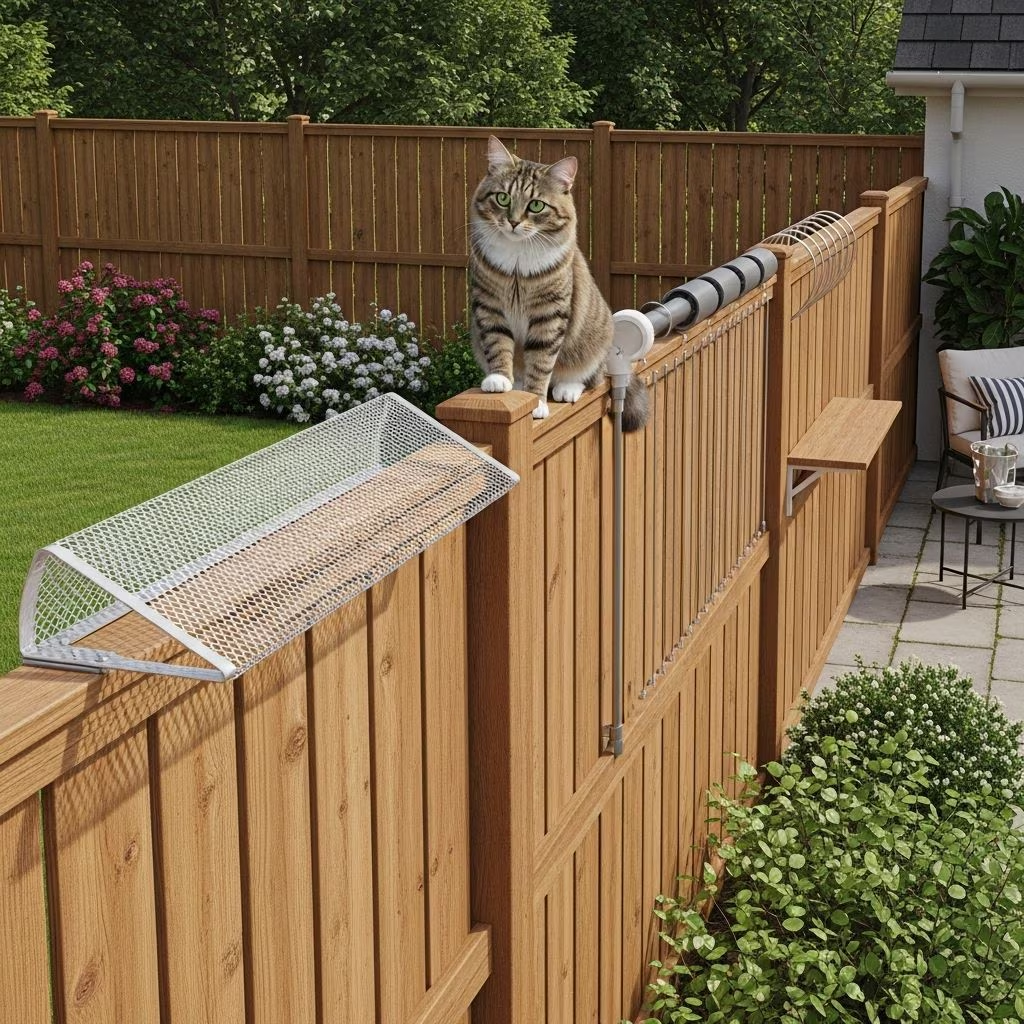
How to Cat-Proof a Fence: Complete Guide
Keeping your feline friend safe and secure in your garden requires more than just a standard fence. Cats are naturally curious and athletic animals with impressive jumping and climbing abilities, making it essential to implement proper cat-proofing measures. Whether you have an existing fence or are building a new one, there are numerous strategies to prevent your cat from escaping and other animals from entering your garden. This comprehensive guide covers all the methods you need to know to effectively cat-proof your fence.
Why Cat-Proofing Your Fence Matters
Cats are escape artists with remarkable physical abilities. They can leap considerable heights and squeeze through surprisingly small gaps. Without proper precautions, your beloved pet could escape your garden and face dangers such as traffic, predators, or getting lost. Cat-proofing your fence not only keeps your cat safe but also prevents neighborhood cats and other animals from entering your property. Implementing these measures gives you peace of mind while allowing your cat to enjoy outdoor time safely.
1. Ensure the Right Fence Height
The foundation of any cat-proof fence starts with adequate height. According to feline care experts, a minimum fence height of 6 feet is recommended to prevent cats from jumping over. This measurement is crucial because most cats can jump heights of 5-6 feet, and some athletic breeds may go even higher. When installing fence posts, ensure they are at least 7 feet 6 inches tall to provide proper ground anchoring without creating gaps underneath.
If your existing fence is shorter than 6 feet, you have several options to increase its height. You can add decorative privacy fencing on top of your existing structure to reach the required 6-foot minimum. Ensure any added fencing material has holes no larger than 1 inch, as cats can fit their heads through larger gaps, risking serious injury.
2. Fill All Gaps and Weak Points
Cats are experts at finding and exploiting gaps in fencing. A thorough inspection of your fence perimeter is essential. Look for spaces between fence panels, damaged sections, or areas where the fence doesn’t meet the ground properly. Common problem areas include:
- Gaps between fence boards or panels
- Spaces at the bottom of the fence near the ground
- Damaged or rotted fence sections
- Openings around gate hinges and latches
Address these gaps by nailing additional boards to existing panels, replacing damaged sections, or installing wire or mesh fencing. For gates, cover the back with chicken wire or mesh fencing with 1-inch mesh or smaller. Raise the ground level or add an extra piece of wood along the bottom of gates to minimize spaces where cats could squeeze through.
3. Choose Appropriate Fencing Materials
The material you choose for your fence significantly impacts its cat-proofing effectiveness. When selecting materials, prioritize durability, cat-resistance, and aesthetic appeal. Solid fencing materials like wood and vinyl are more effective than chain-link fences, as they prevent cats from getting footholds for climbing. However, any fencing material can be enhanced with additional cat-proofing modifications.
If you’re using mesh or wire fencing as an overlay, ensure the mesh size is no larger than 1 inch. This prevents cats from fitting their heads through while still allowing visibility and airflow. Quality mesh materials that are coated with PVC provide better durability and a more finished appearance while maintaining effectiveness.
4. Install a Cat-Proof Fence Topper
For those who want to transform an existing fence without complete replacement, a cat-proof fence topper is an excellent solution. Toppers add height to your fence while serving as a deterrent to jumping. They consist of a wire mesh barrier along the top of your fence that’s soft, flexible, and difficult for cats to navigate.
Installing a fence topper is relatively straightforward and doesn’t require extensive modifications to your existing fence. The mesh barrier can be attached using brackets and cable ties, and it’s aesthetically pleasing enough to blend with most fence styles. A quality fence topper essentially creates an extension of your fence that makes it nearly impossible for cats to gain purchase and climb over.
5. Use Fence Rollers for Added Protection
Fence rollers are innovative devices designed to prevent cats from gaining grip on the top of your fence. These metal or PVC pipes are fitted along the top edge and roll when touched, making it impossible for cats to maintain their footing. This method is particularly effective for adapting existing fences without major modifications.
When a cat attempts to jump and grab the fence, the roller spins beneath their paws, providing no stable surface. Cats quickly learn that they cannot successfully scale the fence using this method and often abandon their climbing attempts altogether. This passive deterrent is both humane and effective, as it doesn’t cause harm to your cat while discouraging escape behavior.
6. Consider Curved or Angled Fencing
If you’re installing a new fence before bringing home your cat, curved or angled fencing is worth considering. Curved-top fencing is naturally intimidating to cats and more difficult to jump onto and navigate. The design prevents cats from landing securely on the top, making it an effective visual deterrent.
The curved design also has the added benefit of deterring neighborhood cats from entering your garden. Even if your cat doesn’t attempt to escape over a curved fence, other felines may find it less inviting as a boundary. This solution works well for new installations and provides a more aesthetically pleasing appearance than some other cat-proofing methods.
7. Create Overhangs and Obstacles
Overhangs effectively discourage jumping by removing the landing surface cats rely on. Anything that extends horizontally from the top of your fence prevents cats from successfully landing on or walking along it. You can create overhangs using fencing material angled at 45 degrees or by installing PVC pipes that extend outward from the fence top.
For a more decorative approach, use plant pots and trailing plants to create an attractive overhang. This method serves dual purposes: it deters your cat while enhancing your garden’s appearance. The psychological barrier of an obstacle combined with the lack of stable landing surface makes overhangs a highly effective cat-proofing method.
DIY Cat-Proof Fence Installation Steps
If you’re considering a DIY approach to installing cat-proofing measures on your existing fence, follow these systematic steps for best results:
- Count Your Posts: Determine how many fence posts you have, as you’ll need one bracket per post. Standard brackets typically measure 30×30 cm with a 90-degree angle.
- Paint Brackets (Optional): If desired, spray paint brackets to match your fence and improve aesthetics.
- Measure Your Fence: Measure each side of your fence to determine the exact amount of mesh or netting needed.
- Cut the Mesh: Cut separate pieces of mesh for each fence side, planning to attach them individually before connecting corners.
- Drill Holes in Posts: Using appropriate drill bits and guides, create holes in fence posts for bracket attachment.
- Attach Brackets: Secure brackets to posts using bolts, nuts, wood screws (for wooden posts), or other appropriate fasteners based on your post material.
- Tighten Connections: Use a socket wrench to ensure all brackets are secured tightly and won’t shift over time.
- Attach the Netting: Begin attaching mesh to brackets using cable ties, working from one end to the other systematically.
- Secure to Fence: Use additional cable ties to secure netting to your existing fence. For wooden fences, staples provide a secure alternative to cable ties.
- Leave Proper Hang: Maintain a 5-10 cm overhang at the bottom. This loose section prevents cats from gaining grip, as the wobbly mesh under their weight discourages climbing.
- Join Corners: At fence corners, attach brackets at a 45-degree angle compared to straight sections and connect mesh pieces neatly.
Attachment Methods for Different Post Types
| Post Type | Attachment Method | Materials Needed |
|---|---|---|
| Metal Posts | Drill holes and use bolts with nuts | Drill, bolts, nuts, socket wrench |
| Wooden Posts | Wood screws or staples | Screwdriver, wood screws, or staple gun |
| Concrete Posts | Drill holes and secure with bolts and nuts | Drill, bolts, nuts, socket wrench |
Tools and Materials You’ll Need
Before starting your DIY cat-proof fence project, gather the following tools and materials:
- Tools: Drill with various bits, socket wrench screwdriver set, tape measure, cable tie cutter, hacksaw or saber saw, staple gun, level, chalk line
- Materials: Cat-proof netting or mesh (1-inch maximum), brackets (30×30 cm with 90-degree angles), cable ties, bolts and nuts, wood screws, fence posts, 2×4 lumber (optional for extensions)
- Safety Equipment: Work gloves, safety glasses, dust mask
Creating a Complete Cat Enclosure
For maximum safety and comfort, consider creating a fully enclosed cat enclosure within your garden. This structure typically uses wire mesh fencing with strong, stable supports and may include a PVC or mesh roof to prevent escape from above. Ensure all mesh is 1 inch or smaller to prevent your cat from fitting their head through.
These enclosures allow your cat to enjoy outdoor time completely safely while preventing interaction with outdoor hazards. You can provide access through a cat flap or window, and create sheltered areas within the enclosure using plants and furniture. This solution, while more involved than simple fence modifications, offers the highest level of security.
Maintenance and Inspection
Once you’ve implemented cat-proofing measures, regular maintenance ensures continued effectiveness. Inspect your fence and any added structures seasonally, checking for:
- Loose or damaged cable ties
- Tears or holes in mesh or netting
- Loose brackets or fasteners
- Separation of mesh pieces at corners
- Rust or corrosion on metal components
- Sagging or deteriorating wood
Address any issues promptly to maintain the integrity of your cat-proof fence system.
Frequently Asked Questions (FAQs)
Q: Can a 5-foot fence keep a cat inside?
A: A 5-foot fence alone is not recommended, as many cats can jump or climb this height. A minimum of 6 feet is recommended, and 7-8 feet provides extra security for athletic cats. Adding a topper or roller can effectively lower the required fence height.
Q: What type of mesh is best for cat-proofing?
A: Use mesh with 1-inch openings or smaller to prevent cats from fitting their heads through. PVC-coated mesh is durable and more attractive than bare wire, making it an excellent choice for visible areas of your fence.
Q: How long does it take to install a DIY cat-proof fence?
A: A typical DIY installation takes approximately 6 hours, depending on fence length, your experience level, and the method chosen. Smaller projects or those using simpler methods like toppers may require less time.
Q: Will a cat-proof fence harm my cat?
A: No, properly installed cat-proof fences use passive deterrents that don’t cause injury. Rollers, curved designs, and overhangs simply prevent cats from escaping without any harmful contact.
Q: Can I add a cat-proof topper to an existing fence?
A: Yes, toppers are specifically designed for existing fences and don’t require fence replacement. They’re among the easiest and most cost-effective modifications to make.
Q: What’s the most cost-effective cat-proofing method?
A: Fence rollers and toppers are generally the most affordable options if you already have an existing fence. DIY mesh installation can also be economical compared to complete fence replacement.
Q: How do I prevent neighborhood cats from entering my garden?
A: Curved fencing, adequate height, and overhangs deter both your cat and neighborhood felines. These designs are intimidating to unfamiliar cats and make entry difficult.
References
- DIY Cat Proof Fence (STEP BY STEP GUIDE) — Wire Fence. https://www.wirefence.co.uk/diy-cat-proof-fence/
- Catproof Your Yard: 8 Steps (with Pictures) — Instructables. https://www.instructables.com/Catproof-Your-Yard/
- 10 Simple Ways To Cat-Proof A Fence — Cats.com. https://cats.com/ways-to-cat-proof-a-fence



